Your guide to modern living—every day.

  • Home
  • Categories
    • Wellness
    • Home and Garden
    • Work and Life
    • Travel
    • People and Style
    • Living Spaces
October 14.2026
1 Minute Read

Why Xeriscape Landscape Services Save You Water & Money

Picture stepping into your backyard and seeing a stunning landscape—thriving even after weeks of dry weather, requiring far less upkeep, and quietly saving you hundreds on your water bill every year. That’s the promise and everyday reality of professional xeriscape landscape services. Especially in New Mexico’s arid climate, xeriscape landscaping combines style, sustainability, and serious savings by leveraging state-of-the-art design, expert plant selection, and the wisdom of local professionals like LaBarge Landscape. If you’re considering transforming your outdoor space, this guide will demonstrate why it’s more than just a trend—it’s an investment in comfort, efficiency, and your wallet.

Discover How Xeriscape Landscape Services Transform Your Outdoor Space

  • Imagine stepping outside to a beautiful, low-maintenance yard that conserves water and reduces your monthly bills. Learn how local expertise and professional credentials ensure both aesthetic appeal and efficiency in xeriscape landscaping.
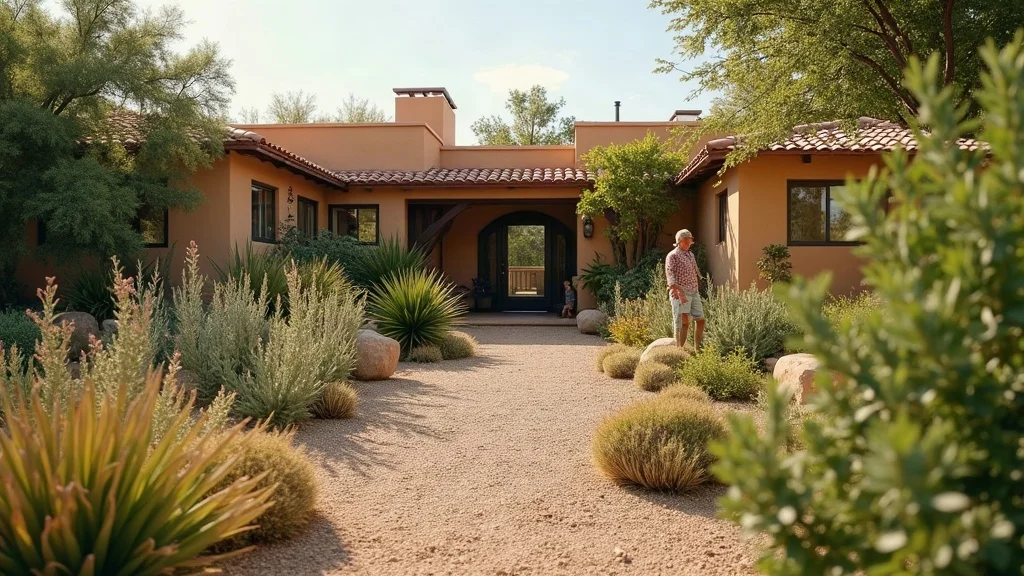
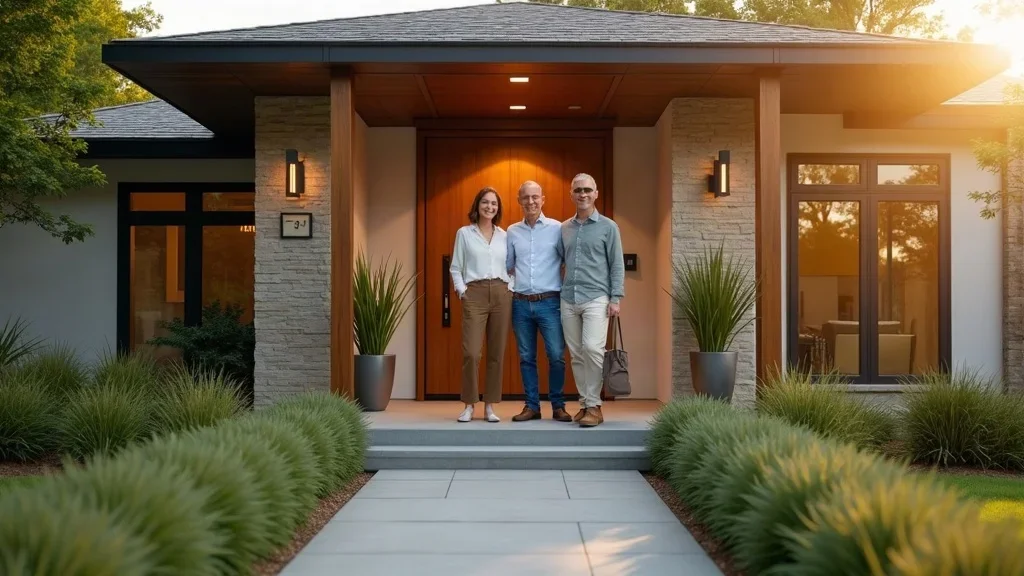
Vibrant xeriscape landscaping service front yard with drought-tolerant plants, gravel pathways, and native flora in a suburban New Mexico home, family enjoying outdoor space

What You'll Learn About Xeriscape Landscape Services

  • What xeriscape landscape services encompass

  • Key benefits for homeowners and businesses

  • The principles behind xeriscape design

  • Guidance for budgeting and maintenance

  • Expert-driven tips for maximizing efficiency and savings

Understanding Xeriscape Landscape Services and Their Benefits

What Are Xeriscape Landscape Services?

  • Definition of xeriscape landscaping

  • How local expertise like LaBarge Landscape brings value

  • Common features of professional xeriscape design

Xeriscape landscape services are specialized landscaping solutions designed for dry, arid regions. They focus on water conservation and sustainability by using drought-resistant plants, efficient irrigation systems, and minimal turf areas. Unlike traditional landscaping services that often require high water usage and extensive soil prep, xeriscape landscaping leverages native and adaptive plant species, proper soil preparation, and innovative design to create visually stunning outdoor spaces that thrive in tough climates. Companies like LaBarge Landscape in New Mexico bring more than 40 years’ experience, state licensing, and unique local knowledge—guaranteeing curb appeal and lasting value. Professional xeriscape plans typically include detailed plant selection, mulching, efficient irrigation systems such as drip irrigation, and creative use of decorative rock and hardscapes. This expert-driven approach not only transforms residential and commercial properties but also sets new standards for sustainable landscape design.

Unique Benefits of Xeriscape Landscape Services

  • Water conservation benefits

  • Reduction in maintenance

  • Economic savings for homeowners and commercial property owners

One of the most recognized advantages of xeriscape landscaping is its ability to conserve water, which is crucial in hot, dry regions like New Mexico. By integrating drought-tolerant plants, reducing or eliminating turf areas, and harnessing efficient irrigation systems, property owners see a dramatic drop in their water usage—and consequently, their monthly water bills. Maintenance is also greatly reduced compared to traditional lawns: less mowing, fewer chemical treatments, and simplified weed management thanks to mulching and smart plant placement. Beyond the economic benefits, xeriscape design increases property value with improved curb appeal that looks vibrant year-round, even during peak summer heat. For commercial properties, this translates into reduced operational costs and a positive, environmentally responsible public image, making xeriscape landscape services a win-win investment.
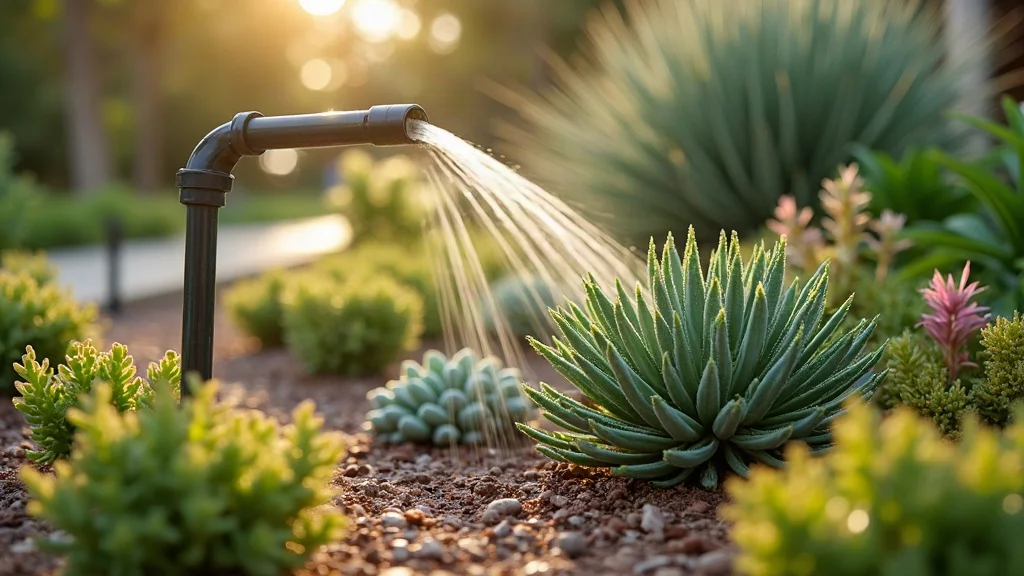
Clean xeriscape landscaping garden closeup with mulch, drip irrigation, and succulents in a residential New Mexico setting, efficient drip lines watering drought-resistant flora

Quote

"With xeriscape landscape services, you’re not just creating curb appeal—you’re actively protecting New Mexico’s most precious resource: water." – Jack Lantry, LaBarge Landscape

The Xeriscape Design Process: Expertise From a Family-Operated Landscaping Service

How Local Professionals Approach Xeriscape Design

  • Importance of state licensing and ICPI certification

  • Role of family-operated attention and 40+ years of experience

  • Incorporating client ideas with professional guidance

Trusted landscaping services such as LaBarge Landscape set themselves apart with extensive credentials: they’re licensed by New Mexico for landscaping, masonry, and chemical applications, as well as certified by the Interlocking Concrete Pavement Institute (ICPI). This ensures technical precision in every xeriscape design, from hardscapes to irrigation systems. The family-operated approach is rooted in decades of experience and local pride, enabling an unmatched level of attention to detail and personalized service. Clients are actively engaged in the design process—from sharing their vision for turf areas or native plant beds to approving material choices for retaining walls, pathways, and decorative rock features. By merging homeowner ideas with professional insights on soil prep, sun exposure, and water efficiency, the result is a landscape as functional as it is beautiful, built to last in any arid climate.
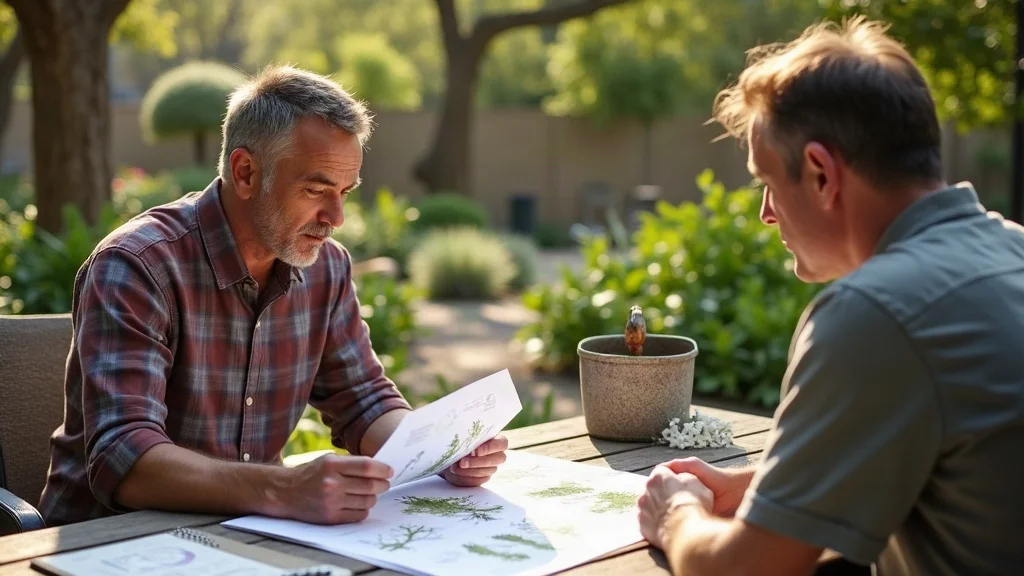
Professional landscaper and homeowner consulting over xeriscape design plans and native plant catalog outside in a New Mexico backyard, modern style, collaborative

Key Elements of the Xeriscape Design Process

  • Soil analysis and preparation

  • Plant selection and placement

  • Efficient irrigation system planning

  • Integration of turf areas and functional hardscapes

The successful xeriscape design process is anchored in several core components. It starts with detailed soil analysis and prep—identifying challenges like alkaline soil or drainage issues and optimizing nutrient profiles for resilient growth. Plant selection comes next, favoring native or well-adapted species with proven tolerance for local conditions, while strategic placement ensures visual impact and efficient shade coverage. Irrigation system planning is integrated early, prioritizing drip lines and smart controllers to deliver water directly where it’s needed and avoid waste. Finally, the inclusion of pathways, patios, and selected turf areas—if any—creates usable, beautiful outdoor spaces that meet everyday needs. Attention to these elements not only enhances aesthetics but also safeguards sustainability for years to come.

Tables

Comparison Table: Xeriscape Landscaping Services vs Traditional Landscaping

Feature/Aspect

Xeriscape Landscaping

Traditional Landscaping

Water Usage

Significantly Reduced

High

Maintenance

Minimal

Moderate-High

Cost Over Time

Lower

Higher

Visual Appeal

Drought-Resistant, Unique

Lush, Resource-Dependent

Efficient Irrigation Systems in Xeriscape Landscape Services

Modern Irrigation System Options

  • Drip irrigation systems for targeted watering

  • Smart controllers for maximum water efficiency

  • Upgrading old systems to lower water consumption

Water is a precious commodity in the Southwest, so leveraging efficient irrigation is central to xeriscape landscaping success. Drip irrigation systems deliver water directly to plant roots, preventing evaporation losses that occur with overhead sprinklers, especially during intense sun exposure or summer heat. Modern installations use programmable smart controllers that adapt schedules based on moisture levels, local climate, and plant needs, providing just enough hydration to keep your resistant plants thriving. Upgrading from outdated irrigation or manually watered setups to these efficient systems drastically reduces water usage and further cuts your water bill. The team at LaBarge Landscape specializes in custom solutions—making sure every irrigation system aligns perfectly with the landscape’s design and sustainable goals, whether for private homes or commercial properties.

Modern drip irrigation system being adjusted in a xeriscape garden bed, technician demonstrating smart controller in drought-tolerant landscape

Water Conservation and Cost Savings

  • How efficient irrigation systems help save water

  • Impact of lower water use on monthly bills and sustainability

Adopting efficient irrigation systems in your xeriscape plan translates directly to lower water usage—often up to 50% less compared to traditional lawns. This efficiency reflects quickly in your monthly water bills and contributes significantly to broader water conservation efforts critical for New Mexico’s future. Beyond cost savings, these systems support healthier, more resilient plants that flourish with less disease and fewer chemical treatments. In commercial settings, reduced water consumption means better budget predictability and a positive sustainability message for clients and customers alike. Ultimately, investing in modern irrigation, guided by professionals who understand the region’s unique requirements, promises tangible rewards for your landscape and community.

Quote

"A well-designed irrigation system is the backbone of effective xeriscape landscaping—ensuring every drop counts." – Certified LaBarge Landscape Technician

Plant Selection and Turf Areas in Xeriscape Landscaping Service

Choosing the Right Plants for Your Xeriscape Landscape

  • Drought-tolerant plant options

  • Native vs. adaptive species for New Mexico

  • Minimizing turf areas for optimal water savings

Central to xeriscape landscape services is selecting plants that not only survive, but thrive in the arid climate of New Mexico. Native plants such as agave, yucca, and penstemon are naturally adapted to local soils and weather, requiring little water once established. Blending these with other adaptive species gives you color, texture, and year-round vitality with minimal maintenance. Reducing traditional turf areas—swapping grass for vibrant ground covers or carefully placed accent plants—maximizes water savings and further lowers your maintenance burden. Professional landscapers assess your sun exposure, soil prep needs, and design goals, crafting a living tapestry that’s beautiful, resilient, and environmentally responsible for both residential and commercial properties.
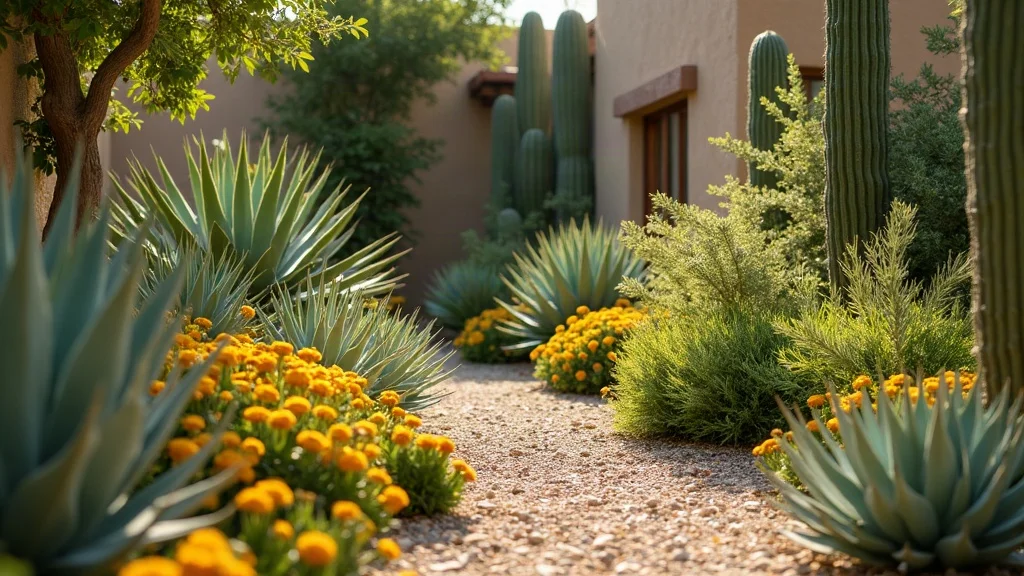
Lush drought-tolerant native plants in a xeriscape garden: agave, yucca, vibrant New Mexico flora arranged in mulch beds for water conservation

Designing with Visual Appeal and Function

  • Balancing color, texture, and seasonal interest

  • Functional hardscapes and turf area alternatives

While the focus of xeriscape landscaping is efficiency, it never means sacrificing beauty. A thoughtful xeriscape design balances plant colors, heights, and bloom times to create changing visual interest from season to season. Hardscaping—such as decorative rock, attractive retaining walls, and shaded patios—provide both functional and aesthetic enhancements, transforming formerly high-maintenance grass into lively outdoor spaces for gathering, play, or quiet reflection. Low-maintenance ground covers such as thyme or blue grama grass are fantastic alternatives, giving softness and vibrancy without the water demands of a traditional lawn. Every feature is chosen not only for appearance, but for its ability to sustain with lower water and limited intervention.

Lists

  • Top 5 Native Plants for Xeriscape Design:

    • Agave

    • Yucca

    • Penstemon

    • Apache Plume

    • Blue Grama Grass

  • Low-Maintenance Ground Cover Ideas:

    • Thyme

    • Blue fescue

    • Ice plant

  • Best Practices for Turf Area Reduction:

    • Replace grass with native ground cover

    • Expand planting beds with mulch

    • Build pathways from decorative rock or pavers

Maintaining Your Xeriscape Landscape: Professional Tips

Routine Care for Long-Term Water Conservation

  • Pruning and mulching recommendations

  • Weed management without excess water use

  • Seasonal checks for irrigation systems

Even the most efficient xeriscape landscape services require routine care to maintain their beauty and savings. Occasional pruning of native plants enhances shape and encourages blooms while promoting vigorous, healthy growth. Applying mulch not only conserves soil moisture and discourages weed growth, it protects delicate roots from harsh sun exposure and summer heat. Weed management largely relies on a thick mulch layer and spot-treatment as needed—without the need for excess chemical treatments or water waste. Seasonal inspections and irrigation system checkups ensure continued precision watering, catch leaks early, and maintain optimal system performance. Following these simple guidelines lets your sustainable landscape thrive year after year with minimal intervention.
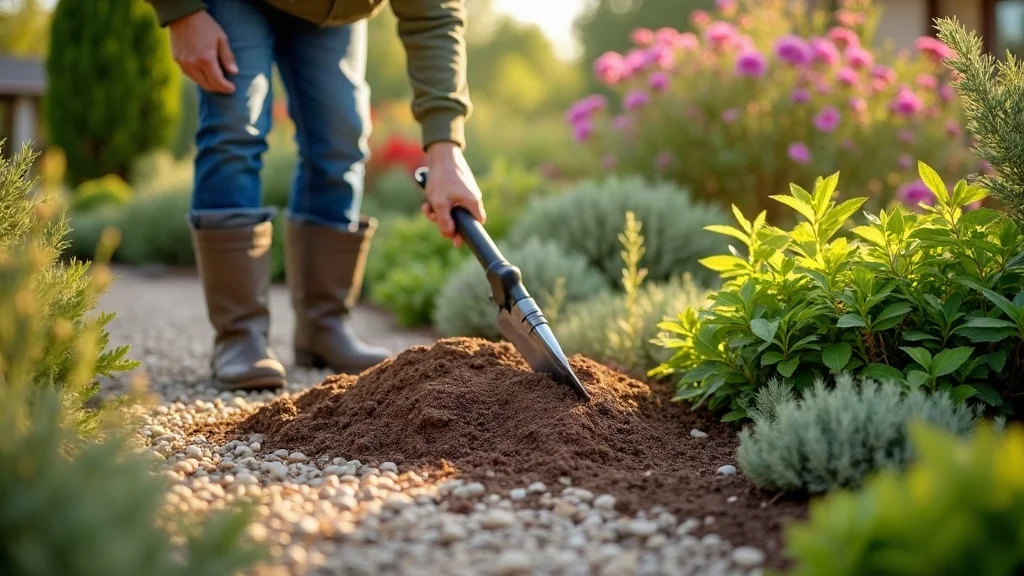
Maintaining xeriscape landscape: cheerful gardening, mulching, trimming native plants in a mature drought-resistant garden, healthy ground cover visible

Why Professional Landscaping Service Matters

  • Benefits of hiring licensed and certified landscapers

  • How ongoing service protects your investment

Working with a licensed, certified landscaping service like LaBarge Landscape brings peace of mind and long-term value. Certified pros not only deliver expert soil preparation, plant selection, and irrigation system installation—they also offer regular maintenance to protect your investment from common pitfalls. Their in-depth understanding of New Mexico’s arid climate, alkaline soil challenges, and best horticultural practices ensures your landscape’s health and beauty for years to come. In addition to technical expertise, professionals provide prompt responses, ongoing education, and proactive solutions that adapt your xeriscape plan as your needs change or as your plants mature.

Video

  • Time-lapse showing xeriscape landscape maintenance across different seasons.

Making the Switch: Steps to Start With Xeriscape Landscape Services

Initial Consultation and Design Process

  • Assessing your property needs

  • Developing a customized xeriscape design

Beginning your xeriscape landscaping journey starts with a no-pressure, on-site consultation. Professionals examine your property’s specific needs: sun exposure, existing soil and plant types, drainage, and your daily usage goals. Through thoughtful dialogue, a custom design process brings your vision to life while factoring in sustainability, budget, and practical maintenance. Design plans include specific plant recommendations, tailored irrigation system layouts, and creative yet functional solutions to eliminate high-maintenance turf areas or integrate new pathways and patios. Throughout every step, client input is valued and integrated, ensuring the final landscape reflects your personal style and long-term aspirations.

Installation and Aftercare

  • Overview of professional installation

  • Ongoing support and education for property owners

Once approved, the installation phase includes precise soil prep, hardscape construction, professional planting, and full integration of advanced irrigation systems for maximum water efficiency. Licensed crews follow safety and quality standards throughout. After installation, support doesn’t end: you’ll receive expert education on optimal care, seasonal adjustments, and troubleshooting tips. Many providers, like LaBarge Landscape, also offer ongoing maintenance contracts to further guarantee your landscape’s ongoing success and beauty, giving you complete peace of mind.

People Also Ask About Xeriscape Landscape Services

What is the average cost to Xeriscape a yard?

  • The cost for xeriscape landscape services varies depending on factors like yard size, plant selection, design complexity, and labor. Professional consultations can provide a tailored estimate for your specific needs.

What is the cheapest Xeriscape option?

  • Cost-effective xeriscape landscaping often focuses on using native plants, mulches, and reducing turf areas, combined with simple design elements that minimize initial investment while maximizing water conservation.

What are the disadvantages of xeriscaping?

  • Potential disadvantages include limited plant variety compared to traditional landscaping, the need for initial expert planning, and a different appearance that may not appeal to everyone. However, professional xeriscape design can address most concerns.

What are the seven principles of Xeriscape?

  • The seven principles of xeriscape landscaping are: planning and design, soil improvement, efficient irrigation, appropriate plant selection, use of mulches, limiting turf areas, and proper maintenance.

FAQs About Xeriscape Landscape Services

  • Do xeriscape landscapes require no water at all? – Xeriscaped yards use significantly less water than traditional lawns, but plants still need occasional watering, especially as they establish or during extended droughts.

  • Are xeriscape designs suitable for commercial as well as residential properties? – Absolutely! Commercial properties benefit from lower operational costs and sustainable public image, while residential yards gain curb appeal and easy maintenance.

  • How soon do water savings become noticeable? – Most property owners begin to see noticeable reductions in their water bills within the first season after installation, thanks to lower water consumption and efficient irrigation.

  • Can I retrofit existing landscapes with xeriscape elements? – Yes, existing yards can be updated with drought-tolerant planting, new mulch beds, improved irrigation, and turf area reductions to create an effective xeriscape design.

Key Takeaways for Homeowners and Businesses

  • Xeriscape landscape services provide both environmental and financial rewards

  • Local, licensed, and certified experts ensure lasting results

  • Thoughtful design and efficient systems are essential for success

Ready to Experience Water & Cost Savings?

  • Transform your property with certified expertise and friendly service. For personalized solutions and a free estimate, contact us or call us at (505) 345-3000.

LIfestyle

0 Comments

Write A Comment

*
*
Please complete the captcha to submit your comment.
Related Posts All Posts
10.13.2026

How Incorporating Universal Design Features Boosts Accessibility

Imagine arriving at a stunning custom home where a wide, step-free entry welcomes guests of all ages and abilities, seamlessly blending cutting-edge luxury with true inclusivity. For discerning homeowners, incorporating universal design features isn’t just a trend—it's essential to creating spaces that offer comfort, functionality, and timeless elegance for everyone. This journey into accessible luxury unveils how thoughtful design choices empower residents and guests alike while elevating the overall value and experience of a dream home.Discovering the Impact of Incorporating Universal Design Features: A Custom Homeowner’s JourneyFor many custom luxury homeowners, the desire to create an environment that combines opulence with accessibility has become a key driver in the design process. By incorporating universal design features, you ensure that every corner of your home is welcoming and functional, regardless of a person's age or ability. Unlike traditional accessibility modifications—which often stand out as medical or afterthought solutions—universal design integrates seamless elements that anticipate the needs of all residents and guests from the start. Simply put, universal design is good design: its principles encourage spaces that adapt gracefully as family needs and circumstances change over time.Clients who partner with HomeSource Custom Homes benefit from a thoughtful, holistic approach. The design and composition of an environment are planned with accessibility at the forefront, from entryways wide enough for wheelchairs and strollers to luxurious bathrooms featuring walk-in showers and adaptive fixtures. This journey proves that accessibility and luxury are not mutually exclusive. Instead, they’re the new standard for homes designed to the greatest extent possible, ensuring usability without sacrificing beauty or elegance. As you'll see, the result of applying a universal design in a custom home leads to lifelong enjoyment and comfort for everyone who walks through the door.Observing Accessibility in Modern Luxury HomesWalk into a well-designed luxury home today and you may notice how smoothly the layout accommodates guests of all ages and abilities. Wide corridors, smooth transitions between rooms, and thoughtful lighting choices are more than beautiful—they embody the thoughtful incorporation of universal design. These features, expertly implemented in the residential sector, reflect a growing shift: no longer is accessibility reserved for “special requirements” only. Instead, good design meets the needs of everyone, making hospitality effortless and enhancing resale appeal. For clients seeking both form and function, choosing to prioritize universal design ensures that their homes remain comfortable and inviting for a lifetime.Incorporating universal design features goes beyond aesthetics; it shapes a home into a sanctuary that's prepared for life's unexpected turns. For instance, simple modifications like lever door handles and step-free entries remove common barriers, allowing the space to flexibly serve children, elderly relatives, or visitors with temporary injuries. These subtle changes, backed by some of the best national and european policies, demonstrate how intentional planning can result in homes that are equally beautiful and functional for all.What You'll Learn About Incorporating Universal Design FeaturesUnderstand the foundations of universal designExplore the essential features and principles of incorporating universal design featuresLearn national and european approaches to incorporating universal design featuresGain knowledge on practical steps for home customizationGet answers to frequently asked questions about universal designUnderstanding Universal Design: Foundations for Incorporating Universal Design FeaturesDefining Universal Design and Its BenefitsUniversal design is the thoughtful approach of crafting environments that are inherently accessible to everyone—regardless of age, ability, or status—without singling out any specific need or disability. Instead of adapting spaces after the fact, universal design ensures that from the first step in the design process, the home meets the needs of as many people as possible to the greatest extent feasible. This principle transforms custom luxury homes into welcoming environments not just for the owner, but for family, friends, and guests throughout all stages of life.The benefits of universal design extend far beyond simple accessibility. For starters, a universally designed home often boasts superior flow, elegant minimalism, and better usability testing results, as features are tested to meet a spectrum of needs. Leveraging insights from both federal agencies and international universal design experts, these homes are built not only to comply with current regulations but to exceed them—future-proofing investment and ensuring ongoing comfort, safety, and appeal. Simply put, universal design is good design, reimagined for inclusivity.National and European Perspectives on Universal DesignWhile the United States has made significant progress in developing accessibility standards through federal agencies and the official website for disability resources, European policy and legislation have also driven remarkable advances in universal design. Both regions encourage the inclusion of accessible features in mainstream design, but subtle differences exist. In the U. S. , emphasis is often placed on regulatory compliance, usability testing, and design for content creators, while European policy leans towards social inclusion and the development of systems that meet a broader spectrum of needs.Comparing national and european approaches highlights that, regardless of the region, universal design is not about creating “special” spaces but about prioritizing the human experience at every level. Today, many luxury custom builders are blending the best approaches from both continents, creating homes that set new standards of accessible comfort and style for the U. S. market.Exploring the 7 Principles of Universal Design When Incorporating Universal Design Features“Universal design strives to create environments that are inherently accessible to all, regardless of age, ability, or status.”The 7 Key Principles: Enabling Accessibility and Usability in Every Custom HomeThe backbone of incorporating universal design features lies in the seven foundational principles, each crafted to guide the design and composition of environments that feel as luxurious as they are accessible. Here’s a breakdown of these essentials:Equitable Use: Designs that are useful and marketable to people with diverse abilities.Flexibility in Use: Accommodates a wide range of individual preferences and abilities.Simple and Intuitive Use: Eliminates complexity so that spaces are easy for everyone to navigate.Perceptible Information: Ensures important information is easy to access, regardless of the user’s experience or sensorial ability.Tolerance for Error: Minimizes hazards and the adverse consequences of accidental actions.Low Physical Effort: Spaces are designed for ease, requiring minimal physical force to operate fixtures and doors.Size and Space for Approach and Use: Ample room ensures comfort for all—whether walking, using mobility aids, or pushing a stroller.Following these principles from conception enhances the value of a custom home, making it both beautiful and universally usable—delivering what official websites and expert gov websites describe as “good design for content creators and residents alike. ”Essential Features of Incorporating Universal Design Features in Residential ConstructionUniversal Design in Entryways, Kitchens, and BathroomsWhen it comes to incorporating universal design features into the most important spaces of the home, attention to detail is key. An accessible entryway that includes a zero-step threshold is crucial for welcoming all visitors, including elderly guests, young families with strollers, or those with mobility aids. In kitchens, open layouts with lower counters and lever-style handles guarantee function without compromising on luxury. Wide walkways and strategically placed appliances make meal prep and entertaining both enjoyable and inclusive, reflecting core universal design principles.Bathrooms benefit tremendously from features like walk-in showers, grab bars, floating sinks, and adaptive fixtures—each element ensuring both safety and ease of use. These choices allow for easy circulation and provide peace of mind for every resident or guest, meeting the design intent to the greatest extent practicable. Such features go hand-in-hand with elegant finishes, proof that accessible spaces can remain stylish, modern, and luxurious.Incorporating Technology and Smart Accessibility SolutionsAs demand grows for both comfort and convenience, smart technology increasingly plays a vital role in incorporating universal design features. For luxury custom homes, the integration of systems such as automated lighting, smart thermostats, motorized blinds, and voice-activated security solutions ensures that control over the environment remains within everyone’s reach—regardless of dexterity, mobility, or age.Accessible homes now routinely include advanced features like adjustable-height countertops, sensor-activated faucets, and digital interfaces designed for all users. Such technology furthers the aim of intuitive, effortless living, while remaining hidden or seamlessly integrated into the design. In this way, universal design fosters environments where luxury and usability go hand in hand, making life more enjoyable for all residents and guests.Step-by-Step: How Incorporating Universal Design Features Enhances the Custom Home Building ProcessDesign Collaboration: Working With Experts to Incorporate Universal Design FeaturesThe journey to a luxury, universally accessible home begins with meaningful collaboration. HomeSource Custom Homes partners every client with expert designers and architects, all of whom deeply understand how to incorporate universal design features from blueprint to final build. The process begins with a thorough consultation; teams assess client needs, lifestyles, and future considerations—for instance, anticipating multi-generational living or possible mobility changes over time.Initial consultationsAssessing client needs and lifestylesIntegrating features from plan to buildBy including universal design at every phase of the design process, clients see their vision come to life in a way that ensures both current comfort and future flexibility. This strategy results in superior usability testing, compliance with evolving regulations, and enduring satisfaction.Ensuring Quality and Luxury in Every DetailHigh-end custom homes set themselves apart through unwavering attention to detail. HomeSource Custom Homes leverages quality materials, refined craftsmanship, and ongoing communication with clients to guarantee every universal feature—be it a smart lighting system, wide hallway, or elegant grab bar—meets the same standards of luxury as any other element in the home. This holistic approach underscores the reality that universal design is good design for everyone, further enhanced when woven seamlessly into upscale aesthetics.From the outset, clients are invited to participate in material selections, views of accessible fixture options, and even hands-on walkthroughs with designers. This level of involvement ensures that both functionality and style are never compromised, and the home remains a joy to live in for decades to come.National and European Standards: Guidelines for Incorporating Universal Design FeaturesComparing National and European Approaches to Universal DesignComparing national and european standards for incorporating universal design features reveals both convergence and subtle divergence. U. S. guidelines, frequently detailed on official websites managed by federal agencies, prioritize compliance through the Americans with Disabilities Act (ADA) and allied building codes. These emphasize accessibility as a baseline for public and residential buildings, establishing robust frameworks for safety and comfort.European standards, on the other hand, focus strongly on inclusivity, proactively incorporating the voice of people with disabilities, content creators, and international experts. Legislation like the European Accessibility Act and specific guidelines for residential construction ensure environments remain relevant to universal design—often going above and beyond simple compliance to champion environments that foster independence and social participation.As global approaches evolve, HomeSource Custom Homes draws from both national and european policy best practices. By combining regulatory savvy with a customer-first perspective, they deliver truly world-class homes that set a new bar for accessible luxury in the United States.Incorporating Universal Design for Learning: Applying the 3 UDL GuidelinesWhat are the 3 UDL Guidelines?Universal Design for Learning (UDL), drawn from the principles of universal design, provides a framework for creating instructional environments and home features that support diverse learning preferences. The three UDL guidelines are: Multiple Means of Engagement (motivating and sustaining interest), Multiple Means of Representation (offering content in multiple formats), and Multiple Means of Action and Expression (varied ways for users to interact and communicate). Applying UDL in home design means creating spaces that are stimulating, adaptable, and empowering for learners of every stripe.By incorporating UDL guidelines in home features—such as adjustable workspaces, variable lighting, and integrated technology—residents and guests can personalize their environments for maximum comfort and optimal learning. This forward-thinking approach makes homes more inclusive and responsive to evolving needs.How to Incorporate Universal Design for Learning in Home FeaturesIncorporating Universal Design for Learning within residential spaces is a natural extension of the home customization process. Start by working with designers to identify opportunities for choice and personalization: for example, including adjustable desks in home offices or study nooks, and providing high-contrast, well-lit environments. Next, integrate technology such as screen readers, video displays, or voice-controlled assistants, making it possible for individuals to access information according to their learning preferences.The final step is to ensure that all home automation systems, controls, and media can be operated in multiple ways—through touch, voice, or mobile app. This attention to flexibility and communication echoes what successful content creators already know: when it comes to great design for content and home environments, one size does not fit all. Embracing UDL ensures every resident feels supported and empowered.Table: Features for Incorporating Universal Design in Luxury Custom HomesFeatureDescriptionUniversal Principle IncorporatedZero-step EntrywaysStep-free access for allEquitable UseWide HallwaysEasy navigation for wheelchairs, strollersSize & Space for ApproachLever-style HandlesEasy operationLow Physical EffortAdjustable LightingCustomizable comfortFlexibility in UsePeople Also Ask: Key Questions About Incorporating Universal Design FeaturesWhat are the 3 UDL guidelines?The three UDL (Universal Design for Learning) guidelines are: 1) Provide Multiple Means of Engagement, which motivates and sustains interest in learning; 2) Provide Multiple Means of Representation, which gives learners various ways to understand information; and 3) Provide Multiple Means of Action and Expression, which allows different methods for students to demonstrate what they know. These guidelines foster inclusivity not just in schools but in home design, supporting every resident’s learning and engagement style.What are the 7 principles of universal design?The seven principles of universal design are: Equitable Use, Flexibility in Use, Simple and Intuitive Use, Perceptible Information, Tolerance for Error, Low Physical Effort, and Size and Space for Approach and Use. These principles guide designers and builders in creating environments that are usable by all people, regardless of age, ability, or circumstance.What are the features of universal design?Key features of universal design include zero-step entries, wide hallways, lever-style door handles, adaptable lighting, open-plan spaces, anti-slip flooring, and accessible fixtures such as floating vanities and walk-in showers. These features provide comfort, safety, and independence to everyone—ensuring no one is limited by their environment.How to incorporate Universal Design for Learning?To incorporate Universal Design for Learning in your home, offer adjustable and flexible learning or workspaces, use technology to present information in multiple formats, and provide a variety of lighting and accessibility tools to support different preferences. Collaboration with designers can help tailor these elements to fit your household’s unique learning and engagement needs.Walkthrough: Explore a custom home highlighting key universal design features in luxury settings.FAQs: Incorporating Universal Design Features in Custom HomesCan universal design features be included in luxury home construction?Absolutely. Universal design works seamlessly with upscale finishes and amenities, enhancing both comfort and property value in luxury homes.How do universal design features differ from accessibility modifications?Universal design is embedded from the start, while accessibility modifications are often added later. Universal design aims to meet everyone’s needs without singling anyone out.Are universal design features visible or hidden in custom builds?Many universal design features are elegantly integrated, so they enhance functionality without calling attention to themselves.Is universal design only for elderly or disabled individuals?No. Universal design benefits all residents—children, adults, guests—by making spaces safer, more functional, and easier to enjoy.What role do regulations play in incorporating universal design features?Regulations provide minimum standards, but leading custom builders often exceed them, combining the best of national and european guidelines for accessible luxury.Key Takeaways on Incorporating Universal Design Features in Custom Luxury HomesIncorporating universal design features is fundamental to accessible luxury homesUniversal design principles benefit all residents, enhancing comfort, value, and longevityCustom homes can seamlessly integrate universal design into upscale aestheticsReady to Elevate Your Home? Contact HomeSource Custom HomesInterested in a custom luxury home that combines elegance, comfort, and universal accessibility? Call HomeSource Custom Homes at (636) 296-0100 or email us at info@homesourcecustomhomes. com to begin your journey today.

10.11.2026

Preparing Walls for Vinyl Siding? Avoid These Common Mistakes

Ready to upgrade your home with vinyl siding? Don’t let simple errors compromise your investment. In this guide, you’ll learn the steps and expert secrets to preparing walls for vinyl siding—so your finished exterior turns heads and stands up beautifully over the years.Why Preparing Walls for Vinyl Siding Matters in Premium Home RemodelingPreparing walls for vinyl siding is the invisible stage that determines how flawless and long-lasting your home’s exterior will look and perform. For high-end remodeling projects, every detail counts—especially for upper-income households where expectations for both beauty and longevity are high. Ignoring best practices can lead to buckled siding, moisture issues, or costly repairs down the road.No matter how high-quality your siding materials may be, they can’t perform well over an unprepared surface. Issues such as rot, structural unevenness, or hidden moisture can quickly become major headaches if not addressed right from the start. Proper wall preparation creates a solid foundation, allowing your chosen vinyl siding to deliver both curb appeal and lasting protection for your investment.“Proper surface preparation is the foundation for not just eye-catching finishes but also for the longevity and durability upper-income homeowners expect.” – Banner Construction ExpertWhat You'll Learn About Preparing Walls for Vinyl SidingThe critical steps in preparing walls for vinyl sidingCommon pitfalls to avoid for lasting resultsExpert insights from Banner Construction’s decades of experienceSmart choices for optimal insulation, moisture protection, and finishStep-by-Step Guide: Preparing Walls for Vinyl SidingInspection and Repair: The Foundation of Preparing Walls for Vinyl SidingCheck for damage, rot, or pest issuesReplace or repair compromised sheathingThe first step in preparing walls for vinyl siding is a thorough inspection and robust repairs. Look for signs of damage like rot, mold, or pest invasions—which are often hidden beneath existing siding or paint layers. These problems, if left unresolved, can drastically shorten your siding’s lifespan and negatively impact your home's structure. Experienced remodeling pros start by carefully checking all wood sheathing, framing, and insulation layers. If any area is spongy, discolored, or weakened, it should be replaced or reinforced.Even apparently minor flaws can turn into more serious—and expensive—issues later, so take the time now to address these concerns. Banner Construction’s team always emphasizes thoroughness at this early stage, ensuring that your walls are stable and dry before moving on. When underlying sheathing is compromised, the new siding won’t have a firm anchor and may not lay flat, leading to potential warping. If necessary, repair or install new sheathing panels so your foundation is solid and ready for the next steps.“An unaddressed problem behind the siding eventually leads to costly surprises.” – Banner Construction TeamCleaning and Prepping: A Key Step for Preparing Walls for Vinyl SidingPressure wash or hand clean surfacesRemove old fasteners, flaking paint, and debrisOnce repairs are complete, the next focus is cleaning and prepping the walls for siding installation. A spotless surface ensures that every material installed afterward adheres properly and remains effective. Depending on the condition of your exterior, this might involve pressure washing or carefully hand scrubbing to eliminate dirt, mildew, grease, and lingering residues. Heavy buildup can prevent moisture barriers from sticking and may even harbor mold spores or insects. Safe removal methods are critical—take care to direct runoff away from foundations and landscaping, especially for premium homes.After cleaning, remove any old nails, staples, or screws, as well as peeling paint or caulk that could keep the new layers from lying flush. Scraping away these obstacles may be tedious, but it is key to creating a uniform surface. Attention to small details smooths the path for a professional-looking finish, minimizing the risk of waves or bumps once the siding is up. The effort you invest here is visible in the flawless appearance and weather-tight performance of your final project.Installing Moisture Barriers: Protecting Your Home While Preparing Walls for Vinyl SidingHouse wrap and vapor barrier optionsEnsuring seams and edges are properly sealedWith walls cleaned and repaired, another make-or-break element when preparing walls for vinyl siding is installing an effective moisture barrier. House wrap or vapor barriers are layers designed to prevent rain, vapor, and outside humidity from seeping into your walls—essential protection that maintains insulation performance and prevents mold. For luxury projects, opt for premium house wraps, which offer superior breathability and tear resistance. The barrier should envelop the house completely, each seam and corner carefully overlapped and sealed according to manufacturer instructions.Pay special attention to windows, doors, and roof connections, where leaks tend to start. If these areas are not meticulously sealed, moisture can find its way behind your new siding and create problems that are costly to solve. Using high-quality tapes or sealing products on joints and edges locks out even wind-driven rain. Done right, a robust moisture barrier is your insurance against rot, mold, and hidden damage, ensuring your investment stands the test of time."Using a premium moisture barrier is essential in high-end projects—anything less puts your investment at risk."Checking Wall Flatness and Framing for Vinyl SidingEnsure studs are even and wall surfaces are flatInstall furring strips if neededA final crucial step in preparing walls for vinyl siding is ensuring the flatness of the wall and the evenness of your framing. Walls that bow or undulate will show every imperfection once the vinyl siding is attached, leading to an uneven, unprofessional appearance. Use a long level, string line, or laser to check the flatness across various wall sections. High or low spots should be addressed—this might mean planing down bumps or filling voids. For particularly uneven walls, pros often install furring strips to create a new, perfectly plumb surface.This attention to framing is especially important in older homes, which may have shifted or settled over decades. Installing furring strips as needed provides an ideal base for vinyl siding, guaranteeing a polished, straight-lined look. Forgetting this step can cause siding panels to buckle or fail, so expert remodelers never skip it—ensuring your project looks spectacular in any light and from every angle.Table: Common Mistakes When Preparing Walls for Vinyl Siding and How To Prevent ThemMistakeConsequenceExpert SolutionSkipping wall inspection and repairHidden rot or damage leads to costly repairs laterThoroughly inspect and replace all compromised materials before continuingImproper cleaning or neglecting debrisSiding may not adhere properly; mold and insects can persistCompletely clean and clear the wall to create optimal conditions for sidingInsufficient or poorly installed moisture barriersWater infiltration, mold, and reduced insulation effectUse premium barriers and carefully seal all seams and penetrationsFailing to address uneven wall surfacesVisible waves and buckling in finished sidingCheck with a level and install furring strips to create a flat surfaceIgnoring manufacturer installation guidelinesVoided warranties and premature siding failureFollow all siding manufacturer instructions to the letterTop Common Mistakes People Make When Preparing Walls for Vinyl SidingSkipping wall inspection and repairImproper cleaning or neglecting debrisInsufficient or poorly installed moisture barriersFailing to address uneven wall surfacesIgnoring manufacturer installation guidelinesBy familiarizing yourself with these frequent missteps, you’ll be able to avoid unnecessary setbacks and ensure lasting results. Each mistake—from skipping critical repairs to not following professional product instructions—can compromise both the look and longevity of your siding project. Investing time and care at every step is what separates a quick facelift from a premium, enduring renovation.Watch our featured video where a Banner Construction expert walks you through each aspect of wall preparation for vinyl siding. From on-site inspection to installing premium moisture barriers, see the difference professional care makes in your home remodel’s outcomes.FAQs About Preparing Walls for Vinyl SidingDo walls need to be perfectly smooth before installing vinyl siding?While walls do not need to be perfectly smooth, they should be flat and free of major bumps or dips when preparing walls for vinyl siding. Significant imperfections may show through the siding as unsightly waves or cause installation problems. Minor roughness is acceptable, but a flat and even surface will deliver the best results.How do I know if my home needs a new moisture barrier?If your existing barrier is torn, degraded, or missing in places, it’s time for a replacement. Signs of prior water intrusion—like mold stains, warped sheathing, or musty odors—also indicate you need to install a new moisture barrier. Always consult with a siding expert to ensure the best protection for your premium remodel.Can I install vinyl siding directly over brick or stucco?Vinyl siding should generally not be installed directly over brick or stucco. Instead, install vertical furring strips, then attach sheathing and a moisture barrier before adding the siding. This creates a flat, secure base for high-end homes and ensures the crisp, attractive lines you want from your siding upgrade.Key Takeaways: Preparing Walls for Vinyl SidingWall preparation sets the stage for premium resultsAttention to detail ensures performance and beautyExpert help maximizes your remodel investmentReady to Transform Your Home? Contact Our Remodeling ExpertsCall Banner Construction at (314) 648-2368 to discuss your vinyl siding project or contact them and ensure every step—starting with wall preparation—is impeccable.

10.10.2026

Struggling with Vinyl Siding? Here's the Quick Fix

Picture this: You pull into your driveway, eager to admire your home’s exterior—only to notice cracks, fading, or warped siding panels spoiling your curb appeal. If you’re frustrated by failing siding or overwhelmed by endless options, you’re not alone. Homeowners often find that vinyl siding offers the ideal blend of durability, style, and low upkeep. But how do you choose the right vinyl product and ensure it stands the test of time? Let’s walk through the smart choices and expert solutions that will make your home the proudest on the block.Experience the Difference: Why Vinyl Siding is a Smart Choice for Your Home“When it comes to enhancing curb appeal and protecting your investment, vinyl siding stands out for its durability and style.”Modern vinyl siding is engineered with advanced materials like rigid PVC and reinforced locking systems. These upgrades mean you no longer have to worry about the constant upkeep that comes with wood or older siding types. Unlike alternative building materials, vinyl is designed to be virtually maintenance-free. No more scraping or replacing boards season after season. Instead, you benefit from weather resistance and reliable performance that matches your lifestyle and architectural taste.The manufacturing process for vinyl siding has evolved tremendously. Today’s offerings feature a rich palette of colors, realistic textures, and robust impact resistance. Products are available in multiple grades, letting you find the best fit for your needs—whether you’re after classic horizontal panels, contemporary board and batten, or custom profiles that mimic cedar or shiplap. Vinyl delivers a rewarding combination of value, beauty, and endurance—making it the preferred choice for homes nationwide.What You'll Learn About Vinyl SidingThe key features and benefits of vinyl sidingCommon problems and how to overcome themHow vinyl siding compares with other materialsInsider tips for choosing high-quality vinyl sidingAnswers to common vinyl siding questionsTop Features and Benefits of Vinyl SidingLow maintenance requirementsRich variety of colors and texturesWeather resistant and long-lastingEnergy efficiency and insulationResale value improvementCustomizable to fit any architectural styleOne of the top reasons homeowners choose vinyl siding is the remarkably low maintenance it demands. Forget about scraping or painting every few years—today’s vinyl product lines are infused with titanium dioxide and UV-blocking agents, making them fade-resistant and easy to clean with a garden hose. The result? Lasting color and a “just-installed” look for decades, even in tough Midwest weather.Vinyl siding types now feature advanced locking systems that increase wind and impact resistance. Many are designed to resist pests and moisture intrusion—common hazards with wood and less durable alternatives. Plus, modern vinyl often comes with insulated backing, which boosts your home’s energy efficiency and keeps utility bills in check. When installed professionally, new siding can transform your home exterior, boost resale value, and offer tangible rewards money by reducing long-term maintenance costs. It’s no surprise that home builders and remodelers frequently recommend premium vinyl siding for both new construction and upgrades.Overcoming Common Issues with Vinyl SidingAddressing fading and warpingPrevention of mold and moisture problemsProper installation for maximum performanceEasy repair solutions for minor damagesDespite its many advantages, vinyl siding isn’t immune from the occasional challenge. Over time, even high-grade products may experience some fading—especially in harsh sunlight. The good news? Advanced manufacturing techniques, including the use of quality titanium dioxide and color-through technology, make today’s best siding products far more fade-resistant than ever before. If you notice localized fading or damage, easy repairs are often possible without replacing boards across the entire wall.Warping or buckling sometimes occurs if installation is rushed or corners are cut. That’s why working with a qualified contractor like Banner Construction is crucial to ensure proper spacing, secure top lock engagement, and weather-tight seams. Mold and moisture issues can also arise if water seeps behind panels, but upgraded vinyl products feature built-in drainage and ventilation channels to divert moisture safely away from your home’s frame. Addressing minor dings or cracks is straightforward: snap in a new section or use repair kits designed for your siding product, restoring flawless looks and lasting protection with minimal effort.Vinyl Siding vs. Other Siding OptionsSiding TypeFeaturesMaintenanceCostLongevityAppearanceVinyl SidingWide colors, low maintenance, strong impact resistanceEasy hose cleaning; never needs scraping or paintingGenerally most affordable over time30+ year life expectancyModern variety: can mimic wood or contemporary looksWood SidingNatural texture, classic appealFrequent painting or staining, susceptible to pests and moistureHigher upfront/maintenance cost20-40 years if diligently cared forAuthentic grain; traditional stylesFiber Cement SidingExcellent durability, fire resistantPeriodic painting/sealing, heavier and tougher to installMid-to-high cost category30-50 yearsVariety of textures, can mimic wood or stuccoVinyl siding brings unbeatable value thanks to its low maintenance needs and resilient, weather-resistant finish. When comparing materials, vinyl’s flexibility and customization often give it an edge—especially for homeowners who want to avoid constant upkeep and invest in a siding product designed to last. While wood and fiber cement offer unique aesthetic options (like the distinctive texture of overlapping boards), they typically involve more maintenance, higher costs, and greater susceptibility to problems like pests and moisture or fire risk (as noted by fire fighters and insurance experts).Professional Vinyl Siding Installation: The Banner Construction Advantage"With over three decades of experience, Banner Construction elevates every home with expert vinyl siding solutions tailored to your lifestyle."The key to unlocking all the benefits of vinyl siding is expert installation. At Banner Construction, our seasoned team understands the nuances of every vinyl product we install. We use premium materials, advanced tools, and proven methods—ensuring every panel aligns perfectly, locks securely, and weathers the toughest seasons. Our crew takes pride in delivering a home exterior transformation that reflects your aspirations, all while maximizing energy savings, curb appeal, and rewards money through long-term value.Partnering with a trusted installer means you avoid the pitfalls of improper fitting, leaks, or gaps that undermine the siding’s protective power. Instead, you’ll experience streamlined communication, efficient timelines, and a finished product that brings your vision to life. Our knowledge of building materials and tailored approach—developed through decades of service to upper-income clients across the region—ensures the results surpass expectations with every job we take on.People Also Ask About Vinyl SidingHow much does 2000 sq ft vinyl siding cost?The price of vinyl siding for a 2000 sq ft home can vary due to factors such as material quality, color, brand, and unique architectural requirements. Consulting a vinyl siding specialist ensures an accurate estimate tailored to your home.What are the downsides of vinyl siding?While vinyl siding is low maintenance and cost-effective, it can be less impact-resistant than some alternatives. Prolonged exposure to extreme weather may cause fading or warping, but these issues are easily managed with quality products and installation.Is it cheaper to do vinyl siding or wood siding?Vinyl siding is generally more budget-friendly and requires less ongoing maintenance compared to wood siding. The long-term cost savings and easy upkeep make vinyl siding a wise investment for most homeowners.How much does 100 ft of vinyl siding cost?The cost per 100 ft of vinyl siding depends on style and quality. A personalized quote from a local provider will ensure you understand the exact investment for your project.FAQs About Vinyl SidingHow long does vinyl siding last? Most high-quality vinyl siding has a life expectancy of 30 years or more, especially when installed by professionals and maintained as recommended.What maintenance is required for vinyl siding? Routine cleaning with a hose and mild soap is usually enough. There’s no need for painting or scraping—or replacing boards like with wood siding.Can vinyl siding be painted? While vinyl siding is designed to maintain its color, it can be painted with specific vinyl-safe paint if you decide to update your home’s look.Does vinyl siding improve energy efficiency? Yes, many modern siding products come with integrated insulation, helping to stabilize interior temperatures and reduce utility costs.How do I choose the right vinyl siding style? Consider your home’s architecture, surrounding environment, and personal taste. Consult with your installer to review vinyl siding types and grade products that best complement your exterior.Key Takeaways for Investing in Vinyl SidingVinyl siding offers a blend of elegance, durability, and affordability.Professional installation ensures lasting performance.Understanding your options helps create a stunning home exterior.Watch: Time-lapse of professional vinyl siding installation, highlighting Banner Construction’s process and quick DIY tips.Ready for a Transformation? Get Started with Vinyl Siding Today"Contact Banner Construction at https://bannerconstruction.com/contact-banner-construction-st-louis/ for your personalized vinyl siding consultation or call them at (314) 648-2368."If your current home exterior is holding you back, choose Banner Construction for a seamless, beautiful upgrade. Call us at (314) 648-2368 to schedule your expert assessment—discover how vinyl siding can renew your home’s style, protection, and long-term value today.

Your guide to modern living—every day.

COMPANY

  • Privacy Policy
  • Terms of Use
  • Advertise
  • Contact Us
  • Menu 5
  • Menu 6

ABOUT US

Daily Lifestyle News explores the people, trends, and experiences that shape modern living. From home and style inspiration to travel tips and trusted product picks, it’s your go-to source for everyday life. Ideal for local voices and businesses in wellness, personal services, and home improvement.

© 2026 CompanyName All Rights Reserved. Address . Contact Us . Terms of Service . Privacy Policy

Terms of Service

Privacy Policy

Core Modal Title

Sorry, no results found

You Might Find These Articles Interesting

T
Please Check Your Email
We Will Be Following Up Shortly
*
*
*