
Imagine arriving at a stunning custom home where a wide, step-free entry welcomes guests of all ages and abilities, seamlessly blending cutting-edge luxury with true inclusivity. For discerning homeowners, incorporating universal design features isn’t just a trend—it's essential to creating spaces that offer comfort, functionality, and timeless elegance for everyone. This journey into accessible luxury unveils how thoughtful design choices empower residents and guests alike while elevating the overall value and experience of a dream home.
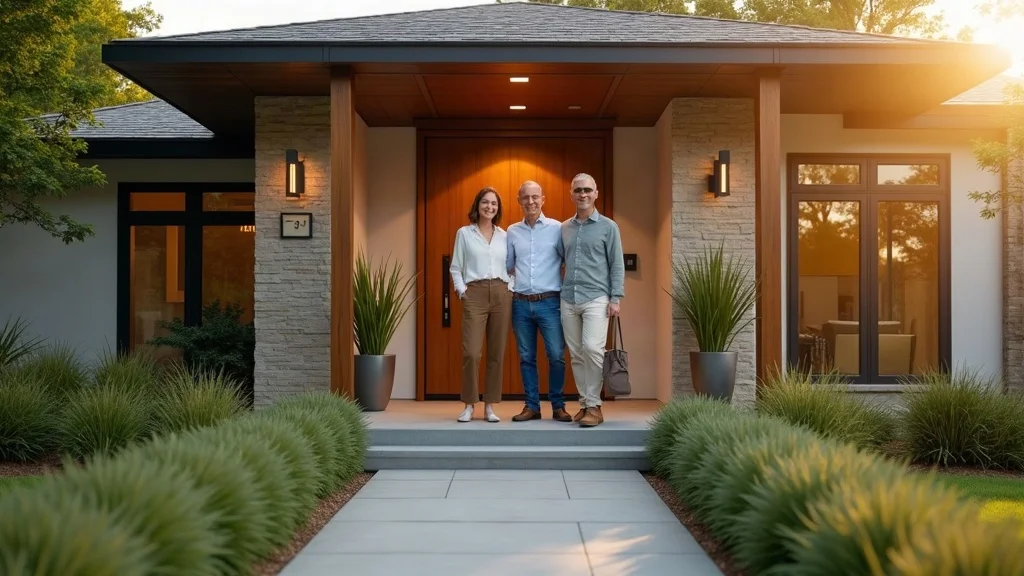
Discovering the Impact of Incorporating Universal Design Features: A Custom Homeowner’s Journey
For many custom luxury homeowners, the desire to create an environment that combines opulence with accessibility has become a key driver in the design process. By incorporating universal design features, you ensure that every corner of your home is welcoming and functional, regardless of a person's age or ability. Unlike traditional accessibility modifications—which often stand out as medical or afterthought solutions—universal design integrates seamless elements that anticipate the needs of all residents and guests from the start. Simply put, universal design is good design: its principles encourage spaces that adapt gracefully as family needs and circumstances change over time.
Clients who partner with HomeSource Custom Homes benefit from a thoughtful, holistic approach. The design and composition of an environment are planned with accessibility at the forefront, from entryways wide enough for wheelchairs and strollers to luxurious bathrooms featuring walk-in showers and adaptive fixtures. This journey proves that accessibility and luxury are not mutually exclusive. Instead, they’re the new standard for homes designed to the greatest extent possible, ensuring usability without sacrificing beauty or elegance. As you'll see, the result of applying a universal design in a custom home leads to lifelong enjoyment and comfort for everyone who walks through the door.
Observing Accessibility in Modern Luxury Homes
Walk into a well-designed luxury home today and you may notice how smoothly the layout accommodates guests of all ages and abilities. Wide corridors, smooth transitions between rooms, and thoughtful lighting choices are more than beautiful—they embody the thoughtful incorporation of universal design. These features, expertly implemented in the residential sector, reflect a growing shift: no longer is accessibility reserved for “special requirements” only. Instead, good design meets the needs of everyone, making hospitality effortless and enhancing resale appeal. For clients seeking both form and function, choosing to prioritize universal design ensures that their homes remain comfortable and inviting for a lifetime.
Incorporating universal design features goes beyond aesthetics; it shapes a home into a sanctuary that's prepared for life's unexpected turns. For instance, simple modifications like lever door handles and step-free entries remove common barriers, allowing the space to flexibly serve children, elderly relatives, or visitors with temporary injuries. These subtle changes, backed by some of the best national and european policies, demonstrate how intentional planning can result in homes that are equally beautiful and functional for all.
What You'll Learn About Incorporating Universal Design Features
Understand the foundations of universal design
Explore the essential features and principles of incorporating universal design features
Learn national and european approaches to incorporating universal design features
Gain knowledge on practical steps for home customization
Get answers to frequently asked questions about universal design
Understanding Universal Design: Foundations for Incorporating Universal Design Features
Defining Universal Design and Its Benefits
Universal design is the thoughtful approach of crafting environments that are inherently accessible to everyone—regardless of age, ability, or status—without singling out any specific need or disability. Instead of adapting spaces after the fact, universal design ensures that from the first step in the design process, the home meets the needs of as many people as possible to the greatest extent feasible. This principle transforms custom luxury homes into welcoming environments not just for the owner, but for family, friends, and guests throughout all stages of life.
The benefits of universal design extend far beyond simple accessibility. For starters, a universally designed home often boasts superior flow, elegant minimalism, and better usability testing results, as features are tested to meet a spectrum of needs. Leveraging insights from both federal agencies and international universal design experts, these homes are built not only to comply with current regulations but to exceed them—future-proofing investment and ensuring ongoing comfort, safety, and appeal. Simply put, universal design is good design, reimagined for inclusivity.
National and European Perspectives on Universal Design
While the United States has made significant progress in developing accessibility standards through federal agencies and the official website for disability resources, European policy and legislation have also driven remarkable advances in universal design. Both regions encourage the inclusion of accessible features in mainstream design, but subtle differences exist. In the U. S. , emphasis is often placed on regulatory compliance, usability testing, and design for content creators, while European policy leans towards social inclusion and the development of systems that meet a broader spectrum of needs.
Comparing national and european approaches highlights that, regardless of the region, universal design is not about creating “special” spaces but about prioritizing the human experience at every level. Today, many luxury custom builders are blending the best approaches from both continents, creating homes that set new standards of accessible comfort and style for the U. S. market.
Exploring the 7 Principles of Universal Design When Incorporating Universal Design Features
“Universal design strives to create environments that are inherently accessible to all, regardless of age, ability, or status.”
The 7 Key Principles: Enabling Accessibility and Usability in Every Custom Home
The backbone of incorporating universal design features lies in the seven foundational principles, each crafted to guide the design and composition of environments that feel as luxurious as they are accessible. Here’s a breakdown of these essentials:
Equitable Use: Designs that are useful and marketable to people with diverse abilities.
Flexibility in Use: Accommodates a wide range of individual preferences and abilities.
Simple and Intuitive Use: Eliminates complexity so that spaces are easy for everyone to navigate.
Perceptible Information: Ensures important information is easy to access, regardless of the user’s experience or sensorial ability.
Tolerance for Error: Minimizes hazards and the adverse consequences of accidental actions.
Low Physical Effort: Spaces are designed for ease, requiring minimal physical force to operate fixtures and doors.
Size and Space for Approach and Use: Ample room ensures comfort for all—whether walking, using mobility aids, or pushing a stroller.
Following these principles from conception enhances the value of a custom home, making it both beautiful and universally usable—delivering what official websites and expert gov websites describe as “good design for content creators and residents alike. ”
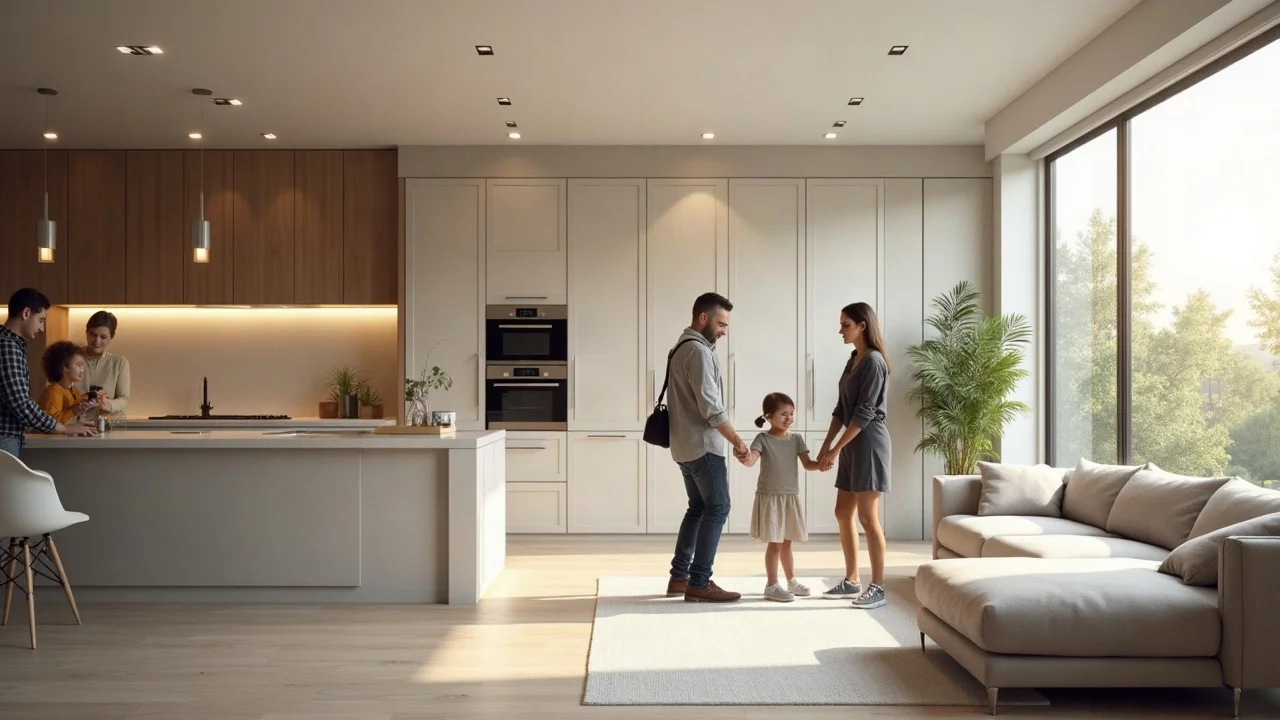
Essential Features of Incorporating Universal Design Features in Residential Construction
Universal Design in Entryways, Kitchens, and Bathrooms
When it comes to incorporating universal design features into the most important spaces of the home, attention to detail is key. An accessible entryway that includes a zero-step threshold is crucial for welcoming all visitors, including elderly guests, young families with strollers, or those with mobility aids. In kitchens, open layouts with lower counters and lever-style handles guarantee function without compromising on luxury. Wide walkways and strategically placed appliances make meal prep and entertaining both enjoyable and inclusive, reflecting core universal design principles.
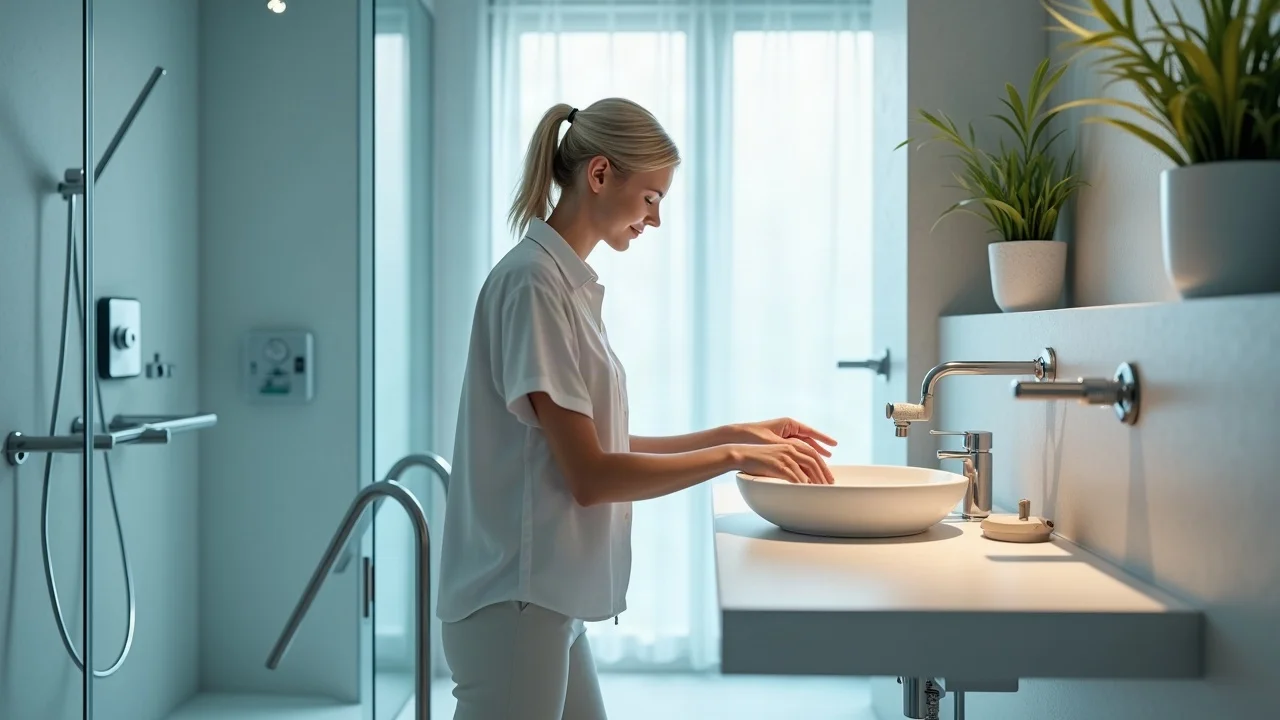
Bathrooms benefit tremendously from features like walk-in showers, grab bars, floating sinks, and adaptive fixtures—each element ensuring both safety and ease of use. These choices allow for easy circulation and provide peace of mind for every resident or guest, meeting the design intent to the greatest extent practicable. Such features go hand-in-hand with elegant finishes, proof that accessible spaces can remain stylish, modern, and luxurious.
Incorporating Technology and Smart Accessibility Solutions
As demand grows for both comfort and convenience, smart technology increasingly plays a vital role in incorporating universal design features. For luxury custom homes, the integration of systems such as automated lighting, smart thermostats, motorized blinds, and voice-activated security solutions ensures that control over the environment remains within everyone’s reach—regardless of dexterity, mobility, or age.
Accessible homes now routinely include advanced features like adjustable-height countertops, sensor-activated faucets, and digital interfaces designed for all users. Such technology furthers the aim of intuitive, effortless living, while remaining hidden or seamlessly integrated into the design. In this way, universal design fosters environments where luxury and usability go hand in hand, making life more enjoyable for all residents and guests.
Step-by-Step: How Incorporating Universal Design Features Enhances the Custom Home Building Process
Design Collaboration: Working With Experts to Incorporate Universal Design Features
The journey to a luxury, universally accessible home begins with meaningful collaboration. HomeSource Custom Homes partners every client with expert designers and architects, all of whom deeply understand how to incorporate universal design features from blueprint to final build. The process begins with a thorough consultation; teams assess client needs, lifestyles, and future considerations—for instance, anticipating multi-generational living or possible mobility changes over time.
Initial consultations
Assessing client needs and lifestyles
Integrating features from plan to build
By including universal design at every phase of the design process, clients see their vision come to life in a way that ensures both current comfort and future flexibility. This strategy results in superior usability testing, compliance with evolving regulations, and enduring satisfaction.
Ensuring Quality and Luxury in Every Detail
High-end custom homes set themselves apart through unwavering attention to detail. HomeSource Custom Homes leverages quality materials, refined craftsmanship, and ongoing communication with clients to guarantee every universal feature—be it a smart lighting system, wide hallway, or elegant grab bar—meets the same standards of luxury as any other element in the home. This holistic approach underscores the reality that universal design is good design for everyone, further enhanced when woven seamlessly into upscale aesthetics.
From the outset, clients are invited to participate in material selections, views of accessible fixture options, and even hands-on walkthroughs with designers. This level of involvement ensures that both functionality and style are never compromised, and the home remains a joy to live in for decades to come.

National and European Standards: Guidelines for Incorporating Universal Design Features
Comparing National and European Approaches to Universal Design
Comparing national and european standards for incorporating universal design features reveals both convergence and subtle divergence. U. S. guidelines, frequently detailed on official websites managed by federal agencies, prioritize compliance through the Americans with Disabilities Act (ADA) and allied building codes. These emphasize accessibility as a baseline for public and residential buildings, establishing robust frameworks for safety and comfort.
European standards, on the other hand, focus strongly on inclusivity, proactively incorporating the voice of people with disabilities, content creators, and international experts. Legislation like the European Accessibility Act and specific guidelines for residential construction ensure environments remain relevant to universal design—often going above and beyond simple compliance to champion environments that foster independence and social participation.
As global approaches evolve, HomeSource Custom Homes draws from both national and european policy best practices. By combining regulatory savvy with a customer-first perspective, they deliver truly world-class homes that set a new bar for accessible luxury in the United States.
Incorporating Universal Design for Learning: Applying the 3 UDL Guidelines
What are the 3 UDL Guidelines?
Universal Design for Learning (UDL), drawn from the principles of universal design, provides a framework for creating instructional environments and home features that support diverse learning preferences. The three UDL guidelines are: Multiple Means of Engagement (motivating and sustaining interest), Multiple Means of Representation (offering content in multiple formats), and Multiple Means of Action and Expression (varied ways for users to interact and communicate). Applying UDL in home design means creating spaces that are stimulating, adaptable, and empowering for learners of every stripe.
By incorporating UDL guidelines in home features—such as adjustable workspaces, variable lighting, and integrated technology—residents and guests can personalize their environments for maximum comfort and optimal learning. This forward-thinking approach makes homes more inclusive and responsive to evolving needs.
How to Incorporate Universal Design for Learning in Home Features
Incorporating Universal Design for Learning within residential spaces is a natural extension of the home customization process. Start by working with designers to identify opportunities for choice and personalization: for example, including adjustable desks in home offices or study nooks, and providing high-contrast, well-lit environments. Next, integrate technology such as screen readers, video displays, or voice-controlled assistants, making it possible for individuals to access information according to their learning preferences.
The final step is to ensure that all home automation systems, controls, and media can be operated in multiple ways—through touch, voice, or mobile app. This attention to flexibility and communication echoes what successful content creators already know: when it comes to great design for content and home environments, one size does not fit all. Embracing UDL ensures every resident feels supported and empowered.
Table: Features for Incorporating Universal Design in Luxury Custom Homes
Feature |
Description |
Universal Principle Incorporated |
|---|---|---|
Zero-step Entryways |
Step-free access for all |
Equitable Use |
Wide Hallways |
Easy navigation for wheelchairs, strollers |
Size & Space for Approach |
Lever-style Handles |
Easy operation |
Low Physical Effort |
Adjustable Lighting |
Customizable comfort |
Flexibility in Use |
People Also Ask: Key Questions About Incorporating Universal Design Features
What are the 3 UDL guidelines?
The three UDL (Universal Design for Learning) guidelines are: 1) Provide Multiple Means of Engagement, which motivates and sustains interest in learning; 2) Provide Multiple Means of Representation, which gives learners various ways to understand information; and 3) Provide Multiple Means of Action and Expression, which allows different methods for students to demonstrate what they know. These guidelines foster inclusivity not just in schools but in home design, supporting every resident’s learning and engagement style.
What are the 7 principles of universal design?
The seven principles of universal design are: Equitable Use, Flexibility in Use, Simple and Intuitive Use, Perceptible Information, Tolerance for Error, Low Physical Effort, and Size and Space for Approach and Use. These principles guide designers and builders in creating environments that are usable by all people, regardless of age, ability, or circumstance.
What are the features of universal design?
Key features of universal design include zero-step entries, wide hallways, lever-style door handles, adaptable lighting, open-plan spaces, anti-slip flooring, and accessible fixtures such as floating vanities and walk-in showers. These features provide comfort, safety, and independence to everyone—ensuring no one is limited by their environment.
How to incorporate Universal Design for Learning?
To incorporate Universal Design for Learning in your home, offer adjustable and flexible learning or workspaces, use technology to present information in multiple formats, and provide a variety of lighting and accessibility tools to support different preferences. Collaboration with designers can help tailor these elements to fit your household’s unique learning and engagement needs.
Walkthrough: Explore a custom home highlighting key universal design features in luxury settings.
FAQs: Incorporating Universal Design Features in Custom Homes
Can universal design features be included in luxury home construction?
Absolutely. Universal design works seamlessly with upscale finishes and amenities, enhancing both comfort and property value in luxury homes.How do universal design features differ from accessibility modifications?
Universal design is embedded from the start, while accessibility modifications are often added later. Universal design aims to meet everyone’s needs without singling anyone out.Are universal design features visible or hidden in custom builds?
Many universal design features are elegantly integrated, so they enhance functionality without calling attention to themselves.Is universal design only for elderly or disabled individuals?
No. Universal design benefits all residents—children, adults, guests—by making spaces safer, more functional, and easier to enjoy.What role do regulations play in incorporating universal design features?
Regulations provide minimum standards, but leading custom builders often exceed them, combining the best of national and european guidelines for accessible luxury.
Key Takeaways on Incorporating Universal Design Features in Custom Luxury Homes
Incorporating universal design features is fundamental to accessible luxury homes
Universal design principles benefit all residents, enhancing comfort, value, and longevity
Custom homes can seamlessly integrate universal design into upscale aesthetics
Ready to Elevate Your Home? Contact HomeSource Custom Homes
Interested in a custom luxury home that combines elegance, comfort, and universal accessibility? Call HomeSource Custom Homes at (636) 296-0100 or email us at info@homesourcecustomhomes. com to begin your journey today.






Write A Comment