
Ever wondered how professional landscapes turn ordinary yards into inspiring outdoor sanctuaries? Landscape design principles are the secret! Whether you’re dreaming of an elegant front yard, an inviting patio space, or a lush backyard retreat, mastering these principles lets you unlock the potential of your entire outdoor area. Let’s discover the secrets that make every well-designed landscape feel magical.
Discover What You'll Learn About Landscape Design Principles
Fundamental landscape design principles every homeowner should know
Key elements of landscape design and their real-world applications
Sustainable landscape design and eco-friendly choices
Expert tips and techniques for effective landscape planning
Practical answers to common questions on landscape design principles
Understanding the Core Landscape Design Principles
To begin building your knowledge of landscape design principles, it’s vital to understand the foundational concepts that landscape architects and garden designers use. These principles—such as balance, unity, proportion, focal points, and repetition—work together to shape outdoor environments that feel both functional and beautiful. Instead of focusing on individual plants or features first, these guiding principles ensure the garden as a whole achieves visual harmony and cohesiveness. When applied correctly, even a modest backyard can look polished and inviting, welcoming both family and guests to linger outside.
Understanding these concepts not only helps you plan aesthetically pleasing spaces but also maximizes the usability of your landscape. For beginners, learning the difference between landscape elements (the physical things you put in a garden) and principles (the “rules” that tie these things together) provides clarity. These principles set the framework that ensures your plantings, hardscapes, and pathways all contribute to a cohesive look rather than feeling random or disconnected. Whether you are planning a fresh garden bed or doing a complete property makeover, start with these time-tested ideas in mind.
Balance, Unity, and Proportion in Landscape Design Principles
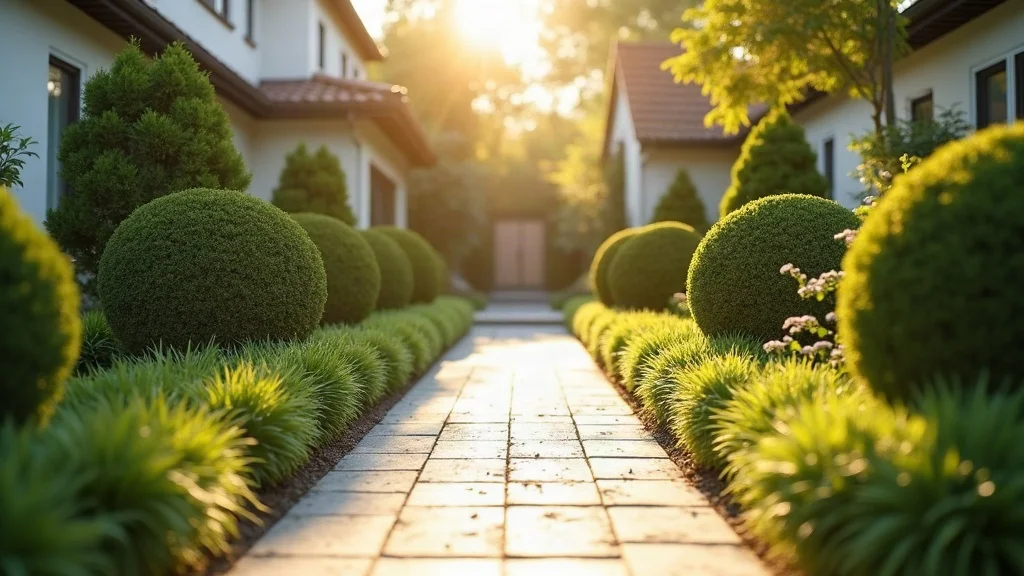
Balance ensures that both sides of your landscape feel equally weighted—this can be achieved with symmetry (mirror-image planting on either side of an entryway) or asymmetry (carefully composed clusters that look balanced despite not being identical). Unity is all about creating a garden where everything feels like it belongs. This may be accomplished by repeating similar plants, colors, or textures throughout, or by maintaining a consistent design theme, tying every part of your garden together. Finally, proportion is the relationship between the size of elements in your yard—making sure that plant heights, bed widths, and feature dimensions all feel right in relation to each other and to your home.
Applying the principles of balance, unity, and proportion helps avoid chaos and clutter, guides the eye gracefully across the property, and makes spaces more comfortable to use. Whether designing a stately entryway or adding beds to a backyard, these landscape design principles pave the way for a pleasing and functional outdoor aesthetic. Over time, applying these concepts will make your landscape appear intentional rather than accidental—a hallmark of excellent design.
The Role of Focal Points and Repetition in Landscape Design Principles
"A successful landscape relies on the seamless integration of design principles and creativity to foster both beauty and function. " - LaBarge Landscape
Focal points act as magnets for the eyes in your garden, drawing visitors toward a special tree, water feature, sculpture, or flowering bed. Effective landscape design principles use focal points strategically to avoid overwhelming the viewer or making the design feel haphazard. By ensuring there is a clear place for the eye to rest, focal points provide a sense of intention and help organize the space. Repetition, on the other hand, uses recurring colors, shapes, or elements to create a cohesive rhythm throughout outdoor spaces, establishing a predictable flow that unites different garden areas.
This approach not only adds visual stability but also ties together areas that might otherwise feel disjointed. Consider how a repeating row of shrubs can subtly connect the front and back of your property, or how clusters of the same annual flowers can punctuate beds along a winding path. Combined, focal points and repetition give your garden structure while ensuring there’s still plenty of room for personal style.
Essential Elements of Landscape Design and How They Work
While landscape design principles provide the framework, the elements of design are the building blocks that bring your vision to life. Think of elements like color, texture, line, form, and scale—each serves as a tool for expressing creativity and achieving desired effects. By understanding how these elements work in harmony with design principles, you unlock the ability to customize every aspect of your garden to reflect your taste, suit your lifestyle needs, and accentuate your home’s architecture.
Skillfully combining elements with principles results in a landscape that’s as functional as it is beautiful. Choosing bold colors in certain areas can draw attention or create excitement, soft textures can lend a sense of calm, and well-placed lines direct movement throughout the yard. Emphasizing these fundamentals allows even the most inexperienced gardener to achieve impressive results.
Color, Texture, and Line: Elevating Outdoor Space with Landscape Design Principles
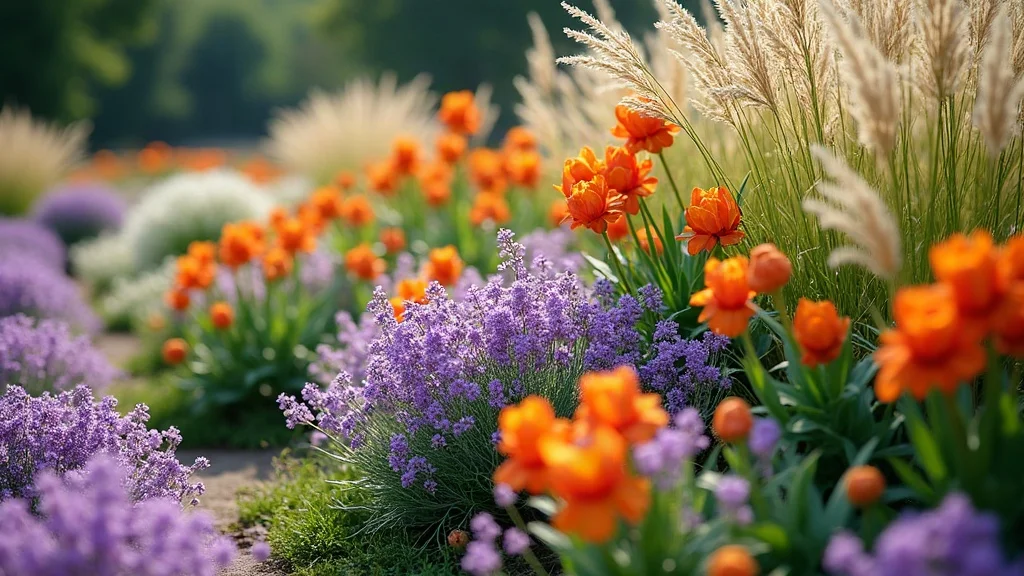
Color can be used to create mood, highlight focal points, or unify garden beds. Warm colors like red, orange, and yellow can energize a space, while cool tones like blue and green encourage tranquility. Texture—the “feel” of plants and materials—ranges from fine and delicate (think ornamental grasses) to coarse and bold (large hosta leaves or stone mulch). When thoughtfully combined, texture brings subtle richness and depth. Lines are the invisible pathways the eye follows—a gently curving walkway, a straight row of shrubs, or an arched trellis. Each guides movement, frames views, and helps structure the whole scene.
In practice, these elements lend landscapes personality and distinction. You might use clusters of feathery grasses to soften hard edges, repeat drifts of colorful perennials to pull the eye through space, or select variegated foliage to add year-round interest. Layering different textures and shapes, while guiding sightlines and movement, is a surefire way to move from average to extraordinary landscape design.
Landscape Architecture Basics for Beginners
When learning about landscape design principles, it helps to familiarize yourself with the basics of landscape architecture. This field isn’t only about plants—it’s about site analysis, grading, drainage, accessibility, and even selecting long-lasting materials. For beginners, landscape architecture starts with observing the property: note sunlight, wind, slope, soil type, and views both to and from the space. Next, define essential goals: maximize privacy, create entertaining areas, or improve curb appeal. By integrating design elements like pathways, patios, and plantings with clear intent, you’ll ensure every part of your landscape serves a function and looks great.
Don’t overlook sustainability and long-term maintenance. Choose native plants that thrive in your climate, opt for permeable paving where possible, and consider how rainwater might flow through your yard. These beginner-friendly techniques rooted in established design principles help avoid common mistakes and produce results you’ll enjoy for years to come.
Element |
Description |
Example in Practice |
|---|---|---|
Color |
The visual impact of plant blooms, foliage, and materials |
Using purple and gold flowers to highlight entrance beds |
Texture |
The tactile and visual “feel” created by plants or materials |
Mixing fine grasses with broad-leafed hostas for contrast |
Line |
Paths or boundaries the eye naturally follows |
Curved stone walkways leading to a patio retreat |
Form |
The shape and structure of plants and hardscapes |
Spherical boxwood shrubs flanking a straight walkway |
Scale |
The size relationship between all elements |
Tall shade trees balanced with small groundcovers |
Garden Design Concepts: Transforming Ideas into Reality
Transforming inspiration into a beautiful yard starts with a few powerful garden design concepts. Whether you’re envisioning a cozy courtyard or a sprawling backyard escape, these concepts—rooted in landscape design principles—are what turn sketches into thriving, lived-in spaces. At the heart of successful design lies careful observation, creative interpretation, and step-by-step implementation.
Before breaking ground, study how light changes throughout the day, observe wind patterns, measure the slope, and pick focal views. Thoughtfully chosen anchors (patios, pergolas, specimen trees) create structure, while flexible borders and accents bring in creativity and fun. The best landscapes are continually adapted as plants grow and family needs change, making initial planning crucial for lasting success.
Top Landscape Design Techniques to Enhance Outdoor Spaces
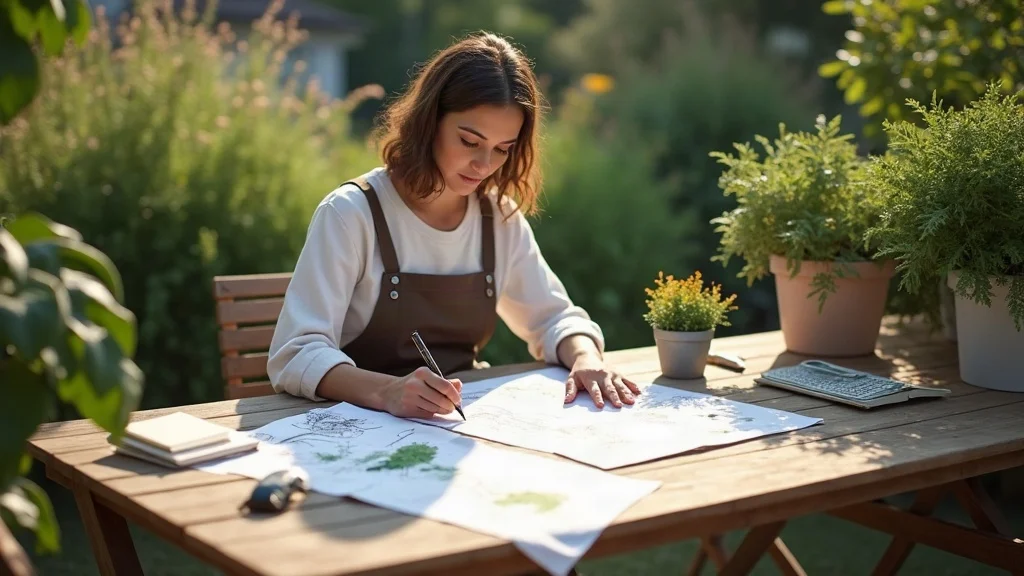
Some of the most effective landscape design techniques center around simplicity, rhythm, and variety. For example, grouping plants in odd numbers often appears more natural and pleasing than even-numbered clusters. Mixing plant heights, foliage colors, and bloom times ensures year-round interest. Adding elevation changes—such as berms or raised beds—introduces subtle drama and draws attention. Decorative hardscape elements like stone walls, walkways, or water features reinforce site lines and frame plantings.
Even small adjustments, such as adjusting the width of pathways or positioning seating areas to capture sunset views, yield dramatic improvements in comfort and aesthetics. By using a mix of repetition and contrast, you’ll highlight your favorite features and make the whole area feel inviting. Remember, your landscape is a living canvas, constantly evolving and offering every homeowner the chance to express their unique vision.
Incorporating Principles of Outdoor Space Planning for Lasting Impact
Site analysis for optimal design outcomes
Integrating hardscape and softscape elements
Creating visual movement and interest
Efficient outdoor space planning uses landscape design principles for appealing and long-lasting results. Begin with a thorough site analysis, noting features worth highlighting, problematic areas, and key views. Think of design as a blend of structured “hardscape” (walks, patios, stonework) and “softscape” (plants, lawns, flower beds)—an ideal garden harmonizes these two elements. Arranging pathways and planting beds to guide people naturally from one space to another enhances both visual interest and usability.
Aim to keep movement through your property intuitive and engaging. This might mean adding a curving walkway through garden beds or using specimen trees as visual anchors along routes. Above all, prioritize functionality alongside aesthetics—thinking about how every area will be used—and ensure there’s always a reason to linger and enjoy the outdoors.
Making Sustainability a Priority in Landscape Design Principles
Modern landscape design principles emphasize sustainability just as much as beauty. Sustainable practices conserve water, reduce maintenance demands, support local wildlife, and minimize chemical inputs. More than a trend, it’s a strategy for creating landscapes you’ll love for years—without harming the planet. Whether your yard is large or small, eco-friendly choices benefit both you and the environment, promoting resilience and long-term enjoyment.
Simple changes—like altering plant selections, conserving resources, or reducing turf—result in significant ecological gains. Environmentally sensitive designs also often prove easier (and cheaper) to maintain in the long run, adding practical value beyond their visual impact. As climate conditions become more unpredictable, prioritizing resilient plantings and smart water use is increasingly important.
Practical Steps for Sustainable Landscape Design
Begin your sustainable journey by learning which native or climate-adapted plants thrive with minimal irrigation and maintenance in your area. Reduce water waste with drip irrigation, rain barrels, or permeable hardscapes that return rainwater to the soil instead of runoff. Composting yard and kitchen waste creates nutrient-rich soil while reducing landfill use. Mulch garden beds to conserve moisture, suppress weeds, and moderate soil temperature.
Consider planting shade trees near your home’s south or west side to lower cooling costs, or install a pollinator garden to benefit bees and butterflies. Even swapping out a portion of the lawn for low-growing groundcovers or drought-tolerant plants makes a substantial difference for both curb appeal and the environment.
Environmental Landscape Design: Eco-friendly Ideas
"Sustainable landscape design not only preserves natural resources but elevates the long-term beauty and usability of your yard. "
Keys to environmentally friendly landscape design include using local materials, minimizing chemical fertilizers and pesticides, and integrating wildlife-supporting plants. Group plantings by water needs (a process called hydrozoning) to further reduce resource waste. Choose permeable pathways like gravel or decomposed granite to lower surface runoff. Install rain gardens in low spots to filter pollutants and recharge groundwater. By embracing these ideas, your yard can become both a backyard refuge and a haven for wildlife—all while keeping maintenance manageable.
Long-term, eco-conscious landscapes prove more resistant to pests, save money, and adapt more easily to the changing seasons. By embedding sustainability into your landscape design principles, you shape a garden that benefits nature and your household alike.
Landscape Aesthetics: Bringing Visual Harmony to Outdoor Spaces
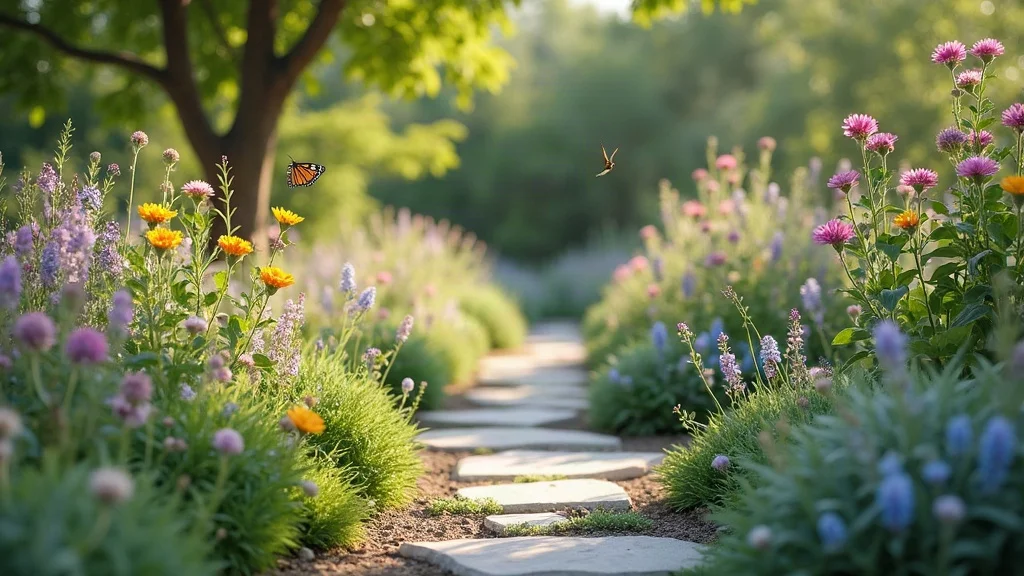
Visual harmony is the mark of great landscape design—each part of the garden should feel intentional and connected, never random or cluttered. Approaching your landscape with aesthetics in mind means not only selecting attractive plants but also focusing on how each part of the landscape interacts with others. Thoughtful color schemes, seamlessly integrated architecture, and careful balance between open and planted areas help every outdoor space appear well-tended and welcoming.
When striving for landscape aesthetics, allow time for your design to evolve. Many successful gardens blend bold areas of color with textural foliage and create inviting transitions between formal and informal plantings. The best landscapes anticipate how light shifts throughout the day, ensuring the garden’s best features shine at sunrise, midday, or dusk.
Principles for Achieving Perfect Landscape Aesthetics
Choosing plants for color and year-round interest
Blending architecture and nature seamlessly
Balancing open spaces with planted areas
To achieve ideal aesthetics, select trees, shrubs, and perennials with staggered bloom times and attractive foliage so your garden offers beauty across all seasons. Accentuate your home’s style—contemporary, cottage, or traditional—by matching plant shapes and arrangements to the building’s lines. Strive for a balance between “negative space” (lawns, patios, or gravel) and “positive space” (flower beds, shrubs, and trees) to prevent overcrowding and let design features stand out.
Remember: visual harmony is a journey, not a destination. Update and edit your garden regularly, swapping out older plants, adjusting borders, or experimenting with new textures to keep your landscape feeling fresh and vibrant.
Expert Landscape Design Tips for Homeowners
Evaluate your site’s strengths and weaknesses
Start with a clear concept and themed design
Plan for growth and maintenance
Incorporate sustainable features
Consult a landscape professional if needed
Great design starts with honest observation. Assess sun, wind, existing plants, and natural elevations before sketching out plans. Identify which views to highlight and which to screen, and create zones for different uses. Maintain flexibility as you choose a design theme—modern, rustic, or native—so you can adapt ideas as your needs change. Always plan for mature plant sizes and future maintenance: overcrowded beds are hard to manage, and you want plants to thrive for years to come. Sustainable features, from low-water plants to permeable pavers, add lasting value. And if you ever feel overwhelmed, even a quick consult with a landscape pro can streamline your process and prevent costly mistakes.
People Also Ask: Answering Common Landscape Design Principles Questions
What are the 7 principles of landscape design?
Answer
The 7 core landscape design principles are balance, unity, proportion, rhythm, emphasis (focal points), sequence, and simplicity. Each principle guides aspects of design—from choosing plants and arranging features, to establishing clear lines, repeating patterns, and keeping layouts uncluttered. Mastering these principles produces outdoor spaces that are both beautiful and practical.
How do landscape design principles differ from landscape elements?
Answer
Principles are the “rules” of good design: the guidelines for creating pleasing, functional, and cohesive spaces. Elements are the building blocks—like color, line, texture, and form—that designers use to express creativity within those guidelines. Successful landscapes integrate both, with elements used purposefully and principles ensuring the whole garden works harmoniously.
How can I incorporate sustainable practices into my landscape design principles?
Answer
To use sustainable practices, start by selecting native or drought-tolerant plants, group them by their water needs, and use mulch or compost to build healthier soils. Integrate permeable paths and patios, capture rainwater, limit chemical pesticides, and provide habitat for pollinators. Sustainability embedded in landscape design principles will boost your garden’s resilience and reduce its environmental impact.
Frequently Asked Questions about Landscape Design Principles
What is the first step in applying landscape design principles?
Are there resources for learning more about landscape design techniques?
How do landscape aesthetics influence property value?
What is the difference between sustainable and traditional landscape design?
Key Takeaways: Applying Landscape Design Principles for Stunning Results
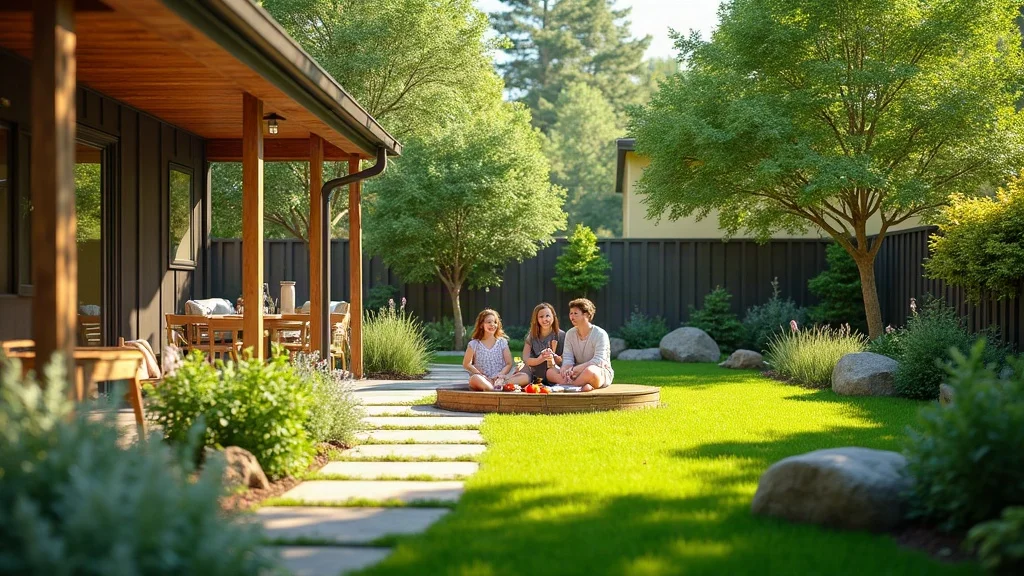
Landscape design principles form the foundation of any successful outdoor project
Understanding and blending elements of landscape design enhances both function and beauty
Sustainable landscape design benefits the environment and your property long-term
Even small changes guided by core principles can have a big impact




Write A Comment