Your guide to modern living—every day.

  • Home
  • Categories
    • Wellness
    • Home and Garden
    • Work and Life
    • Travel
    • People and Style
    • Living Spaces
November 08.2026
1 Minute Read

Transform Your Home with Stunning Landscape Design for Front Yard

Imagine coming home each day and being greeted by a front yard that exudes both beauty and inviting charm. Whether you’re looking for simple front yard enhancements or bold new landscaping ideas, the right landscape design for your front yard can completely transform the look and feel of your home, bolstering curb appeal and providing a refreshing outdoor space that truly stands out in your neighborhood. With LaBarge Landscape, a trusted local and family-operated business, turning your vision into reality is not just possible—it’s our passion.

Envisioning Your Dream Front Yard: The Power of Landscape Design for Front Yard

When you start picturing your ideal front yard, think beyond just a patch of grass or a few shrubs. Landscape design for front yard goes deeper, blending artistry with function, and infusing creative planning at every turn. From layered garden layouts that maximize space and sunlight to the strategic use of river rock or the addition of welcoming pathways, the possibilities are practically endless. The potential for a beautiful front yard lies not just in what you plant, but in how the design brings together color, texture, and hardscape elements to create harmony and lasting visual interest.

At LaBarge Landscape, our expertise ensures that any yard landscaping project takes shape seamlessly, reflecting your personal style and practical needs. We believe every simple front yard landscaping project deserves the care and planning afforded to high-profile installations, whether you dream of a shade garden, want to spruce up the side of the yard with fresh top dressing, or desire a sustainable oasis right in front of the house. Investing in professional landscape design for front yard not only boosts curb appeal but also contributes to your home’s value and your enjoyment for years to come.
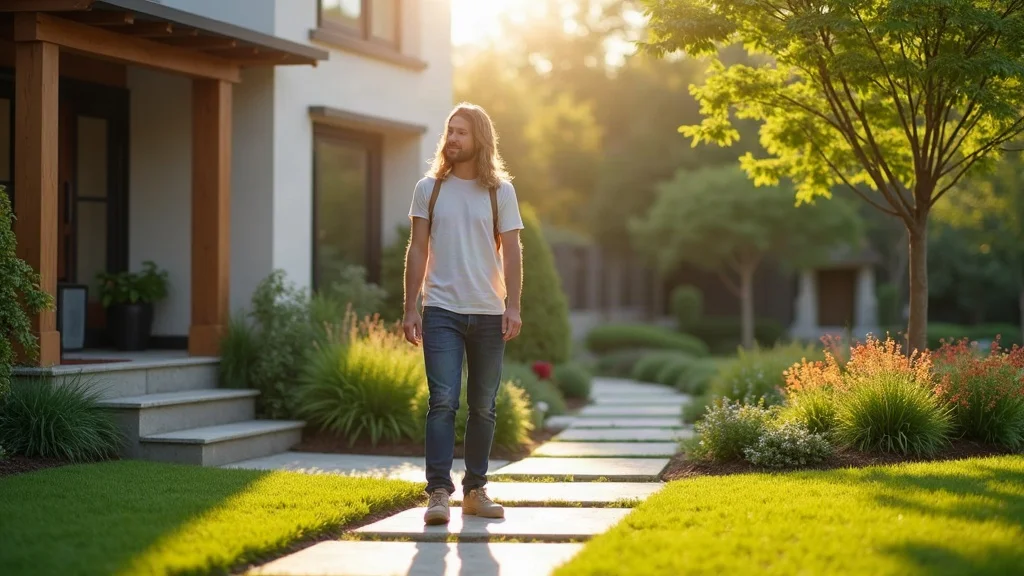
Inviting modern front yard landscape design with lush greenery, cheerful homeowner, stone pathways, vibrant flowers, and manicured lawns, morning sunlight
  • What You'll Learn

  • The fundamentals of landscape design for front yard transformations

  • Inspirational front yard landscaping ideas to boost curb appeal

  • Expert landscape design tips from a trusted, family-operated company

  • How to choose drought tolerant plants, lighting, and hardscape features for low maintenance landscaping

  • Ways to incorporate sustainable landscape design and seasonal planting guides

The LaBarge Landscape Difference: Local Expertise in Front Yard Landscaping

“There’s nothing like taking dirt and turning it into something beautiful. That’s what drives our passion for landscape design for front yards every single day.” — Jack Lantry, Owner

Why Choose a Licensed, Certified, and Family-Operated Landscape Design Company for Your Front Yard

When you select a landscape partner, credentials and values make a difference—not just on paper, but in the quality and durability of your garden design. LaBarge Landscape is fully state-licensed for landscaping, irrigation, and masonry, ensuring every detail—from installing fresh top dressing to building stone walls—is handled with expert precision. Our certified paver and wall installation experts excel in adding structure and flair to your front yard, combining low maintenance front yard landscaping with impressive curb appeal.

With a Better Business Bureau A+ rating and years of satisfying clients across Albuquerque and the surrounding areas, we bring genuine care and community pride to every project. Being bonded, insured, and focused on customer satisfaction, our family-run team treats your home as if it were our own, ensuring every simple front yard upgrade or full garden makeover delivers "bang for your buck. " We listen, guide, and craft solutions uniquely tailored for your home's personality.

  • Key Credentials and Values

  • State-licensed for landscaping, irrigation, and masonry

  • Certified paver and wall installation experts

  • Better Business Bureau A+ rating

  • Bonded, insured, and focused on customer satisfaction

Landscape Design for Front Yard: Ideas and Essential Elements

Bold Front Yard Landscaping Ideas to Enhance Curb Appeal

Elevate your home's first impression with front yard landscaping ideas that balance look and function. The latest trend is incorporating river rock to shape natural walkways and beds, making yard upkeep far simpler. Try a layered garden layout—placing taller plants, such as decorative grasses or larger shrubs, at the back and shorter flowers in the front—using a seasonal planting guide to ensure year-round color. With low maintenance, drought tolerant plants, from native wildflowers to ornamental grasses, you create a self-sustaining design that flourishes even through dry seasons.

Another essential is outdoor lighting design. Lighting along paths, flower beds, or under key trees and large boulders enhances both security and evening ambiance. Adding hardscape features—like stone walkways, retaining walls, or elegant decorative stone—blends visual texture with easy-care solutions. Whether you’re inspired by cottage garden ideas or want clean, modern lines, working with professionals ensures your front yard landscaping is unique, inviting, and practical for daily life.
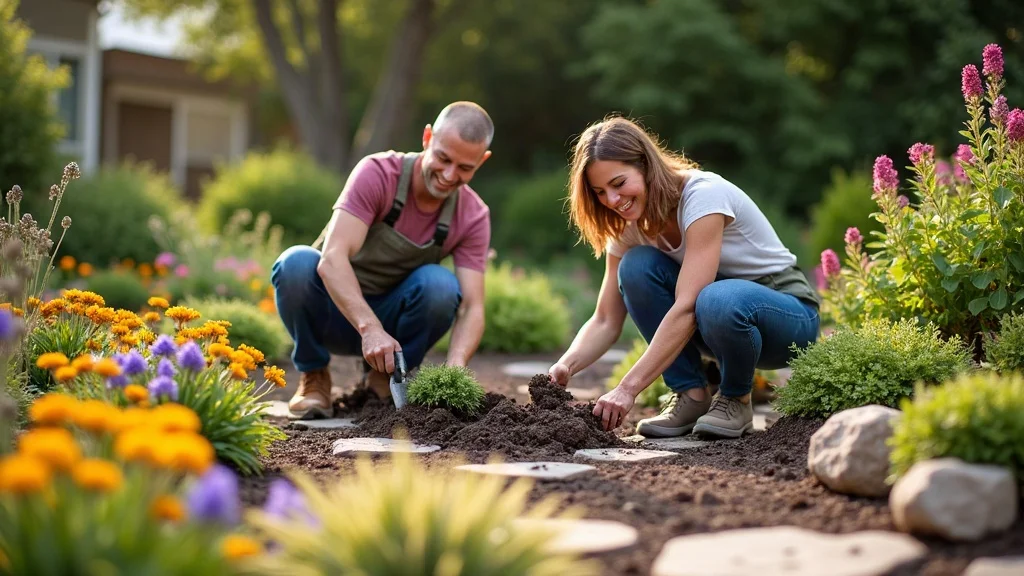
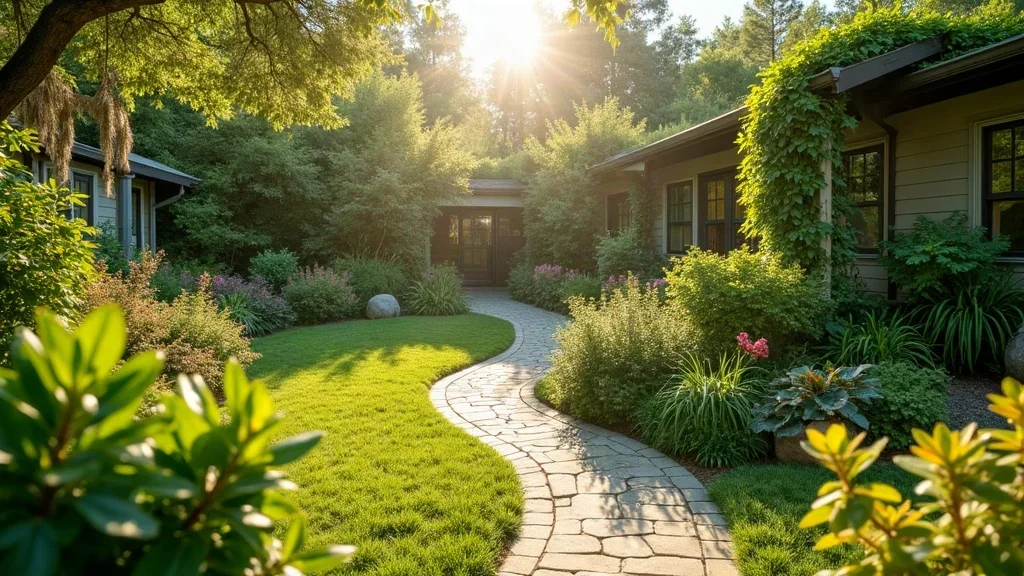
Drought-tolerant front yard garden with river rock, native flowers, couple planting, stone walkway; low maintenance front yard landscaping
  • Popular Trends and Features

  • Incorporating river rock for natural beauty and easy maintenance

  • Layered garden layout planning using seasonal planting guides

  • Low maintenance, drought tolerant plants for sustainable front yard landscaping

  • Outdoor lighting design for both security and ambiance

  • Using hardscape features: walkways, retaining walls, and decorative stone

See Before-and-After: Yard Landscaping Transformations

Simple Front Yard Landscaping Tips for Maximum Impact

Transforming your simple front yard doesn’t mean starting from scratch or spending a fortune. Begin by drafting a clear garden layout plan, visualizing the flow from the driveway to the porch. Define a focal point—this could be a striking tree, a group of decorative rocks, or a vibrant flower bed—to immediately draw eyes. Then, select low maintenance landscaping solutions like mulch beds paired with river rocks, which keep weeds down and moisture in.

Embracing sustainable landscape design not only supports the environment but also lightens your maintenance load. Incorporate native plants that thrive in your climate and require less water, and remember to refresh your garden seasonally for ongoing beauty and resilience. These steps make cheap simple front yard landscaping truly attainable and rewarding, offering you more time to enjoy your outdoor space.

  • Easy Steps for Every Yard

  • Begin with a clear garden layout plan

  • Prioritize curb appeal enhancement with focal points

  • Select low maintenance landscaping solutions

  • Incorporate sustainable landscape design practices

  • Schedule seasonal refreshes for ongoing beauty

Garden Layout Planning: Professional Approaches to Landscape Design for Front Yard
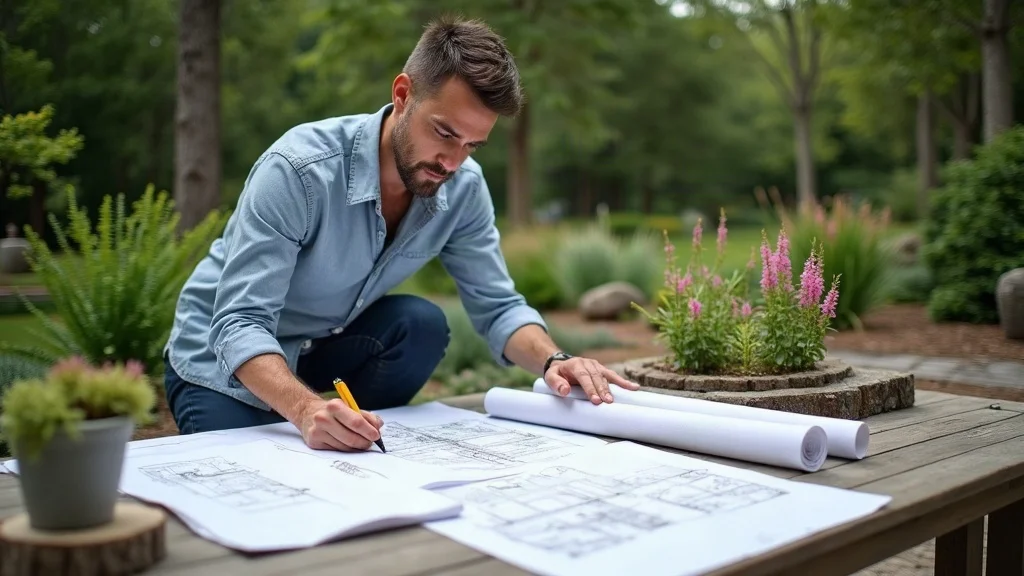
Front yard blueprint, landscape designer reviewing plans with potted plants and garden beds, stone and planting samples for garden layout planning

Comparing Leading Front Yard Landscaping Features

Every great landscape design for front yard starts with thorough planning. Pros assess space, sunlight, and soil to select the right plants—mixing evergreen shrubs with seasonal perennials for year-long interest. Efficient irrigation is integrated into the design for lush results with less water waste, while hardscape features like pathways or dry creek beds add both style and lasting structure to yard landscaping ideas.

Blending visual appeal with “easy to care for” features doesn’t have to be complex. By choosing materials and plants tailored to the local climate and leveraging a professional’s seasonal planting guide, you can enjoy a simple front yard landscaping plan that feels lush and engaging. The secret is working with a team that values both beauty and practicality, guaranteeing your garden looks fresh top to bottom in every season.

Essential Elements of Front Yard Landscaping (Comparison Table)

Feature

Purpose

Best For

Maintenance Level

River Rock

Defines areas; suppresses weeds; adds texture

Low maintenance, modern or natural gardens

Very Low

Mulch Beds

Water retention; improves soil; contrasts plants

All yard sizes; flower and shrub beds

Low

Native Plants

Thrives in local climate; eco-friendly

Low-water, sustainable landscapes

Very Low

Outdoor Lighting

Highlights paths/features; boosts safety

Evening curb appeal, safe walkways

Very Low

Hardscape Features

Walkways, walls, patios; adds value & structure

Modern, elegant, and accessible yards

Very Low

  • Garden Layout Factors

  • Evaluating space, sun, and soil type

  • Integrating hardscape features and efficient irrigation

  • Blending visual interest with low maintenance landscaping

  • Designing for all seasons using a seasonal planting guide
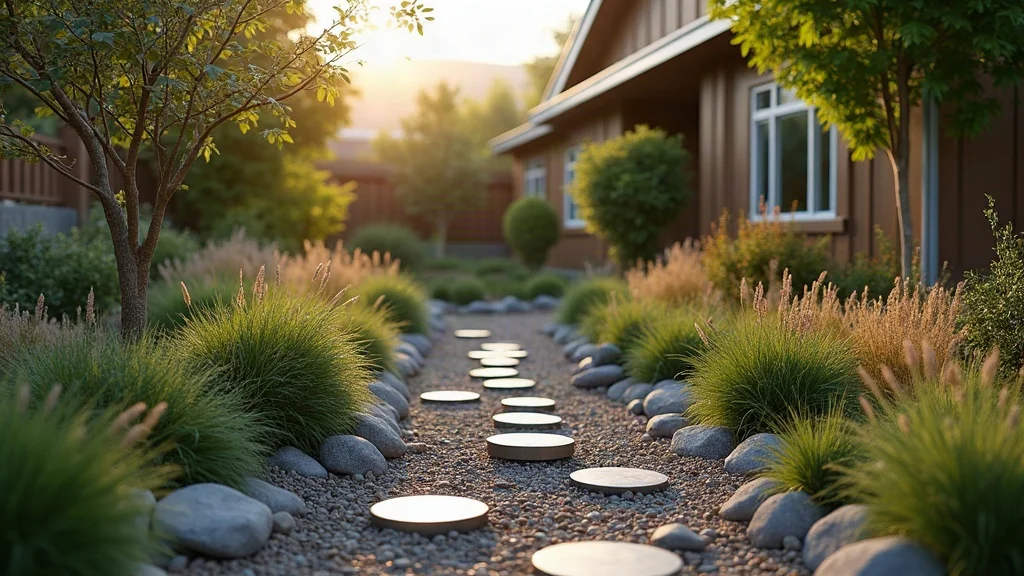
Eco-friendly front yard with native plants, river rocks, ornamental grasses, decorative path lighting; peaceful sustainable landscape design

LaBarge Landscape in Action: Garden Transformation Timelapse

Sustainable Landscape Design for Front Yard: Creating Low Maintenance, Eco-Friendly Spaces

Incorporating Drought Tolerant Plants and Water-Conserving Techniques

Sustainable yard landscaping is more than a trend—it’s a responsible and beautiful approach to front yard landscaping. By selecting drought tolerant plants like lavender, sage, or ornamental grasses, you reduce upkeep and create a habitat that welcomes pollinators. Use mulching and xeriscape techniques (covering soil with rock, mulch, or gravel) to minimize water use while still top dressing garden beds with vibrant, healthy blooms.

Add solar-powered outdoor lighting design and choose hardscape features that require little maintenance but offer lasting beauty, like river rock borders or stone patios. Opting for native species ensures your yard remains robust year-round, thriving with minimal intervention. Sustainability meets elegance when you marry well-planned landscape design for front yard with the practical know-how of a professional team, leaving you with an eco-friendly, stylish garden.

  • Sustainable Landscaping Tips

  • Select drought tolerant plants and native species

  • Utilize mulching and xeriscape for water efficiency

  • Install energy-saving outdoor lighting design

  • Choose hardscape features that reduce long-term maintenance

  • Top 5 Low Maintenance Landscaping Essentials

  • Mulch beds for weed suppression and moisture retention

  • River rock accents for texture and erosion control

  • Native, drought-tolerant perennials

  • Efficient, drip irrigation systems

  • Decorative stone walkways for easy access and style
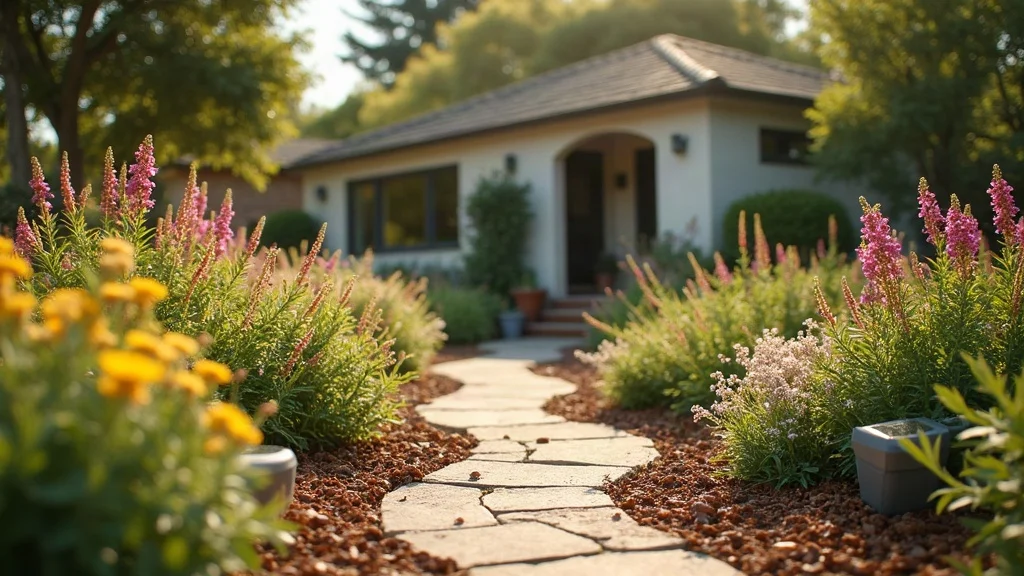
Low maintenance front yard in bloom, drought-resistant plants, rustic mulch, winding path with solar lights, inviting summer garden landscaping

People Also Ask: Front Yard Landscape Design for Front Yard FAQs

What are the best plants for low maintenance landscape design for front yard?

The best low maintenance plants for a front yard include native and drought-tolerant varieties like lavender, ornamental grasses, sedum, yarrow, and sage. These plants thrive in local climates with minimal extra care, require less watering, and resist common pests. Incorporating them into garden areas, especially alongside river rock or mulch beds, ensures your landscape design remains attractive without demanding constant upkeep or attention.

How do I improve curb appeal with landscape design for my front yard?

Boost your curb appeal by creating a focal point such as a small decorative tree or cluster of vibrant perennials in the center or directly in front of the house. Layering plant heights, incorporating hardscape features like stone paths or walls, and accentuating with outdoor lighting can make the front of your home more visually dynamic. Simple front yard updates—such as top dressing with fresh mulch or river rock—offer big returns by freshening up the garden area quickly and affordably.

Are there affordable options for simple front yard landscaping?

Absolutely! Cheap simple front yard landscaping is attainable by using cost-effective materials like mulch, river rock, and native plants—which tend to be less expensive than exotics and require less maintenance. Focus on clean lines, defined borders, and seasonal color through flowers or ornamental grasses. DIY projects and phased approaches also make it easy to gradually upgrade your landscape design without a large initial investment.

What is the importance of sustainable landscaping in front yard designs?

Sustainable landscaping reduces water use, minimizes chemical applications, and fosters local biodiversity, all while keeping your yard fresh and beautiful. Using native, drought-resistant plants and efficient irrigation ensures the front yard landscaping remains healthy with less environmental impact. Sustainable design also typically lowers maintenance needs and long-term costs, making your beautiful front yard both eco-friendly and practical.

Key Takeaways for Landscape Design for Front Yard Success

  • Summary Points

  • Landscape design for front yard combines creativity and local expertise for impressive results

  • Sustainable, low maintenance landscaping is achievable for every homeowner

  • Professional planning and a personal touch ensure long-lasting curb appeal enhancement
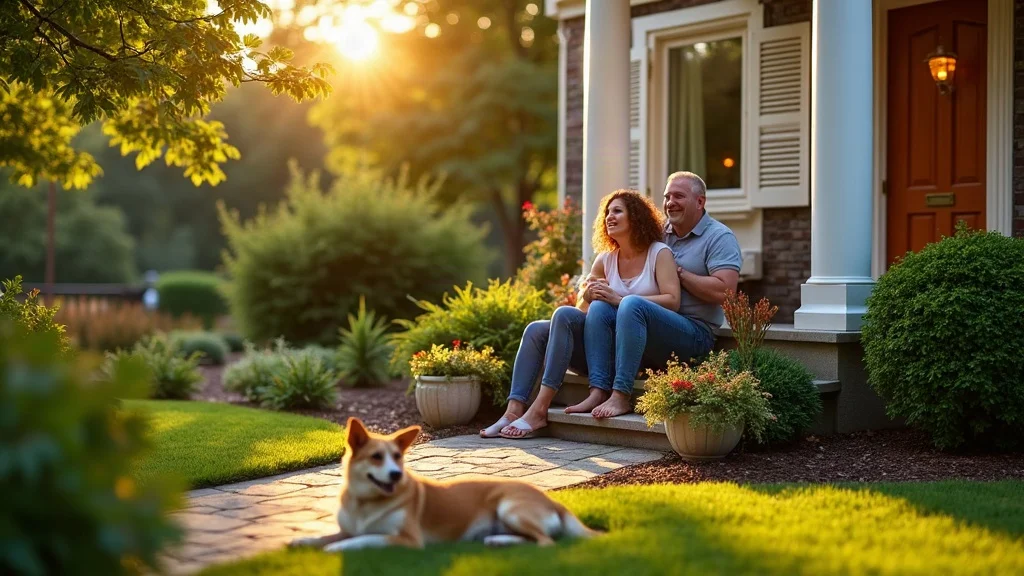
Welcoming front yard after landscaping makeover, happy family, vibrant new garden, pathway lighting, decorative stonework, family dog, warm sunset

Ready to Transform Your Front Yard? Contact LaBarge Landscape Today

Contact us at https://labargelandscape.net/contact-us/ or call us at (505) 345-3000

LIfestyle

0 Comments

Write A Comment

*
*
Please complete the captcha to submit your comment.
Related Posts All Posts
11.05.2026

Transform Your Space with Landscape Design for Small Backyard

Imagine stepping into your backyard as sunlight dances upon emerald leaves, a gentle breeze stirring the fragrance of blooming flowers. Here, even the most modest outdoor space unfolds into a sanctuary – a living poem, crafted with artistry and intention. For anyone longing to create beauty and comfort in a compact yard, landscape design for small backyard spaces brings dreams to life, turning “dirt into something beautiful. ” Every nook can be transformed, every corner made to bloom, through the imaginative touch of an experienced landscape team. This journey is not about size – it’s about soul, skill, and the kind of personal touch only a passionate, family-run business can provide.Reimagining Outdoor Living: The Personal Joys of Landscape Design for Small Backyard SpacesThe urge to wander, to dream of tranquil oases and vibrant retreats, is as old as poetry itself. Yet, the most remarkable transformations often begin within our own modest domains. Landscape design for small backyard areas is a symphony played on a few notes, where each choice is magnified, each decision resonates. The celebrated design process is not just about filling space—it’s about creating the ideal setting where you can unwind, gather, and belong. With over four decades of local and family-driven expertise, we witness daily how small yards become favorite gathering spots for friends, family, and those scrolling through social media, seeking story-worthy vignettes and inspiring media stories.Every simple AI prompt, every pen stroke on a design plan, is an invitation to reimagine what a backyard can be. Whether it’s incorporating trained AI-powered tools or digging into hands-on design education passed down through generations, the process evokes the legacy of Robert Frost—choosing the path less traveled. Through years in this field, we understand that each yard holds unspoken potential, ready to be awakened through thoughtful rational models and the passionate hands of those who “like what they do, and it shows. ” The journey from blank slate to finished retreat is deeply personal and endlessly rewarding.Discovering the Potential: An Observational Approach to Landscape Design for Small BackyardBefore a single stone is set, the heart of transformation lies in observation. We stroll the compact expanse, listening to birdsong and watching sunlight trace its arc, imagining banner designs and modular layouts to match your brand identity or unique aesthetic. It is here, at the crossroads of intention and inspiration, that we discover what’s truly possible. Each garden’s story begins with an intuitive prompt—an idea seeded in conversation and nurtured by experience.The design process flourishes with keen attention: noting soil, microclimates, and everyday rhythms. These simple ai observations blend seamlessly with media cover-worthy proposals and create the bedrock for gardens that feel expansive and harmonious, despite their size. The outcome is a space that is as functional as it is poetic, a testament that you don’t need vast acreage to cultivate sanctuary, inspiration, or an impressive social media cover to be proud of."Taking dirt and turning it into something beautiful" — Jack Lantry, CEO of LaBarge LandscapeWhat You'll Learn: Unlocking Small Backyard Landscaping Ideas and SolutionsHow to maximize the limited space with compact garden designSpace-saving landscape design principles for any small yardUrban backyard landscaping inspirationsBest small garden plants and low maintenance backyard strategiesOptimizing patios, decks, and outdoor living space for small yardsPrivacy solutions and vertical gardening techniquesPersonal Insights: Our Philosophy on Landscape Design for Small BackyardAt LaBarge Landscape, designing small backyards is more than a task—it’s a calling shaped by years of family collaboration and a continual commitment to professional design education. Our philosophy? Every yard, no matter its size or city locale, holds a world of possibility. True transformation arises from pairing old-world wisdom with new design tools, crafting data elements into something real, living, and sustainable. Whether you seek a gathering place, a garden to nourish, or a scene to share on social media stories, our work is fueled by a simple joy: crafting customized spaces where people truly feel at home.The rational model of our approach is grounded in genuine conversation—sitting with you, understanding your aspirations, and translating them into creative solutions. From the first sketch to the last planted perennial, our licensed and certified team is present every step of the way, blending hands-on experience with thoughtful innovation. Landscape design for small backyard means keeping the process collaborative, personal, and always rooted in service. Your vision is our blueprint; your contentment, our top priority.Local Expertise and Design Education: A Legacy Built on Family and PassionFor us, landscaping is a legacy—a family tradition enriched by continual learning, industry certifications, and a love for our New Mexico home. Our design education draws on decades of hands-in-the-earth experience, informed by an understanding of the unique climate, soils, and seasons of the Southwest. We proudly uphold an A+ BBB rating and professional licensing in landscaping, masonry, and irrigation, ensuring your outdoor transformation is not only beautiful but built to last.Collaboration stands at the core of our company culture. We value every voice in the family and on the job site, from playful grandchildren choosing bright zinnias to seasoned designers deploying the professional design tools required for innovative city gardens. This intergenerational spirit—rooted in tradition yet open to ai powered improvements and the evolving tapestry of urban needs—enables us to create spaces that echo the values and joys of each unique household.The Design Process: How We Craft Every Landscape Design for Small BackyardOur distinct design process begins with curiosity and a shared vision. We listen—truly listen—to your hopes, integrating them with our landscape wisdom and design education. The journey kicks off with site analysis, observing microclimates and light, then moves through creative brainstorming, where every layout and plant choice is deliberate. We easily create detailed plans, using a blend of classic sketches and innovative, simple AI prompts as needed, to shape solutions that maximize utility without sacrificing natural beauty.Next, we present a range of design elements, including modular seating, raised beds, and elegant green screens. These elements are chosen not just for social media cover appeal but for their harmony with your lifestyle and the demands of the local climate. Installation is handled by our trained, bonded, and insured crews, with transparent communication from start to finish. The final product is a backyard that honors your vision—and one you’ll be eager to showcase on your next business card, media cover, or as the backdrop for impressive social media stories.Space-Saving Landscape Design: Clever Ways to Make Small Backyards Feel ExpansiveSpace is not an obstacle—it's an opportunity for creativity. Landscape design for small backyard settings is driven by clever spatial arrangements and experienced intuition. By utilizing vertical planes, integrating custom trained ai prompts, and borrowing strategies from urban garden trends, our process reshapes boundaries and invites nature in. Even the tiniest plots can feel boundless when every inch is intentionally curated. The key is balancing open movement with zones of lush privacy, embedded code in the very fabric of your outdoor sanctuary.Through our rational model, we layer textures, patterns, and elevations to forge depth and visual intrigue. Applying the principles that once adorned the grand entries of MGM Grand and local city parks, we treat each mini-plot as an epic in miniature—a place where light, color, and structure are orchestrated for comfort, utility, and the delight of discovery. Whether designing for quiet solitude or vibrant gatherings, each element, from winding paths to artful planters, plays an essential role in making the space feel larger than life.Vertical Gardening Techniques: Adding Height, Color, and PrivacyWhen horizontal ground is scarce, the sky becomes your canvas. Vertical gardening, an increasingly popular arm of landscape design for small backyard projects, layers vibrant blossoms, edible greens, and privacy screens skyward. Solutions like living walls and modular planters turn ordinary fences into show-stopping vertical gardens, offering both aesthetic delight and functional separation. This technique easily creates height, increases planting options, and doubles as an organic privacy curtain—ideal for city living where neighbors are close.Embracing the upward approach can infuse compact gardens with a lush vibrancy that is both unique and sustainable. Thoughtful layouts to match your brand of gardening—be it for pollinators, kitchen harvests, or Instagram-worthy blooms—help you design elements that combine flair and function. Plus, vertical solutions naturally encourage airflow and drainage, minimizing maintenance worries while amplifying your garden’s visual media cover impact. In a digital world hungry for media stories and social media-ready spaces, vertical gardens also make a stunning backdrop for your next post.Patio and Deck Design for Small Spaces: Creating Functional Outdoor Living AreasCozy decks, multi-level patios, and modular furniture redefine what’s possible within limited square footage. By combining function and comfort, a small backyard landscape design can extend your living space outdoors, creating a stage for dining, relaxing, or playful social media stories under twinkling lights. Professional design elements—flexible seating, integrated planters, and compact fire features—allow for versatile use without cluttering the space.Each element is chosen not just for its visual allure but for its durability and compatibility with your lifestyle. Our process leverages design education and a time-tested rational model, ensuring your outdoor living area evolves alongside your family, tastes, and the whims of social media trends. The result is a seamless, sophisticated extension of your home, perfect for evenings with friends or precious solitude—each moment infused with the poetry of thoughtful design choices.Compact Garden Design vs. Traditional Backyard LayoutsFeatureCompact Garden DesignTraditional Backyard LayoutPlant SelectionEmphasis on resilient, space-saving species and vertical gardensBroader selection, often focused on mature trees and large shrubsLayout StrategyMulti-functional zones, creative layering, smart storageDefined zones by use (lawn, garden beds, play, etc.)Privacy SolutionsGreen screens, vertical partitions, living wallsFencing and mature plant buffersMaintenanceLow-maintenance, drought-tolerant, easily manageableVaried – can be high or low depending on size and designSocial SpacePatios/decks, flexible furniture, intimate gathering spotsLarger entertaining areas, sometimes less personalizedChoosing the Right Small Garden Plants for a Low Maintenance BackyardMuch as a poet selects each word, choosing the right plants for your small backyard is a careful, creative act. The ideal species thrive with minimal fuss and maximize visual and ecological rewards. A truly effective landscape design for small backyard calls for a blend of resilient greenery and flowering highlights, tailored to your microclimate and lifestyle needs—whether you want to easily create pollinator havens, edible pockets, or year-round evergreen texture.Drawing on decades of design education and practical site experience, we help you create the ideal blend of hardy perennials, compact shrubs, and vining accent plants. Each plant’s data element—its water use, sun needs, ultimate size—is considered, ensuring your garden stays manageable as it matures. The result is a lush space that looks impressive on every business card and can be maintained as easily as the most straightforward AI powered prompt.Selecting Resilient Species and Urban-Appropriate GreeneryIn our Southwest climate, success often hinges on choosing drought-resistant, pest-tolerant species that punch above their weight in both beauty and function. We recommend plants celebrated in local media stories for their toughness and allure, drawing on simple ai prompts to match your sunlight, soil, and seasonal variation. Our extensive library provides options for every palette—succulents, native grasses, compact evergreens, and flowering perennials that return reliably each year.We work closely with each client to tailor the plant palette, transforming a simple backyard into a lush, low maintenance retreat. This careful curation ensures color in every season, fragrance to spark memory and conversation, and habitat for pollinators and birds—all while keeping upkeep minimal. Your garden becomes a dynamic, self-sustaining work of art suitable for daily enjoyment and media cover attention alike.Lists: Top 5 Small Garden Plants That Thrive in Urban Backyard LandscapingLavender – Fragrant, compact, and drought-tolerant.Boxwood – Evergreen structure for privacy and year-round color.Salvia – Vibrant blooms and outstanding pollinator appeal.Japanese Maple – Compact tree with dramatic foliage for visual focus.Thyme (creeping) – Hardy, aromatic groundcover ideal for pathways and borders.Outdoor Living Space in a Small Yard: Maximizing Comfort and FunctionalityThe art of landscape design for small backyard spaces lies not in squeezing things in, but in sculpting an environment where comfort reigns and every design element serves a purpose. Modern outdoor living areas interweave soft furniture, adjustable lighting, and multi-use surfaces, creating an attractive backdrop for impressive social media and day-to-day living. Our process begins by understanding your routines and rituals, then weaving a landscape that layers beauty and convenience in equal measure.From sunken seating nooks to streamlined dining zones, our designs foster connection while remaining practical and adaptable—reflecting insights found in data elements and design education. Features such as in-ground lighting, weatherproof cushions, and subtle privacy screens ensure that your small space can easily transition from cozy reading corner to lively party venue, as radiant in photos as in real life.Incorporating Features: Lighting, Seating, and Social Media-Ready SpacesLighting is the poetic punctuation of every evening gathering, casting shadows and highlights that define zones and set the mood. We incorporate festoon and lantern lights, transforming your yard into an enchanting retreat—fit for social media stories or private reflection. Flexible seating options, such as benches that double as storage, and low-slung dining tables invite both celebration and solitude, while lush backdrops ensure that every angle is Instagram-worthy.Our designs prioritize function: weather-resistant furnishings, integrated charging ports for easy social media sharing, and durable textiles suited to the local climate. In each compact space, we easily create a sense of luxury and possibility, inspired by both time-honored traditions and innovative simple ai prompts. Your outdoor living area will not only reflect your personality but offer a stage for making memories, portraying every joyous moment with professional design polish.Small Backyard Privacy Solutions: Fencing, Green Screens, and Creative PartitionsPrivacy is the unsung hero of comfortable outdoor living—especially in small urban backyards where the world feels close. Our rational models for privacy blend practical fences, lush green screens, and vertical partitions to shield your retreat from view. The result is a private garden nook where you can unwind, share media stories, or simply escape the outside world, surrounded by living walls or artisanal wooden fencing.Modern design tools allow us to create the ideal privacy solution with minimal visual bulk, maximizing both beauty and function. Whether you prefer bamboo, evergreen hedges, or custom-trained vines, each partition doubles as a habitat for wildlife and a stunning backdrop for social media cover shots. These thoughtful solutions prove that even the simplest backyard can become a sanctuary when privacy is integral to the design.Rational Models for Privacy in Compact BackyardsUsing our rational model for assessment, we determine where privacy is most needed—be it from neighbors or simply to carve out intimacy within your own space. We employ living green walls, decorative screens, and eco-friendly fencing, leveraging both local expertise and the latest in design elements. Our approach ensures you easily create privacy screens that are as functional as they are artful.We listen to your privacy concerns and lifestyle needs, suggesting creative partitions that unite nature and craftsmanship. In every project, the right blend of green screens, fencing, and structural partitions builds a cocoon of comfort, offering you a tranquil sanctuary and a stunning media cover for every season.People Also Ask: Answers to Popular Questions on Landscape Design for Small BackyardWhat are some cost-effective ways to landscape a small backyard?Cost-effective landscape design for small backyard spaces focuses on prioritizing essential features and simple, durable materials. Utilize native or drought-tolerant plants for low maintenance, install mulch or gravel as affordable ground cover, and create borders or beds with recycled pavers or timber. Strategic placement of mirrors or vertical planters increases the sense of space. DIY touches and phased improvements allow you to build your oasis over time, ensuring each step is meaningful and within budget.How can I make my small backyard look and feel bigger?To visually enlarge a small backyard, use design elements like layered planting, diagonal or curving pathways, and mirrors to reflect light and depth. Maintain an open central space, opt for lighter color palettes, and incorporate vertical gardening to draw the eye upwards. Choose multi-functional furniture and keep clutter to a minimum. Soft lighting and uniform groundcover tie everything together, producing a seamless, expansive feel reminiscent of professional social media stories.Is professional landscape design worth it for tiny yards?Absolutely—engaging a professional for landscape design for small backyard projects means every square foot is optimized. You benefit from expert design education, tried-and-true rational models, and innovative data elements that blend beauty and function. Even in tight urban yards, pros introduce creative solutions for privacy, comfort, and enduring style, increasing both your property value and year-round enjoyment. Their work is often showcased in media covers and becomes a source of pride for years to come.FAQs: Expert Answers on Landscape Design for Small BackyardWhat are the best low maintenance plants for small backyards?Hardy perennials like lavender, salvia, creeping thyme, dwarf boxwood, and succulents. These thrive with minimal care and deliver color and texture year-round.How can I create a sense of privacy in an urban backyard?Use green screens, vertical gardens, strategic fencing, and layered plantings to block unwanted views while adding beauty and habitat.What design techniques make a small backyard look bigger?Layered planting, light-reflective surfaces, curved paths, and an open central area all make a compact yard feel more spacious.Are vertical gardens suitable for all climates?Most climates can accommodate vertical gardens with the right selection of plants and irrigation methods. Adapt species choice for local sun, temperature, and humidity.How do I choose the right landscaping company for my small backyard project?Look for licensed, insured, and well-reviewed companies with strong local experience, a clear design process, and willingness to incorporate your ideas from the start.Key Takeaways: The Impact of Thoughtful Landscape Design for Small Backyard SpacesEvery small backyard holds unique potential with the right design planProfessional guidance can turn compact spaces into lush, inviting retreatsBlend personal style with space-saving and low maintenance solutions for sustainable enjoyment"We like what we do, and it shows in our work and our customer service." — LaBarge Landscape TeamReady to Transform Your Small Backyard? Contact LaBarge LandscapeThe poetry of transformation awaits—contact us at LaBarge Landscape or call (505) 345-3000 to begin your journey toward a breathtaking backyard retreat that echoes your style and celebrates your story.

10.30.2026

How to Choose Premium Window Materials Without Regrets

Looking to transform your home’s comfort, curb appeal, and value? The materials you choose for your windows can make all the difference between lasting satisfaction and costly regret. As remodeling experts at Banner Construction, they understand how choosing the right window materials sets the tone for a beautiful, efficient, and worry-free home. This guide will walk you step-by-step through every factor—from luxury trends to practical tips—that matter most for upper-income homeowners committed to making smart, long-term investments.What You’ll Learn: Navigating How to Choose Premium Window MaterialsUnderstand the essential factors in selecting premium window materialsGet acquainted with the latest trends in luxury window upgradesDiscover insider tips from Banner Construction’s decades of experienceLearn how to balance aesthetics, performance, and durability in your selectionWhy Prioritizing Premium Window Materials Matters“After working with homeowners since 1993, we’ve seen how the right window material dramatically impacts comfort, efficiency, and curb appeal.” — Banner ConstructionChoosing premium window materials is about more than just looks—it’s a strategic investment. Quality windows directly influence everything from indoor comfort and noise reduction to energy bills and maintenance chores. Banner Construction has helped countless homeowners avoid costly mistakes by carefully matching materials to their lifestyles and the unique demands of their homes.When you invest in high-grade materials, you set the foundation for decades of satisfaction. Premium windows are expertly crafted to stand up to harsh weather, prevent unwanted drafts, and retain their beauty with minimal upkeep. Even more, they enhance your home’s market value—a major bonus should you ever decide to sell. Whether your project is a new build or an upscale renovation, selecting the right materials now can mean a smoother, safer, and more rewarding homeownership journey for years to come.Long-term return on investmentImproved energy efficiencyEnhanced home value and appealReduced maintenanceKey Types of Premium Window MaterialsWood Windows: Classic Elegance and WarmthFew materials rival the rich character and depth that wood windows bring to a luxury home. Wood is celebrated among discerning homeowners for its unique grain, natural insulation, and the sense of timelessness it imparts. When cared for properly, wooden frames can last for generations. Their adaptability means you can choose from a range of stains or painted finishes that harmonize with your home’s architecture, from traditional to contemporary styles.However, wood does require periodic maintenance such as refinishing to prevent weathering or rot. Today’s best designs often feature advanced factory-applied coatings to extend their life and maintain their initial beauty. If you love authentic warmth and want windows that elevate both the look and feel of your living spaces, premium wood should be on your shortlist.Fiberglass Windows: Exceptional Longevity and StabilityFor homeowners focused on long-lasting performance and peace of mind, fiberglass windows have become an industry favorite. Built to withstand temperature extremes, moisture, and UV rays, fiberglass frames resist warping, swelling, and corrosion—making them a smart investment in nearly any climate. Their strength allows for slim profiles that maximize glass area and natural light.Another key advantage is their low-maintenance nature: fiberglass doesn’t require frequent painting or special treatments, and most frames are available in a range of finishes to match both classic and modern decors. If you want a blend of resilience, versatility, and contemporary aesthetics—with a proven energy performance edge—fiberglass checks every box.Aluminum Clad Windows: Modern Appeal with StrengthAluminum clad windows bring a sleek, architectural look to any upscale home. These windows cleverly combine real wood interiors for beauty and warmth, while exterior aluminum cladding protects against rain, wind, and sunlight. The result? You get the insulating properties of wood indoors, with a low-maintenance, weather-resistant surface on the outside.Their crisp lines and slender frames make aluminum clad an architect’s go-to for modern designs, city views, and open concept spaces. Plus, powder-coated finishes ensure the color remains consistent and vibrant over many years. If you love strong structure with a minimalist edge—and wish to avoid frequent exterior upkeep—aluminum clad may be ideal.Composite and High-Performance Vinyl OptionsComposite windows and high-quality vinyl have reshaped what’s possible in terms of both style and substance. Today’s top-tier composites often blend wood fibers, resins, and polymers for exceptional durability, moisture resistance, and insulation—at a competitive price. Premium vinyl options now offer sturdy frames, enhanced sealing, and finishes that stand up to harsh weather without chalking, fading, or yellowing.These materials are especially attractive for homeowners who want design flexibility, competitive performance, and less stress about regular maintenance. While they’re sometimes seen as “budget luxury” selections, the top brands deliver results that rival much pricier alternatives, making them a practical path to luxury upgrades without compromise.Critical Considerations: How to Choose Premium Window Materials for Your HomeArchitectural style compatibilityClimate and energy efficiency requirementsSound reduction benefitsMaintenance preferencesAesthetics and interior design goalsWhen deciding how to choose premium window materials, start by evaluating your home’s architecture. Residence styles like Tudor, Colonial, and Craftsman shine with real wood or wood-look composites, while modern spaces may call for aluminum clad or fiberglass’s streamlined profiles. Next, consider your region’s climate. Extreme summers, icy winters, or high humidity demand materials with excellent insulation and resilience, such as fiberglass or advanced composites.Noise reduction is also crucial—especially if your home is near busy roads or urban hubs. Premium materials excel at keeping outside noise at bay! Finally, weigh your desire for maintenance-free living. If you’re not keen on repainting or refinishing, focus on options with protective finishes, cladding, or composite construction. By keeping style, climate, comfort, and upkeep in mind, you’ll make a choice that feels custom-tailored—no regrets down the line.Table: Comparing Premium Window MaterialsFeatureWoodFiberglassAluminum CladCompositeDurabilityExcellentOutstandingExcellentVery GoodAestheticsNaturalVersatileSleekModern/traditionalEnergy EfficiencyHighHighModerateHighMaintenanceModerateLowLowLowBest ForHistoric homesAll climatesModern homesBudget luxeExpert Tips on How to Choose Premium Window Materials Without CompromisePrioritize energy efficiency certifications (e.g., ENERGY STAR®)Request samples and professional consultationsAssess warranty strength and installer reputationEvaluate long-term performance, not just initial appearanceTo ensure you never second-guess your window decisions, take a methodical approach. Ask to see and touch samples of your options in person—light, finish, and texture are all best appreciated up close. Don’t be shy about requesting professional advice from companies like Banner Construction, who know the local climate and luxury market intimately.Always check for recognized energy ratings and study warranties closely—longer, more comprehensive coverage often reflects superior product confidence. Lastly, remember that windows are a daily part of your home life; factor in how they’ll perform for decades, not just their initial wow factor, so your living spaces (and investment) only improve with time.People Also Ask: Answers on How to Choose Premium Window MaterialsWhat is the best window material for luxury homes?For luxury homes, materials like wood and fiberglass often take the lead. Wood’s visual warmth and design flexibility remain beloved for traditional architecture and high-end aesthetics, while fiberglass is the go-to for cutting-edge looks and superior durability. Both combine artistry and performance that discerning homeowners expect in a premium property.How do premium window materials improve energy efficiency?Premium window materials feature advanced weatherstripping, multi-pane glass, and insulated frames that work together to minimize heat loss in winter and retain cool air in summer. Fiberglass and quality vinyl systems limit air infiltration, reducing drafts and hot spots to keep your home consistently comfortable while saving on energy bills long term.Are premium window materials worth the investment?Although premium windows may cost more upfront, their advantages—reduced maintenance, improved insulation, and enhanced resale value—often pay off in the long run. High-quality materials offer lasting beauty, stand strong against the elements, and perform better for years, making them a cost-effective choice for homeowners who value peace of mind.Can window materials affect the resale value of my home?Absolutely. When buyers see quality materials—especially ones that boost curb appeal or offer excellent energy performance—it creates a memorable impression and can distinguish your home in a competitive market. Premium windows don’t just look great; they signal to buyers that your entire home is cared for and built to last.Answers to Trending Questions on How to Choose Premium Window MaterialsThe best window materials for luxury homes often blend performance, aesthetics, and durability—wood and fiberglass are top contenders.Premium window materials typically have advanced insulation and sealing technologies, improving energy efficiency.While the upfront costs for premium materials can be higher, the long-term savings and enhanced comfort often deliver strong value.Yes, high-end window materials can boost both curb appeal and perceived value for discerning buyers.FAQs on How to Choose Premium Window MaterialsHow do different climates affect window material choice?Climate has a big impact—humid or rainy areas favor moisture-resistant fiberglass or composites, while intense sun may lead you to choose finishes that resist fading. Wood works well in dry climates but needs extra care in wet or humid places.Do premium window materials offer better warranties?Yes, leading brands of premium window materials often back their products with stronger, longer warranties. This reflects the superior craftsmanship and confidence in high-quality materials.Which window material is lowest maintenance?Fiberglass, aluminum clad, and top-tier composites are the lowest maintenance, requiring little more than routine cleaning—no frequent painting or refinishing needed.Should I replace all my windows at once?While it’s not required, replacing all windows at once yields the biggest boost in energy efficiency and overall look. If your budget allows, a comprehensive upgrade creates maximum impact and convenience.Key Takeaways: How to Approach Premium Window Material SelectionBalance style with performance needs for the perfect fit.Consult with seasoned professionals, like Banner Construction, for custom advice.View samples in your actual home to visualize impact.Investing in quality materials brings peace of mind—and lasting satisfaction.Ready to Elevate Your Home? Make the Right Window Choice TodayContact Banner Construction at https://bannerconstruction.com/contact-banner-construction-st-louis/ to schedule a detailed, no-pressure premium window consultation or call them at (314) 648-2368.

10.27.2026

Unlock the Magic of landscape design color theory basics

Imagine stepping into your backyard and immediately feeling a sense of peace, excitement, or inspiration—all thanks to carefully chosen colors. Landscape design color theory basics allow you to create outdoor spaces that delight the senses and reflect your personal style. Whether you're designing a new garden bed or revamping an entire yard, understanding how colors interact can make all the difference between an ordinary landscape and a living masterpiece.Begin Your Journey: Why Landscape Design Color Theory Basics MatterThe world around us bursts with color. In landscape design, intentionally choosing and combining hues is more than just a finishing touch—it's a fundamental tool for shaping mood, structure, and experience. Landscape design color theory basics give you the ability to control how your outdoor space feels: calming to strong, expansive or cozy, sophisticated or playful. Color not only beautifies but also highlights focal points, guides movement, and defines areas in your home landscape. By applying the principles behind color harmony and composition, you can make each individual plant, flower, and feature work together for a cohesive impact—no matter if you're a seasoned gardener or a first-time homeowner drawn to the world of garden color schemes.Understanding these basics streamlines decisions, simplifies plant selection and even helps when working alongside a certified landscape professional. At LaBarge Landscape and Grounds Care, Inc. , our 40 years of experience show that using the color wheel, planned color arrangements, and expert advice leads to gardens that truly stand out. The journey begins with knowing why these concepts matter—and how they can transform your basic sense of your outdoor world into something undeniably complex and beautiful.What You'll Learn About Landscape Design Color Theory BasicsFoundational concepts of landscape design color theory basicsHow color impacts mood, perception, and aesthetics in your outdoor spacesApplication of color schemes and principles to achieve harmonious landscape designsInsights from certified landscape professionalsUnderstanding the Fundamental Principles of Landscape Design Color Theory BasicsDelving into landscape design color theory basics starts with embracing the foundational elements that shape every successful garden. At its core, color theory draws on the same classic tenets used in interior design, painting, and graphic arts, but filtered through the unique canvas of living plants, shifting light, and organic forms. By learning how to leverage tools like the color wheel and the rules that dictate color harmony, you can transform your yard into a cohesive, visually stunning space.Whether browsing plant recommendations or exploring our blog for design inspiration, it's crucial to know the key ideas behind creating color context and balanced landscapes. The journey from root to radiant bloom is guided by understanding of hue, value, intensity, and temperature. These principles not only help you select the right plants, but also make each element in your outdoor design resonate with purpose and unity. From the foundational building blocks, every beautiful, effective landscape takes its first step.Primary Concepts: Color Wheel, Hue, Value, and Intensity in Landscape Design Color Theory BasicsThe importance of the color wheelHue, value, and intensity defined for landscape projectsIntegrating color theory into the initial landscape planningThe color wheel is every scheme designer's first tool. It showcases relationships between primary colors—red, blue, and yellow—and blends them into secondary and tertiary hues. In landscape design color theory basics, this tool organizes choices from foliage of Cotinus to bright annual flowers. Understanding hue (the basic color), value (lightness or darkness), and intensity (strength or dullness) empowers you to choose vibrant focal points or subtle backdrop plantings.When planning, look at the big picture: use a calculator from an online plant finder, sketch your ideas, and consider sun exposure and bloom times. Harmonizing colors isn’t just about picking what pleases your eye; it's about creating context, balance, and a visual story throughout the seasons. When you break these elements down, the process becomes less of a difficult thing and more of an inspiring journey into the world of landscape design.The Role of Warm and Cool Colors in Landscape Design Color Theory BasicsHow warm and cool tones shape perception and moodCreating depth and flow using temperature contrastsColor temperature—a primary sense in color theory—plays a central role in how we experience outdoor spaces. Warm colors like red, orange, and yellow convey a sense of energy, vibrancy, and approachability. They're ideal for areas you want to draw attention to or to make spaces feel more intimate. In contrast, cool colors such as blue, green, and violet typically convey relaxation, depth, and openness. They create a calming environment and can make smaller gardens feel more expansive and peaceful.Applying warm and cool tones purposefully can create flow and maintain visual interest throughout your home landscape. For instance, grouping cool blues and greens along the edges of a yard allows spaces to recede, while strategic pops of yellow or red can highlight seating areas or garden gateways. This interplay between temperature zones is what brings your design to life and connects the psychology of color context to the physical experience of being in your garden."Color is the backbone of landscape design—it can transform a simple yard into a living work of art." — Jack Lantry, LaBarge LandscapeApplying Landscape Design Color Theory Basics: Rules and TechniquesOnce you've absorbed the fundamentals, applying landscape design color theory basics is where the true artistry—and the fun—begins. Proven rules such as the 60-30-10 and 3-5-7 guidelines act as easy frameworks, helping to create color harmony and ensure your garden feels well-balanced and beautiful. Understanding color schemes, from monochromatic to triadic, puts more control into your hands as you design and refresh your outdoor living spaces.Applying the 60-30-10 Rule in Landscape Design Color Theory BasicsDefining the 60-30-10 rule for landscape color balanceTips for practical implementation in residential or commercial landscapesThe beloved 60-30-10 rule helps make even the most complex color harmony feel manageable. This rule divides your color palette into: 60% dominant color (often green for foliage), 30% secondary color (perhaps vibrant purples or blues), and 10% accent color (eye-catching pops like bright yellows or reds). This distribution ensures your landscape is visually coherent, keeps any single color from overwhelming, and brings a planned color unity to plant groupings. It’s a formula that designers use from home page inspiration to large estate gardens—and it works for both lush residential gardens and commercial sites alike.Practical tips for applying the 60-30-10 rule: Start by selecting a dominant background color, use secondary hues for larger planting beds or main features, and reserve your boldest tones for seasonal blooms or design accents. This approach not only keeps the overall look inviting, but also allows each individual element to shine without losing cohesion. The result? A landscape that feels intentional, inviting, and visually rewarding.The 3-5-7 Rule in Landscaping for Balanced Color and DesignExplaining the 3-5-7 rule and its effect on visual rhythmExamples for plant groupings and feature placementThe 3-5-7 rule is a favorite for achieving natural, organic plant groupings that enhance both color and flow. This principle suggests planting in odd-numbered groups (three, five, or seven) rather than even, creating a rhythm that feels more organic and less contrived. These groupings help establish focal points, guide pathways, and break up monotony. Imagine the difference of side by side beds: one planted with three tall ornamental grasses, the next with five vibrant flowering shrubs, and another with seven low-growing accent perennials.Beyond just plant counts, the 3-5-7 rule reinforces a sense of movement and allows color to create visual harmony throughout your space. Alternating plant shapes, heights, and textures in odd numbers enhances interest and helps each bed feel purposeful. Professional designers use this approach to guide the eye, connect garden “rooms,” and ensure every view in your landscape displays color schemes with intentional elegance.Comprehensive Table: Color Schemes and Their Effects in Landscape Design Color Theory BasicsSchemeEffectMonochromaticCreates a cohesive, calming lookAnalogousProvides gentle harmony and a natural feelComplementaryEnlivens the landscape with dynamic contrastTriadicStrikes a balance between diversity and unityThe 7 Principles of Landscape Design and Their Connection to Color Theory BasicsUnityBalanceProportionTransitionRhythmFocalizationSimplicityApplying each principle with color in mindThe classic seven principles—unity, balance, proportion, transition, rhythm, focalization, and simplicity—underscore every successful landscape, and color is the common thread weaving them together. Unity relies on color harmony, repeating hues to make each bed feel connected to the next. Balance is achieved by distributing strong versus subtle colors, helping the space feel stable and visually appealing. Proportion encourages keeping plant and color sizes in balance with the overall garden scale, so nothing looks out of place. Transition uses gradients of color to create graceful movement from one part of the yard to another, while rhythm arises from patterns—such as rows of blue salvia or alternating variegated greens.Focalization spotlights important features with complimentary color pairs, guiding visitors’ gazes toward doorways, seating nooks, or water features. Finally, simplicity means not overdoing it: thoughtfully choosing a few color schemes and sticking with them, resisting the temptation to include every plant you see at the nursery. Through these principles, color theory basics become the scaffolding for unforgettable gardens."Effective use of color can guide the eye, highlight focal points, and make your landscape feel more cohesive." — LaBarge Landscape TeamFive Essential Landscaping Design Principles: Integrating Landscape Design Color Theory BasicsOrderRepetitionUnityBalanceContrastLeveraging color for each principleMastering the five essential landscaping design principles—order, repetition, unity, balance, and contrast—is simple when you have a good grasp on landscape design color theory basics. Order means organizing plantings and colors to form clear lines or structured beds, while repetition lets color tie one garden area to another with rhythmic use of the same annual or shrub. Unity and balance bring harmony and cohesion, using consistent color palettes or pairing bold blooms with subtle groundcovers. Contrast is created by placing opposite colors or foliage textures together, making both pop and energize the design. Leveraging these principles, every home gardener or professional designer can create context that’s both practical and beautiful, ensuring no page does not exist in your landscape’s visual story.People Also Ask About Landscape Design Color Theory BasicsWhat is the 3-5-7 rule in landscaping?The 3-5-7 rule focuses on planting in odd numbers, creating organic groupings that feel natural and pleasing to the eye. It helps achieve rhythm and flow within the garden bed—core elements linked to landscape design color theory basics.What is the 60-30-10 rule in color theory?This rule divides color use: 60% dominant color, 30% secondary, and 10% accent. In landscape design color theory basics, it ensures visual interest without overwhelming the senses, keeping outdoor spaces harmonious and inviting.What are the 7 principles of landscape design?The seven principles—unity, balance, proportion, transition, rhythm, focalization, simplicity—work alongside landscape design color theory basics to shape both structure and aesthetic appeal.What are the five basic landscaping design principles?The five basics—order, repetition, unity, balance, contrast—help guide color and plant selection using landscape design color theory basics, ensuring every landscape feels intentional and beautifully curated.FAQs: Navigating Common Questions on Landscape Design Color Theory BasicsHow do I choose a color palette for my landscape?Start by considering your existing structures, sunlight, and the mood you want to evoke. Use a color wheel to select either harmonious analogous colors or create dramatic contrast with complementary colors. Reflect on how you’ll use the space and what times of day you’ll be outdoors.What colors are best for small spaces in landscape design color theory basics?Cool colors like blues, purples, and soft greens typically make spaces feel more open and serene, helping small areas appear larger. Using analogous color schemes and limiting bold, warm tones to accents can prevent clutter and keep the space inviting.Can color theory basics be applied to hardscapes and non-plant elements?Absolutely. Paths, patios, fences, and garden art all contribute to your color scheme. Integrate stone, tile, or painted features that complement or contrast your plantings for a unified, planned color effect that extends beyond plants alone.Key Takeaways: Transform Your Space with Landscape Design Color Theory BasicsUnderstanding landscape design color theory basics unlocks creativity and cohesionColor rules such as 3-5-7 and 60-30-10 simplify design decisionsCore principles of landscape design and color theory elevate outdoor spacesConnect with Experts in Landscape Design Color Theory BasicsBring your landscape vision to life—contact LaBarge Landscape at https://labargelandscape.net/contact-us/ or call them at (505) 345-3000.Let our certified, passionate team help you discover the magic of color in your landscape today!

Your guide to modern living—every day.

COMPANY

  • Privacy Policy
  • Terms of Use
  • Advertise
  • Contact Us
  • Menu 5
  • Menu 6

ABOUT US

Daily Lifestyle News explores the people, trends, and experiences that shape modern living. From home and style inspiration to travel tips and trusted product picks, it’s your go-to source for everyday life. Ideal for local voices and businesses in wellness, personal services, and home improvement.

© 2026 CompanyName All Rights Reserved. Address . Contact Us . Terms of Service . Privacy Policy

Terms of Service

Privacy Policy

Core Modal Title

Sorry, no results found

You Might Find These Articles Interesting

T
Please Check Your Email
We Will Be Following Up Shortly
*
*
*