Your guide to modern living—every day.

  • Home
  • Categories
    • Wellness
    • Home and Garden
    • Work and Life
    • Travel
    • People and Style
    • Living Spaces
October 30.2026
1 Minute Read

How to Choose Premium Window Materials Without Regrets

Looking to transform your home’s comfort, curb appeal, and value? The materials you choose for your windows can make all the difference between lasting satisfaction and costly regret. As remodeling experts at Banner Construction, they understand how choosing the right window materials sets the tone for a beautiful, efficient, and worry-free home. This guide will walk you step-by-step through every factor—from luxury trends to practical tips—that matter most for upper-income homeowners committed to making smart, long-term investments.

What You’ll Learn: Navigating How to Choose Premium Window Materials

  • Understand the essential factors in selecting premium window materials

  • Get acquainted with the latest trends in luxury window upgrades

  • Discover insider tips from Banner Construction’s decades of experience

  • Learn how to balance aesthetics, performance, and durability in your selection
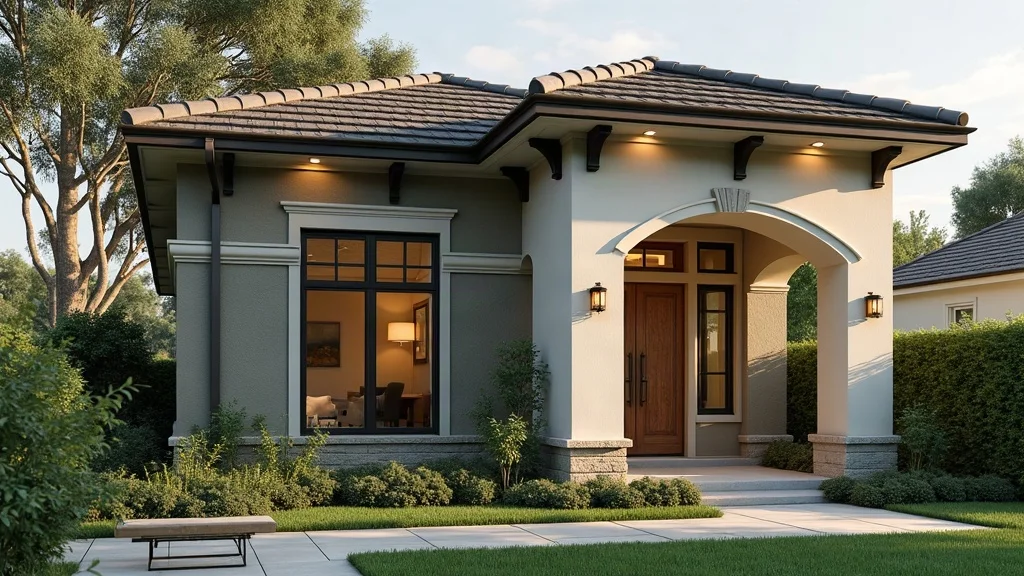
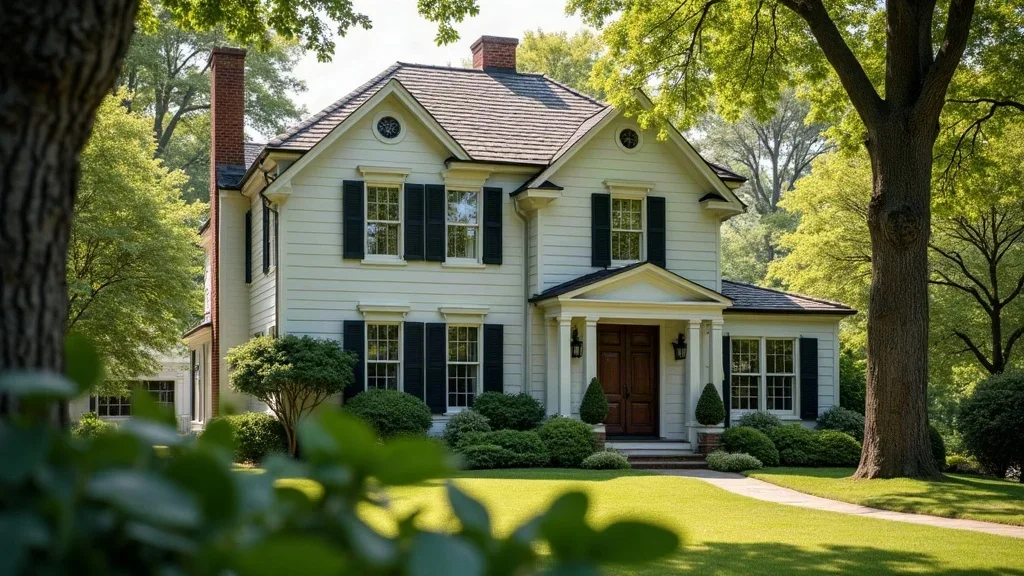
Contemporary home exterior showcasing premium window materials in a landscaped suburban neighborhood — how to choose premium window materials

Why Prioritizing Premium Window Materials Matters

“After working with homeowners since 1993, we’ve seen how the right window material dramatically impacts comfort, efficiency, and curb appeal.” — Banner Construction

Choosing premium window materials is about more than just looks—it’s a strategic investment. Quality windows directly influence everything from indoor comfort and noise reduction to energy bills and maintenance chores. Banner Construction has helped countless homeowners avoid costly mistakes by carefully matching materials to their lifestyles and the unique demands of their homes.

When you invest in high-grade materials, you set the foundation for decades of satisfaction. Premium windows are expertly crafted to stand up to harsh weather, prevent unwanted drafts, and retain their beauty with minimal upkeep. Even more, they enhance your home’s market value—a major bonus should you ever decide to sell. Whether your project is a new build or an upscale renovation, selecting the right materials now can mean a smoother, safer, and more rewarding homeownership journey for years to come.

  • Long-term return on investment

  • Improved energy efficiency

  • Enhanced home value and appeal

  • Reduced maintenance

Key Types of Premium Window Materials

Wood Windows: Classic Elegance and Warmth
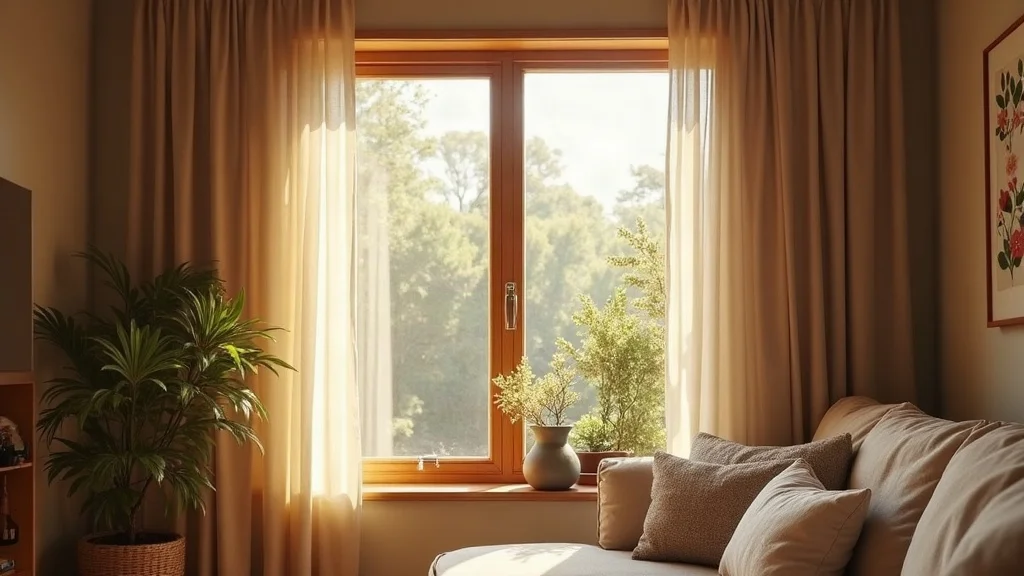
Wood window material in an elegant, sunlit living room — how to choose premium window materials

Few materials rival the rich character and depth that wood windows bring to a luxury home. Wood is celebrated among discerning homeowners for its unique grain, natural insulation, and the sense of timelessness it imparts. When cared for properly, wooden frames can last for generations. Their adaptability means you can choose from a range of stains or painted finishes that harmonize with your home’s architecture, from traditional to contemporary styles.

However, wood does require periodic maintenance such as refinishing to prevent weathering or rot. Today’s best designs often feature advanced factory-applied coatings to extend their life and maintain their initial beauty. If you love authentic warmth and want windows that elevate both the look and feel of your living spaces, premium wood should be on your shortlist.

Fiberglass Windows: Exceptional Longevity and Stability

For homeowners focused on long-lasting performance and peace of mind, fiberglass windows have become an industry favorite. Built to withstand temperature extremes, moisture, and UV rays, fiberglass frames resist warping, swelling, and corrosion—making them a smart investment in nearly any climate. Their strength allows for slim profiles that maximize glass area and natural light.

Another key advantage is their low-maintenance nature: fiberglass doesn’t require frequent painting or special treatments, and most frames are available in a range of finishes to match both classic and modern decors. If you want a blend of resilience, versatility, and contemporary aesthetics—with a proven energy performance edge—fiberglass checks every box.

Aluminum Clad Windows: Modern Appeal with Strength
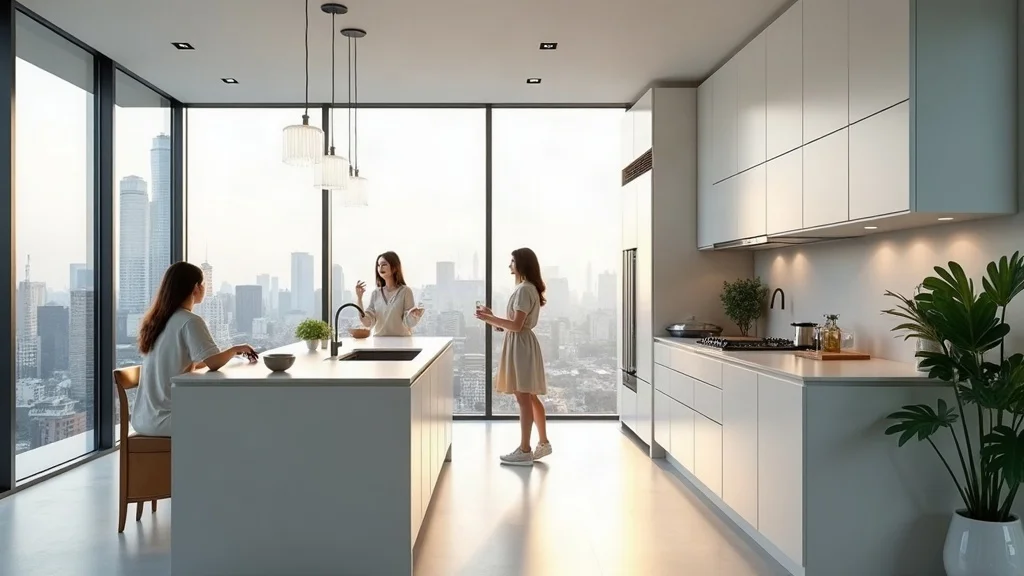
Aluminum clad window material in a sleek modern kitchen — how to choose premium window materials

Aluminum clad windows bring a sleek, architectural look to any upscale home. These windows cleverly combine real wood interiors for beauty and warmth, while exterior aluminum cladding protects against rain, wind, and sunlight. The result? You get the insulating properties of wood indoors, with a low-maintenance, weather-resistant surface on the outside.

Their crisp lines and slender frames make aluminum clad an architect’s go-to for modern designs, city views, and open concept spaces. Plus, powder-coated finishes ensure the color remains consistent and vibrant over many years. If you love strong structure with a minimalist edge—and wish to avoid frequent exterior upkeep—aluminum clad may be ideal.

Composite and High-Performance Vinyl Options

Composite windows and high-quality vinyl have reshaped what’s possible in terms of both style and substance. Today’s top-tier composites often blend wood fibers, resins, and polymers for exceptional durability, moisture resistance, and insulation—at a competitive price. Premium vinyl options now offer sturdy frames, enhanced sealing, and finishes that stand up to harsh weather without chalking, fading, or yellowing.

These materials are especially attractive for homeowners who want design flexibility, competitive performance, and less stress about regular maintenance. While they’re sometimes seen as “budget luxury” selections, the top brands deliver results that rival much pricier alternatives, making them a practical path to luxury upgrades without compromise.

Critical Considerations: How to Choose Premium Window Materials for Your Home

  • Architectural style compatibility

  • Climate and energy efficiency requirements

  • Sound reduction benefits

  • Maintenance preferences

  • Aesthetics and interior design goals

When deciding how to choose premium window materials, start by evaluating your home’s architecture. Residence styles like Tudor, Colonial, and Craftsman shine with real wood or wood-look composites, while modern spaces may call for aluminum clad or fiberglass’s streamlined profiles. Next, consider your region’s climate. Extreme summers, icy winters, or high humidity demand materials with excellent insulation and resilience, such as fiberglass or advanced composites.

Noise reduction is also crucial—especially if your home is near busy roads or urban hubs. Premium materials excel at keeping outside noise at bay! Finally, weigh your desire for maintenance-free living. If you’re not keen on repainting or refinishing, focus on options with protective finishes, cladding, or composite construction. By keeping style, climate, comfort, and upkeep in mind, you’ll make a choice that feels custom-tailored—no regrets down the line.

Table: Comparing Premium Window Materials

Feature

Wood

Fiberglass

Aluminum Clad

Composite

Durability

Excellent

Outstanding

Excellent

Very Good

Aesthetics

Natural

Versatile

Sleek

Modern/traditional

Energy Efficiency

High

High

Moderate

High

Maintenance

Moderate

Low

Low

Low

Best For

Historic homes

All climates

Modern homes

Budget luxe

Window material samples for premium choices on a designer table — how to choose premium window materials

Expert Tips on How to Choose Premium Window Materials Without Compromise

  • Prioritize energy efficiency certifications (e.g., ENERGY STAR®)

  • Request samples and professional consultations

  • Assess warranty strength and installer reputation

  • Evaluate long-term performance, not just initial appearance

To ensure you never second-guess your window decisions, take a methodical approach. Ask to see and touch samples of your options in person—light, finish, and texture are all best appreciated up close. Don’t be shy about requesting professional advice from companies like Banner Construction, who know the local climate and luxury market intimately.

Always check for recognized energy ratings and study warranties closely—longer, more comprehensive coverage often reflects superior product confidence. Lastly, remember that windows are a daily part of your home life; factor in how they’ll perform for decades, not just their initial wow factor, so your living spaces (and investment) only improve with time.

People Also Ask: Answers on How to Choose Premium Window Materials

What is the best window material for luxury homes?
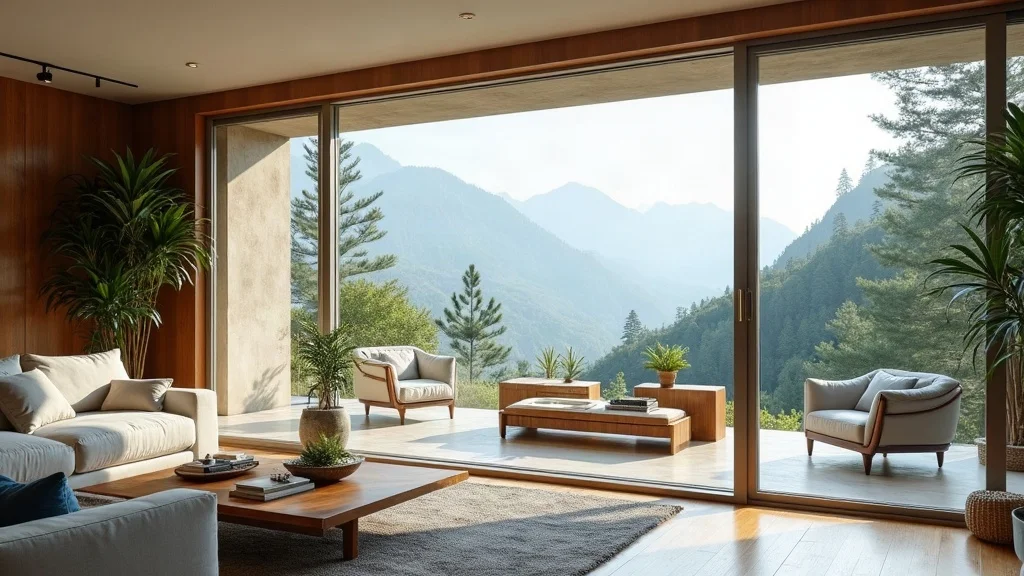
Luxury home interior with panoramic premium windows — best window material for luxury homes

For luxury homes, materials like wood and fiberglass often take the lead. Wood’s visual warmth and design flexibility remain beloved for traditional architecture and high-end aesthetics, while fiberglass is the go-to for cutting-edge looks and superior durability. Both combine artistry and performance that discerning homeowners expect in a premium property.

How do premium window materials improve energy efficiency?

Premium window materials feature advanced weatherstripping, multi-pane glass, and insulated frames that work together to minimize heat loss in winter and retain cool air in summer. Fiberglass and quality vinyl systems limit air infiltration, reducing drafts and hot spots to keep your home consistently comfortable while saving on energy bills long term.

Are premium window materials worth the investment?

Although premium windows may cost more upfront, their advantages—reduced maintenance, improved insulation, and enhanced resale value—often pay off in the long run. High-quality materials offer lasting beauty, stand strong against the elements, and perform better for years, making them a cost-effective choice for homeowners who value peace of mind.

Can window materials affect the resale value of my home?

Absolutely. When buyers see quality materials—especially ones that boost curb appeal or offer excellent energy performance—it creates a memorable impression and can distinguish your home in a competitive market. Premium windows don’t just look great; they signal to buyers that your entire home is cared for and built to last.

Answers to Trending Questions on How to Choose Premium Window Materials

  • The best window materials for luxury homes often blend performance, aesthetics, and durability—wood and fiberglass are top contenders.

  • Premium window materials typically have advanced insulation and sealing technologies, improving energy efficiency.

  • While the upfront costs for premium materials can be higher, the long-term savings and enhanced comfort often deliver strong value.

  • Yes, high-end window materials can boost both curb appeal and perceived value for discerning buyers.

Homeowner consulting with window expert on premium material choices — how to choose premium window materials

FAQs on How to Choose Premium Window Materials

  • How do different climates affect window material choice?
    Climate has a big impact—humid or rainy areas favor moisture-resistant fiberglass or composites, while intense sun may lead you to choose finishes that resist fading. Wood works well in dry climates but needs extra care in wet or humid places.

  • Do premium window materials offer better warranties?
    Yes, leading brands of premium window materials often back their products with stronger, longer warranties. This reflects the superior craftsmanship and confidence in high-quality materials.

  • Which window material is lowest maintenance?
    Fiberglass, aluminum clad, and top-tier composites are the lowest maintenance, requiring little more than routine cleaning—no frequent painting or refinishing needed.

  • Should I replace all my windows at once?
    While it’s not required, replacing all windows at once yields the biggest boost in energy efficiency and overall look. If your budget allows, a comprehensive upgrade creates maximum impact and convenience.

Key Takeaways: How to Approach Premium Window Material Selection

  • Balance style with performance needs for the perfect fit.

  • Consult with seasoned professionals, like Banner Construction, for custom advice.

  • View samples in your actual home to visualize impact.

  • Investing in quality materials brings peace of mind—and lasting satisfaction.

Ready to Elevate Your Home? Make the Right Window Choice Today

  • Contact Banner Construction at https://bannerconstruction.com/contact-banner-construction-st-louis/ to schedule a detailed, no-pressure premium window consultation or call them at (314) 648-2368.

LIfestyle

0 Comments

Write A Comment

*
*
Please complete the captcha to submit your comment.
Related Posts All Posts
10.27.2026

Unlock the Magic of landscape design color theory basics

Imagine stepping into your backyard and immediately feeling a sense of peace, excitement, or inspiration—all thanks to carefully chosen colors. Landscape design color theory basics allow you to create outdoor spaces that delight the senses and reflect your personal style. Whether you're designing a new garden bed or revamping an entire yard, understanding how colors interact can make all the difference between an ordinary landscape and a living masterpiece.Begin Your Journey: Why Landscape Design Color Theory Basics MatterThe world around us bursts with color. In landscape design, intentionally choosing and combining hues is more than just a finishing touch—it's a fundamental tool for shaping mood, structure, and experience. Landscape design color theory basics give you the ability to control how your outdoor space feels: calming to strong, expansive or cozy, sophisticated or playful. Color not only beautifies but also highlights focal points, guides movement, and defines areas in your home landscape. By applying the principles behind color harmony and composition, you can make each individual plant, flower, and feature work together for a cohesive impact—no matter if you're a seasoned gardener or a first-time homeowner drawn to the world of garden color schemes.Understanding these basics streamlines decisions, simplifies plant selection and even helps when working alongside a certified landscape professional. At LaBarge Landscape and Grounds Care, Inc. , our 40 years of experience show that using the color wheel, planned color arrangements, and expert advice leads to gardens that truly stand out. The journey begins with knowing why these concepts matter—and how they can transform your basic sense of your outdoor world into something undeniably complex and beautiful.What You'll Learn About Landscape Design Color Theory BasicsFoundational concepts of landscape design color theory basicsHow color impacts mood, perception, and aesthetics in your outdoor spacesApplication of color schemes and principles to achieve harmonious landscape designsInsights from certified landscape professionalsUnderstanding the Fundamental Principles of Landscape Design Color Theory BasicsDelving into landscape design color theory basics starts with embracing the foundational elements that shape every successful garden. At its core, color theory draws on the same classic tenets used in interior design, painting, and graphic arts, but filtered through the unique canvas of living plants, shifting light, and organic forms. By learning how to leverage tools like the color wheel and the rules that dictate color harmony, you can transform your yard into a cohesive, visually stunning space.Whether browsing plant recommendations or exploring our blog for design inspiration, it's crucial to know the key ideas behind creating color context and balanced landscapes. The journey from root to radiant bloom is guided by understanding of hue, value, intensity, and temperature. These principles not only help you select the right plants, but also make each element in your outdoor design resonate with purpose and unity. From the foundational building blocks, every beautiful, effective landscape takes its first step.Primary Concepts: Color Wheel, Hue, Value, and Intensity in Landscape Design Color Theory BasicsThe importance of the color wheelHue, value, and intensity defined for landscape projectsIntegrating color theory into the initial landscape planningThe color wheel is every scheme designer's first tool. It showcases relationships between primary colors—red, blue, and yellow—and blends them into secondary and tertiary hues. In landscape design color theory basics, this tool organizes choices from foliage of Cotinus to bright annual flowers. Understanding hue (the basic color), value (lightness or darkness), and intensity (strength or dullness) empowers you to choose vibrant focal points or subtle backdrop plantings.When planning, look at the big picture: use a calculator from an online plant finder, sketch your ideas, and consider sun exposure and bloom times. Harmonizing colors isn’t just about picking what pleases your eye; it's about creating context, balance, and a visual story throughout the seasons. When you break these elements down, the process becomes less of a difficult thing and more of an inspiring journey into the world of landscape design.The Role of Warm and Cool Colors in Landscape Design Color Theory BasicsHow warm and cool tones shape perception and moodCreating depth and flow using temperature contrastsColor temperature—a primary sense in color theory—plays a central role in how we experience outdoor spaces. Warm colors like red, orange, and yellow convey a sense of energy, vibrancy, and approachability. They're ideal for areas you want to draw attention to or to make spaces feel more intimate. In contrast, cool colors such as blue, green, and violet typically convey relaxation, depth, and openness. They create a calming environment and can make smaller gardens feel more expansive and peaceful.Applying warm and cool tones purposefully can create flow and maintain visual interest throughout your home landscape. For instance, grouping cool blues and greens along the edges of a yard allows spaces to recede, while strategic pops of yellow or red can highlight seating areas or garden gateways. This interplay between temperature zones is what brings your design to life and connects the psychology of color context to the physical experience of being in your garden."Color is the backbone of landscape design—it can transform a simple yard into a living work of art." — Jack Lantry, LaBarge LandscapeApplying Landscape Design Color Theory Basics: Rules and TechniquesOnce you've absorbed the fundamentals, applying landscape design color theory basics is where the true artistry—and the fun—begins. Proven rules such as the 60-30-10 and 3-5-7 guidelines act as easy frameworks, helping to create color harmony and ensure your garden feels well-balanced and beautiful. Understanding color schemes, from monochromatic to triadic, puts more control into your hands as you design and refresh your outdoor living spaces.Applying the 60-30-10 Rule in Landscape Design Color Theory BasicsDefining the 60-30-10 rule for landscape color balanceTips for practical implementation in residential or commercial landscapesThe beloved 60-30-10 rule helps make even the most complex color harmony feel manageable. This rule divides your color palette into: 60% dominant color (often green for foliage), 30% secondary color (perhaps vibrant purples or blues), and 10% accent color (eye-catching pops like bright yellows or reds). This distribution ensures your landscape is visually coherent, keeps any single color from overwhelming, and brings a planned color unity to plant groupings. It’s a formula that designers use from home page inspiration to large estate gardens—and it works for both lush residential gardens and commercial sites alike.Practical tips for applying the 60-30-10 rule: Start by selecting a dominant background color, use secondary hues for larger planting beds or main features, and reserve your boldest tones for seasonal blooms or design accents. This approach not only keeps the overall look inviting, but also allows each individual element to shine without losing cohesion. The result? A landscape that feels intentional, inviting, and visually rewarding.The 3-5-7 Rule in Landscaping for Balanced Color and DesignExplaining the 3-5-7 rule and its effect on visual rhythmExamples for plant groupings and feature placementThe 3-5-7 rule is a favorite for achieving natural, organic plant groupings that enhance both color and flow. This principle suggests planting in odd-numbered groups (three, five, or seven) rather than even, creating a rhythm that feels more organic and less contrived. These groupings help establish focal points, guide pathways, and break up monotony. Imagine the difference of side by side beds: one planted with three tall ornamental grasses, the next with five vibrant flowering shrubs, and another with seven low-growing accent perennials.Beyond just plant counts, the 3-5-7 rule reinforces a sense of movement and allows color to create visual harmony throughout your space. Alternating plant shapes, heights, and textures in odd numbers enhances interest and helps each bed feel purposeful. Professional designers use this approach to guide the eye, connect garden “rooms,” and ensure every view in your landscape displays color schemes with intentional elegance.Comprehensive Table: Color Schemes and Their Effects in Landscape Design Color Theory BasicsSchemeEffectMonochromaticCreates a cohesive, calming lookAnalogousProvides gentle harmony and a natural feelComplementaryEnlivens the landscape with dynamic contrastTriadicStrikes a balance between diversity and unityThe 7 Principles of Landscape Design and Their Connection to Color Theory BasicsUnityBalanceProportionTransitionRhythmFocalizationSimplicityApplying each principle with color in mindThe classic seven principles—unity, balance, proportion, transition, rhythm, focalization, and simplicity—underscore every successful landscape, and color is the common thread weaving them together. Unity relies on color harmony, repeating hues to make each bed feel connected to the next. Balance is achieved by distributing strong versus subtle colors, helping the space feel stable and visually appealing. Proportion encourages keeping plant and color sizes in balance with the overall garden scale, so nothing looks out of place. Transition uses gradients of color to create graceful movement from one part of the yard to another, while rhythm arises from patterns—such as rows of blue salvia or alternating variegated greens.Focalization spotlights important features with complimentary color pairs, guiding visitors’ gazes toward doorways, seating nooks, or water features. Finally, simplicity means not overdoing it: thoughtfully choosing a few color schemes and sticking with them, resisting the temptation to include every plant you see at the nursery. Through these principles, color theory basics become the scaffolding for unforgettable gardens."Effective use of color can guide the eye, highlight focal points, and make your landscape feel more cohesive." — LaBarge Landscape TeamFive Essential Landscaping Design Principles: Integrating Landscape Design Color Theory BasicsOrderRepetitionUnityBalanceContrastLeveraging color for each principleMastering the five essential landscaping design principles—order, repetition, unity, balance, and contrast—is simple when you have a good grasp on landscape design color theory basics. Order means organizing plantings and colors to form clear lines or structured beds, while repetition lets color tie one garden area to another with rhythmic use of the same annual or shrub. Unity and balance bring harmony and cohesion, using consistent color palettes or pairing bold blooms with subtle groundcovers. Contrast is created by placing opposite colors or foliage textures together, making both pop and energize the design. Leveraging these principles, every home gardener or professional designer can create context that’s both practical and beautiful, ensuring no page does not exist in your landscape’s visual story.People Also Ask About Landscape Design Color Theory BasicsWhat is the 3-5-7 rule in landscaping?The 3-5-7 rule focuses on planting in odd numbers, creating organic groupings that feel natural and pleasing to the eye. It helps achieve rhythm and flow within the garden bed—core elements linked to landscape design color theory basics.What is the 60-30-10 rule in color theory?This rule divides color use: 60% dominant color, 30% secondary, and 10% accent. In landscape design color theory basics, it ensures visual interest without overwhelming the senses, keeping outdoor spaces harmonious and inviting.What are the 7 principles of landscape design?The seven principles—unity, balance, proportion, transition, rhythm, focalization, simplicity—work alongside landscape design color theory basics to shape both structure and aesthetic appeal.What are the five basic landscaping design principles?The five basics—order, repetition, unity, balance, contrast—help guide color and plant selection using landscape design color theory basics, ensuring every landscape feels intentional and beautifully curated.FAQs: Navigating Common Questions on Landscape Design Color Theory BasicsHow do I choose a color palette for my landscape?Start by considering your existing structures, sunlight, and the mood you want to evoke. Use a color wheel to select either harmonious analogous colors or create dramatic contrast with complementary colors. Reflect on how you’ll use the space and what times of day you’ll be outdoors.What colors are best for small spaces in landscape design color theory basics?Cool colors like blues, purples, and soft greens typically make spaces feel more open and serene, helping small areas appear larger. Using analogous color schemes and limiting bold, warm tones to accents can prevent clutter and keep the space inviting.Can color theory basics be applied to hardscapes and non-plant elements?Absolutely. Paths, patios, fences, and garden art all contribute to your color scheme. Integrate stone, tile, or painted features that complement or contrast your plantings for a unified, planned color effect that extends beyond plants alone.Key Takeaways: Transform Your Space with Landscape Design Color Theory BasicsUnderstanding landscape design color theory basics unlocks creativity and cohesionColor rules such as 3-5-7 and 60-30-10 simplify design decisionsCore principles of landscape design and color theory elevate outdoor spacesConnect with Experts in Landscape Design Color Theory BasicsBring your landscape vision to life—contact LaBarge Landscape at https://labargelandscape.net/contact-us/ or call them at (505) 345-3000.Let our certified, passionate team help you discover the magic of color in your landscape today!

10.25.2026

Why the Importance of Wall Preparation in Interior Painting Matters

Ever wondered if skipping wall prep can sabotage your efforts for a beautiful home? The answer may surprise you: no matter how expensive the paint or skilled the painter, the importance of wall preparation in interior painting is the unsung hero behind stunning and long-lasting results. This guide reveals why perfect prep is the foundation of a flawless finish and how you can avoid costly mistakes with insights from seasoned professionals at The Painting Pros.Captivating Inquiry: Does Wall Preparation Truly Make or Break Your Interior Painting Project?If you’ve ever taken on a simple painting project, chances are you focused on choosing colors, paint finish, or the types of paint brushes. But have you considered that surface preparation might be the single most essential step between you and a beautiful, professional home finish? Shortcuts during prep work often mean the coat of paint simply won’t bond, leading to peeling, bubbling, or dull walls. A professional painter makes no compromises on surface prep— they know that even the best paint job will fail on dirty walls or poorly patched surfaces. Proper wall preparation enhances paint adhesion, hides surface imperfections, and ensures the paint will stand up to daily life. In short: if you want to make your walls truly shine and your paint job last, thorough wall preparation is non-negotiable.What You'll Learn About the Importance of Wall Preparation in Interior PaintingThe fundamentals of wall preparation for interior paintingProfessional insights into why surface prep is essentialConcrete steps for perfect surface preparationCommon pitfalls and how to avoid themExpert answers to frequently asked questions about wall preparationDefining the Importance of Wall Preparation in Interior PaintingWhat is Surface Preparation?Surface preparation, or surface prep, refers to all the steps a painter must thoroughly prepare before painting a wall. This starts with removing any debris, dust, or grease, repairing holes and cracks, and ensuring the wall is completely dry and even. It’s the difference between a fresh coat of paint that transforms your home and one that quickly disappoints. Proper surface preparation means patching imperfections, letting repairs dry, sanding the area smooth, and cleaning the walls. Dirty walls can make the paint skip, and layers of old paint or dust prevent true adhesion. In both residential and commercial painting, this crucial process precedes every coat of paint to ensure the final product is consistent, smooth, and durable.Why Surface Prep is the Foundation of a Flawless FinishThe importance of wall preparation in interior painting cannot be overstated. It’s what makes the difference between a flawless finish and one full of flaws. When the surface before painting is uneven or contaminated, the bonding process between the wall and paint fails, causing bubbles, cracks, and poor coverage. Even a skilled professional painter makes sure to invest time in surface prep—because paint is only as strong as the wall beneath it. In essence, skipping or rushing prep work is like building a house on a weak foundation. Paint will not adhere properly, and any existing imperfections will show through. Surface preparation levels the playing field, letting the paint job reach its full potential and letting you end up with walls you’re proud to display in your home or business.Expert Insights: Why the Importance of Wall Preparation in Interior Painting Is Frequently Overlooked“At The Painting Pros, we see time and again how exceptional surface preparation leads to superior and longer-lasting results in every interior project.” — Lead Painter, The Painting ProsMany DIY painters—and sometimes even contractors—underestimate the meticulousness involved in prep work. Rushing this phase to save time by preparing less thoroughly can compromise both the look and durability of the paint job. The Painting Pros, a leader in the Silicon Valley area for over 40 years, understands that meticulous wall preparation protects your investment, preserves your warranty, and avoids future repairs. The experts know that properly prepping walls eliminates dirt and old materials that could otherwise ruin the bonding process. Cutting corners may seem faster, but it can cost you more down the line, both in additional material needs and repeat labor. Trusting professionals like The Painting Pros ensures that each step is performed with care, setting up your paint for both immediate impact and long-term success.Key Steps in Wall Preparation for Interior PaintingAssessment of wall conditionRepairing holes, cracks, and imperfectionsCleaning and degreasing the surfaceSanding for smoothnessPriming: When and why it's necessarySurface Preparation: The Professional Process ExplainedA professional painter makes wall prep look effortless, but the process is detailed and exact. First, they’ll relocate any nearby furniture and place drop cloths to protect floors and belongings. Every inch of wall is carefully assessed for cracks, holes, or texture inconsistencies. Imperfections are filled using high-quality compounds, sanded to ensure smoothness, and thoroughly cleaned. Next, the painter checks for stains, grease, or lingering dust, since dirty walls can make the paint skip or bubble. After cleaning, primer may be applied if needed to seal repairs, even out wall color, or address tricky surfaces where paint adhesion is a challenge. This level of detail and preparation goes beyond a simple painting project. Professional painters use specialized techniques and environmentally safe materials, keeping in line with certifications like lead safety. This professional process is how experts like The Painting Pros make your walls perfect before a single drop of paint is applied.Surface Prep Mistakes That Can Ruin Your Interior Painting OutcomesSkipping cleaning or priming stepsUnderestimating the impact of wall textureUsing incorrect fillers or compoundsPainting on wet or dusty surfaces“Even the highest quality paints cannot compensate for poor wall preparation.” — The Painting Pros TeamCommon pitfalls in wall preparation include ignoring the need to clean our walls, failing to sand patches flat, or applying paint on a damp surface. Each of these missteps disrupts the bonding process, causing premature peeling or a patchy finish. Simply put, when prep work is overlooked, even a fresh coat of paint can’t deliver the vibrant, smooth results you expect. Make sure to learn from professional painters—thoroughly prep every time, for every wall.Table: Comparing Outcomes With and Without Proper Wall PreparationWith Thorough Wall PreparationWithout Wall PreparationDurability: Paint adheres strongly, resists peeling, and lasts years.Durability: Paint chips, fades, or peels prematurely.Appearance: Smooth, even color with minimal visible flaws.Appearance: Visible cracks, bubbles, uneven coverage.Time Investment: Initial effort saves future time and repairs.Time Investment: Frequent touch-ups and repaints needed.Potential Issues: None; professional and reliable results.Potential Issues: Mold, mildew, paint incompatibility, and more.Professional Tips: How The Painting Pros Ensure Optimal Wall PreparationDetailed inspection and client consultationUse of lead-safe and environmentally sound prep practicesApplication of best-in-class primer and repair materialsFinal surface checks before paint applicationPeople Also AskDo I need to prep my walls before painting?AnswerYes, wall preparation is a crucial step before painting any interior surface. Thorough prep ensures the paint adheres correctly, looks clean, and lasts longer. Skipping steps like cleaning, sanding, or priming can result in poor adhesion, peeling paint, and uneven coverage—meaning you may have to redo the work far sooner than expected.Why do professional painters not use primer?AnswerProfessional painters often assess whether primer is necessary based on the surface condition. Some walls, especially those previously painted with similar products and in good condition, may not require priming. However, primer is critical for new drywall, surfaces with stains, or after repairs, as it promotes better adhesion and can help the final coat look its best.In what order should I prep my walls for painting?AnswerThe correct order is: move or cover furniture and place drop cloths, inspect and repair any damage, sand surfaces for smoothness, clean thoroughly to remove dust and grease, then, if needed, apply primer. Following this process step-by-step ensures a strong foundation for your paint job and results you'll love.Do professional painters wash the walls before they paint?AnswerAbsolutely. Professional painters wash walls to eliminate dust, grease, and lingering contaminants. Clean, well-prepped walls allow paint to bond properly and contribute to a flawless finish. This thorough cleaning is a hallmark of professional work and is never skipped by experts such as The Painting Pros.FAQs About the Importance of Wall Preparation in Interior PaintingHow long does wall preparation take for an average room?Preparation typically takes a few hours to a full day, depending on wall condition and extent of repairs.Can skipping prep steps affect paint warranty?Yes, many paint manufacturers require surfaces to be properly prepped to honor their product warranty.What tools do professionals use for surface preparation?Painters use sponges, sanding blocks, putty knives, primers, and masking materials for efficient prep work.Is wall prep different for commercial vs. residential spaces?While steps are similar, commercial jobs may require more stringent safety and environmental procedures.Key Takeaways: Why the Importance of Wall Preparation in Interior Painting Can’t Be IgnoredProper wall preparation ensures lasting and beautiful resultsSurface prep is essential for paint adhesion and appearanceProfessional practices elevate both safety and finish qualityReady for Flawless Results? Contact The Painting Pros or Call Them at (408) 868-2662

10.23.2026

Choosing Windows for Historic Homes? Avoid These Costly Mistakes

Imagine walking into a sun-kissed sitting room where the historic windows let in a cascade of natural light, their intricate muntins framing views of a lush, time-honored neighborhood. But beneath that charm, the wrong window choice can risk irreversibly altering your home's character and energy performance. If you’re choosing windows for historic homes, the decisions you make now will shape both your property’s legacy and your peace of mind for years to come. This guide arms you with essential knowledge to avoid costly pitfalls and invest wisely in your home’s future.Why Choosing Windows for Historic Homes MattersSelecting the right windows and doors for a historic home is more than a cosmetic upgrade; it’s about honoring heritage, boosting energy efficiency, and safeguarding property value. Many homeowners discover too late that ill-suited window replacements can undermine both curb appeal and comfort. That’s why choosing windows for historic homes requires a specialized, thoughtful approach rooted in both tradition and innovation. Well-chosen windows maintain the soul of your home, inviting abundant natural light into living spaces while addressing modern needs like minimizing energy loss and reducing long-term maintenance.Practical decisions here can mean the difference between a lasting preservation of character and a patchwork approach that leads to regret. Today’s best solutions—like insulated glass and vacuum insulated glass—merge period-specific aesthetics with technology to improve comfort and sustainability. When reviewing options, remember: every window tells a story. Respect that story, and your home will remain a cherished legacy for generations.Preserving Character While Upgrading Historic WindowsMaintaining your home’s unique identity is at the heart of historic window selection. Authentic details—like the profile of muntins, the finish of traditional wood, or the pattern of divided lights—contribute to its architectural integrity. Skillful restoration or window replacement can preserve these details, allowing you to enjoy spaces bathed in authentic charm and modern comfort. Working with experts ensures every historic window aligns with the period and style of your home, seamlessly blending the old with the new. This approach not only enhances everyday enjoyment but also supports the value and longevity of your property.Common Mistakes When Choosing Windows for Historic HomesMany homeowners inadvertently compromise their home’s historical value by choosing the wrong windows. Common mistakes include opting for out-of-scale frames, mismatched grille patterns, or poorly chosen materials, which disrupt the visual harmony of a historic façade. Sometimes, modern replacement windows overlook the craftsmanship and subtlety present in original historic window designs. Others neglect local preservation regulations, leading to costly code violations or required do-overs. Equally problematic is ignoring environmental upgrades—missing the chance to significantly improve energy efficiency and comfort with the right insulated glass options. Avoid these pitfalls by aligning selections with your home’s era, consulting specialists in historic restoration, and considering technological advances like vacuum insulated glass that offer best-in-class performance without sacrificing style.How Energy Efficiency Plays a Role in Historic WindowsHistoric homes are renowned for their beauty—but they often lag in energy performance, leading to uncomfortable drafts and higher utility bills. A significant portion of energy loss can occur through original single-pane windows. Fortunately, solutions such as insulated glass, vacuum insulated glass, and even interior or exterior storm windows can preserve character while sharply reducing heat loss and condensation. Innovatively designed windows allow owners of historic properties to enjoy cozy living rooms and peace of mind year-round, with much lower energy costs and minimal disruption to original details. By prioritizing energy efficiency in your window system upgrades, you create an elegant balance between comfort, aesthetics, and responsible stewardship of your historic home.What You’ll Learn When Choosing Windows for Historic HomesUnderstand how to select replacement windows for historic windowsExplore insulated glass, vacuum insulated glass, and energy efficiency considerationsAvoid common pitfalls in window selection for historic homesInsights into trends and styles for 2026Reviewing Window Material Options for Historic WindowsWhen it comes to choosing windows for historic homes, understanding the pros and cons of different materials is key. Each material option—wood, composite, and aluminum-clad—offers unique benefits in authenticity, durability, and energy efficiency. Traditional wood is often preferred for its historic appeal and the ability to replicate period details, but it can require more maintenance. Composites and aluminum-clad windows combine resilience with lower upkeep and can be fashioned to match classic appearances.Thoughtful selection of window material ensures that historic window replacements not only look authentic but also provide long-lasting performance. The right material can help your historic home remain draft-free, beautiful, and inviting for years to come, ensuring your living space retains its original soul while embracing the latest in window technology.Wood vs. Composite vs. Aluminum-CladWood windows are prized for their authenticity and richly grained texture, especially when sourced from high-quality suppliers. They perfectly complement the fine details found in historic homes and are essential for restoration projects where visual continuity matters. However, wood windows require ongoing maintenance—regular painting, sealing, and occasional repairs to keep rot and weathering at bay.Composite windows, including those from sustainable materials, offer a maintenance-free alternative while replicating the look of wood. They are immune to rot and typically perform better against warping and weather extremes. Meanwhile, aluminum-clad windows—a fusion of wood interiors and weather-resistant exteriors—provide the best of both worlds: warmth inside, durability outside. These are especially popular for upper-income renovations, as they combine state-of-the-art durability with the beauty of natural wood, often reducing the need for total window replacement in the future.How Vacuum Insulated and Insulated Glass Improve Energy Efficiency"Restoring a historic home often means balancing beauty, longevity, and energy efficiency." – Banner Construction SpecialistInsulated glass and state-of-the-art vacuum insulated glass have transformed the way historic homes can address energy loss. Traditional single-pane designs are no match for today’s insulated products, which dramatically increase comfort, reduce energy bills, and protect delicate interior features from harsh weather swings.Vacuum insulated glass, in particular, uses a thin vacuum layer between glass panes, offering exceptional insulation without the bulk of standard double-glazing. These upgrades are barely noticeable aesthetically but can be transformative for keeping rooms—like the living room—warm in winter and cool in summer. Modern technologies mean you no longer have to choose between comfort and authenticity. Instead, you gain a peaceful, energy-efficient space with the timeless look of original windows and doors.Best Practices When Choosing Windows for Historic HomesThe most successful historic window projects result from meticulous planning and expert execution. Begin by matching architectural detailing, such as window trim, grille patterns, and hardware, to your home’s era. Next, review local preservation guidelines, which may dictate specific requirements for window replacements and restorations. Prioritizing energy efficiency, durability, and visual authenticity should guide every decision.Today’s best practices draw on materials and technologies—like vacuum insulated glass and exterior storm windows—designed to fuse historical integrity with modern performance. Collaboration with trusted professionals ensures that your finished windows and doors not only meet code but maintain the unique character and story of your home.Matching Architectural Details to Historic WindowsAuthenticity is in the details: elaborate trim, period-appropriate muntins, and hardware nod to the craftsmanship of bygone eras. Reputable restoration experts source or custom-build these features using traditional wood and advanced materials to mimic original profiles without compromising function. This level of detail ensures windows look as though they’ve always belonged, even when using modern methods to improve energy performance.Navigating Local Guidelines for Historic Windows and DoorsReplacing or restoring windows and doors in a historic home often requires approvals from preservation boards or local authorities. Guidelines may restrict the use of certain materials, mandate historically accurate finishes, or dictate the installation of specific window systems. Knowledgeable specialists can help you weave through requirements, ensuring every window replacement or upgrade is both compliant and true to your home’s roots.Establish a dialogue with preservation officials early on, and choose a contractor familiar with both technical standards and the spirit of historic stewardship. By respecting local expectations, your project will avoid costly delays, rushed decisions, and unsatisfactory results.Integrating Energy Efficiency and Modern Performance"A thoughtful approach ensures your historic home’s charm is preserved without sacrificing comfort or performance."Today’s energy-conscious homeowners demand more than aesthetic fidelity—they want efficiency without compromise. Vacuum insulated glass, high-performance storm windows, and sensitive retrofits all provide historic homes with enhanced energy efficiency and lower heating and cooling bills. Insulation upgrades—visible or invisible—offer a sense of security, knowing that your living room or other cherished spaces remain cozy and protected by state-of-the-art window systems. The lesson: with the right guidance, period-style windows and doors can meet today’s rigorous standards for comfort and sustainability.Insulated Glass and Vacuum Insulated Glass for Historic HomesOne of the most significant advances in window technology for historic homes is the introduction of high-performance glass options. While maintaining traditional appearances, both insulated glass and vacuum insulated glass deliver substantial improvements in energy efficiency, sound reduction, and comfort—making it easier than ever to balance beauty with performance.Understanding the distinctions between glass types—single-pane, insulated, and the next-generation vacuum variations—is essential to making informed decisions that match your project’s goals. Weigh the benefits and trade-offs in consultation with restoration experts to ensure each window delivers on both heritage and modernity.What Is Insulated Glass and How Does It Benefit Historic Homes?Insulated glass consists of two or more panes separated by a sealed air gap, which acts as a barrier to energy loss. This construction markedly improves the energy efficiency of historic windows, reducing drafts and condensation while maintaining a comfortable indoor environment. For homeowners committed to authenticity, insulated glass units can be tailored to fit period-specific sashes and divided-light patterns, bringing modern performance to time-honored designs. The result is a preservation of aesthetic beauty with a measurable boost in comfort and sustainability—ensuring your “space with natural light” is always welcoming.Understanding Vacuum Insulated Glass: Features and BenefitsVacuum insulated glass elevates insulation further by using a thin vacuum layer between panes, reducing thermal transfer almost entirely. This glass is thinner and lighter than conventional insulated glass, making it ideal for retrofitting into existing narrow sashes without altering the original sightlines. Its advanced design means period-style windows and doors can now achieve or surpass the energy efficiency of new homes. This upgrade also enhances soundproofing—a fun fact for anyone wanting a quieter, more peaceful retreat—without sacrificing the beauty and historic value for which your home is known.Comparing Insulated Glass and Vacuum Insulated Glass in Choosing WindowsWhen weighing insulated glass against vacuum insulated glass, consider your home’s specific needs. Traditional insulated glass is versatile, widely available, and can be custom-built to match period details. Vacuum insulated glass, though newer and sometimes costlier, delivers unparalleled energy efficiency in a minimal profile—perfect for preserving delicate sashes and intricate frames. Both offer substantial upgrades over original single-pane glass, but vacuum options provide an edge for those seeking maintenance-free, high-performance solutions without sacrificing architectural integrity. Discuss with your contractor which type best fits your project’s priorities: ultimate performance or balanced enhancement within original materials.People Also Ask About Choosing Windows for Historic HomesWhat are the best windows for an old house?Answer: The best windows for an old house balance authenticity with improved performance, incorporating historically accurate materials and profiles while leveraging modern insulated glass and energy efficiency advancements.Should I replace old Victorian windows or not?Answer: Whether to replace old Victorian windows depends on their current condition, efficiency, and design value. In many cases, restoration combined with insulated or vacuum insulated glass may provide the best results.What are the trends in window design for 2026?Answer: Trends for 2026 prioritize sustainability, energy efficiency, and authenticity, with advances in vacuum insulated windows and doors technology designed for historic homes.What are colonial style windows?Answer: Colonial style windows typically feature divided lights and symmetrical proportions, often requiring custom or period-appropriate replacements to maintain authentic historic appearances.Choosing Windows for Historic Homes: Comparing Features, Benefits, and LimitationsFeatureHistoric WoodInsulated GlassVacuum Insulated GlassAuthenticityHighMediumHighEnergy EfficiencyLowHighVery HighMaintenanceHighMediumLowFAQs: Choosing Windows for Historic HomesHow can I tell if my windows are original to my historic home?What are the key features of energy efficient historic windows?Are there tax credits or grants available for restoring historic windows and doors?How do I balance modern performance with historic aesthetics?Key Takeaways for Choosing Windows for Historic HomesMatch style and material for a seamless lookPrioritize energy efficiency with insulated glass optionsConsult local regulations and historic guidelinesPartner with specialists in historic window restoration and installationReady to Start? Contact Banner ConstructionCall Banner Construction at (314) 648-2368 to discuss your project and discover your options for windows and doors for historic homes.Conclusion: The Right Approach to Choosing Windows for Historic HomesChoosing windows for historic homes requires expert guidance, respect for tradition, and advanced technology—let Banner Construction help you achieve a perfect balance of beauty and performance.

Your guide to modern living—every day.

COMPANY

  • Privacy Policy
  • Terms of Use
  • Advertise
  • Contact Us
  • Menu 5
  • Menu 6

ABOUT US

Daily Lifestyle News explores the people, trends, and experiences that shape modern living. From home and style inspiration to travel tips and trusted product picks, it’s your go-to source for everyday life. Ideal for local voices and businesses in wellness, personal services, and home improvement.

© 2026 CompanyName All Rights Reserved. Address . Contact Us . Terms of Service . Privacy Policy

Terms of Service

Privacy Policy

Core Modal Title

Sorry, no results found

You Might Find These Articles Interesting

T
Please Check Your Email
We Will Be Following Up Shortly
*
*
*