
Imagine walking into a sun-kissed sitting room where the historic windows let in a cascade of natural light, their intricate muntins framing views of a lush, time-honored neighborhood. But beneath that charm, the wrong window choice can risk irreversibly altering your home's character and energy performance. If you’re choosing windows for historic homes, the decisions you make now will shape both your property’s legacy and your peace of mind for years to come. This guide arms you with essential knowledge to avoid costly pitfalls and invest wisely in your home’s future.
Why Choosing Windows for Historic Homes Matters
Selecting the right windows and doors for a historic home is more than a cosmetic upgrade; it’s about honoring heritage, boosting energy efficiency, and safeguarding property value. Many homeowners discover too late that ill-suited window replacements can undermine both curb appeal and comfort. That’s why choosing windows for historic homes requires a specialized, thoughtful approach rooted in both tradition and innovation. Well-chosen windows maintain the soul of your home, inviting abundant natural light into living spaces while addressing modern needs like minimizing energy loss and reducing long-term maintenance.
Practical decisions here can mean the difference between a lasting preservation of character and a patchwork approach that leads to regret. Today’s best solutions—like insulated glass and vacuum insulated glass—merge period-specific aesthetics with technology to improve comfort and sustainability. When reviewing options, remember: every window tells a story. Respect that story, and your home will remain a cherished legacy for generations.
Preserving Character While Upgrading Historic Windows
Maintaining your home’s unique identity is at the heart of historic window selection. Authentic details—like the profile of muntins, the finish of traditional wood, or the pattern of divided lights—contribute to its architectural integrity. Skillful restoration or window replacement can preserve these details, allowing you to enjoy spaces bathed in authentic charm and modern comfort. Working with experts ensures every historic window aligns with the period and style of your home, seamlessly blending the old with the new. This approach not only enhances everyday enjoyment but also supports the value and longevity of your property.
Common Mistakes When Choosing Windows for Historic Homes
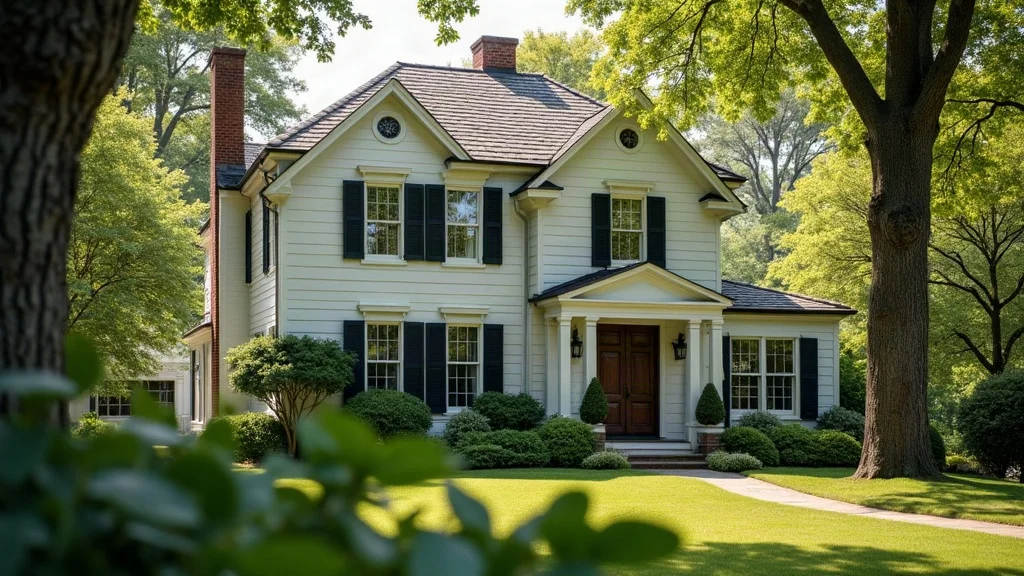
Many homeowners inadvertently compromise their home’s historical value by choosing the wrong windows. Common mistakes include opting for out-of-scale frames, mismatched grille patterns, or poorly chosen materials, which disrupt the visual harmony of a historic façade. Sometimes, modern replacement windows overlook the craftsmanship and subtlety present in original historic window designs. Others neglect local preservation regulations, leading to costly code violations or required do-overs. Equally problematic is ignoring environmental upgrades—missing the chance to significantly improve energy efficiency and comfort with the right insulated glass options. Avoid these pitfalls by aligning selections with your home’s era, consulting specialists in historic restoration, and considering technological advances like vacuum insulated glass that offer best-in-class performance without sacrificing style.
How Energy Efficiency Plays a Role in Historic Windows
Historic homes are renowned for their beauty—but they often lag in energy performance, leading to uncomfortable drafts and higher utility bills. A significant portion of energy loss can occur through original single-pane windows. Fortunately, solutions such as insulated glass, vacuum insulated glass, and even interior or exterior storm windows can preserve character while sharply reducing heat loss and condensation. Innovatively designed windows allow owners of historic properties to enjoy cozy living rooms and peace of mind year-round, with much lower energy costs and minimal disruption to original details. By prioritizing energy efficiency in your window system upgrades, you create an elegant balance between comfort, aesthetics, and responsible stewardship of your historic home.
What You’ll Learn When Choosing Windows for Historic Homes
Understand how to select replacement windows for historic windows
Explore insulated glass, vacuum insulated glass, and energy efficiency considerations
Avoid common pitfalls in window selection for historic homes
Insights into trends and styles for 2026
Reviewing Window Material Options for Historic Windows
When it comes to choosing windows for historic homes, understanding the pros and cons of different materials is key. Each material option—wood, composite, and aluminum-clad—offers unique benefits in authenticity, durability, and energy efficiency. Traditional wood is often preferred for its historic appeal and the ability to replicate period details, but it can require more maintenance. Composites and aluminum-clad windows combine resilience with lower upkeep and can be fashioned to match classic appearances.
Thoughtful selection of window material ensures that historic window replacements not only look authentic but also provide long-lasting performance. The right material can help your historic home remain draft-free, beautiful, and inviting for years to come, ensuring your living space retains its original soul while embracing the latest in window technology.
Wood vs. Composite vs. Aluminum-Clad
Wood windows are prized for their authenticity and richly grained texture, especially when sourced from high-quality suppliers. They perfectly complement the fine details found in historic homes and are essential for restoration projects where visual continuity matters. However, wood windows require ongoing maintenance—regular painting, sealing, and occasional repairs to keep rot and weathering at bay.
Composite windows, including those from sustainable materials, offer a maintenance-free alternative while replicating the look of wood. They are immune to rot and typically perform better against warping and weather extremes. Meanwhile, aluminum-clad windows—a fusion of wood interiors and weather-resistant exteriors—provide the best of both worlds: warmth inside, durability outside. These are especially popular for upper-income renovations, as they combine state-of-the-art durability with the beauty of natural wood, often reducing the need for total window replacement in the future.
How Vacuum Insulated and Insulated Glass Improve Energy Efficiency
"Restoring a historic home often means balancing beauty, longevity, and energy efficiency." – Banner Construction Specialist
Insulated glass and state-of-the-art vacuum insulated glass have transformed the way historic homes can address energy loss. Traditional single-pane designs are no match for today’s insulated products, which dramatically increase comfort, reduce energy bills, and protect delicate interior features from harsh weather swings.
Vacuum insulated glass, in particular, uses a thin vacuum layer between glass panes, offering exceptional insulation without the bulk of standard double-glazing. These upgrades are barely noticeable aesthetically but can be transformative for keeping rooms—like the living room—warm in winter and cool in summer. Modern technologies mean you no longer have to choose between comfort and authenticity. Instead, you gain a peaceful, energy-efficient space with the timeless look of original windows and doors.
Best Practices When Choosing Windows for Historic Homes
The most successful historic window projects result from meticulous planning and expert execution. Begin by matching architectural detailing, such as window trim, grille patterns, and hardware, to your home’s era. Next, review local preservation guidelines, which may dictate specific requirements for window replacements and restorations. Prioritizing energy efficiency, durability, and visual authenticity should guide every decision.
Today’s best practices draw on materials and technologies—like vacuum insulated glass and exterior storm windows—designed to fuse historical integrity with modern performance. Collaboration with trusted professionals ensures that your finished windows and doors not only meet code but maintain the unique character and story of your home.
Matching Architectural Details to Historic Windows
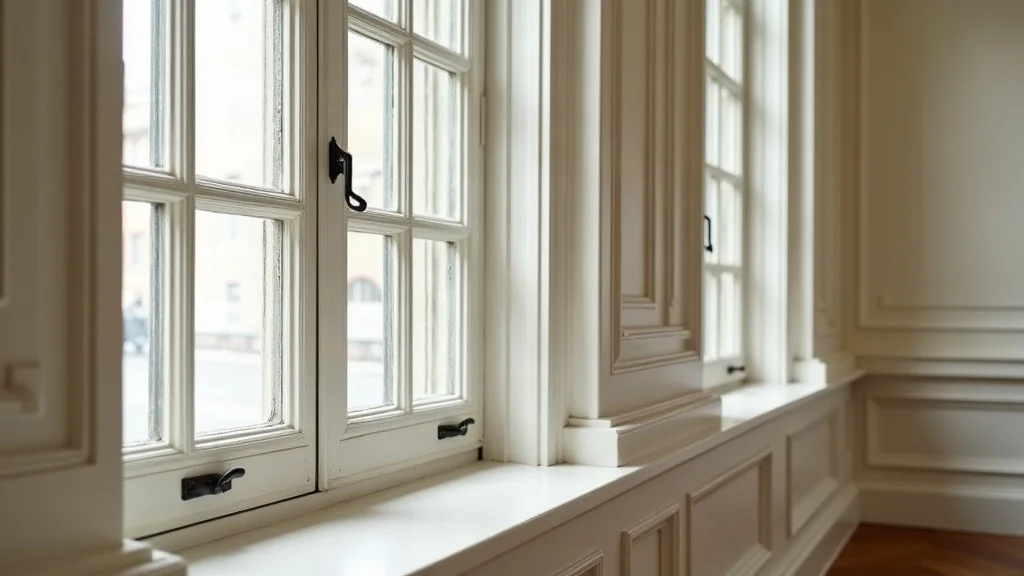
Authenticity is in the details: elaborate trim, period-appropriate muntins, and hardware nod to the craftsmanship of bygone eras. Reputable restoration experts source or custom-build these features using traditional wood and advanced materials to mimic original profiles without compromising function. This level of detail ensures windows look as though they’ve always belonged, even when using modern methods to improve energy performance.
Navigating Local Guidelines for Historic Windows and Doors
Replacing or restoring windows and doors in a historic home often requires approvals from preservation boards or local authorities. Guidelines may restrict the use of certain materials, mandate historically accurate finishes, or dictate the installation of specific window systems. Knowledgeable specialists can help you weave through requirements, ensuring every window replacement or upgrade is both compliant and true to your home’s roots.
Establish a dialogue with preservation officials early on, and choose a contractor familiar with both technical standards and the spirit of historic stewardship. By respecting local expectations, your project will avoid costly delays, rushed decisions, and unsatisfactory results.
Integrating Energy Efficiency and Modern Performance
"A thoughtful approach ensures your historic home’s charm is preserved without sacrificing comfort or performance."
Today’s energy-conscious homeowners demand more than aesthetic fidelity—they want efficiency without compromise. Vacuum insulated glass, high-performance storm windows, and sensitive retrofits all provide historic homes with enhanced energy efficiency and lower heating and cooling bills. Insulation upgrades—visible or invisible—offer a sense of security, knowing that your living room or other cherished spaces remain cozy and protected by state-of-the-art window systems. The lesson: with the right guidance, period-style windows and doors can meet today’s rigorous standards for comfort and sustainability.
Insulated Glass and Vacuum Insulated Glass for Historic Homes
One of the most significant advances in window technology for historic homes is the introduction of high-performance glass options. While maintaining traditional appearances, both insulated glass and vacuum insulated glass deliver substantial improvements in energy efficiency, sound reduction, and comfort—making it easier than ever to balance beauty with performance.
Understanding the distinctions between glass types—single-pane, insulated, and the next-generation vacuum variations—is essential to making informed decisions that match your project’s goals. Weigh the benefits and trade-offs in consultation with restoration experts to ensure each window delivers on both heritage and modernity.
What Is Insulated Glass and How Does It Benefit Historic Homes?
Insulated glass consists of two or more panes separated by a sealed air gap, which acts as a barrier to energy loss. This construction markedly improves the energy efficiency of historic windows, reducing drafts and condensation while maintaining a comfortable indoor environment. For homeowners committed to authenticity, insulated glass units can be tailored to fit period-specific sashes and divided-light patterns, bringing modern performance to time-honored designs. The result is a preservation of aesthetic beauty with a measurable boost in comfort and sustainability—ensuring your “space with natural light” is always welcoming.
Understanding Vacuum Insulated Glass: Features and Benefits
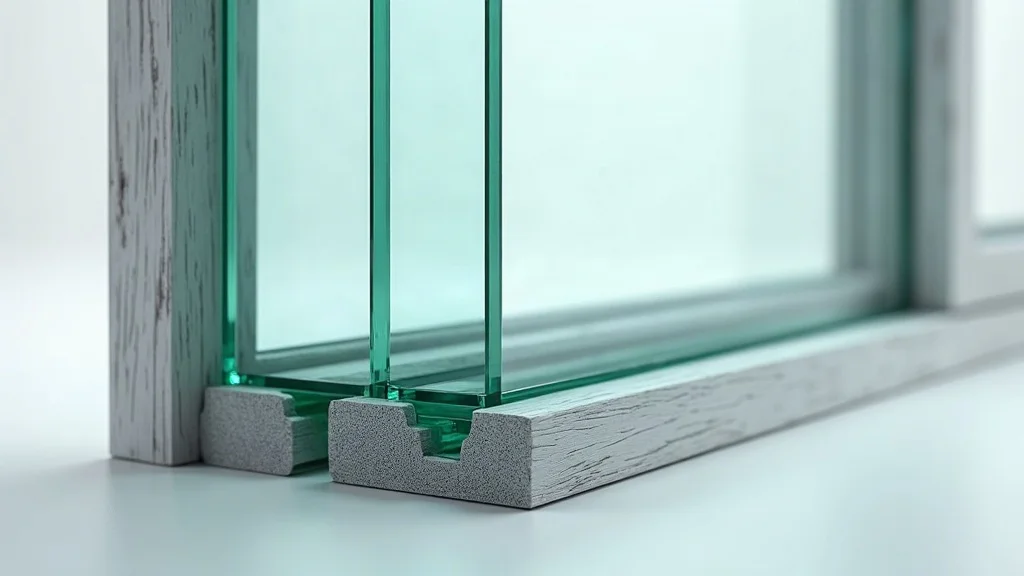
Vacuum insulated glass elevates insulation further by using a thin vacuum layer between panes, reducing thermal transfer almost entirely. This glass is thinner and lighter than conventional insulated glass, making it ideal for retrofitting into existing narrow sashes without altering the original sightlines. Its advanced design means period-style windows and doors can now achieve or surpass the energy efficiency of new homes. This upgrade also enhances soundproofing—a fun fact for anyone wanting a quieter, more peaceful retreat—without sacrificing the beauty and historic value for which your home is known.
Comparing Insulated Glass and Vacuum Insulated Glass in Choosing Windows
When weighing insulated glass against vacuum insulated glass, consider your home’s specific needs. Traditional insulated glass is versatile, widely available, and can be custom-built to match period details. Vacuum insulated glass, though newer and sometimes costlier, delivers unparalleled energy efficiency in a minimal profile—perfect for preserving delicate sashes and intricate frames. Both offer substantial upgrades over original single-pane glass, but vacuum options provide an edge for those seeking maintenance-free, high-performance solutions without sacrificing architectural integrity. Discuss with your contractor which type best fits your project’s priorities: ultimate performance or balanced enhancement within original materials.
People Also Ask About Choosing Windows for Historic Homes
What are the best windows for an old house?
Answer: The best windows for an old house balance authenticity with improved performance, incorporating historically accurate materials and profiles while leveraging modern insulated glass and energy efficiency advancements.
Should I replace old Victorian windows or not?
Answer: Whether to replace old Victorian windows depends on their current condition, efficiency, and design value. In many cases, restoration combined with insulated or vacuum insulated glass may provide the best results.
What are the trends in window design for 2026?
Answer: Trends for 2026 prioritize sustainability, energy efficiency, and authenticity, with advances in vacuum insulated windows and doors technology designed for historic homes.
What are colonial style windows?
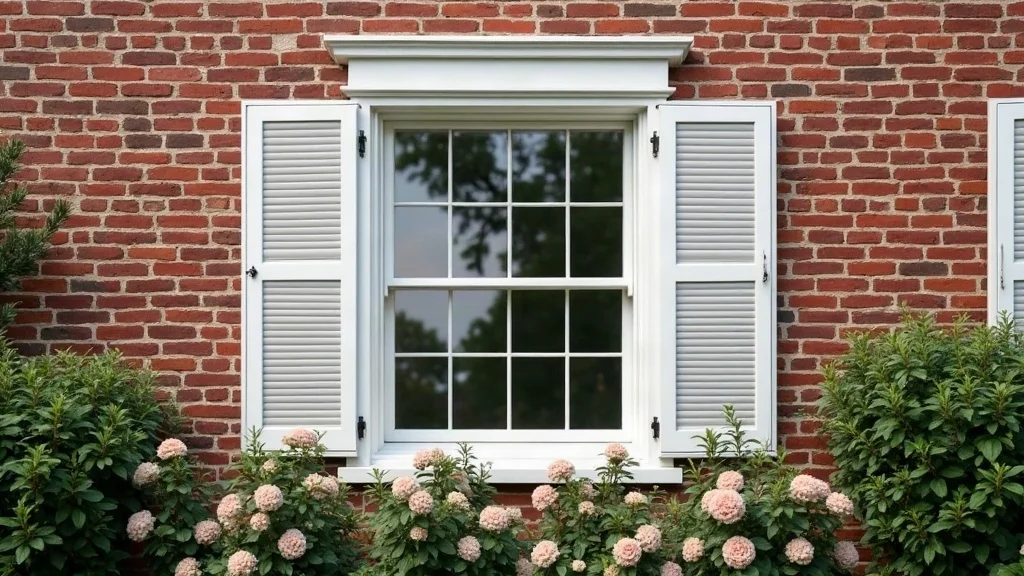
Answer: Colonial style windows typically feature divided lights and symmetrical proportions, often requiring custom or period-appropriate replacements to maintain authentic historic appearances.
Choosing Windows for Historic Homes: Comparing Features, Benefits, and Limitations
Feature |
Historic Wood |
Insulated Glass |
Vacuum Insulated Glass |
|---|---|---|---|
Authenticity |
High |
Medium |
High |
Energy Efficiency |
Low |
High |
Very High |
Maintenance |
High |
Medium |
Low |
FAQs: Choosing Windows for Historic Homes
How can I tell if my windows are original to my historic home?
What are the key features of energy efficient historic windows?
Are there tax credits or grants available for restoring historic windows and doors?
How do I balance modern performance with historic aesthetics?

Key Takeaways for Choosing Windows for Historic Homes
Match style and material for a seamless look
Prioritize energy efficiency with insulated glass options
Consult local regulations and historic guidelines
Partner with specialists in historic window restoration and installation





Write A Comment