Add Row
Add Element
UPDATE
Add Element

Your guide to modern living—every day.

  • Home
  • Categories
    • Wellness
    • Home and Garden
    • Work and Life
    • Travel
    • People and Style
    • Living Spaces
December 07.2025
1 Minute Read

Unlock Deep Rest with Bedtime Yoga for Sleep Tonight

What if a few gentle stretches before bed could transform your restless nights into deep, restorative sleep? Many people spend their evenings caught in a loop of digital screens, busy thoughts, and interrupted rest. But what if the solution to better sleep was as simple as rolling out a yoga mat in your own bedroom? In this guide, you'll discover how integrating bedtime yoga for sleep into your nightly routine can help you release the tensions of a busy day, calm your mind, and prepare your body to drift off peacefully. Join us as we explore the science, the best yoga poses, and practical routines—all crafted to help you sleep soundly tonight.
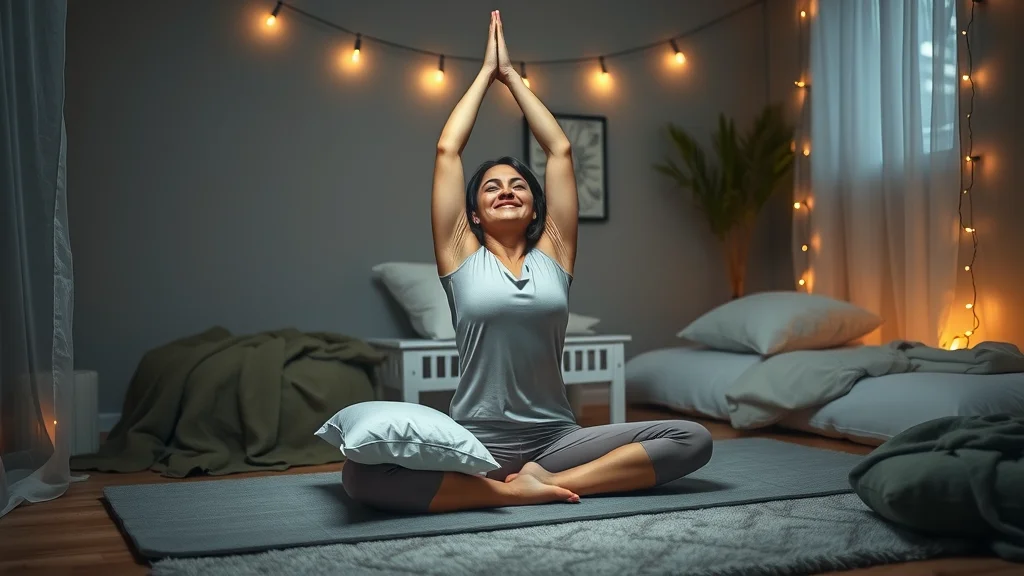
Bedtime yoga for sleep: Calm woman in Child’s Pose in a softly lit bedroom, cozy bedding, tranquil colors, candlelight, and peaceful ambiance

Can Bedtime Yoga for Sleep Truly Transform Your Nights?

It’s a common question: Can bedtime yoga for sleep really help you overcome frustration and restless nights? Science and centuries-old wisdom agree—regularly practicing yoga before bed can improve your sleep quality, soothe your nervous system, and help you transition from the chaos of a busy day to the serenity of deep rest. As more people seek natural solutions for winding down, evening yoga routines are gaining popularity for their gentle, body-and-mind-focused approach. With evidence mounting from sleep scientists and certified yoga instructors alike, it’s no wonder nightly yoga practices are showing up in bedrooms everywhere. Begin this transformative journey, and you’ll notice how just a few minutes of gentle movement and breath flow can ease muscle tension, quiet a racing mind, and prepare your body to drift off to sleep with ease.

Discover Why Bedtime Yoga for Sleep Is Gaining Popularity

The rise in popularity of evening yoga isn’t hype—it’s a response to our ever-increasing need for holistic, accessible ways to combat insomnia and mental fatigue. Unlike morning yoga, bedtime yoga for sleep embraces slow, restorative moves, perfect for anyone looking to unwind after a taxing day. Practitioners love how these yoga poses invite deep breaths and mindful movement, reducing anxiety and preparing the nervous system for rest. The gentle routines fit any schedule; whether you’re a yoga beginner or a seasoned pro, you can easily adapt the practice to your comfort, turning it into a cherished nightly ritual. With benefits like improved blood circulation, decreased stress, and better sleep quality, it’s no wonder bedtime yoga is becoming an essential part of so many nightly routines.

For those interested in deepening their evening relaxation, exploring ways to connect with your higher self can further enhance the calming effects of bedtime yoga, fostering a more mindful and restorative transition into sleep.

What You'll Learn in This Guide to Bedtime Yoga for Sleep

  • The science behind bedtime yoga for sleep and how it impacts your body
  • Step-by-step bedtime yoga poses to calm your mind
  • Best practices for yoga before bed
  • Expert insights on evening yoga routines
  • Frequently asked questions about bedtime yoga for sleep

Bedtime yoga for sleep: Individual reading sleep science book with yoga props, cozy nook, nighttime city lights, calming setting

The Science: How Bedtime Yoga for Sleep and Evening Yoga Support Better Rest

The connection between bedtime yoga for sleep and improved rest is not just anecdotal—recent research from institutions studying sleep and relaxation demonstrates that gentle, restorative yoga before bed can positively impact both your nervous system and hormones. Evening yoga helps transition the body from a ‘fight-or-flight’ mode into a ‘rest-and-digest’ state by reducing cortisol, the stress hormone, and increasing gamma-aminobutyric acid (GABA), which is linked to decreased anxiety and better sleep quality. With consistent practice, bedtime yoga can improve circulation, soothe tired muscles, quiet mental chatter, and create a predictable routine that signals to your body: it’s time to wind down and prepare for deep sleep. This natural transition is crucial, especially after a busy day where our minds may be overstimulated by screens or stressors.

Yoga Can Improve Nightly Rest—Here’s How

Fundamentally, yoga can improve sleep by calming both the body and mind through a unique combination of gentle movement and deep breathing. Unlike vigorous exercise, bedtime yoga for sleep focuses on slow stretches and restorative poses such as Child’s Pose and Legs-Up-the-Wall, designed to release tension, lower heart rate, and activate the parasympathetic nervous system. By integrating breath flow and mindful awareness, certified yoga instructors note that participants feel more at ease, making it easier to drift off to sleep. Scientific studies show that participants who add evening yoga to their nightly routine report not only falling asleep faster but also enjoying higher-quality, more restful sleep. Even for beginners, these simple postures, practiced quietly and consistently, offer a powerful cue that it’s time to leave the day behind and prepare your body for rest.

"Practicing bedtime yoga is one of the gentlest yet most effective ways to prepare your mind and body for a restful night’s sleep." — Certified Yoga Instructor

Yoga Poses for Bedtime Yoga: The Best Moves for Relaxation

  • Child’s Pose
  • Legs-Up-the-Wall Pose
  • Reclining Butterfly
  • Supine Spinal Twist
  • Seated Forward Bend
Yoga Pose Description Sleep Benefit
Child’s Pose Gentle forward fold Calms the nervous system
Legs-Up-the-Wall Legs elevate against the wall Reduces anxiety, improves circulation
Reclining Butterfly Gentle hip opener Releases tension
Supine Spinal Twist Gentle twist Relieves back discomfort
Seated Forward Bend Stretch for back and legs Promotes relaxation

Bedtime yoga for sleep: Person doing Legs-Up-the-Wall pose in a serene bedroom corner with pillow support and peaceful atmosphere

Evening Yoga Routine: Building a Mindful Sleep Ritual

Incorporating bedtime yoga into your nightly routine doesn't require hours—ten to fifteen minutes of mindful movement can be enough. Begin by dimming lights, lowering noise levels, and setting aside your devices. Start with a restorative pose like Child’s Pose to invite your body and mind into a state of stillness. Select three to five yoga poses tailored to your comfort, holding each for one to three minutes. As you move slowly, focus on your breath flow, syncing gentle inhalations and exhalations to deepen the calming effect. To finish, settle into a lying or seated meditation, taking several deep breaths while you release lingering stress and tensions. This mindful transition—from gentle yoga to stillness—signals to your body that the busy day is over, and it’s time to drift off into restful sleep.

  1. Dim the lights and put away screens 30 minutes before yoga
  2. Choose 3–5 bedtime yoga poses
  3. Practice each pose for 1–3 minutes
  4. Focus on deep, slow breathing during yoga before bed
  5. End with a short meditation or mindful breathing exercise

Timings and Tips: When & How to Practice Yoga Before Bed

The best time to practice yoga before bed is about 30–45 minutes prior to your intended sleep time, allowing your mind and body to settle into a restful state. Set up a calming environment: low lighting, gentle music, and perhaps a few candles or incense to heighten the sense of tranquility. Choose gentle, restorative yoga poses, and avoid any high-intensity flows that might energize rather than relax you. Listen to your body—your movements should be slow, your breath deep, and your intention focused on relaxation. Nightly consistency is more effective than the occasional long session and will train your body and mind to recognize bedtime yoga as part of your regular bedtime routine. Additionally, sticking to the same set of postures can reinforce signals that it’s time to rest, helping you fall asleep more quickly and deeply.
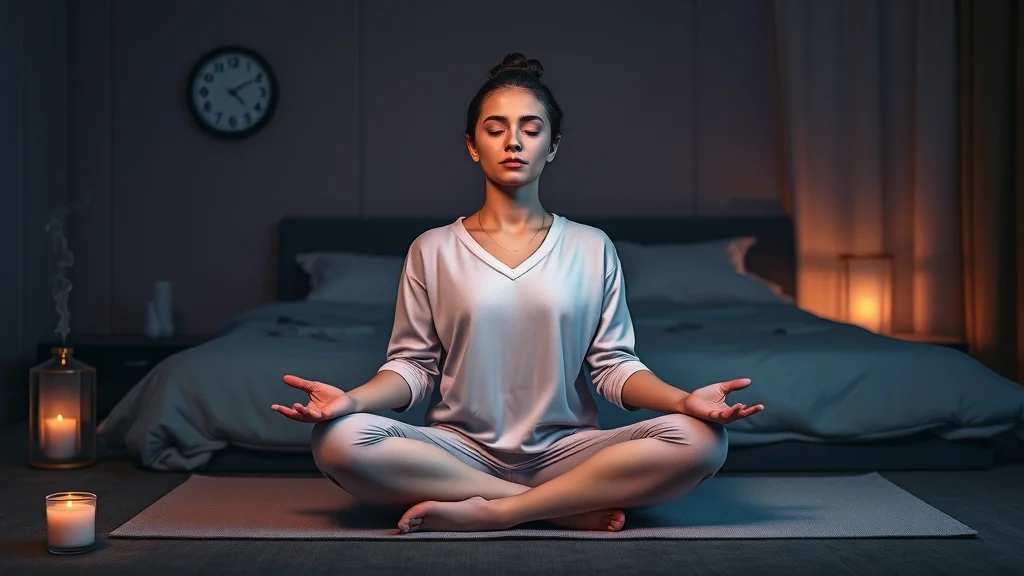
Yoga before bed: Person meditating cross-legged on mat in a candle-lit bedroom, clock showing bedtime, peaceful self-care environment

Why Gentle Bedtime Yoga Poses Are Key to Deep Sleep

Gentle yoga poses are essential for deep, high-quality sleep because they activate the body’s relaxation response without overstimulating the mind or muscles. When you move slowly through restorative postures, such as Reclining Butterfly or Supine Spinal Twist, you encourage the parasympathetic nervous system to take over, signaling that it’s time to rest and recover. Deep breathing, a central component of yoga practice, further calms the mind, reduces anxiety, and balances out stress hormones. As you maintain a steady breath flow and settle into each posture, your body temperature drops, heart rate slows, and melatonin production increases—all key elements for falling and staying asleep. Practicing gentle bedtime yoga for sleep allows you to ease mental chatter and improve sleep quality, supporting a true sense of deep rest throughout the night.

Visual learners will benefit from this concise, easy-to-follow video demonstration. Here, a certified yoga instructor gently guides you through five highly effective bedtime yoga poses, including Child’s Pose, Legs-Up-the-Wall, Reclining Butterfly, Supine Spinal Twist, and Seated Forward Bend. Each pose is demonstrated in a softly-lit, calming bedroom with soothing transitions and cues for deep breathing, allowing you to follow along and establish a peaceful rhythm before bed. Remember to move at your own pace, listen to your body, and let the background music and clear instructions help transform your nightly bedtime routine. Incorporating this sequence can help you optimize relaxation and enhance your overall sleep quality tonight.

People Also Ask: Expert Answers About Bedtime Yoga for Sleep

Which yoga is best before sleeping?

Child’s Pose, Legs-Up-the-Wall, and Reclining Butterfly are some of the most recommended bedtime yoga poses for relaxation and sleep preparation.

These poses encourage deep breathing, relaxing the muscles, and soothing the nervous system—a perfect combination for winding down after a busy day. By focusing on these gentle postures, you set the stage for a smooth transition into restorative sleep, helping you fall asleep faster and more deeply.

Is it good to do yoga before going to bed?

Yes, yoga before bed can help reduce stress, calm the mind, and promote better quality sleep when performed gently and mindfully.

Practicing yoga before bed allows you to release tension that may have built up during your daily move, switch sides, and support the body and mind in letting go of the day. Gentle stretches combined with deep breath flow signal to your system that it’s time for rest, optimizing your sleep quality.

What yoga helps you sleep?

Evening yoga routines that focus on restorative postures and deep breathing—such as Legs-Up-the-Wall and Supine Spinal Twist—help the body and mind transition to sleep.

Poses that encourage you to lie flat or gently stretch critical areas of the body can relax muscles, regulate blood circulation, and calm mental chatter, priming you to drift off to sleep with increased ease. These routines, when practiced consistently, can greatly improve sleep quality over time.

Bedtime yoga for sleep: Person lying in Reclining Butterfly pose in a softly lit bedroom, dreamy serene ambiance, supportive cushions and tranquil colors

Is there such a thing as bed yoga?

Yes, bed yoga consists of gentle yoga poses that can be performed in or on your bed, supporting relaxation and contact with comfort before sleep.

Bed yoga involves performing simple stretches—like gentle spinal twists or knees-to-chest—without the need to move to a yoga mat. These adaptations are perfect for those who prefer to stay cozy or have limited mobility, making bedtime yoga for sleep both accessible and restorative for everyone.

Frequently Asked Questions: Bedtime Yoga for Sleep

  • How many times a week should I do bedtime yoga for sleep?
  • Can beginners start bedtime yoga routines easily?
  • What should I avoid when practicing yoga before bed?

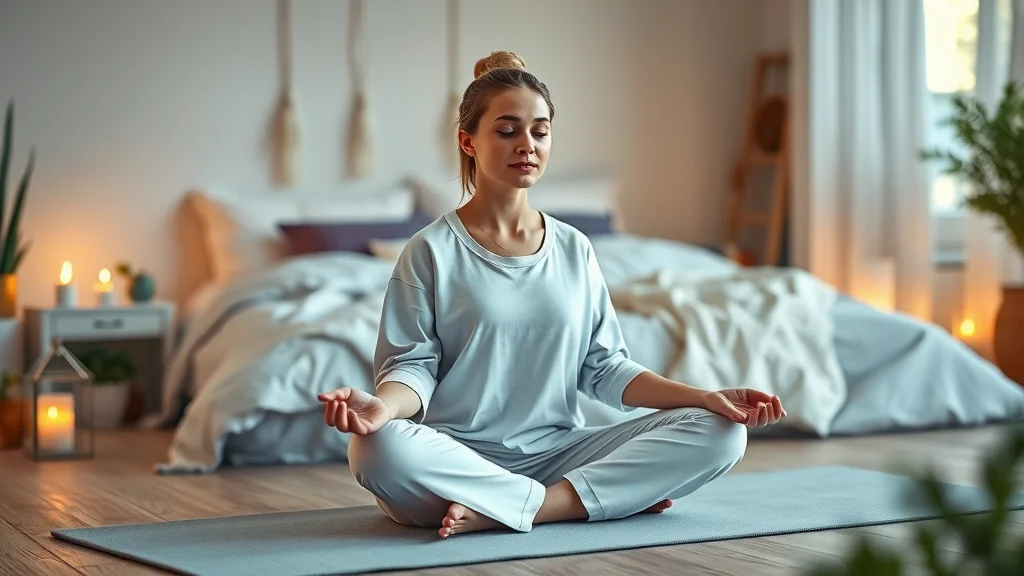
Bed yoga: Beginner stretching gently on a bed, cheerful expression, pastel bedding, and calm bedroom environment

How many times a week should I do bedtime yoga for sleep? For best results, try to practice bedtime yoga for sleep at least three to five times per week. Consistency is more important than length of practice—regular, gentle routines train your body and mind to associate these movements with bedtime, making it easier to fall asleep.

Can beginners start bedtime yoga routines easily? Absolutely! Most bedtime yoga poses are slow, gentle, and accessible for all experience levels. Start with just two or three poses and gradually build up as you get comfortable. There’s no need to be flexible—focus on mindful breathing and relaxation.

What should I avoid when practicing yoga before bed? Avoid vigorous flows or poses that elevate the heart rate and stimulate adrenaline (such as standing balances or backbends). Aim for calming, restorative poses with slow breath flow to signal relaxation rather than energizing the body.

Complement your nightly routine with this detailed, instructor-led video highlighting the top five bedtime yoga poses for sleep—each offering step-by-step guidance and tips for deep relaxation. Watch, follow along, and enjoy a peaceful transition into your most restorative night’s rest yet. Remember to move mindfully, breathe deeply, and let go of tension as you flow through each posture.

Key Takeaways for Bedtime Yoga for Sleep

  • Gentle bedtime yoga routines support better sleep
  • Consistency in evening yoga offers long-term benefits
  • Select calming yoga poses to optimize your rest

Ready to Experience Deep Rest? Start Your Bedtime Yoga for Sleep Journey Tonight

Gentle bedtime yoga can become your nightly sanctuary, transforming sleepless nights into deep, restorative rest for body and mind. Let tonight be the night you discover what a few mindful stretches can do!

If you’re inspired to take your nightly routine to the next level, consider how integrating practices that help you connect with your higher self can amplify the benefits of bedtime yoga. By weaving in mindful reflection or spiritual intention, you create a holistic approach to rest that nurtures both body and soul. This journey isn’t just about better sleep—it’s about awakening a deeper sense of peace and clarity that carries into every aspect of your life. Explore new ways to elevate your evening rituals and discover the transformative power of aligning your mind, body, and spirit before you drift off to sleep.

Sources

  • Sleep Foundation: Relaxation Exercises for Sleep
  • National Institutes of Health: Yoga and Sleep
  • Yoga Journal: Yoga for Bedtime

Incorporating bedtime yoga into your nightly routine can significantly enhance sleep quality by calming the mind and relaxing the body. For a comprehensive guide, consider the Cleveland Clinic’s article, “Bedtime Yoga for Better Sleep: A 10-Pose Routine to Try”, which offers a structured sequence of poses designed to help you unwind and prepare for restful sleep. Additionally, the Sleep Foundation’s piece, “How Yoga Can Improve Your Sleep Quality”, delves into the science behind yoga’s impact on sleep and provides practical tips for integrating yoga into your bedtime routine. If you’re serious about enhancing your sleep naturally, these resources will provide valuable insights and step-by-step guidance.

Wellness

Write A Comment

*
*
Related Posts All Posts
12.07.2025

Stay Heart-Healthy This Winter: Essential Tips for Cardiac Patients

Update Understanding Winter's Impact on Heart Health As temperatures drop, heart patients often face increased cardiovascular risks. Cold weather can constrict blood vessels, raise blood pressure, and challenge the heart’s ability to function optimally. Cardiovascular disease is a leading cause of mortality in both the United States and India, highlighting the urgency for effective heart-health strategies, particularly as winter approaches. In this article, we'll explore practical, science-backed precautions heart patients can take to thrive throughout the colder months. 1. Dress Warmly and Layer Dressing appropriately for cold weather is crucial. For heart patients, wearing layered clothing, hats, socks, and gloves can help minimize heat loss and maintain body warmth. Proper attire prevents the heart from working overtime due to the stress caused by cold exposure, which can lead to angina or even heart attacks. 2. Stay Indoors During Extreme Cold Prolonged exposure to frigid temperatures can have devastating effects on heart health. If it's exceptionally cold, limiting time outdoors is essential. Instead, consider fun alternatives like indoor gym exercises or community classes. It's important during these months to maintain a regular exercise routine while avoiding overexertion. 3. Keep Warm With Frequent Breaks If your lifestyle requires outdoor work, make sure to take frequent breaks indoors to warm up. This is especially important for those with heart conditions, as the cold can exacerbate underlying issues. Standing near a heater for brief periods can be beneficial and should be part of your routine. 4. Lighten Up on Alcohol While many turn to alcohol to 'stay warm,' it can actually harm heart health. Alcohol dilates blood vessels, which can facilitate heat loss from vital organs, and drinking excessively can contribute to heightened risks of irregular heartbeats and other cardiovascular issues. Limiting alcohol intake is key during winter months. 5. Embrace Outdoor Sunlight Cold weather can lead to a lack of sunlight exposure, which is essential for mood and overall health. On sunny winter days, try to soak up some sun whilst engaging in light physical activities such as leisurely walks. This offers not just the benefits of sunlight but the exercise needed for heart health. Remember to monitor intensity and select activities suited to your physical fitness level. 6. Frequent, Small Meals Over Heavy Feasts During winter, heavy meals can put pressure on your heart. Instead of consuming two or three large meals, aim for five to six smaller ones throughout the day. This helps your body digest food efficiently without stressing the heart, ensuring energy levels remain consistent. 7. Prepare for Illness Flu season coincides with winter, and vaccinations are paramount for heart patients. The flu can significantly increase the risk of heart attacks. It's advisable to get the flu vaccine and remain vigilant about symptoms. Always consult a healthcare professional before taking any cold or flu medications, as many contain ingredients that can elevate heart risks. Winter Health Insights and Practical Tips These heart health tips can empower individuals to take charge of their winter wellness. Remember, simple actions have significant impacts. It’s about making informed choices, ensuring that heart health remains a priority even when life gets busier during the season. Concluding Thought Heart health awareness is crucial all year round, but winter requires extra vigilance. By taking these precautions, heart patients can enjoy a safe and active winter. Remember, it’s never too late to start prioritizing heart health and making changes that can lead to a longer, healthier life.

11.22.2025

Is Cosmetic Dental the Smile Fix You’ve Been Missing?

ConfiDent Smile Studio 📍 Address: 6780 Abrams Rd suite 111, Dallas, TX 75231, USA 📞 Phone: +1 214-888-6726 🌐 Website: https://www.confidentsmilestudiotx.com/ ★★★★★ Rating: 5.0 Why Millions Seek Cosmetic Dental: More Than Just Looks When people think of dental treatments, the first things that come to mind are usually routine checkups, cleanings, and maybe the occasional filling. But what about the impact your smile has on how you feel daily? A recent study shows that over 80% of adults wish they could change something about their smile, and that desire often goes far beyond aesthetics—it’s tied deeply to self-confidence, personal presentation, and even emotional well-being. The quest to improve our smiles is about more than vanity; it’s about feeling empowered to connect authentically with others, to laugh without hesitation, and to show the world who we really are. Enter the world of cosmetic dental care—where transforming your appearance can also uplift your self-esteem and sense of belonging. These solutions are not solely reserved for celebrities or public personalities; they are increasingly accessible, sophisticated, and grounded in patient-centered care. The demand for cosmetic dental treatments signals a shift: people want comprehensive dental health that not only protects but also enhances their quality of life. In an era where appearances and first impressions can open doors, understanding the real value behind cosmetic dental is not only timely but essential for anyone considering a step toward greater confidence and well-being. Understanding Cosmetic Dental: Why It’s Transforming Oral Health for Everyday People Cosmetic dental encompasses a spectrum of techniques designed to improve and restore the appearance of your smile, whether through straightening, whitening, replacing, or reshaping teeth. It involves treatments like clear aligners, smile design, dental implants, and advanced materials that blend seamlessly with natural teeth. The purpose of cosmetic dental interventions is not simply to mask imperfections but to create harmony between oral function and personal aesthetics, enabling patients to experience renewed comfort, health, and self-esteem. In recent years, innovations such as digital scanners and smile design software have transformed what’s possible—patients can now preview their potential results before any procedure even begins. Despite the many benefits, there’s often hesitation or uncertainty around cosmetic dental options. Some may fear complex procedures or worry that their smile goals aren’t realistic. Unfortunately, neglecting to consider cosmetic dental solutions can perpetuate issues like low self-confidence or even cause people to avoid social opportunities. When cosmetic dental options are misunderstood or dismissed, the opportunity for meaningful change—physically and emotionally—is lost. By gaining a clear understanding of the available solutions and their transformative potential, patients are empowered to make informed, confident decisions about their smiles and, by extension, their overall outlook on life. How Cosmetic Dental Choices Change Lives: Real Benefits You Can See and Feel When exploring the advantages of cosmetic dental care, it becomes clear that the value extends well beyond a brighter smile. At its core, cosmetic dentistry aims to create lasting changes that positively influence self-perception, confidence, and daily interactions. Dental practices that embrace advanced technology and compassionate patient care—such as digital smile design or the use of clear aligners—allow individuals to make informed decisions and visualize results before treatment even begins. This empowers patients to take control of their oral health while ensuring comfort and clarity throughout the process. The outcomes of cosmetic dental interventions are far-reaching. Straightening teeth with clear aligners can eliminate the embarrassment and discomfort many feel with traditional braces. Dental implants not only restore appearance but also provide essential function, ensuring that patients can eat, speak, and smile naturally. Advanced procedures are performed with an emphasis on patient education, ensuring everyone understands their options and feels supported in their choices. In everyday situations—whether on a job interview or at a family gathering—the confidence gained from a transformed smile is often the spark that propels people toward new opportunities and deeper connections. The Technology Behind Your Smile: Digital Design and Clear Aligner Innovation The field of cosmetic dental has experienced dramatic improvements in recent years, largely due to cutting-edge technology—making the journey to a great smile more accurate, predictable, and comfortable for patients. Digital smile design tools use advanced imaging and software to model a patient’s ideal outcome, taking the guesswork out of treatments and ensuring satisfaction before any permanent changes are made. This participatory approach allows each individual to visualize transformations, promoting transparency and trust throughout the dental care experience. Clear aligner options, like Invisalign® and SureSmile®, are revolutionizing orthodontic care by offering removable, virtually invisible alternatives to traditional braces. These aligners allow patients to continue their daily lives with minimal interruption or discomfort, making cosmetic dental treatments more accessible than ever before. The integration of digital technology and patient-centered design paves the way for more predictable results and heightened patient engagement, enhancing the satisfaction and long-term success of each smile makeover. Connection, Community, and Compassion: The Heart of Modern Cosmetic Dental Care Cosmetic dental is not simply a set of procedures; it reflects a larger shift in dental philosophy—one that prioritizes connection, compassion, and a strong sense of community. Practices distinguished by this ethos focus on building personal relationships, ensuring every patient feels seen, heard, and valued throughout their experience. Care is delivered in a way that nurtures trust, enabling people from diverse backgrounds to overcome anxiety and approach oral health with renewed optimism and intention. Far beyond technical excellence, this approach recognizes the powerful impact a confident smile can have—not just on the individual, but on their participation in the wider community. A practice that invests in community partnerships and ongoing support highlights that cosmetic dental outcomes are most meaningful when rooted in empathy and empowerment. Restoring Confidence: The Power of Personalized Smile Design The concept of smile design exemplifies how truly personalized cosmetic dental solutions have become. By utilizing digital scanning and advanced 3D modeling, patients are no longer left wondering what to expect; they see a preview of their prospective results, fostering open dialogue and shared decision-making. This level of personalization ensures that each outcome reflects the unique goals and character of the individual, rather than settling for a generic “one-size-fits-all” approach. The assurance and clarity that come from co-creating a smile transformation allows people to take proactive ownership of their oral health journey. Feeling included and informed in every step reduces anxiety and fosters lasting confidence, both in the decision to proceed and in the outcome they carry into every aspect of their lives. The Educational and Empowering Approach of ConfiDent Smile Studio ConfiDent Smile Studio approaches cosmetic dental with a philosophy grounded in empathy, education, and community impact. The practice sees dental care as an ongoing journey—one built on meaningful relationships, transparent communication, and intentional support. Rather than offering standard procedures, this team invites patients to become active participants, offering clear explanations and state-of-the-art visualizations using digital tools. The focus is always on making each individual feel respected, supported, and truly understood. Their mission stretches beyond the clinic walls, partnering with community programs to serve and uplift those who are most vulnerable in Dallas. This commitment is woven through every patient experience, making each cosmetic dental transformation not just an individual achievement, but a communal act of care. Comfort, clarity, and connection are at the heart of their approach—ensuring that patients leave not only with brighter smiles, but with a deeper sense of belonging and self-assurance. What Real People Are Saying: Confidence Restored, Smiles Rebuilt For many, deciding to take the first step toward a healthier smile can feel overwhelming. But hearing from those who’ve experienced success firsthand can make all the difference. One patient new to the area discovered just how transformative cosmetic dental care can be on both a practical and emotional level: I’m new in town and Confident Smile Studio was the exact dental practice I was hoping to find. The staff is welcoming and Dr. Powell was sure to explain every step of the process to me as we progressed through my first exam. I met Dr. Nwankwo afterwards and felt like I had found a brother. I recommend you visit their practice for all your dental needs, as for myself I will continue to be a patron, and look forward to my new smile. —Odell Isaac Stories like this underscore the powerful sense of reassurance and trust possible when cosmetic dental is delivered with genuine care and transparency. Taking proactive steps toward your own smile transformation opens doors to feeling at home with yourself—and with your community—while enjoying the lifelong benefits a healthy, confident smile provides. What Cosmetic Dental Means for Confidence, Health, and Community Impact Today’s cosmetic dental solutions offer so much more than a cosmetic fix—they are pathways to resilience, confidence, and community engagement. The model embraced by leading practices like ConfiDent Smile Studio demonstrates that when dental care prioritizes empathy, technological innovation, and intentional patient support, the results are truly far-reaching. Individuals gain access to transformative outcomes that support their health and confidence, while the broader community benefits from a culture of connection and shared wellness. Cosmetic dental treatments are evolving to meet not only the aspirational goals of patients, but to redefine the standards of care, collaboration, and compassion in the dental field. If you’re considering your options, remember that cosmetic dental is more than just a change in appearance—it’s a step toward living more confidently, engaging more meaningfully, and building a sense of community wherever your smile takes you. Contact the Experts at ConfiDent Smile Studio If you’d like to learn more about how cosmetic dental could benefit your dental care, contact the team at ConfiDent Smile Studio. 📍 Address: 6780 Abrams Rd suite 111, Dallas, TX 75231, USA 📞 Phone: +1 214-888-6726 🌐 Website: https://www.confidentsmilestudiotx.com/ ConfiDent Smile Studio Location and Hours 🕒 Hours of Operation:📅 Monday: 9:00 AM – 5:00 PM📅 Tuesday: 9:00 AM – 5:00 PM📅 Wednesday: 9:00 AM – 5:00 PM📅 Thursday: 9:00 AM – 5:00 PM📅 Friday: ❌ Closed📅 Saturday: ❌ Closed📅 Sunday: ❌ Closed

11.09.2025

Discover Essential Oils for Optimal Health Care This Winter

Update The Importance of Winter Wellness As winter’s chill sets in, our bodies face unique challenges that can impact overall health. With the cold air depriving our skin of moisture and the heightened risk of catching colds and flu, it's crucial to equip ourselves with natural remedies that bolster our immune systems and support our well-being during the colder months. Essential Oils: Nature's Health Allies Essential oils offer a holistic approach to winter care by delivering numerous health benefits through their aromatic properties. Breathing in these natural extracts can stimulate emotions and boost physical health—helping to alleviate stress and strengthen the immune system. Different essential oils serve distinct purposes, making them versatile tools for winter wellness. Lavender Oil: Your Calming Companion Lavender oil isn’t just a favorite for its pleasant scent; it excels in promoting restful sleep and reducing anxiety. Its antibacterial and anti-inflammatory properties make it a superb choice for maintaining skin health during dry winters. To harness its benefits, mix a few drops with carrier oils like coconut or jojoba for skin hydration. Lemon Oil: A Bright and Fresh Choice With its sunny aroma, lemon oil serves multiple roles: it's an effective antiseptic and has detoxifying properties that uplift both your mood and your immune system. Add it to your cleaning routine to maintain a germ-free home, or simply diffuse it to energize your environment. Boosting Circulation with Rosemary Oil Combat winter fatigue with rosemary oil, known for enhancing blood circulation and keeping you warm. It not only fights muscle stiffness but also uplifts your spirits—a perfect partner for those long, cold months. Hydrate and Soothe with Sandalwood Oil Sandalwood, with its deeply hydrating properties, fights dry skin while its soothing scent calms the mind. Incorporate it into your self-care routine for relaxation and a radiant complexion this winter. Oregano Oil: A Powerful Immunity Booster Packed with antiviral and antibacterial properties, oregano oil is essential for winter health. It can help combat common illnesses triggered by changing weather. Take it in capsule form or mix it with a carrier oil for topical applications to keep your skin nourished. Peppermint Oil: Refresh and Revitalize Minty and invigorating, peppermint oil aids digestion and alleviates headaches, making it a go-to during seasonal transitions. Use peppermint oil in teas or as a topical treatment to refresh your mind and body. Tea Tree Oil: Defense Against Illness This oil acts like a natural shield, fighting off bacteria and viruses. Tea tree oil can clear skin irritations while also being effective against respiratory challenges—making it especially useful in the winter months. Frankincense Oil: Ground Your Spirit Known for its calming qualities and immune-boosting effects, frankincense oil is great for relieving anxiety and rejuvenating your spirit. Consider adding it to your handwashing routine to enhance cleanliness during flu season. Common Misconceptions About Essential Oils Despite their benefits, many people are hesitant to use essential oils, often overwhelmed by misinformation. It's essential to understand that these oils are safe and beneficial when used properly. Most importantly, they're an excellent alternative to over-the-counter medications for minor ailments. Making the Most of Essential Oils Whether diffused, applied topically, or infused in home remedies, essential oils hold the potential to significantly improve your winter health. To truly benefit from these oils, consider integrating them into your daily routine. Conclusion Embrace a healthier winter by incorporating essential oils into your wellness plan. This season, let nature’s bounty invigorate your health and enhance your daily life. Why not explore how these oils can transform your winter experience?

Terms of Service

Privacy Policy

Core Modal Title

Sorry, no results found

You Might Find These Articles Interesting

T
Please Check Your Email
We Will Be Following Up Shortly
*
*
*