

Ready to decode the delicious debate?
Which Chocolate Wins Hearts? Dark Chocolate vs Milk Chocolate Health Explored
When it comes to deciding between dark chocolate and milk chocolate, most people choose based on taste—dark for its bitter taste and intensity, milk for its creamy sweetness. However, in the health arena, there are significant differences between these classic Valentine’s treats.

The primary health-driving compounds in chocolate are flavonoids, natural plant antioxidants especially abundant in higher-cacao content varieties. Dark chocolate is typically made with at least 70% cacao—meaning more potent flavonoid levels and less added sugar than its milk chocolate counterpart.
Despite this, milk chocolate is beloved for its smooth texture and sweet flavor, but contains lower cacao percentage, supplemented with more sugar and milk fats. This not only affects the total energy intake but also the health implications of regular consumption. When examining which chocolate supports heart health and mood, it’s crucial to weigh factors such as flavonoid content, sugar levels, and filler ingredients.
Let’s take a closer look at how dark and milk chocolate compare in their impact on blood vessels, mental wellbeing, and even your sweet tooth. Whether you seek a treat to lower risk of cardiovascular concerns or simply crave an energy-boosting delight, decoding the specifics will help you make an informed Valentine’s Day choice.
The cardiovascular effects of dark and milk chocolate
How flavonoid content impacts your health
Sugar and filler ingredient differences
Mood and mental health benefits
Practical tips for choosing your Valentine’s treat

Dark Chocolate vs Milk Chocolate Health: Nutritional Overview Table
To fully understand the difference between dark chocolate vs milk chocolate health, it’s essential to compare their nutritional profiles. The following table summarizes the crucial metrics: nutrients, flavonoid content, sugar levels, total energy intake (calories), and immediate health benefits on cardiovascular and mental wellbeing.
Chocolate Type |
Cacao Percentage |
Flavonoid Content |
Sugar per 30g (1 oz) |
Calories per 30g |
Key Health Benefits |
|---|---|---|---|---|---|
Dark Chocolate |
70%–85% |
High (rich in antioxidants) |
6–8g |
170–180 |
Blood pressure support, blood vessel flexibility, longer mood lift |
Milk Chocolate |
20%–40% |
Low to moderate |
15–18g |
150–170 |
Serotonin boost, sweeter flavor, immediate energy spike |
When considering heart health, it’s also helpful to look beyond chocolate and explore other foods that can support your cardiovascular system. For example, incorporating a variety of heart-friendly options into your diet—such as those highlighted in this guide to delicious foods that keep your heart joyful—can further enhance your wellness strategy alongside your chocolate choices.
Comparing Flavonoid Content: The Science Behind Dark Chocolate and Milk Chocolate
Flavonoids are compounds found in plants that have significant antioxidant effects, helping to reduce inflammation, improve blood vessel function, and support heart health. The flavonoid content in chocolate is mainly influenced by how much cacao it contains.
Dark chocolate with a cacao percentage of 70% or more boasts the highest levels, making it a “superfood” in the chocolate world. Studies show these antioxidants can help lower blood pressure, support healthy blood flow, and may even reduce the risk of cardiovascular diseases.
On the other side, milk chocolate contains a much lower percentage of cacao. The addition of milk and sugar dilutes the concentration of these beneficial compounds, reducing the potential heart and brain benefits. While it provides delightful taste and immediate sugar-driven energy, it simply can’t match the potent antioxidant power of dark chocolate. If your goal is a healthy diet with positive impacts on your heart, dark chocolate is backed by decades of research in human nutrition science.
Why Flavonoids Matter in Dark Chocolate vs Milk Chocolate Health
Flavonoids in chocolate go beyond just being antioxidants—they actively support blood vessels by promoting elasticity and lowering inflammation. The consumption of dark chocolate, according to research cited by major gov websites on nutrition, is linked to improved cardiovascular markers, especially when you focus on products with fewer added sugars and higher cocoa content. This is why dark chocolate is typically recommended for those aiming to lower risk of heart concerns.
In contrast, milk chocolate’s sweetness is appealing to those with a sweet tooth, but it doesn’t offer the same circulation benefits. With a focus on energy intake, more sugar in each chocolate bar can lead to rapid blood sugar spikes—something clinical nutritionists warn against when discussing overall health benefits.
For those watching their total energy intake, the higher concentration of cocoa solids in dark chocolate (with less filler and sugar) often makes it the preferred choice.
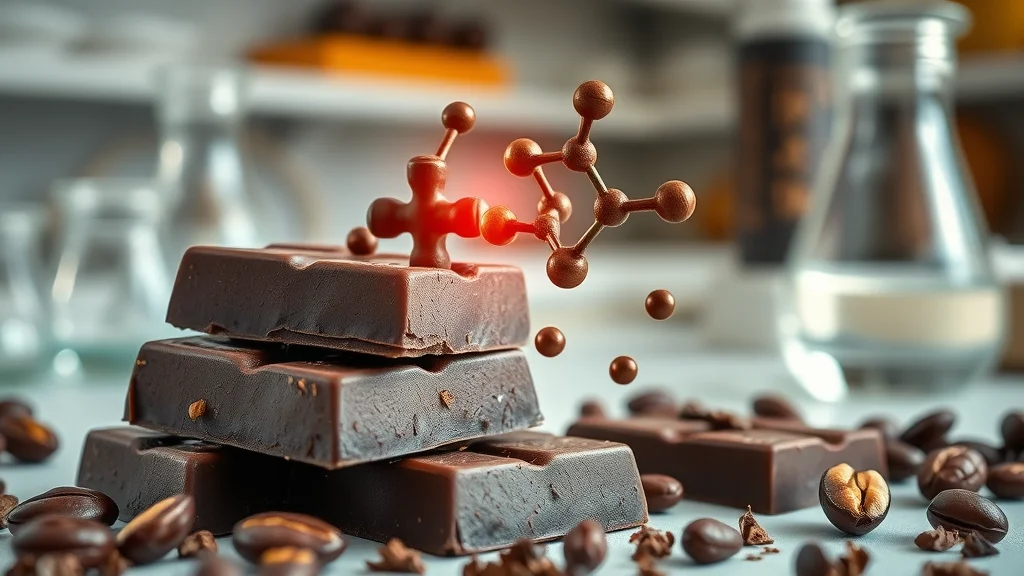
“Higher-cacao dark chocolate contains substantially more antioxidants, making it a heart-healthy choice—studies suggest regular consumption supports better blood pressure.”
Sugar Levels and Energy Intake: The Health Implications of Dark and Milk
Sugar content and caloric load are critical when comparing dark chocolate vs milk chocolate health. Milk chocolate is typically sweeter, relying on higher amounts of sugar and milk fats to deliver its creamy taste. While this makes it more immediately satisfying for some, it also means a greater spike in energy intake and blood sugar. Overconsumption could contribute to increased total energy and, over time, undermine cardiovascular wellness.
Dark chocolate, on the other hand, gets its intense, slightly bitter taste from a higher ratio of pure cocoa solids and cocoa butter, containing less added sugar. This healthier ratio means fewer calories from sugars, less drastic blood glucose changes, and a more stable mood boost.
Choosing chocolate with 70% cacao or more is often advocated by dietitians on official websites, especially for those looking to keep their energy intake in check without compromising the indulgence of chocolate.

Understanding Sugar and Calories in Dark Chocolate vs Milk Chocolate
There are notable differences in how sugar content and total calories affect health. Dark chocolate, while richer in taste, means your portion will contain lower sugar and a higher percentage of nourishing cocoa butter and cocoa solids, resulting in fewer undesirable filler ingredients. For people sensitive to blood sugar changes or looking to moderate their total energy intake, dark chocolate’s profile provides a clear advantage.
The sugar in milk chocolate offers a quick, fleeting lift in mood (thanks to tryptophan and rapid serotonin release), but this is often followed by a short energy crash and increased cravings. On the contrary, dark chocolate gives a longer-lasting sense of satisfaction and a steadier, cleaner “energy lift.” Health benefits will differ based on your unique metabolism, but most experts agree: for heart health and stable mood, dark chocolate edges out as the smarter Valentine’s treat.
Key differences in sugar content: Milk chocolate has roughly double the sugar of dark chocolate by weight.
How sugar affects mood and cravings: More sugar means quick mood highs, but also faster crashes and cravings for more sweets.
Energy intake considerations: Dark chocolate typically offers more sustained energy with lower sugar and fewer empty calories.
Mood-Boosting Effects: How Dark Chocolate and Milk Chocolate Affect Your Brain
Chocolate is universally loved for its mood-enhancing power. The reasons go beyond flavor—cacao in chocolate is rich in compounds that activate feel-good neurotransmitters such as serotonin and endorphins. Milk chocolate contains more simple sugar and tryptophan, leading to an immediate, if short-lived, happiness boost (which explains its irresistible appeal to a sweet tooth on a dreary day).
By contrast, dark chocolate, especially those made with 70% or higher cacao, supplies a purer, less processed hit of these mood boosters. Because it contains less sugar and more cocoa solids, the effect on brain chemistry is longer-lasting, more stable, and not followed by a caffeine-like crash. If your goal is mood enhancement alongside health benefits, dark chocolate generally offers more balanced support.
The Role of Tryptophan and Cacao in Dark Chocolate vs Milk Chocolate Health
Tryptophan is a naturally occurring amino acid found in both types of chocolate, but its effects differ based on sugar and milk content. Milk chocolate ramps up serotonin almost immediately, but this is quickly metabolized—leading to more variable moods.
Meanwhile, dark chocolate’s high cacao and lower sugar maintain a steady release of energy and a stable, gently uplifted mood. This is why mental health professionals sometimes recommend it for people who love chocolate but want to avoid sugar-driven mood swings.
For those navigating a healthy diet, the best chocolate bar isn’t just about the type—read ingredient lists closely. More cocoa solids and cocoa butter, fewer milk fats and emulsifiers, and a high percentage of cacao all work together to give you the full benefit for both heart and mind.
“While milk chocolate offers a sweet burst of serotonin-lifting tryptophan, dark chocolate’s purity ensures cleaner, longer-lasting mood support.”

Practical Guide: Choosing the Best Chocolate for Heart and Mood Health
Ready to select your ideal Valentine’s treat? Whether you’re looking for a chocolate bar that fits your wellness goals or seeking the best balance between indulgence and health, here’s how to make the choice with confidence
How to select quality dark chocolate (70%+ cacao): Scan the label—choose bars that clearly indicate 70% or higher cacao. These options offer the most flavonoids and the least added sugar, supporting cardiovascular and mood benefits.
Tips for moderating portion size and sugar intake: Treat dark chocolate as a concentrated delicacy; small servings (about 1 ounce or 30g) deliver significant health benefits without overwhelming your energy intake.
Understanding chocolate and milk ingredient lists: Look for simple ingredients: cocoa solids, cocoa butter, minimal natural sweetener, avoid excess milk fats, emulsifiers like soy lecithin, and artificial flavors.

What is Healthier, Dark Chocolate or Milk Chocolate? (People Also Ask)
Answer: Dark chocolate is generally healthier due to its higher flavonoid content and lower sugar, supporting both heart health and mood more effectively than milk chocolate.
Choosing between dark chocolate and milk chocolate for health boils down to more than taste. The high flavonoid concentration in dark chocolate gives it superiority in supporting heart health, promoting healthy blood vessels, and offering sustained energy intake without the blood sugar spike.
Milk chocolate remains a delicious option, but should be enjoyed in moderation, particularly for those monitoring total energy and sugar intake. For the optimal blend of indulgence and wellness, opt for chocolate rich in cocoa solids and minimal added sweeteners.
Does 70% Dark Chocolate Spike Your Blood Sugar? (People Also Ask)
Answer: 70% dark chocolate contains significantly less sugar than milk chocolate, generally causing a lower and slower blood sugar spike, making it suitable for most people seeking stable energy intake.
Concerned about blood sugar when enjoying chocolate? 70% dark chocolate is an excellent option
Why Use Dark Chocolate Instead of Milk Chocolate? (People Also Ask)
Answer: Dark chocolate is richer in antioxidants and flavonoids, helping to lower blood pressure, support heart health, and provide a purer chocolate experience with fewer filler ingredients than milk chocolate.
The appeal of dark chocolate in a healthy diet lies in its cleaner profile: higher flavonoid content for circulatory support, less sugar for better energy management, and rare use of filler ingredients that have little to no health benefits. It’s also the choice endorsed by many gov websites and nutrition science experts for its ability to lower risk factors associated with heart disease and support daily human nutrition.

Is 70% or 85% Dark Chocolate Better for You? (People Also Ask)
Answer: 85% dark chocolate contains even more antioxidants and less sugar than 70%, making it better for health—but both are excellent compared to milk chocolate for heart and mood benefits.
If you’re choosing between 70% and 85% dark chocolate, the 85% bar will deliver the most antioxidants and the least sugar. However, it also has a more pronounced bitter taste that some may find less enjoyable—so balance your preferences with the nutritional benefit. Either way, for both heart health and mood enhancement, dark chocolate (at either percentage) stands well above milk chocolate as the Valentine’s treat of choice for those with wellness in mind.
Watch our exclusive expert panel video, featuring certified nutritionists and cardiologists, debate the merits of dark chocolate and milk chocolate. Learn about their unique impacts on cardiovascular risk, energy intake, mood, and discover evidence-based insights that help you make healthier, more satisfying choices.
Frequently Asked Questions About Dark Chocolate vs Milk Chocolate Health
Are there risks to eating dark chocolate daily?
Small, moderate portions (e.g., 1 oz/30g) of dark chocolate can be part of a healthy diet, but consuming large quantities may contribute to excessive energy intake and high saturated fat.Does milk in chocolate reduce its health benefits?
Yes—adding milk dilutes antioxidant content and may interfere with the absorption of some flavonoids, which is why milk chocolate offers fewer health benefits than dark chocolate.Can people with lactose intolerance eat dark chocolate?
Most pure dark chocolate bars contain little or no milk, but always check the ingredient label to avoid traces of milk fat or cross-contamination if you’re highly sensitive.
Key Takeaways on Dark Chocolate vs Milk Chocolate Health
Dark chocolate offers superior heart and mood benefits due to high flavonoid content and lower sugar.
Milk chocolate provides mood enhancement but should be consumed in moderation.
For Valentine’s indulgence, quality and portion control are key.
More Evidence-Based Wellness Content
Intrigued by the science behind your favorite treats? Explore more in-depth wellness guides and nutrition science updates at NCWellnessHub.com

Conclusion: Choosing the Chocolate That’s Best for Your Heart—and Your Heart’s Delight
When it comes to dark chocolate vs milk chocolate health, the evidence is clear: dark chocolate is the heart-smart, mood-boosting Valentine’s choice—just remember, true indulgence lies in quality and balance.
If you’re inspired to take your heart health and longevity to the next level, consider exploring the broader world of polyphenol-rich foods. These powerful plant compounds, found in a variety of fruits, vegetables, and even your favorite chocolate, play a vital role in slowing down aging and supporting overall wellness.
For a deeper dive into how polyphenols can transform your diet and help you thrive, discover the science-backed benefits and practical tips in this comprehensive guide to polyphenol-rich foods and healthy aging. Your journey to vibrant health doesn’t have to end with chocolate—let it be the delicious beginning.
Sources
American Heart Association – Why Dark Chocolate is the Best Side of Sweet
US National Institutes of Health – Cocoa: Fact Sheet for Health Professionals
” Additionally, the piece “Dark chocolate vs milk chocolate: Which one is better?” provides insights into their nutritional differences and health benefits


Write A Comment