
Feeling frustrated with a worn-out deck that no longer feels like the vibrant heart of your backyard? You’re not alone—many homeowners experience the same disappointment as their once-beautiful wood decks fade, splinter, or develop stains over the years. But it doesn’t have to stay this way. Imagine turning back the clock on your deck’s appearance, creating a space where family gatherings and morning coffees feel fresh and inviting once again. In this guide, we’ll break down the real secrets to deck refinishing—so you can restore your deck fast, easily, and with confidence. Whether you love the look of natural wood or want to explore whether paint or stain is best, the answers are here. Let’s make this home improvement project the success your home deserves.
Rediscover the Beauty in Your Wood Deck with Expert Deck Refinishing
There’s something magical about a well-maintained wood deck. It brings your home closer to nature and provides a cherished space for relaxation and gatherings. However, over time, constant exposure to sun, rain, and foot traffic can leave your deck surface looking faded, splintered, or stained. That’s where deck refinishing makes all the difference. With the right approach, you’ll restore both the beauty and strength of your deck, adding value to your home and reviving your backyard oasis. Choosing the right method—be it paint or stain—can dramatically refresh your entire deck and protect it against the elements for years to come.
The best part? With modern techniques and quality products widely available at your local improvement store, refinishing your deck is more accessible than ever. Whether you tackle the project yourself or work with professionals like The Painting Pros, knowing the steps and options gives you complete control over how your deck looks and feels. Trust us—when you walk out onto a smooth, glowing deck floor, you’ll be thrilled you gave your wood deck the attention it deserves. Ready to start? Let’s dive in.
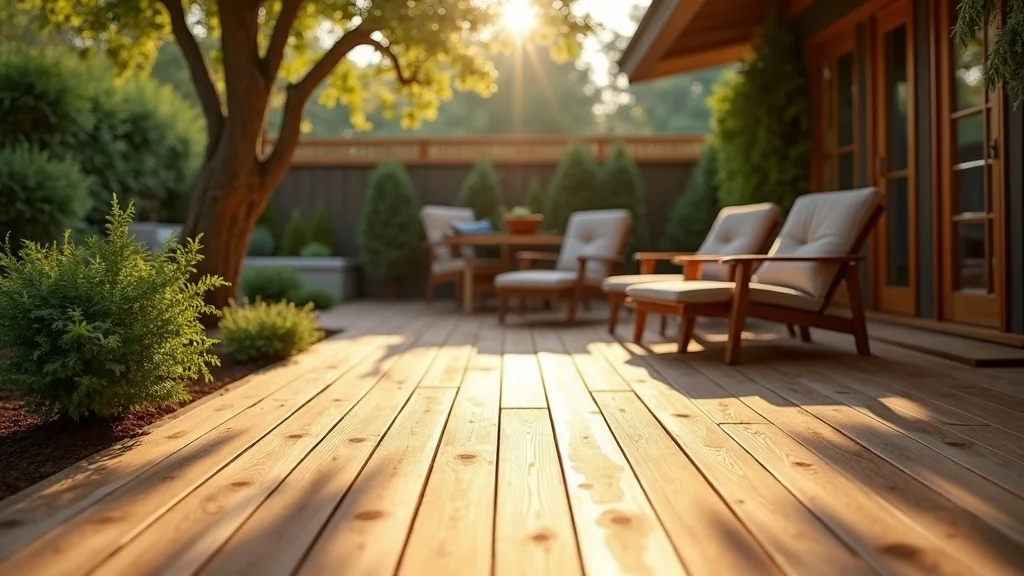
“We understand the frustration homeowners feel when their deck looks worn, but the right deck refinishing can bring life back to any wood deck.” – The Painting Pros Team
What You'll Learn in This Guide to Deck Refinishing
Why deck refinishing is essential for home improvement
The steps to refinish the deck effectively
Whether to choose paint or stain
Expert tips on cleaning and maintenance
Understanding the Deck Refinishing Process for Your Wood Deck
Why Deck Refinishing Matters for Home Improvement
If you care about home improvement, investing in deck refinishing should be on your priority list. A renewed wood deck not only boosts curb appeal but also extends the life of your outdoor space by protecting it from weather damage and everyday wear. When neglected, decks may become safety hazards due to loose nails, cracked deck boards, or splinters, potentially causing accidents—especially for children and pets who love to run barefoot on the deck floor. Taking time to refinish the deck can also preserve the character and natural beauty of the wood, giving your home a distinctive, welcoming vibe that manufactured materials can’t match.
From a financial perspective, a beautiful deck often means a higher property value. Potential buyers appreciate the charm of a well-maintained deck surface, making the investment in deck refinishing a smart and practical home improvement step. More importantly, it’s a project that pays off every time you step out onto your renewed deck, surrounded by the beauty of your garden and the warmth of natural wood. Sometimes the most impactful improvements are the simplest, especially when they reclaim your favorite outdoor space for meals, gatherings, and relaxation.

Comparing Paint or Stain for Deck Refinishing
One of the most common questions homeowners face when planning to refinish the deck is whether to choose paint or stain. Both options offer distinct advantages depending on your needs, preferences, and the current state of your wood deck. Paint provides a broad spectrum of colors and a thick, smooth finish that can hide previous imperfections or mismatched boards. It also provides robust protection from UV rays and moisture, ideal for decks exposed to intense direct sunlight or severe weather. However, paint can sometimes peel or chip if not applied correctly or if the surface isn’t prepped well.
Stain, on the other hand, preserves and showcases the natural wood grain, accentuating the deck’s innate beauty. Deck stains penetrate the wood, providing moisture resistance while allowing some movement in the boards due to weather and temperature changes. Stains are generally easier to touch up or reapply, especially if you prefer a more natural, classic look. Some homeowners opt for a darker stain to enhance contrast, while others choose lighter hues that keep the original wood tones. Whatever your choice, make sure to weigh the long-term maintenance, appearance, and protection each finish offers, so your deck refinishing results last.
Signs Your Deck Needs Refinishing
How do you know when it’s time to start refinishing your deck? Look for visual cues like faded boards, peeling paint or stain, and areas where water beads up unevenly or soaks right in. If your deck surface feels rough, has visible cracks, or shows patches of gray instead of its natural color, it’s likely overdue for restoration. Have you spotted any raised nail heads or loose nails? These can point to underlying structural concerns that should be addressed as part of a full deck refinishing process.
Another critical sign is the development of slippery patches, dark stains from mildew, or fuzzy patches where wood fibers are lifting. If you notice the grain feels soft or mushy underfoot, some boards may need replacement before proceeding. Using a deck brush during cleaning will reveal spots that need extra attention as well. Proactive care ensures your wood deck remains a safe, beautiful extension of your living space. Don’t ignore minor issues—in the long run, regular maintenance means less work and more enjoyment outdoors.
Deck Refinishing: Paint or Stain Comparison Table |
||
Feature |
Paint |
Stain |
|---|---|---|
Appearance |
Wide color selection, hides imperfections |
Keeps natural wood visible, various tones |
Application |
Requires thorough prep, often thicker coats |
Easier to apply, soaks into wood |
Durability |
Long-lasting, may peel/crack over time |
Resists fading, touch-ups easier |
Maintenance |
May need scraping/repainting |
Simpler reapplication and blending |
Protection |
Excellent UV and moisture protection |
Good moisture control, shows grain |
Step-by-Step Guide: How to Refinish the Deck Fast
Inspect and Prepare Your Wood Deck
Clean the Deck Thoroughly Before Refinishing
Sand Down Imperfections or Choose Power Washing
Apply Paint or Stain for Lasting Results
Seal and Maintain for Long-Term Results
1. Inspect and Prepare Your Wood Deck: Begin your project by checking for damaged boards, raised nails, or loose railings. Carefully remove any loose nails and replace or repair sections as needed. Sweep the deck floor using a leaf blower or stiff broom to clear leaves, debris, and dirt. This step ensures your deck is safe and structurally sound before you move to the next stage.
2. Clean the Deck Thoroughly Before Refinishing: Use a deck cleaner and a sturdy deck brush to scrub the deck surface, paying special attention to corners and railings where grime can build up. A garden hose helps rinse off loosened dirt. If mildew or algae is present, choose a cleaner formulated for those problems. Let the deck dry completely before continuing.
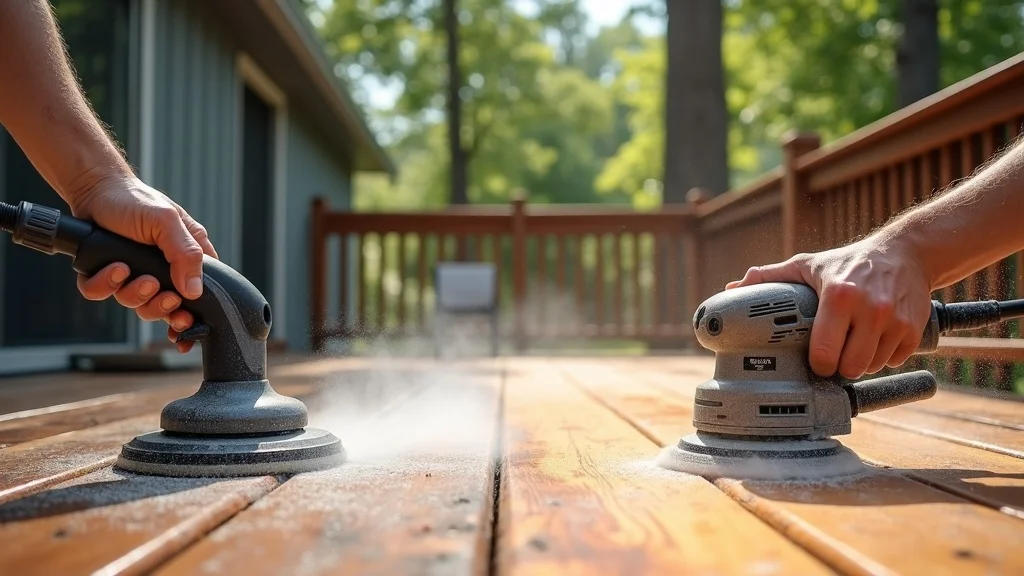
3. Sand Down Imperfections or Choose Power Washing: For a luxuriously smooth surface, sand the entire deck using an orbital sander with 80–120 grit sandpaper. When the deck is only lightly weathered or time is short, a power washer can suffice—but use low pressure to avoid gouging the wood. Always let the deck dry completely before any finishing.
4. Apply Paint or Stain for Lasting Results: Mask-off surrounding stone, plants, or siding. Use a paint tray and roller cover for even coats, reaching tight corners with a brush. For staining, follow the wood grain and apply stain along each board for best absorption. Apply as many coats as the product recommends, letting each coat dry completely to seal in color and protection.
5. Seal and Maintain for Long-Term Results: Once the paint or stain is fully dry, consider adding a clear sealer for added moisture and UV resistance. Remove the spindles if you need detailed coverage. Regularly sweep your deck, check for wear, and clean the surface—simple steps that make the refinishing last. Enjoy your transformed, inviting deck!
How to Clean the Deck Properly Before Deck Refinishing
A spotless deck surface is the single most important foundation for successful deck refinishing. Begin by moving patio furniture, potted plants, and décor off the deck floor to clear the work area. Sweep thoroughly to remove dust, twigs, and leaves. For sticky spots, use a deck brush with stiff bristles—an invaluable tool for scrubbing away ground-in dirt and mold. Next, get a quality deck cleaner from your improvement store, or mix a mild detergent with water in a bucket. Use a garden hose to wet the surface before scrubbing each board, rail, and spindle from end to end.
Rinse with the garden hose or, for heavier grime, a power washer on low pressure—powerful enough to clean, but gentle on the natural wood. Always let the deck dry completely; any trapped moisture under paint or stain may lead to peeling or mildew later. If you're short on time, running a leaf blower over the deck surface can also speed up the drying process. The cleaner your deck at this stage, the longer your refinishing results will last and the more vibrant your chosen finish will appear.
“A spotless surface ensures your deck refinishing project stands the test of time.” – The Painting Pros Team

Expert Tips for Achieving Flawless Deck Refinishing Results
Selecting quality stains and paints: Don’t settle for low-cost products; invest in formulas designed for outdoor decks, as they offer unrivaled durability and color retention. Visit your local improvement store to find top-rated finishes, and always check the label for UV and water resistance features.
Optimal weather for deck refinishing: Aim for mild, dry days—typically between 50–85°F. Avoid direct sunlight and days with high humidity, as these conditions can cause paint or stain to dry too quickly, leading to uneven application or visible lap marks. Shade your work area if possible to get the most uniform results.
Professional insights on safety and material choices: Always wear gloves, eye protection, and a dust mask when sanding or stripping the deck. Consider lead-safe products, especially on older homes. Use tools like a deck brush, paint tray, and roller cover for efficient application. If your deck is large or multi-leveled, don’t hesitate to bring in expert help for faster, safer work and a finish that lasts.
Consistently follow these tips, and you’ll achieve a smooth, beautiful deck surface that stands up to family gatherings, playtime, and all the joys of outdoor living. The extra effort you invest now means less time worrying about maintenance in future seasons and more time enjoying the space you’ve transformed.
People Also Ask About Deck Refinishing
Is it better to sand or power wash a deck?
Whether you should sand or power wash a deck depends on its condition and your desired finish. Power washing is faster for removing surface dirt and old finish, but if used at high pressure, it can damage the natural wood fibers. Sanding with an orbital sander and grit sandpaper creates a smooth, splinter-free deck surface and is essential if you want a flawless finish or need to remove stubborn stains, peeling paint, or rough spots. For most projects, start with a gentle wash, let the deck dry, then sand the entire area for best results.
Can I resurface my deck myself?
Yes, you can resurface or refinish your deck yourself using readily available supplies from your local improvement store. The key is preparation: inspect for damage, clean the deck thoroughly, allow it to dry completely, and take your time with sanding and application. Many homeowners successfully tackle this home improvement project over a weekend, especially if they have some DIY experience and the right tools. If the deck has structural damage or a complex setup, professional help ensures a longer-lasting and more attractive result.
Can you just restain a deck without sanding?
You can restain a deck without sanding only if the existing finish is in good shape—free of peeling, flaking, or rough patches. After using a deck cleaner and making sure the deck is dry completely, lightly scuff the surface with a deck brush or pad to help the new stain bond. For older or weathered surfaces, sanding the entire deck is best to achieve even color and smoothness. Skipping sanding may lead to uneven application, shorter finish life, or peeling later on.
Can I put new stain over old stain on a deck?
Applying new stain over old stain is possible in many cases, especially when you use a darker stain than before. Clean the deck thoroughly so the new finish adheres well, and make sure old stain isn’t peeling. For oil-based over oil-based stains, or water-based over water-based, compatibility is generally good, but always test a small area first. Proper cleaning and a light sanding will ensure the best, longest-lasting results when refinishing your deck.
Frequently Asked Questions About Deck Refinishing
How often should I refinish my wood deck?
Typically, decks need refinishing every 2–3 years, but your timeline may vary depending on your climate, type of wood, and maintenance routine. Regular cleaning and prompt spot treatments can extend the life of your finish.Is there a difference between deck restoration and deck refinishing?
Deck restoration usually involves repairing or replacing parts of the deck structure—such as damaged boards or spindles—while deck refinishing focuses on cleaning, sanding, and applying paint or stain to the surface. Often, a full project will cover both for best results.How do I choose between paint or stain?
Consider the condition of your deck, your lifestyle, and your desired look. Paint is excellent for hiding flaws and bold color choices, while stain reveals natural wood beauty and is easier to maintain. Both options will protect your deck when used correctly.
Key Takeaways: Fast and Effective Deck Refinishing

Deck refinishing restores both appearance and durability to your wood deck.
Proper cleaning, surface preparation, and the right materials lead to longer-lasting results.
Expert advice makes the process faster and more effective.





Write A Comment