UPDATE

Your guide to modern living—every day.

  • Home
  • Categories
    • Wellness
    • Home and Garden
    • Work and Life
    • Travel
    • People and Style
    • Living Spaces
May 14.2026
1 Minute Read

Unlock the Magic of Outdoor Living Spaces—Transform Your Home

Picture this: It’s a balmy evening, warm golden light glows over a stylish seating area, luscious greenery frames the luxurious space, and laughter floats from a contemporary outdoor living room that’s just steps from your kitchen. The possibilities for your home aren’t confined to four walls—outdoor living spaces can extend, elevate, and radically transform your daily experience. In this guide, discover how to seamlessly connect indoors and out, crafting your dream retreat for everyday relaxation, gatherings, and breathtaking curb appeal.

Imagine the Possibilities: Creating Your Ideal Outdoor Living Spaces

Today’s outdoor living spaces are a true extension of your home’s personality, offering both a beautiful retreat and a hub for hospitality. Whether you envision quiet evenings with family by a glowing fire pit, or a lively outdoor gathering under sparkling string lights, there’s a world of design inspiration waiting at your doorstep. The right outdoor living space design balances comfort and elegance—melding high-end materials, plush furniture, and lush landscape into a harmonious retreat.

Modern outdoor living is about more than just aesthetics—it’s about creating seamless, functional spaces you’ll love year-round. From the first hint of spring to late autumn evenings, an expertly designed outdoor living space transforms how you relax, entertain, and connect. Whether you’re upgrading a classic backyard design or dreaming up a luxurious oasis, this article reveals actionable steps to realize your vision—starting right outside your door.
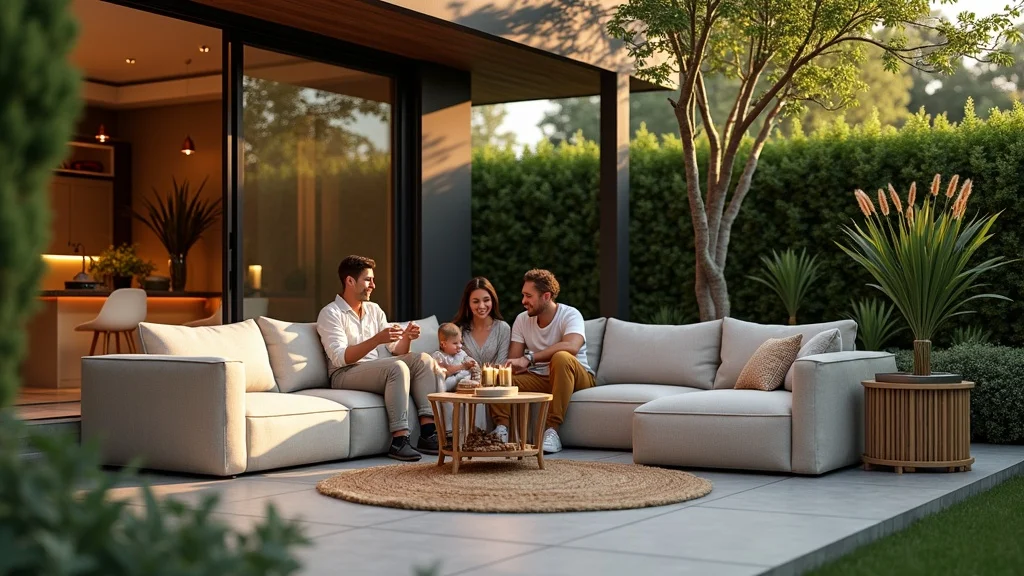
Inviting luxurious outdoor living space with a stylish family enjoying a seamless indoor-outdoor lounge, plush seating, greenery, and ambient string lights, outdoor living spaces

What You'll Discover in This Guide to Outdoor Living Spaces

  • Inspiring outdoor living space design ideas for upscale homes

  • Ways to elevate your living space with professional touches

  • Expert insights on crafting both functional and luxurious outdoor living rooms

  • How to maximize your outdoor space with lasting value

1. Define Your Vision: Setting Goals for Outdoor Living Spaces

Every exceptional outdoor living space begins with a vision. Think beyond the boundaries of your backyard design—ask yourself how you want to live, entertain, and unwind outside. Will your living space be a serene escape, a vibrant party hub, or a blend of both? Early goal-setting ensures your outdoor living space design truly reflects your lifestyle and complements your home’s character.

Working with a professional remodeler, like Banner Construction, helps transform inspiration into a cohesive plan tailored to your property’s unique features. Whether you’re renovating an existing outdoor area or building new, defining your goals guides every decision—from the layout and outdoor furniture selection to landscaping and lighting. Start the process by observing how sunlight moves through your yard, noting which areas invite gathering, reading, or dining. Investing thought upfront means lasting enjoyment for years to come.

Assessing Your Outdoor Space and Lifestyle Needs

Begin by evaluating the current features of your outdoor space. Measure the square footage available, identify both shaded and sunny areas, and consider natural focal points such as mature trees or scenic views. Ask yourself how your household naturally uses outdoor areas—do you love alfresco dining, need a child-friendly meetup, or desire a tranquil reading nook? A thorough assessment provides crucial insights as you plan your living space design, ensuring that each element, from seating options to fireplaces or water features, meets your needs.

Consultation with expert remodelers can help you discover untapped potential in your yard or patio, optimizing underutilized corners for socializing or adding color with creative planters. Include family and frequent guests in the brainstorming process, as their input ensures every member finds the outdoor room inviting and practical.

Thoughtful homeowner planning outdoor living space with blueprints and swatch samples in a landscaped backyard, outdoor living spaces design

Aligning Outdoor Living Space Design with Your Home’s Character

Great outdoor living space design complements the architectural style and interior palette of your home, creating a seamless flow between indoors and out. Whether your property leans modern, Tudor, or traditional, echo those details in your outdoor elements—choose outdoor fabrics and finishes that mirror your indoor aesthetics, and utilize materials such as natural stone, wrought iron, or sleek composites for consistency.

Remember: your outdoor living room should feel as comfortable and purposeful as any living area inside. Integrated lighting, tailored landscaping, and unifying furniture choices pull the whole look together, giving your outdoor space the inviting atmosphere it deserves.

"A well-crafted outdoor living space should feel like an extension of your interior—seamless, comfortable, and uniquely you."

2. Choose the Right Outdoor Living Room Layouts

Optimal outdoor living spaces are both beautiful and practical. Layout is key: A thoughtful floor plan encourages flow, defines zones for lounging or dining, and leverages your space’s best assets. Consider how guests will move between your house and garden, and position seating and features to highlight focal points such as a fire pit, pool, or vibrant landscape. By delineating functional zones, your outdoor living room can easily host gatherings, intimate evenings, or solo relaxation.

Don’t overlook scale—ensure each seating area feels balanced, neither cramped nor so vast as to feel empty. Use planters, outdoor rugs, or built-in benches to anchor zones, add color, and create natural pathways. Whether you relax on a covered patio or a multi-level deck, the right arrangement enhances comfort, privacy, and enjoyment.

Living Room Concepts for Sophisticated Outdoor Living Spaces

Today’s refined outdoor living room is every bit as inviting as your best indoor gathering place. Incorporate plush modular sofas, designer sectionals with outdoor fabric, and versatile coffee tables that double as ottomans or storage. Use elements like pergolas or retractable canopies to define the area and provide shelter, making your space usable in all weather. Layer in unique lighting such as lanterns or dimmable string lights to achieve a warm, welcoming ambiance well into the evening.

For larger outdoor spaces, consider dividing the area into zones: a cozy seating area for conversation, a dedicated spot for alfresco dining, and a stylish nook for reading or meditating. Group furnishings around a central anchor, such as a fireplace or water feature, to foster social connection and visual flow throughout your outdoor oasis.

Optimizing Seating Areas for Maximum Comfort

Comfort is the cornerstone of any successful outdoor living space. Select seating areas that offer a mix of choices: deep loungers for sunbathing, upright chairs for dining, and swing or hanging options for added fun. Arrange pieces to encourage conversation, leaving enough space for easy movement around tables and through doors. Dress up each seating area with soft neutral tones, weather-resistant pillows, and throws in cheerful hues to add color and personality.

For maximum luxury, choose furniture with high-quality outdoor fabrics, and opt for modular pieces that you can reposition easily for gatherings or solo relaxation. Pay attention to sight lines, privacy, and shade—these often-overlooked details help transform your backyard into an idyllic outdoor living area everyone will want to visit.
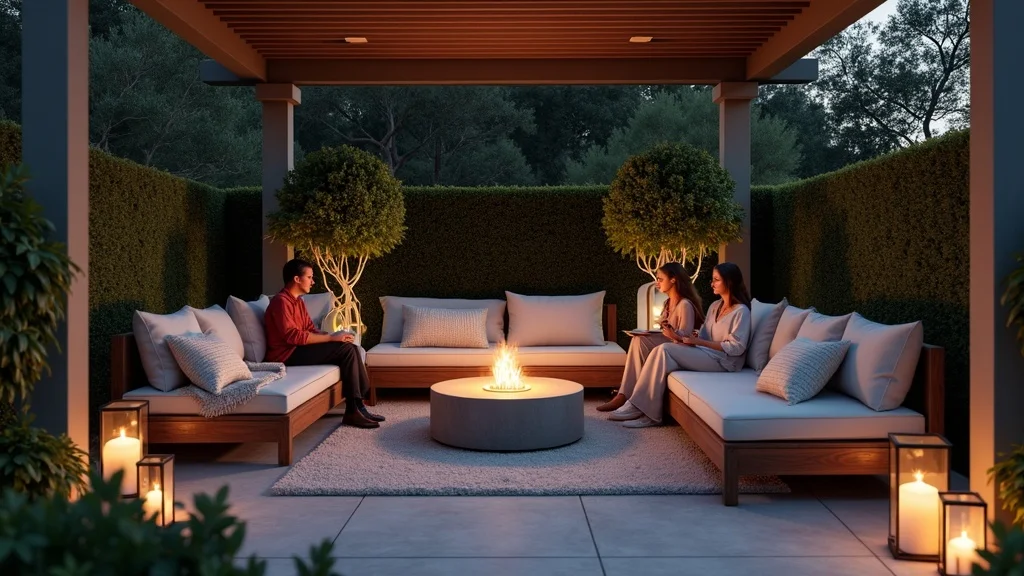
Elegant outdoor living room with designer sectional, lounge chairs, fire table, pergola, lanterns, and plush cushions, outdoor living room and seating area

3. Elevate Entertaining with Outdoor Kitchens and Dining Spaces

If you crave effortless entertaining, an outdoor kitchen and dining suite are must-haves for your living space. A functional outdoor kitchen streamlines meals on the patio and makes al fresco breakfast, lunch, or dinner a daily delight. No more shuttling dishes in and out—today’s options range from simple grill stations to fully equipped culinary spaces with sinks, refrigeration, and prep counters.

Think about how you’ll use your outdoor space for gatherings: will you host large family parties, or prefer intimate dinners under the stars? Make sure your layout accommodates enough guests, includes convenient lighting, and provides easy access between food prep and dining areas. A thoughtfully designed outdoor kitchen encourages connection and turns every meal into a memorable event.

Outdoor Kitchen Essentials for Luxurious Outdoor Living Spaces

Design a dream outdoor kitchen by focusing on durability and convenience. Top essentials include professional-grade grills, weatherproof cabinetry, and smooth, heat-resistant countertops—choose stone or composites that resist stains and weather. Add a refrigerator, ice maker, and sink for effortless prep and clean-up, plus plenty of storage for serving ware, utensils, and versatile cooking gadgets.

For upscale touches, consider installing a pizza oven or side burners, and add a stylish cocktail station for easy entertaining. Protect your investment with built-in covers or a pergola overhead, and select finishes that echo your home’s architecture for a harmonious, polished look. Finishing details—such as unique lighting, overhead fans, or built-in heaters—make your kitchen usable day or night, no matter the season.

Outdoor Dining Areas: Blending Utility with Elegance

An elegant, functional outdoor dining area ensures seamless transitions from cooking to enjoying your meals. Select a spacious, weatherproof dining table (wrought iron, teak, and composite materials stand up beautifully outdoors) and pair with stylish, supportive chairs. Anchor the area with an outdoor rug in durable, UV-resistant materials to ground the look and add comfort underfoot.

Consider shade solutions such as cantilever umbrellas or a covered pergola—these features extend the dinner hour and shield guests from harsh sun. Layer your dining setup with soft neutral tones and add color via planters or seasonal floral arrangements for a relaxed, upscale feel that invites lingering and conversation long after the last dish is cleared.

4. Curate Outdoor Furniture and Decor for Lasting Appeal

Choosing premium outdoor furniture and decor is central to creating a timeless, well-appointed outdoor living space. Invest in furnishings that blend comfort with design: deep-cushioned seating, weatherproof tables, and versatile ottomans that can double as side tables or extra seats. Durable materials like teak, powder-coated metals, or all-weather wicker ensure low maintenance and enduring beauty.

Complete your scheme with thoughtful accessories—stylish planters, ambient lighting, and weather-resistant textiles in patterns that subtly reflect your home’s character. It’s these intentional details, from the softness of premium outdoor fabric to the glow of distinctive lanterns, that elevate your living area from ordinary to extraordinary.

Selecting Premium Outdoor Furniture for Refined Living Spaces

Selecting high-end outdoor furniture is about more than appearance; it must stand up to the elements for years to come. Look for sustainable hardwoods like teak or eucalyptus, modern resin wickers, and powder-coated aluminum—all are both rugged and attractive. Test for comfort: Sit on each piece before buying if possible, and favor plush, fade-resistant outdoor fabrics that create a resort-level ambience right at home.

Opt for classic silhouettes in neutral tones, then liven things up seasonally with pillows, throws, and rugs for visual variety. Modular sets are a great investment—they adapt easily for gatherings, backyard living, or solo afternoons with a good book. Choosing weatherproof storage for cushions and accessories keeps everything looking its best when the forecast turns wet or chilly.
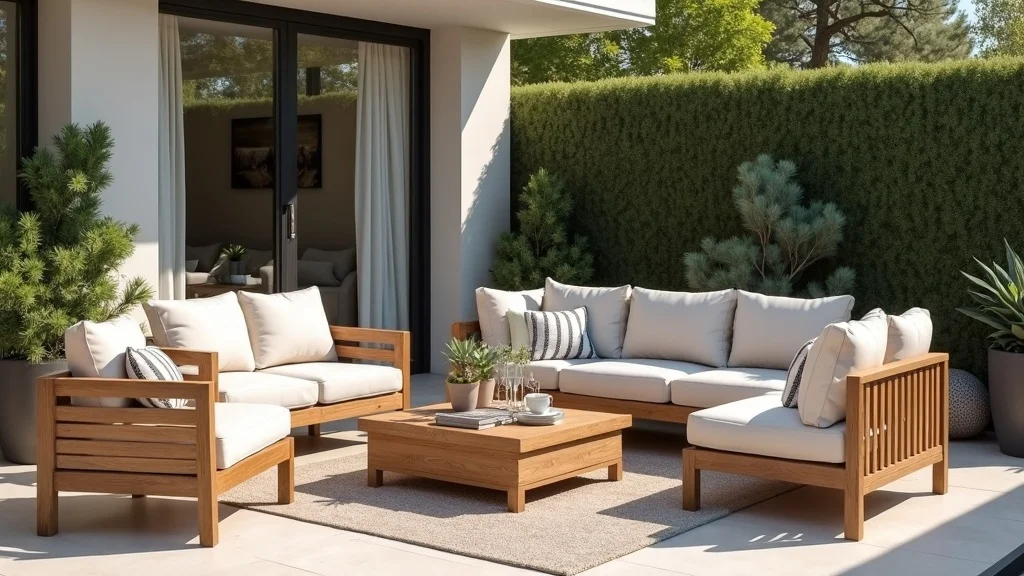
Chic outdoor furniture display with premium wicker and teak lounge set, sun-drenched deck, and modern outdoor living space

Design Details: Accessories, Rugs, and Lighting for Outdoor Living

Accessories make your outdoor living room distinctive and practical. Outdoor rugs crafted from fade-resistant synthetics add color and define zones, while layered lighting—from ambient lanterns to discreet path lights and dimmable sconces—brings depth as the sun sets. Integrate sleek planters brimming with bold foliage, garden sculptures, or even an outdoor media hub for movie nights under the stars.

Don’t overlook the power of textiles: Use weatherproof throws, cushions, and poufs to offer comfort and visual impact. Swap accents out with the seasons—warm hues for autumn, sunny brights for spring—to refresh your outdoor living area with minimal effort. Sophisticated touches like a tray for cocktails, built-in benches with storage, or unique string lighting will make your guests feel welcome and impressed, every time.

Comparison of Outdoor Furniture Types for Outdoor Living Spaces

Type

Benefits

Recommended Use

Care Tips

Teak Wood

Durable, classic look, weathers to elegant patina

Dining sets, lounge furniture, benches

Annual oiling, cover in harsh weather

All-Weather Wicker

Lightweight, stylish, fade and moisture resistant

Sectionals, chairs, outdoor rooms

Brush clean, cover or store when not in use

Aluminum

Rust-proof, modern, lightweight

Chairs, tables, contemporary outdoor spaces

Wipe with mild soap, store cushions

Wrought Iron

Strong, elegant, timeless

Patio sets, garden seating

Touch-up paint, dry thoroughly after rain

5. Incorporate Nature: Landscaping Ideas to Complete Your Outdoor Space

No outdoor living space is complete without an intentional connection to nature. Quality landscaping enhances privacy, adds beauty, and can even improve the microclimate around your living area. Begin by integrating existing trees and shrubs, then layer in perennials, groundcovers, and flowering accents that complement your style. Thoughtful landscape design not only provides all-season interest and habitat for pollinators but also increases your home’s value and curb appeal.

Inviting pathways, well-chosen lighting, and comfortable garden seating turn your yard into a series of ‘outdoor rooms’—offering unique destinations for gatherings, solo relaxation, or playful afternoons with children or pets.

Integrating Greenery into Outdoor Living Space Design

Maximize the beauty and tranquility of your outdoor living space with layers of greenery. Use ornamental grasses, flowering perennials, and native shrubs to soften hardscapes and create a sense of privacy. Strategically placed trees provide shade and can be lit for drama after dark, while planters bursting with seasonal blooms add color and define lounging or dining zones.

Mix plant sizes and textures for visual interest: combine bold-leafed evergreens with delicate blooms, and accentuate patios or decks with potted trees or cascading vines. Consider including edible plants—herbs, berries, or dwarf fruit trees—for a practical yet beautiful addition to your living space. This natural approach makes your outdoor gathering areas feel lush, intentional, and inviting all season long.
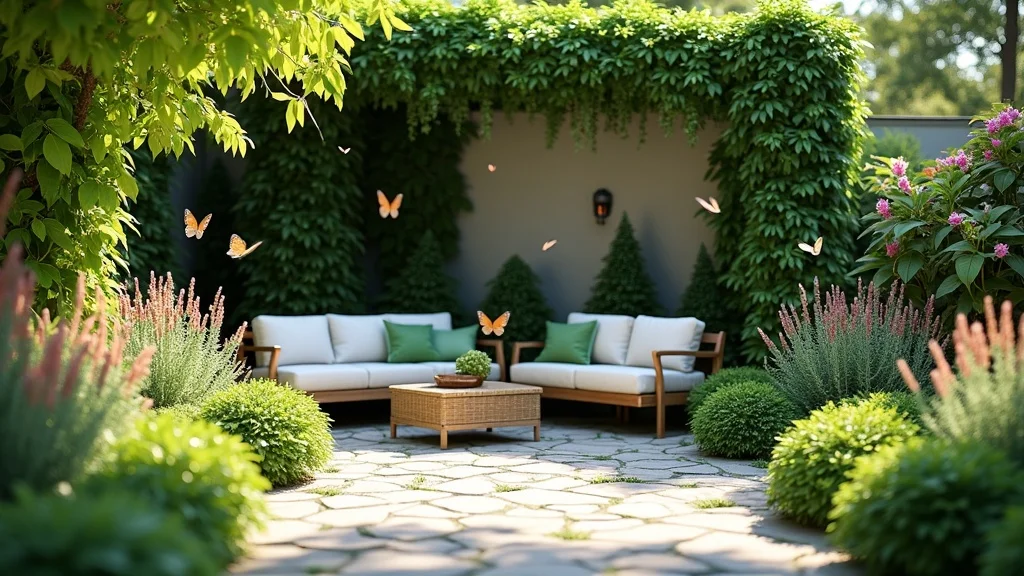
Lush integrated landscaping with ornamental grasses, shrubs, hedges, and a harmonious outdoor living space, backyard living area

Privacy Solutions: Hedges, Screens, and Pergolas

Achieve sanctuary-level privacy in your outdoor living spaces with layered solutions. Lush plantings such as tall hedges or bamboo screens provide all-season coverage while keeping a soft, organic look. For instant impact and flexibility, try decorative panels, lattice screens, or draped outdoor fabric that can be adjusted as needed.

Pergolas or trellises with climbing vines offer both shade and a living privacy wall—ideal for backyard living in urban or close-knit neighborhoods. Mix and match these strategies based on your lot size, sun exposure, and style. Installing privacy features not only shields you from neighbors or the street but also enhances the sense of calm and retreat every time you step outside.

6. Smart Features: Technology for Modern Outdoor Living Spaces

The best outdoor living space design integrates cutting-edge comfort and control. Upgrade your space with smart lighting, zoned audio systems, and climate solutions that make every gathering or relaxing moment effortless. Use technology to set mood lighting at sunset, choose playlists for cocktail hour, or adjust your pergola’s shading panels—right from your smartphone or voice assistant.

Automated irrigation and climate control keep your outdoor living spaces perfectly maintained and usable in any season. Whether you’re planning a movie under the stars or need the perfect ambiance for a dinner party, integrated tech takes your living area straight into the future of backyard living.

Lighting, Sound, and Automated Climate Solutions

Modern outdoor lighting solutions include programmable fixtures, motion sensors, and low-voltage path lights for both security and atmosphere. Layered lighting lets you highlight landscaping or create zones for dining, conversation, or play. State-of-the-art outdoor sound systems, disguised as rocks or planters, offer immersive music with no unsightly cords or speakers disrupting your landscape views.

Smart pergolas or retractable awnings pair beautifully with built-in fans or outdoor heaters, making your living space comfortable throughout the day and across changing seasons. Use remote controls or mobile apps to adjust settings in real time, ensuring your outdoor living space always matches your needs and mood. These advanced solutions make every gathering easier and underscore the luxury of truly personalized backyard living.

7. Sustainability and Maintenance in Outdoor Living Spaces

Today’s outdoor living space design prioritizes sustainability as well as elegance. Eco-friendly materials—like recycled composite decking, bamboo, and permeable pavers—not only reduce environmental impact but also require less maintenance over time. Native plants promote local wildlife, save water, and minimize the need for fertilizers or pesticides, creating a thriving outdoor oasis that’s as good for you as it is for the planet.

Maintenance matters, too. Low-maintenance choices let you spend more time enjoying your living area and less time cleaning, sealing, or replanting. Work with trusted remodelers experienced in sustainable backyard design to ensure products and strategies are tailored to your region and lifestyle.

Eco-Friendly Materials for Lasting Outdoor Living Space Design

Choose sustainable solutions for everything from surfaces to seating. Composite decking—crafted from recycled materials—resists rot, insects, and fading far better than untreated wood. Bamboo is a rapidly renewable resource with a chic natural look, and recycled metal or plastic furnishings offer modern, sturdy options with minimal environmental impact.

Incorporate rain barrels, solar-powered path lights, and permeable paving to manage water runoff and minimize resource use. These eco-friendly touches combine long-term durability with a commitment to responsible living, enhancing both your property’s value and your peace of mind.
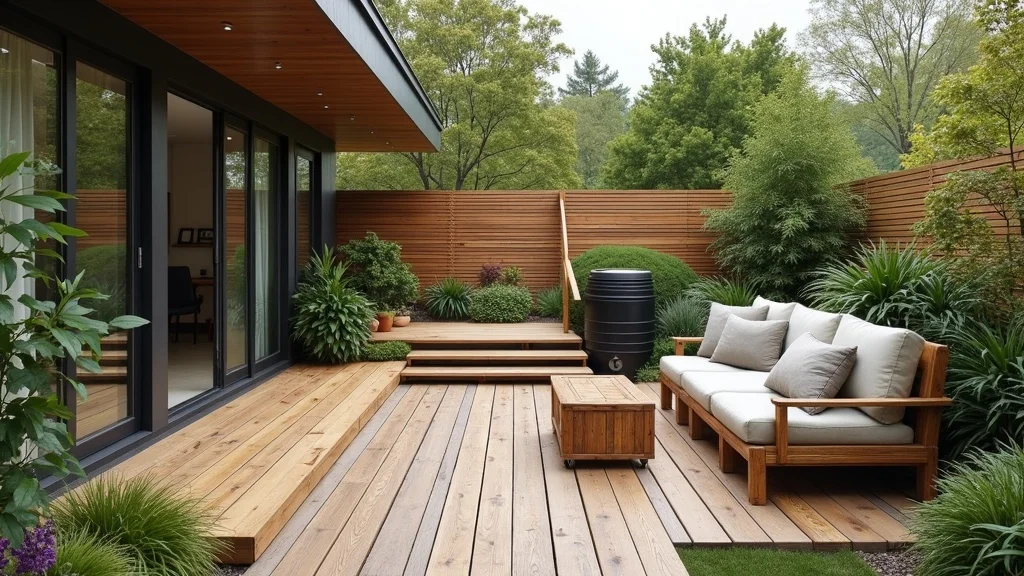
Sustainable outdoor design with recycled decking, bamboo seating, rain barrel, and solar path lights, eco-friendly outdoor living space

Low-Maintenance Strategies for a Hassle-Free Outdoor Space

The secret to an always-inviting outdoor living area is smart, low-maintenance choices. Select furniture with powder-coated frames and cushions in high-tech outdoor fabric, which can stand up to sun, rain, and everyday use. Opt for easy-care plants that require minimal pruning or watering—think ornamental grasses, native perennials, or drought-tolerant succulents that add color and movement with little fuss.

Include storage benches or weatherproof cabinets to keep pillows, throws, and accessories close at hand yet out of the elements. Seasonal cleaning is simplified with materials that wash clean with a hose or gentle soap. Finally, automated irrigation and lighting systems help keep your space beautiful with the touch of a button, so you can focus more on relaxing and less on chores year-round.

8. Seasonal Transitions: Keep Outdoor Living Spaces Inviting Year-Round

With thoughtful design, your outdoor living spaces can be enjoyable in every season. Extend your home’s hospitality well into autumn—or even winter—with smart heating options, cozy outdoor fabrics, and weatherproof features. Summertime? Think stylish shade for the midday sun, breezy drapes, and cooling misters to keep your living space fresh and irresistible.

Professional remodelers can incorporate four-season solutions like retractable screens, stackable glass doors, or built-in tents for protection from rain, wind, or bugs. With the right features, every day invites a new way to connect with nature and each other, no matter the weather forecast.

Outdoor Heating, Fire Pits, and Weatherproofing Tips

Keep the chill at bay by installing built-in gas or wood-burning fire pits, freestanding propane heaters, or radiant heat panels. These features extend patio season well into cooler months and make outdoor gatherings comfortable even when the temperature drops. Look for models with safety screens, adjustable flame controls, and built-in seating ledges for warmth and style in your outdoor living room.

Weatherproofing protects your investment: opt for covers on outdoor kitchens and dining sets, and include wind-blocking screens or retractable panels for extra shelter. Regularly clean gutters and drainage paths to prevent water damage, and secure cushions or decor before high winds or rainstorms. With these solutions, your outdoor living space remains welcoming year after year.

Shade Solutions for Sunny Seasons

Beating the heat is simple with the right shade structures. Consider retractable awnings, motorized pergolas, freestanding umbrellas, or even lush, vine-covered trellises. Each option can be sized and styled to fit your setting, offering flexible coverage when and where you need it most. Outdoor curtains in weather-resistant materials add a breezy, resort-like feel while blocking glare and UV rays.

Combine hardscape and softscape shade by planting broadleaf trees or incorporating vertical gardens along sunny exposures. These natural and architectural solutions keep your living area cool and comfortable, encouraging longer, more relaxed outdoor gatherings in every season.

People Also Ask About Outdoor Living Spaces

What are the key elements of functional outdoor living spaces?

The most functional outdoor living spaces blend comfortable seating areas, easy-to-clean surfaces, layered lighting, and clever privacy features. Well-defined zones for lounging, dining, and play—along with weather-resistant outdoor furniture and lush greenery—ensure every outdoor space feels welcoming, practical, and stylish. Don't forget durable materials, intuitive furniture layout, and integrated shelter options as part of your space design strategy.

How do you design outdoor living spaces for year-round use?

Year-round usability starts with weatherproof outdoor furniture, ample lighting, and adaptable climate solutions such as fire pits, portable heaters, or covered patios. Include shade structures for sunny months and add removable or retractable enclosures for colder seasons. Choose resilient plants and surfaces for all climates, and plan flexible layouts that can be easily updated with each passing season to make your living area usable anytime.

What is the best flooring for outdoor living spaces?

The best flooring choices for outdoor living spaces are durable, slip-resistant, and easy to maintain. Popular options include natural stone, composite decking, concrete pavers, and porcelain tiles. These materials withstand changing weather, resist fading, and provide a stylish, cohesive surface for any outdoor living room, dining area, or pathway within your backyard design.

FAQs About Outdoor Living Spaces

  • How can I increase privacy in my outdoor living space?
    Add hedges, privacy screens, pergolas with drapes, or climbing vines to block views and enhance seclusion. Layering multiple privacy solutions is especially effective for urban or closely spaced properties.

  • Are outdoor kitchens worth the investment?
    For most homeowners, yes! Outdoor kitchens increase your home’s usability, make entertaining easier, and often add value to your property when designed professionally with durable materials.

  • What outdoor furniture materials last longest?
    Teak, aluminum, all-weather wicker, and powder-coated metals are long-lasting and require minimal maintenance—these choices withstand sun, rain, and seasonal changes best.

  • How do I choose outdoor lighting for ambiance and safety?
    Combine pathway lights for navigation, dimmable sconces for ambiance, and spotlights to highlight landscaping or artwork. Mix fixture types to enhance both beauty and security throughout your outdoor living spaces.

Transform Your Home with Exceptional Outdoor Living Spaces—Next Steps

Ready to craft your dream outdoor living spaces? Call us at (314) 648-2368 for a consultation today.

If you’re ready to elevate your living experience and transform your outdoor space into a daily retreat, partner with the pros who have been bringing exceptional visions to life for decades. Contact us at Banner Construction to schedule your personal outdoor living space consultation and unlock the magic just beyond your back door.

Start imagining, then let us make it a reality—because your next-level outdoor living space awaits.
Living Spaces

0 Comments

Write A Comment

*
*
Please complete the captcha to submit your comment.
Related Posts All Posts
05.11.2026

If We Only Did What Was Necessary, It Won't Be Première

Premiere Apartments Fiji: A Step Above the OrdinaryPremiere Apartments Fiji stands as a beacon of quality and practicality, nestled in the heart of one of Fiji’s most vibrant communities.At Premiere Apartments Fiji, your first impression is more than just comfort - it’s the promise of a lifestyle that blends necessity with the excellence you truly deserve.This is not just another apartment in Nadi. Thanks to its thoughtful amenities like free secure private parking, fast WiFi, and easy access to Nadi Town Centre and Fiji's International Airport, every stay feels seamless.Whether you are a business traveller needing a base close to major hubs, or a family seeking a tranquil home-away-from-home, Premiere Apartments Fiji surpasses basic needs and anticipates your desires.With its contemporary design, in-house gym, and outdoor swimming pool, it truly embodies exceptional living in every corner.Ideal Locale: Convenience, Attractions, and ConnectivityPremiere Apartments Fiji is enviably positioned in central Nadi, bringing you close to both urban highlights and tranquil escapes.The property offers not just a home away from home, but has immediate access to Fiji’s finest spots : you’re minutes from Nadi International Airport, cultural sites like the Sri Siva Subramaniya Swami temple, Nadi Town Centre, and the sandy stretch of Wailoaloa Beach.For business travellers, proximity to key business districts means shorter commutes, while tourists enjoy seamless access to shopping, dining, and adventure.Guest Testimonial Highlights“Premiere Apartments Fiji was the best decision for our long-term Fiji stay - spotlessly clean, modern, and just a few minutes from everything”."Our kids loved the pool, and the kitchen made family meals a breeze. The secure private parking was a huge plus! We’ll be back every year”.“I felt at home from day one. Staff responded instantly to every request, and the in-room amenities (especially the washing machine and free WiFi) made all the difference”.“Location is very convenient. Close to shops, food spots and easy to find a taxi to town, Denarau or to the airport. Very quiet location and had everything you need”.Signature Features of Premiere Apartments FijiWhether you’re traveling solo for work, settling in with a partner, or relocating the whole family, variety is at the core.Premiere Apartments Fiji offers spacious two-bedroom self-contained units, offering a fully equipped kitchen (including refrigerator and washing machine), expansive living/dining area, and private bathrooms.Leisure and Wellness Options for ResidentsLife at Premiere Apartments Fiji is all about balance. In addition to the pool and gym, the property offers outdoor seating areas, and guests can book the communal BBQ station for weekend gatherings, or take advantage of inhouse massages.Families and solo travellers alike enjoy the flexibility to swim, workout, or simply relax outdoors. With attention given to both active and restful amenities, everyone finds their own rhythm at Premiere Apartments.Step outside to a sparkling outdoor swimming pool and leisurely sun loungers. Additional spaces include a fitness centre equipped with modern gym gear, and secure private parking, ensuring safe ease of coming and going.Guest ReviewsGuests regularly praise Premiere Apartments Fiji for surpassing expectations.Business travellers celebrate the fast free WiFi and the quiet environment, perfect for productivity.Families love the ample parking, pool, and the close proximity to attractions like the Sri Siva Subramaniya Swami Temple and Nadi international airport.Many mention how the staff’s warmth and attentiveness makes the property feel more like a boutique resort than an apartment.Others highlight the spotlessly clean interiors, roomy layouts, and the feeling of safety thanks to round-the-clock security.Overwhelmingly, reviews cite Premiere Apartments as the place where details make a difference.First-Hand Guest StoriesResidents speak fondly of their time at Premiere Apartments Fiji, sharing stories of how the apartments became a haven during busy weeks or a restful retreat for visiting family.One business traveller recalls enjoying quiet evenings on a private balcony overlooking the pool, while a family highlights how easy school runs were thanks to the central location.Another couple appreciated the extra touches like in-room laundry facilities, free WiFi, and personalised recommendations from the concierge team.These real-life experiences echo a common theme: Premiere Apartments are always striving to go above and beyond."If we only did what was necessary, it wouldn’t be Premiere"Premiere Apartments : 21 Normas Place, Martintar, Nadi, FijiCall +679 838 2198 or email info@premierefiji.com to arrange a booking or receive personalised advice.Don’t settle for what’s necessary - choose Premiere Apartments Fiji for unmatched comfort, convenience, and exceptional living in the heart of Fiji. Your next home, and an extraordinary lifestyle, await.SourcesFor a comprehensive overview of Premiere Apartments Fiji, including detailed information on amenities, room types, and guest experiences, you can visit their official website: https://premiere-apartments.com. Additionally, for recent guest reviews and ratings, consider checking their profile on Booking.com: Premiere Apartments, Nadi. These resources provide valuable insights to help you make an informed decision about your stay.

04.12.2026

Is Modular Home Financing in Australia in 2026 Your Next Smart Move?

Here’s a surprising fact: In Australia, the demand for modular homes is projected to leap by over 35% by 2026, with banks now tailoring loan products specifically for these innovative dwellings. Could modular home financing in Australia in 2026 be your best strategy toward home ownership? Dive into this comprehensive guide to discover why this trend is reshaping the way Australians build and buy their homes—and how you can stay ahead. A Surprising Rise: Why Modular Home Financing in Australia in 2026 is Shaping the Future Modular home financing in Australia in 2026 is at the forefront of a sweeping transformation in the home loans industry. As housing preferences shift and affordability becomes a growing concern, more Australian home buyers are exploring alternatives like modular homes. Not only do these flexible dwellings offer quicker build times compared to traditional homes, but innovative financing options are making them more accessible to everyday Australians. Major banks, lenders, and mortgage brokers have rapidly adapted, introducing tailored construction loan products, including progress payments and modular-specific build terms. What makes this trend especially compelling is how quickly modular homes have gained lender recognition. Unlike prefab homes of the past, today’s modular homes meet or exceed many traditional standards, attracting top-tier financing options. As we approach 2026, both new and repeat home buyers now face a landscape where modular home loan opportunities blend speed, cost-effectiveness, and the promise of a dream home build customised to modern Australian lifestyles. Emergence of Modular Homes and Home Loan Innovations The surge in popularity of modular homes is redefining what it means to finance a modern Australian home. Innovative home loan products have emerged, designed to accommodate the unique construction and delivery schedules associated with modular builds. Unlike traditional home loans, these new options factor in modular build times, off-site construction, and staged payments—making the financing process smoother than ever for home buyers. Even major banks have evolved their lending criteria to keep pace with the modular revolution. This synergy of innovation in both construction and lending means it’s now possible to secure your future home loan, even before your modular dream house arrives on-site. “Australians are witnessing a transformative shift in how homes are built and financed—modular home financing in Australia in 2026 leads this evolution.” What You'll Learn About Modular Home Financing in Australia in 2026 The complete process for securing a modular home loan in 2026 Differences between modular, prefab, and traditional home loans Critical bank, lender, and mortgage broker criteria An exploration of modular construction trends and build times Expert strategies for successful modular home financing in Australia in 2026 Understanding Modular Home Financing in Australia in 2026 As modular homes have entered mainstream housing, understanding the nuts and bolts of modular home financing in Australia in 2026 is essential. Modular homes are factory-built dwellings delivered in sections and assembled on-site, offering precision, efficiency, and flexibility that appeal to modern Australians. But how do these differences impact the financing journey? In 2026, the application process, loan criteria, and lender involvement have all evolved to meet the needs of home buyers seeking innovative build options and swifter home build times compared to traditional home construction methods. With more modular builders gaining recognition by major banks and mortgage brokers, Australians are discovering a wider range of home loan products tailored to their unique requirements. Whether you are a first-time buyer or an experienced homeowner, knowing how modular home loans differ from traditional and prefab home loans ensures you make the most informed choice possible. This foundational knowledge forms the bedrock of a successful modular build journey, leading to faster approvals and fewer surprises along the way. What is a Modular Home and How Does It Affect Home Loans? A modular home is constructed in a controlled factory environment, section by section, before being transported and assembled on your chosen site. Because of their efficient and standardised build process, modular homes often boast higher-quality control than traditional homes built entirely on-site. When it comes to home loans, this means banks need a clear understanding of the modular home’s design, builder credentials, and the modular builder’s ability to meet council and compliance requirements. This variation in the construction process has led to home loans specifically designed for modular build projects. Lenders now assess the risks and benefits differently, tailoring loan structures—often as construction loans with flexible progress payments—that address the shorter modular build times and off-site manufacturing process. For Australian home buyers, ensuring your builder is approved by your lender and prepared to provide all necessary documentation is key to securing a seamless modular home loan approval in 2026. How Modular Home Loan Options Differ from Home Loans for Traditional and Prefab Homes With the rise of modular homes, it’s crucial to understand how modular home loan products differ from traditional and prefab home loans. Unlike standard home loans, which generally release funds in a lump sum once construction is complete, most modular home loans involve staged progress payments as each section of your modular build is manufactured and delivered. Prefab home loans share some similarities but may not provide the same design flexibility or robust build quality as modular home loans. Lenders also consider the specific risks associated with off-site and on-site construction, builder reputation, council approvals, and insurance when evaluating loan applications. By working with a skilled mortgage broker, home buyers can navigate these different loan types to select the ideal product for their project and financial goals. Comparison Table: Modular Home Loans vs. Home Loans for Traditional and Prefab Homes Feature Modular Home Loan Traditional Home Loan Prefab Home Loan Loan Structure Construction loans with staged progress payments, tailored to modular build times Standard construction loans, lump sum or progress payments based on site milestones Often tied to fixed manufacturer agreements, fewer staged payments Builder Criteria Must be lender-approved, provide modular-specific compliance documents Typical on-site builder requirements, standard certifications Worker/Factory focus, less customisation, variable lender approval Build Times Significantly reduced—weeks to months versus traditional timelines Months to over a year Similar to modular but can be even faster with less customisation Design Flexibility High—customised layouts and eco-conscious upgrades possible High—site-specific adjustments, fully custom builds Moderate—predesigned modules with limited alterations Key Features of Modular Home Financing in Australia in 2026 The key features of modular home financing in Australia in 2026 reflect cutting-edge innovations in both the lending sector and modular home construction industry. One of the most significant changes is the use of construction loans equipped with flexible progress payment schedules. These loan structures allow for payments to be made as the modular build reaches predetermined stages—reducing risks for both lenders and home buyers. Major banks now require modular builders to meet stringent compliance standards, including transparent contracts, insurance documentation, and council approvals. For home buyers, these features translate to greater peace of mind and a more streamlined home build experience. Another defining aspect is the integration of mortgage brokers into the modular home loan process. A knowledgeable broker can match buyers with lenders who understand modular construction, facilitate documentation, and manage communication between home buyers, modular builders, and financial institutions. This holistic approach helps Australian home buyers secure modular home loan approval and avoid common pitfalls like progress payment disputes or modular build delays. Loan Structures: Construction Loans, Progress Payments, and Modular Build Terms Modern modular home loans are structured to align with the modular build’s unique timeline and payment requirements. Unlike traditional loans that might only require upfront deposits followed by a final lump sum, modular home financing revolves around a clear progress payment schedule, where funds are released as each section—or module—of your home is completed. This method is closely tied to construction loan terms, giving home buyers flexibility and ensuring that funds are only drawn for proven modular build progress. As a result, both lenders and borrowers minimise risk, align spending with actual home build milestones, and streamline the financing process. These tailor-made loan structures are often more adaptable, accommodating unanticipated changes in design or builder coordination. For Australian home buyers, understanding the specifics—such as payment timing, required documentation, and approval triggers—is critical to ensuring their modular home financing in 2026 runs smoothly from factory floor to move-in day. How Lenders Assess Modular Homes for Home Loan Approval When reviewing a modular home loan application, lenders look beyond the standard borrower criteria to include thorough assessments of the builder’s reputation, insurance status, and proven track record in modular construction. Banks seek assurance that the modular build will comply with local council regulations, be completed within the agreed modular build times, and avoid costly delays or disputes. Key documentation may include builder contracts, planned modular build and delivery dates, insurance proofs, and compliance certificates. Home buyers should be prepared to supply these documents up front for a swift approval process. By aligning your chosen modular builder with lenders’ recognised standards, you greatly enhance your chance of loan approval and protect your investment throughout every stage of your modular build. This comprehensive approach means lenders are reducing risk for themselves and for borrowers, helping more Australians achieve their home ownership dreams with innovative modular home financing in Australia in 2026. The Role of a Mortgage Broker in Securing Modular Home Financing in Australia in 2026 Working with a skilled mortgage broker has become essential for many Australians pursuing modular home financing in 2026. Brokers bridge the gap between modular home buyers and lenders, providing financial advice tailored to modular build projects. They compare loan types, present the strongest applications to major banks, and offer critical support in gathering documents and negotiating terms. Brokers also anticipate challenges unique to progress payments and modular construction, giving home buyers a significant advantage in getting their projects off the ground quickly. Their expertise can often mean the difference between a straightforward, stress-free financing process and facing unexpected delays or rejections. “Choosing the right broker can streamline your modular home loan experience in 2026.” Step-by-Step Guide: Securing Modular Home Financing in Australia in 2026 Determine your eligibility for modular home financing Compare modular home loan offers from major banks and lenders Meet builder and council requirements for modular construction Finalize progress payment schedules for prefab builds Sign contracts and commence your modular build Starting your modular home financing in Australia in 2026 journey begins with a reality check on your borrowing capacity, credit score, and deposit savings. Once eligibility is confirmed, seek out a mortgage broker or lender who recognises reputable modular builders and understands the nuances of modular and prefab homes. Work closely with your selected builder to ensure all plans, timelines, and compliance certifications meet both lender and council requirements. As you lock in the final progress payment schedule, review all contracts carefully—this is where an experienced broker is invaluable. Once contracts are signed and approvals are finalised, construction can begin in the factory, followed by staged payments and delivery of your dream home. Comparing Modular Home Loan, Prefab Home Loan, and Home Loans in 2026 Choosing between a modular home loan, prefab home loan, or traditional home loan requires careful consideration of your project’s requirements and priorities. While modular home financing in Australia in 2026 offers greater flexibility and faster build times, prefab homes may provide lower upfront costs but less design customisation. Conversely, traditional home loans still suit buyers favoring bespoke builds constructed entirely on-site but usually come with longer build times and potentially higher costs. Understanding each loan product and matching them to your goals—perhaps with the guidance of a mortgage broker—greatly increases your chances of a successful, stress-free home build. Home buyers should particularly weigh the specific lending criteria, required builder documentation, and nuances of staged payments or drawdowns before making a final decision. Key Differences in Lending Criteria and Build Times The main differences between modular, prefab, and traditional home loans revolve around lending criteria, build times, and payment schedules. Modular home loan approval typically requires lender-recognised builder credentials and a clear, detailed construction contract. Build times are generally much shorter for modular and prefab homes, due to off-site factory assembly. Progress payments are central to the modular build and prefab build process, ensuring funds are only disbursed as tangible construction milestones are reached. These structural variations ensure that lenders and home buyers keep the process streamlined, with rigid controls but faster timeframes than standard on-site builds. Traditional home loans, meanwhile, tend toward lengthier timelines and often involve standard lump sum payments or different staged release criteria. Each loan type involves different documentation and risk assessments, reinforcing the importance of seeking the right financial advice before finalising a decision. Case Study: A Home Buyer’s Modular Build Journey in 2026 Consider Anna, a first-time home buyer in regional Queensland. Anna wanted a cost-effective, sustainable home that could be delivered and assembled quickly due to job relocation. With help from a dedicated mortgage broker, Anna identified modular builders well recognised by major banks and obtained pre-approval for a modular home loan. The broker ensured Anna’s builder provided all required documentation up front, and liaised with both council and lender throughout the modular build process. Despite a brief documentation delay at the manufacturing stage, Anna’s progress payments tracked precisely with the build milestones. This seamless collaboration—between modular builder, lender, and broker—enabled Anna to move into her dream home within six months of signing contracts. For Anna, choosing modular home financing in Australia in 2026 meant combining the speed and efficiency of modular construction with tailored financing options that supported her home ownership ambitions. Modular Home Financing in Australia in 2026: Pros and Cons Pros of modular home financing: speed, cost predictability, innovation Cons: Lending hurdles, progress payment complexity, limited builder pool “Modular home financing offers game-changing flexibility—but not without unique challenges.” Pros: Choosing modular home financing in Australia in 2026 is especially attractive for those who value reduced build times and predictable costs. The precision of modular construction, coupled with tightly controlled progress payments, means fewer budget overruns and delays. Modular home loan products are becoming more innovative, giving buyers access to flexible terms and competitive rates, especially as major banks jump aboard the modular trend. Cons: However, modular home loan products come with unique challenges as well. Not all lenders are comfortable with modular builders, requiring home buyers to do thorough vetting. Progress payment schedules can be complex, necessitating careful alignment between the factory, builder, and lenders. Additionally, the pool of recognised and reputable modular builders—while growing—remains smaller than traditional alternatives, making builder selection crucial to a smooth process. Trends Shaping Modular Home Financing in Australia in 2026 Multiple trends are converging to shape the future of modular home financing in Australia in 2026. The establishment of strong modular builder partnerships with leading lenders ensures increased access to competitive and modular home loan products. Innovations in modular construction methods—including eco-friendly materials, advanced robotics, and faster factory assembly lines—have led to even shorter build times and higher build quality. Major banks and lenders have developed bespoke loan types just for modular builds, moving beyond the rigid frameworks previously reserved for traditional or prefab homes. Across Australia, home buyers now benefit from an ecosystem where modular construction and modular home financing reinforce each other. Combined with expert guidance from mortgage brokers, this means home ownership is more attainable, efficient, and sustainable than ever before. Modular Builder Partnerships and Modular Construction Innovations Strategic alliances between modular builders and lenders have resulted in a new generation of modular home loan products. Lenders now actively seek partnerships with trusted modular construction firms, resulting in streamlined approvals and expanded financing options for home buyers. Innovative advances in the modular home industry, such as 3D-printed modules and AI-powered build process tracking, have made modular builds even more appealing. These innovations increase confidence for both lenders and would-be homeowners, fuelling the continued expansion of modular home financing in Australia in 2026. How Major Banks are Adapting to Prefabricated Home Lending Major banks are responding positively to the modular and prefabricated home revolution. Unlike a decade ago, most now offer tailored construction loans with adaptable progress payment structures, considering modular build milestones and compliance reports. Some banks have gone a step further—creating dedicated customer support teams for modular and prefab home buyers, updating valuation processes, and partnering directly with modular builders. This recognition and adaptation enable modular home financing in Australia in 2026 to thrive, providing buyers with unprecedented access to finance, reduced waiting times, and greater peace of mind when embarking on a modular build journey. Expert Tips: Navigating Modular Home Financing in Australia in 2026 Choose a modular builder with lender recognition Align prefab home plans to meet lender standards Work closely with a mortgage broker familiar with modular homes Achieving smooth home loan approval and modular build success in Australia in 2026 requires strategic planning. Start by researching modular builders who have proven relationships with banks and positive buyer feedback. Ensure your home plans, contracts, and compliance documentation are fully aligned to lender standards—this dramatically reduces the risk of delays. Finally, partner with a mortgage broker who specialises in modular home loan products and has experience working with both lenders and modular construction firms. This trio of steps is proven to simplify the journey, delivering home buyers their dream modular home on schedule and budget. Addressing Common Challenges with Modular Home Financing in Australia in 2026 While the rise of modular home financing brings many benefits, Australian home buyers still encounter challenges unique to modular builds. Chief among these are potential delays in construction and disputes over progress payment scheduling—often stemming from mismatched documentation or incomplete contracts. The complexity of aligning factory production schedules with on-site works can occasionally create friction between builders, lenders, and buyers. Being proactive—vetting builders rigorously and securing loan pre-approval—mitigates these issues. A skilled mortgage broker with modular home expertise can also anticipate and resolve stumbling blocks before they escalate. As modular home loan adoption increases, both the industry and buyers are learning, adapting, and building stronger pathways to success. Delays in Modular Build and Progress Payment Disputes Unexpected delays in the modular build process can cause frustration for home buyers and lenders alike. These setbacks might stem from factory production holdups, weather conditions impacting on-site assembly, or documentation discrepancies impacting payment release. Progress payment disputes are most common when builder contracts and lender policies are not clearly aligned. The best way to avoid such issues is to insist on crystal-clear contracts, transparent timelines, and proactive communication between all parties involved—builder, lender, broker, and home buyer. Frequent updates, thorough inspections, and advance planning keep the modular build process moving efficiently and your home loan funding on track. Solutions for Modular Homebuyers: Builder Vetting and Loan Pre-Approval Mitigate potential pitfalls by thoroughly vetting your chosen modular builder’s reputation, history with lenders, and compliance record. Don’t settle for the first builder or broker you find—seek referrals, read reviews, and ask for evidence of lender partnerships and insurance. Securing home loan pre-approval is another key move, giving you negotiating power and reassurance that your modular build plan is financially viable from day one. This approach, combined with expert broker support, protects your investment, advocates for your interests, and ensures your home journey is as smooth and rewarding as possible. A walk-through of a sleek modular home in Australia, showing homeowners interacting with builders, highlights of modular build stages, and close-ups of key features and sustainable elements, ending with the family moving in. High-definition, natural sound, bright day interior and exterior shots. People Also Ask: Modular Home Financing in Australia in 2026 Do banks lend for modular homes? Most major banks in Australia now offer home loans for modular homes, especially if the builder is reputable and plans meet council requirements. Lenders usually structure these as construction loans with progress payments. What is the best way to finance a modular home? The most effective strategy is to work with a mortgage broker familiar with modular and prefabricated homes, secure pre-approval, and ensure all modular builder credentials and insurance are in place. How much income do you need to buy a $650 000 house in Australia? Income requirements vary based on lender, deposit size, and debt obligations. As a general rule, lenders assess serviceability, factoring in monthly repayments, living expenses, and overall borrower profile for any home loan—including modular home loans. What is better, prefab or modular homes? Modular homes typically allow for more design flexibility and robust build quality, while prefab homes may offer faster delivery and lower upfront costs. The choice depends on your priorities for modular home financing in Australia in 2026. FAQs: Modular Home Financing in Australia in 2026 Can you use the First Home Owner Grant with modular home loan products? What documentation do lenders require for modular build financing? How do banks calculate build times for modular home loans? Are modular and prefab homes treated differently in loan approvals? Key Takeaways for Modular Home Financing in Australia in 2026 Growing lender acceptance of modular home loan products Progress payments and modular build criteria are crucial Early broker involvement simplifies modular home financing Ready to Take the Next Step with Modular Home Financing in Australia in 2026? For personalised guidance on modular home loans, email us at col@sipsmodularhomes.com.au Or call Col on 0418 712 539 today to discuss your options.

03.31.2026

Struggling with air conditioning repair and replacement? Fix it fast!

Did you know that over 80% of emergency HVAC calls in summer stem from delays in air conditioning repair and replacement? With heat waves on the rise, taking immediate action could mean the difference between comfort and costly breakdowns. If your home’s air isn’t as cool as it should be, it’s time to discover the quickest solutions for restoring perfect comfort. In this guide, we break down everything you need to know so your decision—repair or replace—leads to fast relief. Startling Truth: Why Air Conditioning Repair and Replacement Can't Wait Facing issues with your air conditioning system isn’t just a minor inconvenience—it can rapidly escalate into a much bigger, costlier problem if not addressed promptly. In peak summer, air conditioning repair and replacement is your only shield against sweltering heat and escalating energy bills. A simple delay in ac repair can lead to extensive damage or even full system failure, leaving your ac unit inoperable when you need it most. Timely attention to warning signs like uneven cooling, persistent noises, or unexplained spikes in your energy bills is crucial. When you act quickly, you give your ac unit the best chance at a long, efficient life. Ignoring these red flags often means small repair costs balloon into a full conditioning replacement, or worse, complete HVAC system overhauls. Stay cool and prevent costly interruptions to home comfort by understanding when to call for air conditioning repair versus when to consider a full air conditioning replacement. "A well-maintained air conditioning system can improve both comfort and air quality, making repair and replacement critical parts of home care." What You’ll Learn About Air Conditioning Repair and Replacement Top signs your air conditioning system needs repair or replacement How air conditioner repair compares to full replacement Common air conditioning and HVAC repair issues What impacts repair cost and replacement cost Home service options for your next ac unit or hvac repair Understanding Your Air Conditioning System: Basics & Components How Does an Air Conditioner (AC Unit) Work? Understanding how your air conditioning unit works is the first step to smart home service decisions. At its core, an ac system uses refrigerant to absorb heat from indoor air and transfer it outside, leaving your living spaces cool and comfortable. Major components include the compressor, evaporator coil, condenser, and blower fan. Together, these parts cycle air and refrigerant through a closed loop, relying on sensors and thermostats to maintain your desired temperature. Healthy ac units manage not only temperature but also humidity—a big factor in overall home comfort. Modern central air and HVAC systems can even filter indoor air, trapping dust and allergens. When any component breaks down, the efficiency of the system drops rapidly, often resulting in noticeable discomfort or energy waste. That’s where timely conditioning repair comes in, preventing minor issues from turning into major ac repairs or complete conditioning replacement. For homeowners who value trust and reliability in their service providers, working with a family owned and operated HVAC company can offer added peace of mind and a more personalized approach to air conditioning repair and replacement. Typical Problems Requiring Air Conditioning Repair Air conditioners are complex machines, and even well-maintained units can encounter issues. Some common signals that you may need air conditioning repair include insufficient cooling, strange noises, foul odors, or periodic cycling on and off. Often, these symptoms indicate problems like dirty filters, clogged drain lines, low refrigerant, electrical failures, or worn-out motors—all of which can compromise your ac unit’s performance. Neglecting early warning signs often multiplies repair costs in the long run. If the compressor fails or the evaporator coil freezes, repairs get much pricier or might not be feasible. Acting fast with a trusted hvac repair service not only restores home comfort but may also extend the lifespan of your conditioning unit—saving you from premature replacement costs or the hassle of a new system install. Is Air Conditioning Repair or Full Replacement the Best Choice? Comparison of Air Conditioning Repair vs. Replacement Feature Air Conditioning Repair Air Conditioning Replacement Scope of Work Fixes specific issue(s) in your existing ac unit or hvac system Removes old equipment; installs new air conditioning unit or hvac unit Repair Costs vs. Replacement Costs Lower immediate repair cost; can add up if frequent Higher initial replacement cost; can save over time in energy and maintenance Efficiency Restores function; older systems may still be less efficient New units maximize home comfort and reduce energy bills Time to Complete Usually a shorter process, same day possible with emergency service Full install may take longer but often delivers immediate performance upgrade When Recommended Younger units with minor, isolated issues Older systems, high repair costs, or repeated breakdowns Conditioning Repair: Factors Influencing Repair Cost The repair cost for your air conditioning system depends on several important factors. The age of your ac unit, the extent of the issue, the type of parts required, and the fees charged by your chosen home service provider all impact your bottom line. Sometimes, older conditioning units have proprietary or out-of-date parts, making repairs more expensive and less reliable. Labor intensity and whether emergency service is required can also drive up costs. Another consideration is how many repairs your ac system has already undergone. Repeated service calls, especially for large-ticket components like compressors or condensers, may tip the scale in favor of air conditioning replacement instead. Navigating the true repair cost requires transparency and a reliable service provider who can help you weigh the financial benefits of repair or replace decisions for your unique system—helping you avoid surprise expenses and long-term inefficiencies. Air Conditioning Replacement: When to Consider Upgrading Your AC System Sometimes, air conditioning replacement simply makes the most sense. If your unit is over 10–15 years old, frequently breaks down, or your repair costs near half the price of a new unit, it’s likely time to upgrade. Modern ac units offer increased energy efficiency, improved filtration, and smarter controls, maximizing comfort for your family while lowering monthly bills. Energy Star–rated systems also appeal to eco-conscious homeowners wanting smarter solutions for cooling their space. Replacement costs may feel steep up front, but they often include new warranty options, advanced features, and the peace of mind of reduced emergency service calls. A professional evaluation from a trusted hvac repair technician will help you pinpoint both the right system for your home and the optimal time to replace your aging air conditioning unit—whether you need central air, a ductless mini-split, or a new heat pump solution. Choosing the Right Air Conditioning and HVAC Repair Service Credentials to Seek in AC Repair and Replacement Providers Not all ac repair and conditioning replacement service providers deliver the same level of quality or reliability. When selecting a home service professional, always look for certified technicians who are licensed, bonded, and insured. Experience working with diverse ac systems and up-to-date training on the latest technologies are also crucial. Trusted providers should be part of relevant industry associations—such as NATE (North American Technician Excellence)—and able to handle hvac system diagnostics, repairs, and installs from start to finish. Ask for reviews, check references, and seek evidence of past successful ac repairs or installs. A reputable home service company will provide upfront estimates, detailed invoices, and explain options regarding repair, replace, or upgrade. The goal is to maximize your home comfort and protect your investment, not upsell unnecessary work or shortcuts that compromise on safety and efficiency. Home Service Guarantees and Warranties Explained Peace of mind is essential with any significant home investment. Reliable service providers typically back both repair and replacement work with solid warranties and satisfaction guarantees. For repair services, ask about the warranty on new parts or labor—many offer 30 to 90 days. With a new air conditioning system, manufacturer warranties may span 5 to 10 years or more, sometimes with optional extended protection for major system components. Always review the details: what’s covered, for how long, and what voids the warranty. Top home service companies will make these details transparent up front, outline what is required for ongoing maintenance, and offer flexible financing options to help cover higher replacement costs if needed. Aim for providers who value your lasting satisfaction—so you’re not paying out of pocket for preventable repairs down the road. Understanding Replacement Cost and Repair Costs for Air Conditioners Knowing what drives up replacement costs or repair costs empowers you to make the best repair or replace choice. For repairs, complexity and parts availability are the main factors—simple issues like thermostat replacements cost less, while compressor or coil repairs can be significantly higher. For replacements, the price depends on system type (such as central air versus ductless), capacity, energy efficiency, and any upgrades to your home’s ductwork or electrical system. Remember that initial investment in modern air conditioning units or complete hvac systems can be offset by years of lower energy costs and improved home comfort. The right provider will walk you through options, available features, and future maintenance so you avoid hidden fees—or unexpected headaches—later. If you’re facing a decision, seek multiple estimates and evaluate both the short- and long-term benefits based on your unique home and usage. Expert Tips: How to Extend the Lifespan of Your AC Unit and HVAC System Regular air filter change and system maintenance: Clean or replace your AC filter every 1–3 months to keep air flowing and prevent breakdowns. Using central air efficiently: Set thermostats wisely and keep vents clear to ensure even cooling across rooms without energy waste. Early hvac repair to prevent major breakdowns: Address minor warning signs promptly to reduce risk of costly failures later. Evaluating your home for the right conditioning replacement: Work with pros to assess your home’s size, insulation, and unique needs before investing in a new unit or system upgrade. People Also Ask: Air Conditioning Repair and Replacement Questions What is the $5000 rule for AC? The $5000 rule helps homeowners decide between air conditioning repair and replacement by multiplying the age of the AC unit by the cost of repair; if it exceeds $5000, replacement may be more economical. This guide is a practical benchmark, helping you judge when sticking with ac repairs is smart or when investing in a brand new air conditioning system offers better value for home comfort in the long run. Does AC dry out your sinuses? Running an air conditioning system can lower humidity and potentially dry out the air, which may lead to dry nasal passages for some individuals. To reduce discomfort, use a humidifier or adjust your cooling habits, and always ensure your ac unit is working efficiently—sometimes, modern ac units include built-in humidity control for enhanced comfort and healthier indoor air. What is the average cost to replace an AC system? The cost to replace an ac system varies based on size, efficiency, and location, but understanding these factors can help you plan for conditioning replacement or hvac system upgrades. Always request a detailed estimate that factors in equipment, installation, and potential modifications to your home’s infrastructure for a clear sense of your actual replacement costs. Why is my 2006 Mini Cooper AC not working? A vehicle’s air conditioning failure, such as with a 2006 Mini Cooper, may involve refrigerant leaks, compressor issues, or electrical faults—professional hvac repair can accurately diagnose the problem. Don't ignore early signs; addressing issues promptly ensures a functioning ac system and keeps repair costs manageable, whether for vehicles or home units. Frequently Asked Questions (FAQs) About Air Conditioning Repair and Replacement How can I tell if my air conditioner needs conditioning replacement instead of repair? Signs include frequent breakdowns, escalating repair costs, inconsistent cooling, odd noises, and units older than 10–15 years. If the cost of one repair rivals half the price of a new ac unit, or if you’re calling for ac repairs more than once per summer, it may be time for complete conditioning replacement. Consulting with a qualified hvac repair specialist can help confirm if it's the right time to replace. What factors affect air conditioning repair cost? Several factors impact repair cost, including your ac unit’s age, the nature and extent of the issue, parts availability, and labor complexity. Emergency service calls, obsolete systems, and high-end or specialty conditioning units may increase expenses. Choosing an experienced service provider helps ensure fair, transparent repair costs and quality results. How does timely air conditioning repair extend the life of my ac unit? Proactive attention to small problems prevents them from growing into larger, more expensive breakdowns. Changing filters, scheduling annual maintenance, and addressing repairs as they arise will help your system run efficiently, decrease energy use, and prolong the reliable operation of your ac unit—delaying the need for full air conditioning replacement. Key Takeaways: Air Conditioning Repair and Replacement Decisions Evaluate whether repair or conditioning replacement offers better value Monitor your ac unit for signs of wear or fault Rely on trusted professionals for advice and hvac system maintenance Get Fast Air Conditioning Repair and Replacement Support: Call Us Today at (385) 332-8200 Take control of your home comfort now—whether you need emergency ac repair, expert diagnostics, or advice on the perfect new ac unit, our team is ready to help. Call Us Today at (385) 332-8200 for same-day service, clear estimates, and peace of mind from trusted professionals who care about your comfort and satisfaction! Video walk-through: Professional HVAC technician explaining AC repair and replacement in a residential setting, demonstrating different units and tools, showing before-and-after shots of a successful installation, with highlighted key points and close-ups of critical components. If you’re seeking more than just technical expertise, consider the added value of working with a business that treats every customer like family. Discover how a family owned and operated HVAC provider can deliver not only skilled repairs and replacements, but also a level of care and commitment that larger companies often can’t match. By choosing a team that prioritizes your comfort and satisfaction, you gain a trusted partner for every season and every stage of your home’s HVAC journey. Explore what sets these dedicated professionals apart and take the next step toward lasting peace of mind for your home comfort needs.

Terms of Service

Privacy Policy

Core Modal Title

Sorry, no results found

You Might Find These Articles Interesting

T
Please Check Your Email
We Will Be Following Up Shortly
*
*
*