
Did you know that the fabrics you wear can significantly impact your mood and stress levels? Sensory friendly clothing for adults isn’t just comfortable—it actively supports emotional well-being. Discover how choosing the right textiles can transform your daily experience and boost your tactile wellness.
How Sensory Friendly Clothing for Adults Shapes Tactile Wellness
Did you know that the fabrics you wear can significantly impact your mood and stress levels? Sensory friendly clothing for adults isn’t just comfortable—it actively supports emotional well-being. Discover how choosing the right textiles can transform your daily experience and boost your tactile wellness.

What You'll Learn About Sensory Friendly Clothing for Adults
How clothing fabrics influence emotions and daily comfort
Which materials are best for sensory sensitivities in adults
Top features of adaptive and sensory friendly clothing
Tips for choosing adaptive clothing for adults with sensory sensitivities
Expert recommendations and user testimonials
Understanding Sensory Friendly Clothing for Adults
Defining Sensory Clothing and Adaptive Clothing for Adults
Sensory friendly clothing refers to garments designed with the aim of minimizing discomfort and irritation caused by traditional clothing. These pieces feature soft fabric, flat seams, and construction details that reduce friction. Adaptive clothing for adults includes additional design modifications like elastic waist bands, magnetic buttons, or Velcro closures that accommodate physical or sensory needs. Together, sensory and adaptive clothing anticipate and solve issues faced by neurodivergent people, adults with sensory processing disorder, or those with sensitive skin. The wide range of clothing now available means more people can find options tailored to their sensory comfort and daily needs.
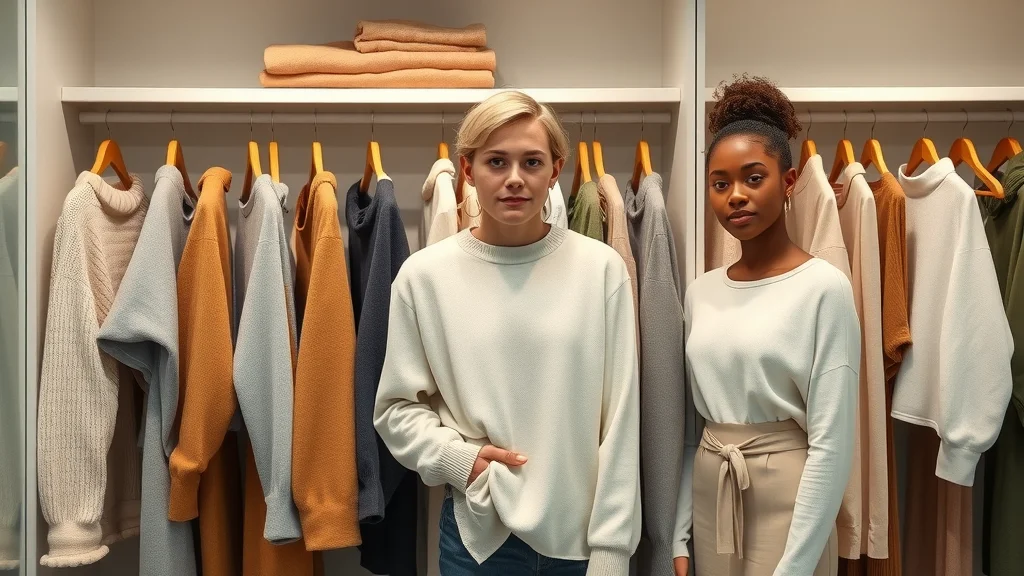
Who Needs Sensory Friendly and Adaptive Clothing?
While neurodivergent people often benefit most from sensory clothing—especially those with autism, ADHD, sensory processing disorder, or other related diagnoses—the benefits extend to anyone with sensory sensitivities. Adults with fine motor difficulties, processing disorder, arthritis, chronic pain, or simply a preference for soft, flat seam fabrics may also opt for adaptive clothing for adults. Even people experiencing discomfort in traditional clothing designs can improve their wellbeing through sensory friendly options, enjoying greater comfort and confidence in daily life.
The Science of Sensory Friendly Clothing: How Fabrics Affect Mood
Exploring the Connection Between Fabrics, Mood, and Well-being
“Soft, seamless clothing can reduce stress and enhance focus, especially for adults with heightened tactile sensitivity.” – Dr. Sophia Chen, Occupational Therapist
The texture and type of fabric worn daily can influence both physical and emotional comfort. For adults with sensory processing disorder or neurodivergent people, gentle, flat seam, or tagless designs can mean the difference between a day spent distracted by discomfort and one marked by ease and calm. The right clothing design reduces sensory input overwhelm, supporting focus and reducing fatigue. This is why sensory clothing and adaptive clothing are increasingly highlighted by health and occupational therapist professionals as a key lifestyle adjustment for those with sensory sensitivities.

Sensory Sensitivities in Adults: Understanding Your Needs
Sensory sensitivities manifest in many ways, from discomfort with certain fabric textures to strong aversion to tags and seams. When adults have these challenges, traditional clothing can create constant stress, aggravating anxiety or making social interactions more difficult. By recognizing these sensory issues and choosing sensory friendly clothing for adults, individuals can address specific triggers. This not only improves their tactile wellness but also enhances mental health, as day-long distractions from itchy, tight, or scratching materials are minimized or eliminated.
For those with sensitive skin or unexplained irritation, it's important to consider not just your clothing but also other daily exposures. Understanding potential allergens—such as metals in jewelry—can further support your comfort.
If you suspect your skin reactions might be linked to accessories, you may find it helpful to explore common symptoms and solutions for gold allergies as part of your holistic approach to skin wellness.
Key Features of Sensory Friendly Clothing for Adults
Seamless construction
Tagless designs and soft, hypoallergenic fabrics
Adaptive closures (magnetic, Velcro)
Flexible fits and accessible cuts
Moisture-wicking and breathable properties
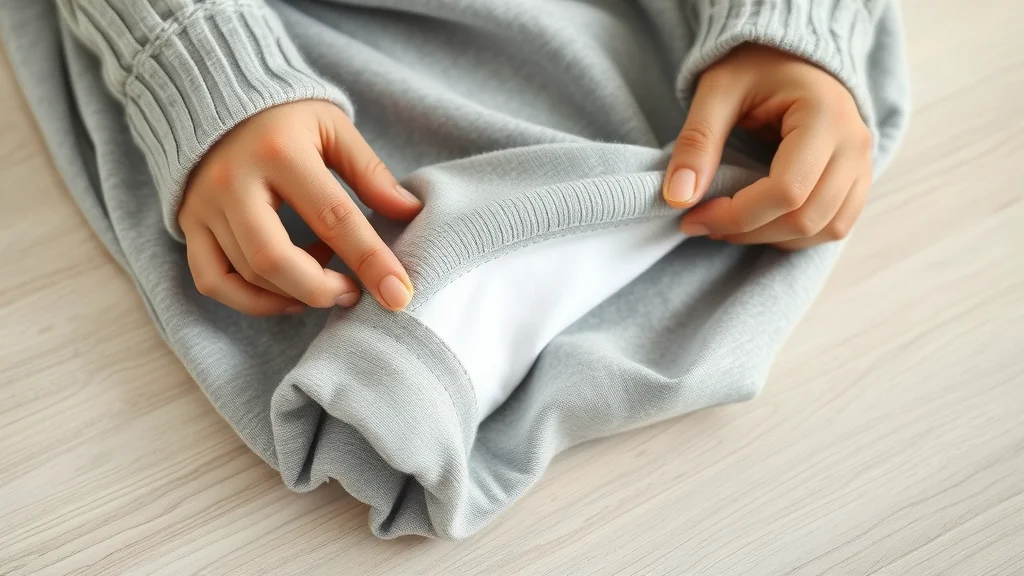
Top Materials Used in Sensory Friendly and Adaptive Clothing
Comparison of Fabric Types for Sensory Clothing for Adults
Material |
Texture |
Breathability |
Hypoallergenic |
Ideal For |
|---|---|---|---|---|
Cotton |
Smooth, soft |
High |
Yes |
Everyday wear, sensitive skin |
Bamboo |
Ultra-soft, silky |
Excellent |
Yes |
Hot climates, allergies |
Modal |
Luxe, drapey |
High |
Yes |
Loungewear, base layers |
Blends (Modal/Cotton, Bamboo/Cotton) |
Varies—soft, adaptive |
Good |
Varies |
Custom sensory comfort |
How Different Materials Support Tactile Wellness
Cotton, bamboo, modal, and innovative blends are used in sensory friendly and adaptive clothing for adults because they maximize softness and minimize irritation. These fabrics lack the scratchy feel sometimes found in synthetic clothing, offering hypoallergenic and breathable options for sensitive skin. This helps adults with sensory sensitivities avoid the kind of sensory input that triggers discomfort or anxiety. Bamboo fabric in particular is prized for its moisture-wicking and antimicrobial properties, making it ideal for long-term wear.
"Choosing breathable and natural fabrics can drastically minimize irritation and improve quality of life for neurodivergent people." – Jamie Alston, Sensory Fashion Designer
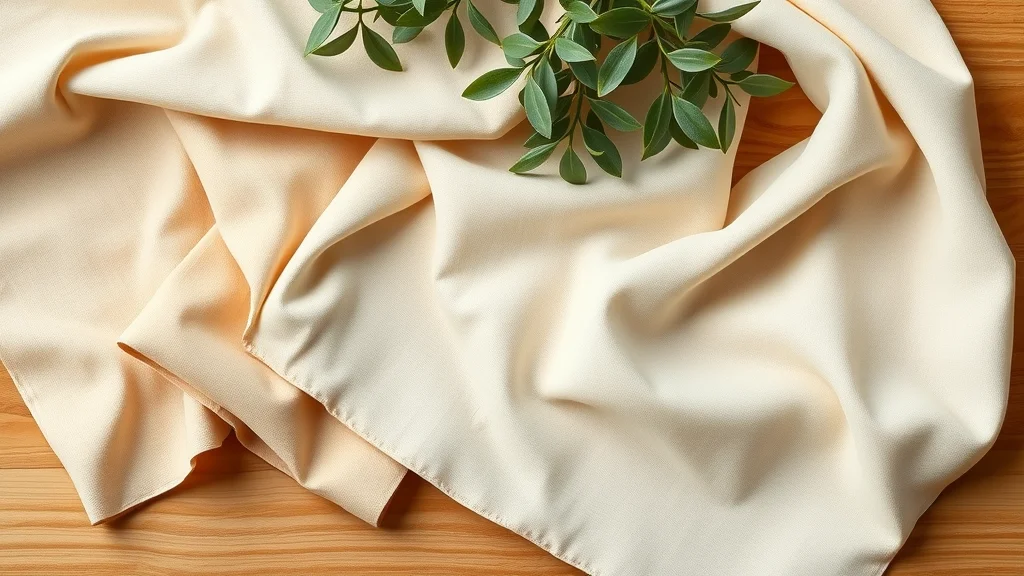
Adaptive Clothing for Adults: Meeting Functional and Sensory Needs
Features Unique to Adaptive Clothing for Adults
Easy-dress features, side openings, and custom sizing
Who benefits most: demographic overview
"Adaptive clothing empowers adults to dress independently and comfortably, supporting both dignity and sensory wellness." – Rachel Patel, Certified Adaptive Specialist

Shopping Guide: Selecting Sensory Friendly Clothing for Adults
Checklist: Priorities when choosing sensory clothing
Top brands and retailers specializing in sensory friendly and adaptive clothing
What to avoid when selecting clothing for adults with sensory sensitivities

Engaging short explainer covering the history and advancements in sensory friendly clothing, featuring expert interviews, close-ups of adaptive features, and testimonials from adults about positive changes in daily comfort.
Explore testimonials and day-in-the-life stories from adults who have switched to sensory friendly clothing for daily wear.
List: Key Considerations for Sensory Friendly Clothing for Adults
-
List of sensory clothing must-haves:
Soft fabric (cotton, bamboo, modal)
Seamless construction
Tagless labels
Adaptive closures (magnetic buttons, Velcro, elastic waist)
Flexible fits
Hypoallergenic materials
Moisture-wicking and breathable properties
-
Checklist of common sensory clothing pitfalls:
Rough or scratchy textures
Bulky or harsh seams
Traditional tags and labels
Restrictive fits or closures
Synthetic fabrics that cause overheating
Expert Tips
Sensory friendly clothing for adults is specifically designed to address sensory processing needs, making it a popular option for those with autism, ADHD, sensory sensitivities, or processing disorder. These garments use soft fabric, flat seams, and tagless designs to reduce sensory problems and enhance tactile comfort. Such clothing can be a transformative clothing option for neurodivergent people seeking daily comfort and greater independence.
Adults with sensory sensitivities should look for sensory friendly clothing that prioritizes hypoallergenic fabrics like bamboo or modal, seamless construction, and adaptive closures such as magnetic buttons or elastic waists. This style of clothing for adults is recommended by occupational therapists as it minimizes potential sensory issues and boosts overall comfort and wellness.
Sensory clothing differs from traditional clothing in that it addresses the specific sensory processing concerns of adults, like rough seams or uncomfortable tags. Features such as seamless design, soft fabric, flexible fit, and adaptive fastenings make it easier for people, including those with fine motor challenges or sensory processing disorder, to dress with ease and confidence.
FAQs about Sensory Friendly Clothing for Adults
How do I wash and care for sensory friendly clothing?
Most sensory friendly and adaptive clothing for adults can be washed with gentle, fragrance-free detergents. Avoid harsh bleaches or fabric softeners as they may degrade sensitive, soft fabric.Where can I find clothing for adults with sensory issues?
Specialty brands and retailers focus on sensory friendly and adaptive clothing, offering a wide range of options designed with input from occupational therapist experts and neurodivergent people.Are sensory friendly clothes expensive?
Price point varies by brand, but the market now includes a wide range of options, making sensory clothing for adults more accessible than ever. Many find the comfort and well-being improvements worth investing in a few high-quality essentials.What if I have sensitive skin?
Look for hypoallergenic fabrics like bamboo or organic cotton. Tagless labels and seamless designs further reduce irritation for sensitive skin.
Also See:
Key Takeaways
Sensory friendly clothing for adults can greatly improve daily wellbeing and comfort
Adaptive clothing offers independence, style, and function for adults
Careful selection of fabrics is vital for sensory sensitivities
Preferred brands and retailers can make finding the right clothing easier
For Further Information
Discover more trusted information like this at: NCWellnessHub.com
Conclusion: Carefully choosing sensory friendly clothing for adults can transform comfort and independence. Explore more at NCWellnessHub. com.





Write A Comment