
Your guide to modern living—every day.

  • Home
  • Categories
    • Wellness
    • Home and Garden
    • Work and Life
    • Travel
    • People and Style
    • Living Spaces
August 29.2026
1 Minute Read

The Proof Engine: How to Turn New Habits Into Your Default Identity

The Proof Engine - Build Your Identity

"We are what we repeatedly do. Excellence, then, is not an act but a habit. " This powerful insight reminds us that by building identity through action, our habits define who we truly become. In a world crowded with quick fixes and hollow motivational slogans, real, lasting change often feels rare—even impossible.

But what if you could turn everyday habits into concrete proof of who you are, building confidence step-by-step instead of relying on fleeting willpower? In this article, we’ll explore a research-backed approach that reframes identity as the product of your actions, not just your beliefs. You’ll learn how small choices and environment design make all the difference—and why your next tiny action is actually a vote for the person you aspire to become.

"We Are What We Repeatedly Do": The Role of Action in Identity Formation

"We are what we repeatedly do. Excellence, then, is not an act but a habit." – Will Durant

At the heart of building identity through action lies the idea that every action is a vote for the type of person you wish to become. While many self-help sources focus on thinking positive or reciting daily affirmations, identity theory and modern behavioural research show that action is a vote—and that lasting identity emerges only when these votes accumulate over time.

For example, each day that you write just a few words every day, you add evidence for the identity of a "person who writes. " If you make your bed, move more every day, or choose a healthy meal, you’re reinforcing the story you tell yourself—and what others see.

The real challenge is that change isn't about one-time decisions or bursts of motivation. It's about what happens after motivation fades and we’re left with routine. This is why the surface-level advice to just "believe in yourself" often falls flat: self-confidence comes from evidence—the proof you create day after day through your actions.

This is the backbone of behavioral design, an approach that transforms identity theory from abstract concepts into practical, daily proof. Research shows that when we focus on small actions—the micro-behaviors that comprise our routine—we sustain change even when willpower runs out.

Inspiring young adult building identity through action by writing in a journal at a tidy desk for mental health

Building Identity Through Action: Core Principles and Observations

Let’s break down what actually shapes our identities. Evidence-based research and leading voices in behaviour change agree: identity is shaped incrementally by tiny action rather than grand gestures. If your goal is to become someone with an exercise identity, every walk or workout is a small vote.

Miss a workout? That’s not the end of the story—it’s the sum of your small, consistent actions that matter most, not one-off wins or losses. Each choice builds towards a cumulative outcome, and personality traits are less about innate characteristics and more about accumulated proof of who you are through action.

The shift from “trying to be” to “being” comes through repetition and tracking progress over time. Instead of focusing on limiting beliefs or worrying over missed opportunities, the most effective approach is to start by focusing on what you can control right now—your next action.

The real proof comes not from who you wish to be in theory, but from what you do when the excitement has worn off and life feels ordinary. This is how behaviour change becomes identity change.

As you work to reinforce your identity through consistent action, it's natural to encounter moments of doubt or overwhelm, especially when external circumstances feel challenging. For practical strategies on how to keep moving forward and transform feelings of overwhelm into purposeful action, explore these evidence-based approaches for staying resilient when the world feels uncertain.

Moving Beyond Willpower: The Foundation of Identity Theory

Relying on sheer willpower to change your behavior for good is unsustainable for most people. Humans naturally react to their environments and routines; relying on motivation alone means riding emotional ups and downs.

According to identity theory, true change is only possible when your actions align with who you want to become. Instead of believing new things first, you start believing new things about yourself by accumulating daily evidence through tangible actions.

A person who never misses a workout, for example, isn’t using superhuman willpower—they’ve crafted an identity around consistent, repeated actions, supported by their environment and social group. Iterative, actionable proof—not fleeting motivation—fuels lasting transformation, improves mental health, and helps challenge negative self-perceptions. That’s why transformative changes in personality traits and self-confidence happen through behaviour, not just mindset.

What You’ll Learn About How to Build Identity Through Action

  • The empirical, behavioural framework for lasting identity change

  • How to bridge the gap after motivation wanes

  • The practical mechanics of building identity through action

  • Why self-confidence emerges from daily habits and environmental design

The Proof Engine Model: How Small Actions Reinforce Your Identity
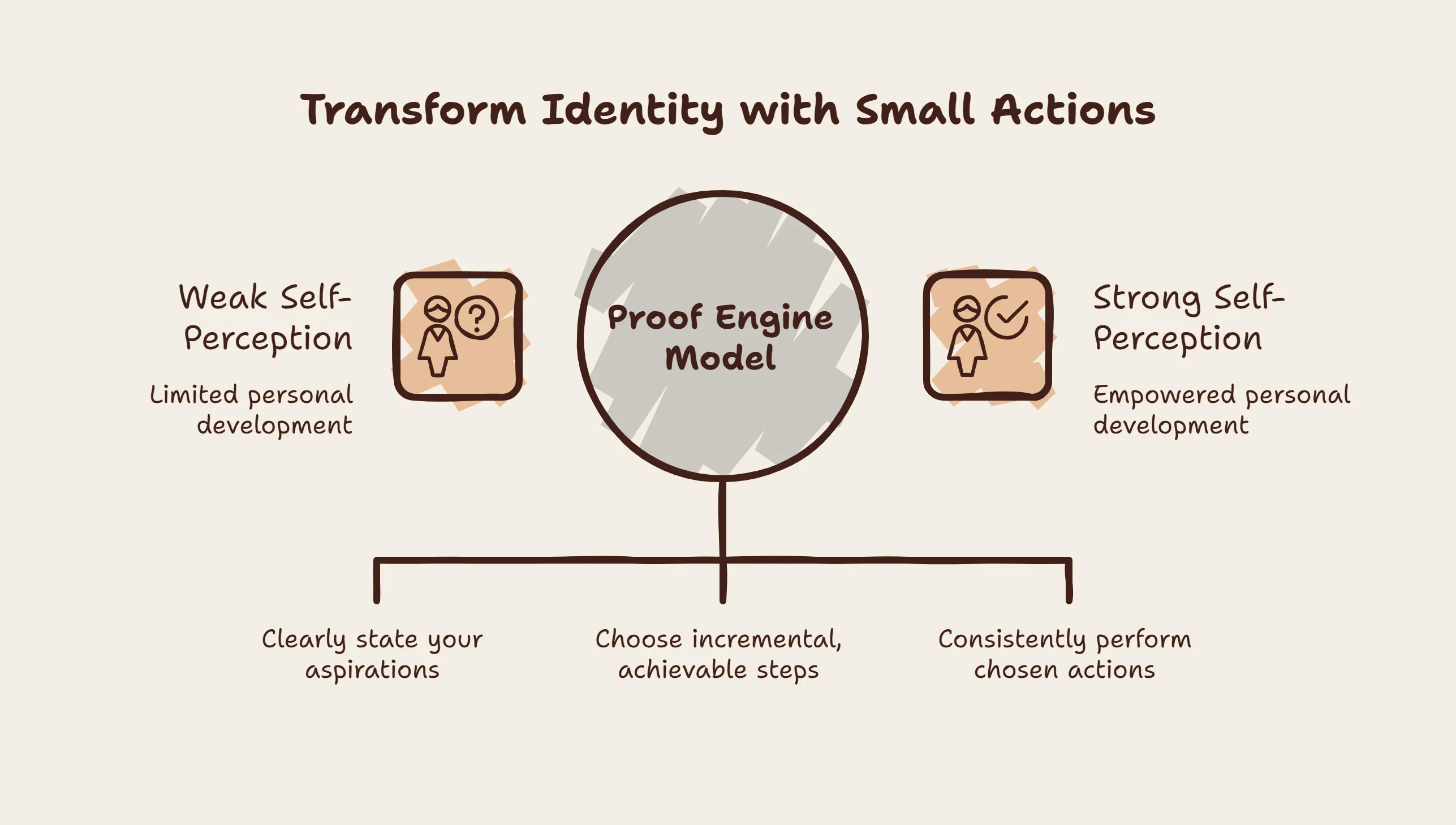
The Proof Engine Model - How Small Actions Reinforce Your Identity

Behavioural Design Over Generic Self-Help Advice

Traditional self-help often tells people to simply think better or try harder. However, behavioral design transforms how we build identity through action. Rather than offering surface-level lists, behavioural design incorporates actionable feedback loops, environment optimization, and habit stacking.

For example, tracking your progress, creating physical reminders, and designing your environment to prompt positive behaviours are all approaches rooted in behavioural design. This method addresses the fundamental truth revealed by identity theory:

"Every action is a vote for the person you want to become. "

By making tiny action steps easy and consistent, you create the evidence log you need for deep, long-lasting change. These principles work not just for those aiming to lose weight or write more words every day, but for anyone interested in challenging negative self-beliefs or adopting any new identity, from an active member of a social group to someone with healthier mental health.

The Maintenance Gap: Sustaining Change After Initial Motivation

Sustaining new habits after initial enthusiasm—the maintenance gap—is where most people falter. Research shows that long-term behaviour change is achieved not through grand, one-off decisions, but through systems that reinforce identity via repeated, consistent action.

This gap is often where willpower wanes and old routines reemerge. Behavioural design helps you bridge this phase by setting up environmental cues, leveraging accountability, and focusing on the process rather than purely outcomes. Because identity is cumulative—not instantaneous—proof builds day by day, and missing a single action just invites the next positive vote.

By focusing on iterative feedback and visible progress, individuals learn to navigate and close the maintenance gap, transforming new habits into lasting parts of their self-identity.
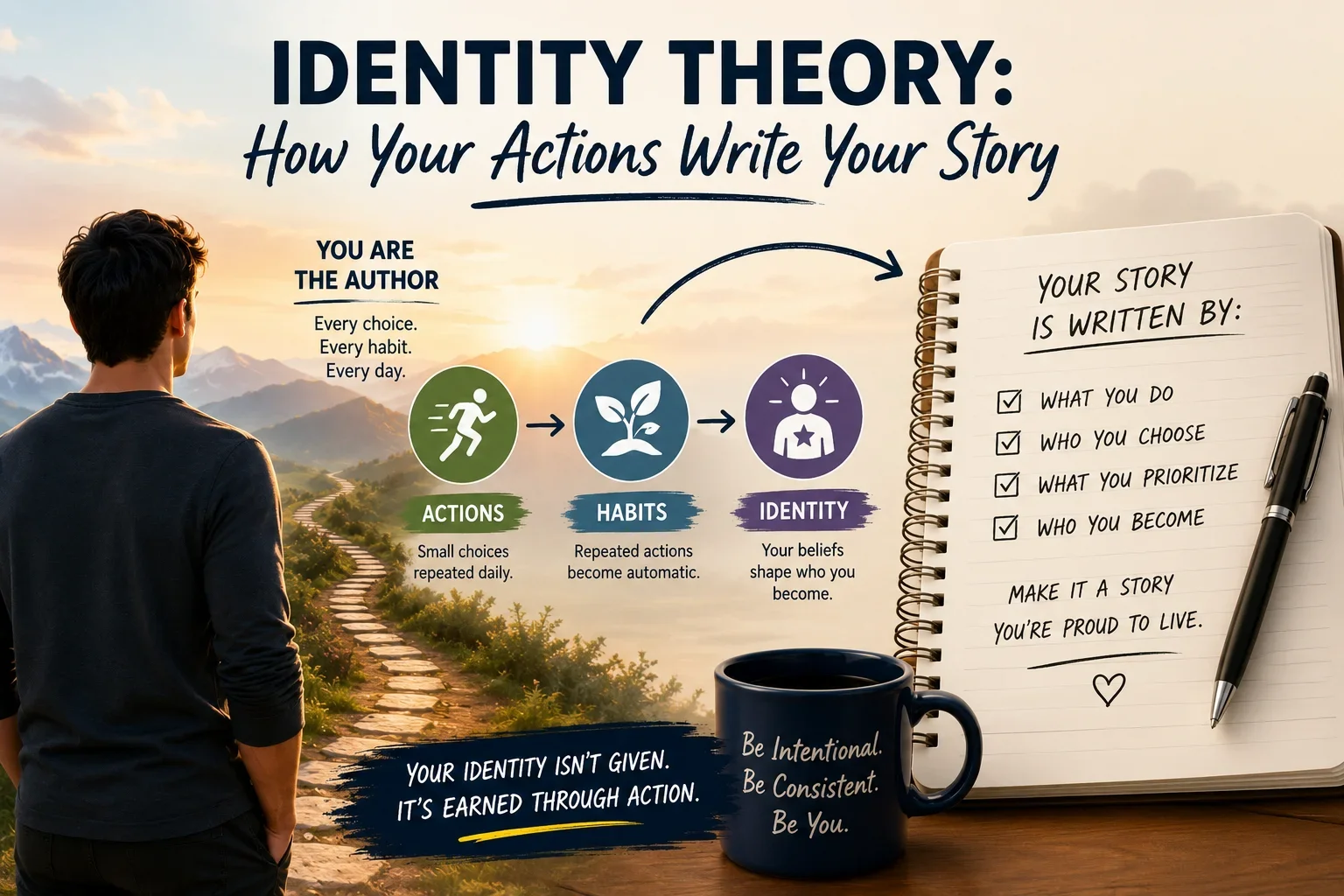
Identity Theory Actions Become Your Story

Identity Theory: How Your Actions Write Your Story

Core Concepts from Identity Theory

"Identity emerges from the evidence you accumulate about who you are through your actions."

According to identity theory, our actions are far more important than our stated intentions or momentary motivation. A person with an exercise identity doesn’t just talk about going to the gym—they rack up small votes for being someone who moves more every day. In the same vein, writers, students, or healthy eaters shape their identities through the accumulation of tiny action—showing up, acting, proving.

This concept is at the foundation of lasting behaviour change. Research shows that people start believing new things about themselves only after accumulating enough evidence to support those beliefs. Simply put, every time you follow through, even in a small way, you begin to rewrite your story, challenging negative or limiting beliefs while empowering your preferred self-identity.

Actionable Proof vs. Positive Thinking in Building Identity

While positive thinking has its place, identity is solidified not by hope or optimism, but through actionable proof. It’s the physical evidence—a completed task, a journal entry, a healthy meal—that provides the foundation for unwavering self-confidence. As every action is a vote for the type of person you wish to be, a single missed day doesn’t negate progress but rather keeps the focus on returning to your routine.

In practice, shifting focus from outcome-based thinking to process-based doing enables lasting growth. It also reshapes mental health: instead of feeling like a failure when perfection isn’t achieved, you realize that building identity through action is a process—one that allows grace and growth. This is the key differentiator between actionable behavioural design and surface-level self-help.

The Five Pillars of Identity: People Also Ask
Geometric 3D diagram illustration showing five pillars of identity theory and mental health

What are the five pillars of identity?

Answer:

The five pillars of identity often referenced in psychology and behavioural design are: values, beliefs, actions, environment, and social group. Each plays a vital role in how you view yourself and how others perceive you. Values guide decisions, beliefs shape mindset, and actions provide concrete evidence. Your environment creates subtle cues for habits, while social group influences reinforce or challenge your sense of self.

By focusing attention on actions and environment, you directly affect your identity formation with every tiny action. This approach aligns with identity theory’s view that cumulative proof, more than isolated events, determines your default identity over time.

What does building identity mean?

Building identity means shaping the way you see yourself—and how others see you—by aligning your daily behaviors with the type of person you want to be. Instead of being born with fixed personality traits, you become the person you are through repeated, deliberate actions.

To build identity through action is to accumulate daily proof: every healthy meal, every habit completed, every act of kindness, and every new skill practiced becomes a “vote” toward your chosen self.

This doesn’t require radical change overnight; even the smallest new habit, when repeated, helps define your story. You don’t need to wait for permission to start believing new things about yourself. You can start by focusing on what you do—and let your actions shape your narrative from the ground up.

What are the four types of self-identity?

The Four Types of Self-Identity and Their Relationship to Action

Self-identity can be divided into four main types: personal identity, social identity, role identity, and collective identity. Personal identity refers to your self-perception and unique characteristics. Social identity involves your connection to groups or communities. Role identity emerges from the various roles you play—student, parent, colleague—while collective identity links you to broader affiliations such as nationality or culture.

Each of these is shaped by actions taken within context. For example, active participation in a social group strengthens social identity, while fulfilling your responsibilities at work bolsters role identity. According to identity theory, the more consistently your actions align with one type, the stronger that aspect of self-identity becomes.

What are the four core elements of identity?

The Four Core Elements of Identity Through the Lens of Action-Based Behavioural Design

From an action-based behavioural design perspective, the four core elements of identity are: actions, environment, feedback, and reflection. Actions generate the evidence, environment provides cues and support, feedback guides improvement, and reflection helps you adjust and reinforce learning.

Consistently making small changes and evaluating results allow you to build identity through action. The feedback loop—acting, learning, refining—transforms fleeting motivation into lasting confidence, and ensures that your current behaviors align with your desired self-image.

Table: Comparing Behavioural Design with Traditional Self-Help for Identity Building

Aspect

Behavioural Design

Traditional Self-Help

Operational Focus

Concrete daily actions and environment design

Abstract thinking and motivational tactics

Evidence and Proof

Log of completed actions (“proof engine”)

Self-affirmations and belief statements

Long-Term Outcomes

Cumulative proof leads to lasting identity change

Results contingent on sustained motivation

Sustainability

Habit stacking and environmental support

Willpower and inspiration

Resilience to Setbacks

Focus on returning to action after a lapse

Perfectionism, risk of discouragement after misses

Proven Habits That Build Identity Through Action

  1. Tracking and rewarding micro-actions

  2. Environmental cues and habit stacking

  3. Accountability structures

  4. Iterative feedback and self-reflection

  5. Documenting progress: The evidence log

Adult using a digital habit tracking app to build identity through small actions and behavioral design

Daily Proof: How Actions Translate Into Long-Term Confidence

Why Environment Often Beats Willpower in Shaping Identity

"Your environment is the invisible hand that shapes human behaviour." – James Clear

Even the most motivated person can struggle when their environment works against their goals. Placing running shoes by the door, keeping healthy snacks visible, and arranging workspaces for minimal distractions are all ways to influence current behaviors through subtle shifts in environment.

Research shows that environmental design often outperforms raw willpower in sustaining change. The easiest path becomes the most traveled: physical reminders, social group cues, and visible trackers all send a clear message about your identity.

Over time, these cues become effortless reinforcements—a way to maintain the proof engine with less conscious toil. In doing so, long-term confidence, personality traits, and improved mental health become natural byproducts of a system that makes your desired behaviour the path of least resistance.

Relaxed adult organizing environment to support healthy habits and build identity through action for mental health

Case Study: Applying the Proof Engine Step by Step

Real-World Example: Turning a New Habit Into Your Default Identity

Consider someone who wants to develop an exercise identity. Instead of aiming to lose weight through extreme measures, they start by focusing on a tiny action, such as walking for five minutes daily. They track each walk and place workout gear in a visible spot. A social group or accountability partner celebrates each small vote.

Over weeks, these actions accumulate as proof—reinforcing the belief, "I am someone who moves more every day. " Misses aren’t failures; they are simply part of the process. Regular review of an evidence log, feedback from peers, and small adjustments keep the habit alive.

In time, this person’s identity shifts not just in their own view, but in the eyes of others. The results ripple out: greater mental health, improved confidence, and the kind of resilience that allows them to challenge negative self-talk and sustain behavior change for good.

Mentor and young adult reviewing progress chart to reinforce identity through action and behavioral change

Key Takeaways: How to Build Identity Through Action

  • Identity is cumulative and built day-by-day.

  • Sustained change requires moving beyond motivation to systemized proof.

  • Account for the maintenance gap after initial enthusiasm fades.

  • Lasting confidence comes from repeated action, not belief alone.

Collage showing daily routines like walking, reading, and meditating—habits that build identity through action

Frequently Asked Questions: Building Identity Through Action

How long does it take to build identity through action?

The time required to build identity through action varies for each person and depends on the consistency of your proof. Research shows that repeated, small actions become part of your self-identity after a few weeks to several months. The key is not the speed but the consistent accumulation of “votes” until your desired behavior feels natural—gradually shifting from effortful action to effortless identity.

Can you change your identity at any age through action?

Absolutely—identity can be reshaped at any stage of life. Thanks to neuroplasticity, our brains are responsive to change throughout our lives. Forming new habits, adapting environment design, or joining new social groups enables anyone, of any age, to build identity through action and see lasting transformation in their mental health and behavior.

What if I struggle to stick to new habits?

Overcoming Habit Setbacks and the Role of Environment

Nearly everyone struggles with sticking to new habits at first. Instead of blaming willpower, examine your environment, consider accountability, or break habits down into tiny action steps. If you miss a day (or a workout), simply return to action as soon as possible. The real progress is cumulative—every renewed attempt is another vote for the type of person you are working to become.

Summary and Next Steps for Building Identity Through Action

To build identity through action, focus on your next step. Design your environment, track small proofs, and return to your habits after setbacks. Small votes compound, and over time, this proof engine quietly but powerfully creates real, sustainable change. Your identity is not set by your beliefs alone—it is written daily by what you do.

Moving Forward: Embedding the Proof Engine in Your Daily Life

Hopeful person outdoors reflecting on building identity through action at sunrise

Further Reading and Resources

  • Stop Dreaming, Start Designing: The 4 Pillars of Your Future Self-Identity

  • Reverse-Engineer Your Habits: How Students Can Turn Identity into Daily Action

  • Create Lasting Change: How to Build Habits that Stick

  • Why Vague Goals Fail, and What to Aim at Instead

  • Quiet the Feed: Reclaiming Your Self-Worth in a World Built to Compare You

To continue your learning, you’ll find more articles and guides at NCWellnessHub.com

If you’re ready to deepen your journey and unlock even greater self-mastery, consider exploring how your inner dialogue shapes your habits and mental health. By learning to activate your brain’s inner coach, you can reinforce positive identity shifts and build resilience from the inside out.

Discover actionable techniques and expert insights in this guide to transforming your inner dialogue for better mental health. Let your next step be not just about what you do, but also how you speak to yourself along the way—because true identity change is both an external and internal evolution.

Sources

  • Identity-Based Habits: How to Actually Stick to Your Goals ... - https://jamesclear.com/identity-based-habits

  • From Identity to Enaction: Identity Behavior Theory - PMC - NIH - https://pmc.ncbi.nlm.nih.gov/articles/PMC8423104/

  • Why Identity-Based Habits Work When Everything Else Fails - https://www.drpaulmccarthy.com/post/why-identity-based-habits-work-when-everything-else-fails

  • How to Build a Healthy Self-identity - https://www.healthassured.org/blog/building-a-healthy-self-identity/

Wellness

0 Comments

Write A Comment

*
*
Please complete the captcha to submit your comment.
Related Posts All Posts
08.13.2026

Discover the Incredible Benefits of Fennel Seeds for Your Health

Update Unveiling the Secrets of Fennel Seeds: A Wellness Powerhouse Fennel seeds, also known as saunf, are more than just a spice; they are a treasure trove of health benefits that have been cherished across cultures for centuries. From aiding digestion to enhancing respiratory health, these tiny seeds pack a powerful punch when it comes to promoting overall wellness. Let's explore the multifaceted advantages of fennel seeds and discover how easy it is to incorporate them into our everyday lives. Historical Context: Fennel Seeds Across Cultures Historically, fennel seeds have been utilized in traditional medicine as well as culinary arts. Ancient Egyptians valued them for their medicinal properties, while Greeks used them to combat hungry feelings—an early form of appetite control! Indian cuisine—in which fennel is a staple—has also relied on these seeds for their digestive benefits. This rich history gives a deeper appreciation of fennel seeds’ role in health and nutrition worldwide. In addition, many cultures have linked fennel seeds with various folklore and customs, illustrating their significance beyond just nutrition. For instance, in some traditions, fennel seeds are chewed after meals to freshen breath, showcasing their holistic benefits. Digestive Aid: The Role of Fennel Seeds One of the most well-known benefits of fennel seeds is their ability to support digestive health. Actively aiding in the prevention of bloating and gas, these seeds contain compounds such as anethole, which soothe the digestive tract. Additionally, they can stimulate the production of gastric juices, enhancing overall digestion. A simple remedy could involve steeping fennel seeds in hot water to create a soothing tea that can be consumed after meals. This tea not only helps with digestion but can also be a calming ritual that encourages mindful eating—something many of us can benefit from in our fast-paced lives. Moreover, the seeds can be incorporated into various dishes like curries and salads, adding flavor along with their health properties. Respiratory Health Benefits: Breathe Easy with Fennel Fennel seeds also contribute to respiratory health, making them valuable for those suffering from respiratory conditions. They help in clearing mucus and can ease coughing. Whether consumed raw or steeped to make a tea, fennel seeds can promote easier breathing, especially during cold seasons when respiratory ailments are common. Additionally, by incorporating fennel into your diet, you may find that you can reduce reliance on over-the-counter remedies, thus opting for a more natural approach to health. As awareness around holistic health grows, more individuals are looking for natural options like fennel seeds to support their respiratory wellness. Antioxidant-Rich: Protecting Against Free Radicals Loaded with powerful antioxidants, fennel seeds can combat oxidative stress within the body. Antioxidants are key players in fighting free radicals, which can lead to chronic diseases. Incorporating fennel seeds in your diet through recipes or teas can help bolster your body's natural defenses. Furthermore, consider pairing fennel seeds with other antioxidant-rich foods, such as berries or nuts, to enhance your overall health regimen. By creating balanced meals that incorporate these ingredients, you can develop a sustainable approach to wellness that doesn’t feel like a chore. Making Health Fun: Easy Home Remedies Using Fennel Seeds Creating home remedies with fennel seeds is not just healthy but also an enjoyable experience. Here are some simple concoctions to get you started: Fennel Tea: Steep a teaspoon of fennel seeds in hot water for 10 minutes. Strain and sip to soothe digestion. Consider adding honey or lemon for an extra flavor boost. Fennel Infused Water: Add a tablespoon of crushed fennel seeds to a pitcher of water and let it infuse overnight. Enjoy refreshing flavored water, perfect for keeping hydrated on hot days. Homemade Fennel Powder: Dry roast fennel seeds and blend them into a fine powder to sprinkle on dishes for added flavor and health benefits. This powder can enhance soups, stews, or even smoothies! Fennel Seed Gummy Bears: For a fun treat, combine fennel seed tea with gelatin to create healthful gummy bears. These not only satisfy a sweet tooth but can also aid digestion. Inspiration from Everyday Lives Many of us might overlook the potential of such a simple seed. By sharing experiences, we realize the connection fennel seeds have, not just with our culinary practices, but also in our wellness journeys. I recall a friend who struggled with indigestion. Introducing fennel seeds into her diet transformed her digestive health, highlighting the real-life impact that these seeds can have. Others have reported improvements in their metabolic health after using them regularly. Their ability to serve multiple health purposes speaks to the versatility of fennel in a typical household. Common Misconceptions about Fennel Seeds Despite their benefits, some misconceptions about fennel seeds linger. For instance, many think they are only useful for post-meal digestion. In reality, they contribute to overall health by providing essential nutrients and can be consumed daily in various forms. By demystifying these notions, we can encourage more people to explore and enjoy fennel's benefits. It’s also worth noting that even though fennel seeds have visible advantages, they should complement a balanced diet rather than serve as a sole solution for health improvements. Conclusion: Embracing Fennel for a Healthier Life Incorporating fennel seeds into our daily routines can be a delightful journey toward better health. With their myriad of benefits—from aiding digestion to boosting respiratory function—fennel seeds are truly a versatile addition to anyone's pantry. They serve not only as a culinary spice but also as a potential ally in managing everyday health issues. So why not start this journey today? Explore new recipes, embrace these seeds in your lifestyle, and witness the positive changes that follow! By making these simple adjustments, you can elevate your meals and health in one go, creating a happier and healthy you.

07.10.2026

10 Amazing DIY Neem Face Packs to Transform Your Skin Naturally

Update Discover the Powerful Benefits of Neem Face Packs for Flawless Skin Neem, scientifically known as Azadirachta indica, has been revered in traditional medicine for centuries, and recent trends highlight its resurgence in modern skincare. Renowned for its antibacterial, antifungal, and anti-inflammatory properties, neem does wonders for skin health, effectively treating a variety of conditions such as acne, blemishes, and pigmentation. The All-Natural Solution for Common Skin Problems Commercial skincare products often contain harsh chemicals that can irritate sensitive skin. In contrast, neem provides a gentle, all-natural remedy for common issues like oily skin, acne, and signs of aging. Its rich composition of vitamins, minerals, and antioxidants helps improve skin tone and texture while promoting a radiant glow, making it a valuable addition to any skincare routine. Unveiling 10 DIY Neem Face Pack Recipes Here are ten easy and effective neem face packs you can create at home: Neem Tulsi Face Pack for Dry Skin: Mix ½ tablespoon each of neem and tulsi powder with 1 tablespoon of rosewater. Apply and let it dry for 15-25 minutes to rejuvenate and hydrate. Neem and Multani Mitti Face Pack for Acne: Combine ½ tablespoon of neem powder with the same of Multani mitti and 1 tablespoon of coconut water for a powerful antibacterial treatment. Neem and Turmeric Face Pack: For reducing inflammation, mix ½ tablespoon of neem powder with 1 teaspoon of turmeric and 1 teaspoon of aloe vera gel. Let it work its magic for a youthful glow. Neem and Orange Peel Powder Face Pack: Stir together ½ tablespoon each of neem and orange peel powder with 1 tablespoon of water; this vibrant blend exfoliates and brightens skin. Neem and Honey Face Pack: A blend of 1 tablespoon of neem powder, ½ tablespoon of honey, and 1 teaspoon of turmeric rejuvenates the skin while providing deep nourishing antioxidants. Neem and Curd Face Pack: Mix 1 tablespoon each of neem powder and curd to lighten dark spots and impart a radiant glow. Neem and Sandalwood Face Pack for Acne: Combine ½ tablespoon of neem powder with sandalwood powder and rosewater for soothing relief from acne and blemishes. Neem and Aloe Vera Face Pack: Mix 1 tablespoon of neem powder with ½ tablespoon of aloe vera gel to eliminate pigmentation and enhance hydration. Neem and Almond Face Pack: Blend equal parts of neem and almond flour with rosewater to promote bright and supple skin. Neem and Besan Face Pack: This pack combines ½ tablespoon each of neem powder and besan with water for a mild exfoliating effect while ensuring a radiant complexion. Frequently Asked Questions About Neem Face Packs Many people have questions about the best practices for using neem face packs, including usage frequency and suitability for different skin types: Can Neem Face Packs Be Used Daily? It's advisable to limit use to 1-2 times a week to prevent skin dryness or irritation. Is It Effective for Acne Scars? Absolutely! Neem's natural anti-inflammatory properties can alleviate redness and help lighten scars. Conclusion: Embrace Natural Beauty with Neem Incorporating neem face packs into your skincare routine not only promotes clear and glowing skin but also aligns with a growing preference for natural beauty solutions. With ingredients that are easy to find in your kitchen, taking a DIY approach allows you to pamper your skin without breaking the bank. Embrace the power of neem and embark on your journey towards radiant, healthy skin!

06.29.2026

Tactile Wellness: How Your Wardrobe Fabrics are Secretly Shaping Your Mood

Did you know that the fabrics you wear can significantly impact your mood and stress levels? Sensory friendly clothing for adults isn’t just comfortable—it actively supports emotional well-being. Discover how choosing the right textiles can transform your daily experience and boost your tactile wellness.How Sensory Friendly Clothing for Adults Shapes Tactile WellnessDid you know that the fabrics you wear can significantly impact your mood and stress levels? Sensory friendly clothing for adults isn’t just comfortable—it actively supports emotional well-being. Discover how choosing the right textiles can transform your daily experience and boost your tactile wellness.What You'll Learn About Sensory Friendly Clothing for AdultsHow clothing fabrics influence emotions and daily comfortWhich materials are best for sensory sensitivities in adultsTop features of adaptive and sensory friendly clothingTips for choosing adaptive clothing for adults with sensory sensitivitiesExpert recommendations and user testimonialsUnderstanding Sensory Friendly Clothing for AdultsDefining Sensory Clothing and Adaptive Clothing for AdultsSensory friendly clothing refers to garments designed with the aim of minimizing discomfort and irritation caused by traditional clothing. These pieces feature soft fabric, flat seams, and construction details that reduce friction. Adaptive clothing for adults includes additional design modifications like elastic waist bands, magnetic buttons, or Velcro closures that accommodate physical or sensory needs. Together, sensory and adaptive clothing anticipate and solve issues faced by neurodivergent people, adults with sensory processing disorder, or those with sensitive skin. The wide range of clothing now available means more people can find options tailored to their sensory comfort and daily needs.Who Needs Sensory Friendly and Adaptive Clothing?While neurodivergent people often benefit most from sensory clothing—especially those with autism, ADHD, sensory processing disorder, or other related diagnoses—the benefits extend to anyone with sensory sensitivities. Adults with fine motor difficulties, processing disorder, arthritis, chronic pain, or simply a preference for soft, flat seam fabrics may also opt for adaptive clothing for adults. Even people experiencing discomfort in traditional clothing designs can improve their wellbeing through sensory friendly options, enjoying greater comfort and confidence in daily life.The Science of Sensory Friendly Clothing: How Fabrics Affect MoodExploring the Connection Between Fabrics, Mood, and Well-being“Soft, seamless clothing can reduce stress and enhance focus, especially for adults with heightened tactile sensitivity.” – Dr. Sophia Chen, Occupational TherapistThe texture and type of fabric worn daily can influence both physical and emotional comfort. For adults with sensory processing disorder or neurodivergent people, gentle, flat seam, or tagless designs can mean the difference between a day spent distracted by discomfort and one marked by ease and calm. The right clothing design reduces sensory input overwhelm, supporting focus and reducing fatigue. This is why sensory clothing and adaptive clothing are increasingly highlighted by health and occupational therapist professionals as a key lifestyle adjustment for those with sensory sensitivities.Sensory Sensitivities in Adults: Understanding Your NeedsSensory sensitivities manifest in many ways, from discomfort with certain fabric textures to strong aversion to tags and seams. When adults have these challenges, traditional clothing can create constant stress, aggravating anxiety or making social interactions more difficult. By recognizing these sensory issues and choosing sensory friendly clothing for adults, individuals can address specific triggers. This not only improves their tactile wellness but also enhances mental health, as day-long distractions from itchy, tight, or scratching materials are minimized or eliminated.For those with sensitive skin or unexplained irritation, it's important to consider not just your clothing but also other daily exposures. Understanding potential allergens—such as metals in jewelry—can further support your comfort. If you suspect your skin reactions might be linked to accessories, you may find it helpful to explore common symptoms and solutions for gold allergies as part of your holistic approach to skin wellness.Key Features of Sensory Friendly Clothing for AdultsSeamless constructionTagless designs and soft, hypoallergenic fabricsAdaptive closures (magnetic, Velcro)Flexible fits and accessible cutsMoisture-wicking and breathable propertiesTop Materials Used in Sensory Friendly and Adaptive ClothingComparison of Fabric Types for Sensory Clothing for AdultsMaterialTextureBreathabilityHypoallergenicIdeal ForCottonSmooth, softHighYesEveryday wear, sensitive skinBambooUltra-soft, silkyExcellentYesHot climates, allergiesModalLuxe, drapeyHighYesLoungewear, base layersBlends (Modal/Cotton, Bamboo/Cotton)Varies—soft, adaptiveGoodVariesCustom sensory comfortHow Different Materials Support Tactile WellnessCotton, bamboo, modal, and innovative blends are used in sensory friendly and adaptive clothing for adults because they maximize softness and minimize irritation. These fabrics lack the scratchy feel sometimes found in synthetic clothing, offering hypoallergenic and breathable options for sensitive skin. This helps adults with sensory sensitivities avoid the kind of sensory input that triggers discomfort or anxiety. Bamboo fabric in particular is prized for its moisture-wicking and antimicrobial properties, making it ideal for long-term wear."Choosing breathable and natural fabrics can drastically minimize irritation and improve quality of life for neurodivergent people." – Jamie Alston, Sensory Fashion DesignerAdaptive Clothing for Adults: Meeting Functional and Sensory NeedsFeatures Unique to Adaptive Clothing for AdultsEasy-dress features, side openings, and custom sizingWho benefits most: demographic overview"Adaptive clothing empowers adults to dress independently and comfortably, supporting both dignity and sensory wellness." – Rachel Patel, Certified Adaptive SpecialistShopping Guide: Selecting Sensory Friendly Clothing for AdultsChecklist: Priorities when choosing sensory clothingTop brands and retailers specializing in sensory friendly and adaptive clothingWhat to avoid when selecting clothing for adults with sensory sensitivitiesEngaging short explainer covering the history and advancements in sensory friendly clothing, featuring expert interviews, close-ups of adaptive features, and testimonials from adults about positive changes in daily comfort.Explore testimonials and day-in-the-life stories from adults who have switched to sensory friendly clothing for daily wear.List: Key Considerations for Sensory Friendly Clothing for AdultsList of sensory clothing must-haves:Soft fabric (cotton, bamboo, modal)Seamless constructionTagless labelsAdaptive closures (magnetic buttons, Velcro, elastic waist)Flexible fitsHypoallergenic materialsMoisture-wicking and breathable propertiesChecklist of common sensory clothing pitfalls:Rough or scratchy texturesBulky or harsh seamsTraditional tags and labelsRestrictive fits or closuresSynthetic fabrics that cause overheatingExpert TipsSensory friendly clothing for adults is specifically designed to address sensory processing needs, making it a popular option for those with autism, ADHD, sensory sensitivities, or processing disorder. These garments use soft fabric, flat seams, and tagless designs to reduce sensory problems and enhance tactile comfort. Such clothing can be a transformative clothing option for neurodivergent people seeking daily comfort and greater independence.Adults with sensory sensitivities should look for sensory friendly clothing that prioritizes hypoallergenic fabrics like bamboo or modal, seamless construction, and adaptive closures such as magnetic buttons or elastic waists. This style of clothing for adults is recommended by occupational therapists as it minimizes potential sensory issues and boosts overall comfort and wellness.Sensory clothing differs from traditional clothing in that it addresses the specific sensory processing concerns of adults, like rough seams or uncomfortable tags. Features such as seamless design, soft fabric, flexible fit, and adaptive fastenings make it easier for people, including those with fine motor challenges or sensory processing disorder, to dress with ease and confidence.FAQs about Sensory Friendly Clothing for AdultsHow do I wash and care for sensory friendly clothing?Most sensory friendly and adaptive clothing for adults can be washed with gentle, fragrance-free detergents. Avoid harsh bleaches or fabric softeners as they may degrade sensitive, soft fabric.Where can I find clothing for adults with sensory issues?Specialty brands and retailers focus on sensory friendly and adaptive clothing, offering a wide range of options designed with input from occupational therapist experts and neurodivergent people.Are sensory friendly clothes expensive?Price point varies by brand, but the market now includes a wide range of options, making sensory clothing for adults more accessible than ever. Many find the comfort and well-being improvements worth investing in a few high-quality essentials.What if I have sensitive skin?Look for hypoallergenic fabrics like bamboo or organic cotton. Tagless labels and seamless designs further reduce irritation for sensitive skin.Also See:Comfort Clothing for AnxietyKey TakeawaysSensory friendly clothing for adults can greatly improve daily wellbeing and comfortAdaptive clothing offers independence, style, and function for adultsCareful selection of fabrics is vital for sensory sensitivitiesPreferred brands and retailers can make finding the right clothing easierFor Further InformationDiscover more trusted information like this at: NCWellnessHub.comConclusion: Carefully choosing sensory friendly clothing for adults can transform comfort and independence. Explore more at NCWellnessHub. com.SourcesWomen's Sensory - https://no-limbits.com/collections/womens-sensoryBLUSSS - Solace for your inner sensory selves– Blusss - https://blusss.com/The complete guide to sensory-friendly clothing for ... - https://neurodiversity.directory/guides/guide-to-sensory-friendly-clothing/Adult Complete Sensory Clothing Collection - https://comfortonthespectrum.com.au/collections/adults-complete-collection14 retailers with sensory-friendly clothing for adults - https://www.reviewed.com/accessibility/features/sensory-friendly-clothing-adultsThe Best Sensory-Friendly Clothing Brands on the Market - https://liberare.co/blogs/all/sensory-friendly-clothing-brands

Your guide to modern living—every day.

COMPANY

  • Privacy Policy
  • Terms of Use
  • Advertise
  • Contact Us
  • Menu 5
  • Menu 6

ABOUT US

Daily Lifestyle News explores the people, trends, and experiences that shape modern living. From home and style inspiration to travel tips and trusted product picks, it’s your go-to source for everyday life. Ideal for local voices and businesses in wellness, personal services, and home improvement.

© 2026 CompanyName All Rights Reserved. Address . Contact Us . Terms of Service . Privacy Policy

Terms of Service

Privacy Policy

Core Modal Title

Sorry, no results found

You Might Find These Articles Interesting

T
Please Check Your Email
We Will Be Following Up Shortly
*
*
*