Add Row
Add Element
UPDATE
Add Element

Your guide to modern living—every day.

  • Home
  • Categories
    • Wellness
    • Home and Garden
    • Work and Life
    • Travel
    • People and Style
    • Living Spaces
February 28.2026
1 Minute Read

Roofing Materials Durability Houston: Lifespans, Weather & Costs

The Ultimate Guide to Roofing Materials Durability in Houston: How Weather Affects Longevity and Your Best Options

Houston’s relentless sun and storms can slash the average roof’s lifespan by nearly 30% compared to milder regions—a staggering statistic for homeowners concerned about property longevity.
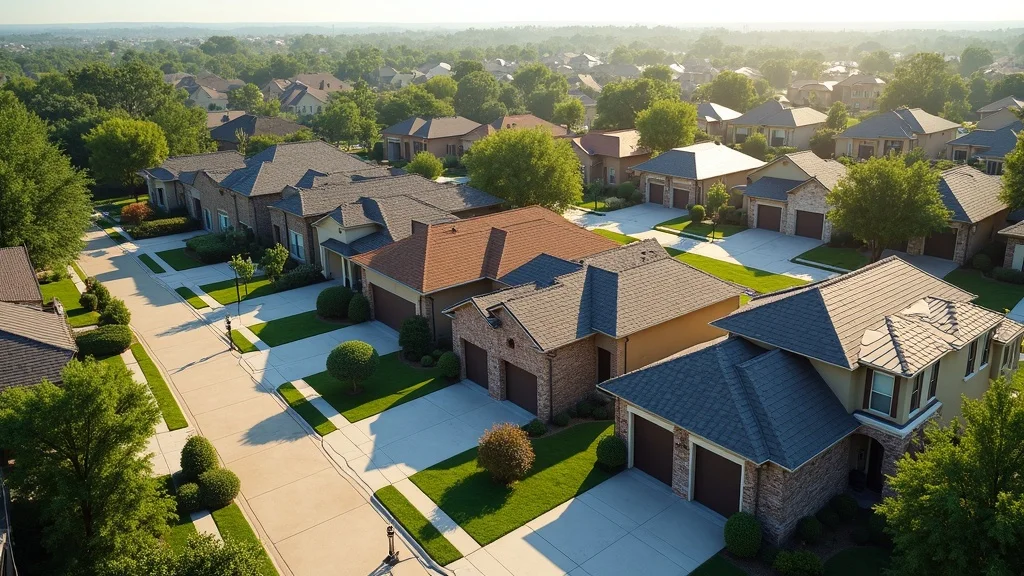
Houston residential neighborhood with various roofing materials: asphalt shingles, metal, slate, and concrete tile roofs in a sunny setting.

A Surprising Look at Roofing Materials Durability in Houston

This reality raises a critical question: are you choosing the right roofing system to go the distance in Houston’s punishing weather?

When comparing roofing material options, Houston homeowners must account for the city’s unique climate variables. Many common roofing materials—like standard asphalt shingles—are affordable and familiar but may deteriorate rapidly with exposure to prolonged heat, high humidity, and severe weather. More durable materials, such as metal roofing or slate roof systems, can dramatically extend the life of your roof but come with different trade-offs. No matter your choice, knowing how Houston’s environment shapes material durability lets you take control—minimizing costly repairs and maximizing the longevity of your roof.

Did You Know? Houston’s Harsh Weather Cuts Average Roof Lifespans

It’s true: Due to Houston’s intense weather conditions, even top-rated roofing materials wear out significantly faster than they might elsewhere. For example, the average asphalt shingle roof, often advertised with a 25-30 year life, may require roof replacement in just 15-20 years. Metal roofs, concrete tile, and slate roofing likewise face accelerated aging when exposed to repeated heat waves, heavy rain, and the high humidity that’s all too familiar in Houston. Factoring in the likelihood of hurricanes and violent storms, your choice of roofing system has a dramatic impact not just on your home’s appearance, but on its structural integrity and your long-term budget.

What You'll Learn About Roofing Materials Durability in Houston

  • Key factors affecting roofing materials durability in Houston

  • Types of roofing materials and their performance

  • How to extend the life of your roof in Houston's climate

  • Expert advice on roofing replacement and materials

Houston Weather Conditions and Their Impact on Roofing Materials Durability

Extreme Heat, Humidity, and Storms: The Ultimate Test for Roofing Materials

Houston home roof under severe weather: sunlight, rain, and storm clouds demonstrating wear on roof materials.

Houston’s climate truly puts every roofing material through its paces. The combination of searing summer heat, nearly year-round high humidity, and the looming threat of hurricanes means that even a well-installed roofing system faces relentless stress. Sunlight bakes asphalt shingles, causing them to crack and shed granules. Moisture creeps into cracks and seams, leading to costly repairs from water damage and mold. During hurricane season, high winds can rip off missing shingles, while heavy rain finds every minor leak. The frequency and intensity of Houston’s severe weather demand materials and installations that go far beyond the national average for durability.

This intense environmental pressure is why making an informed decision about your roofing material is so important locally. Materials that perform acceptably in the Midwest or Pacific Northwest may be a poor choice for Houston’s rigors. For instance, while a basic asphalt shingle roof is a common roofing option due to its affordability, repeated exposure to the Gulf Coast's unpredictable swings—from sweltering days to torrential downpours—means only the most resilient roofing materials withstand the elements without rapid aging.

How Weather Conditions Influence Roof Replacement Frequency

If you’ve ever wondered, "Why does my roof need replacing so often in Houston?" — the answer lies in the city’s extreme weather

Proactive maintenance and strategic material selection are essential for controlling long-term costs. Choosing a metal roof, concrete tile, or slate roof designed for high-wind and storm conditions, paired with expert installation, can make a world of difference in the frequency and urgency of roof replacement in Houston. These materials offer added peace of mind and lengthen the lifespan of your roof, ensuring your investment truly stands the harshest test—the Houston climate.

Comparing Roofing Material Options: Durability in Houston

Asphalt Shingles: Popularity vs. Longevity in Houston
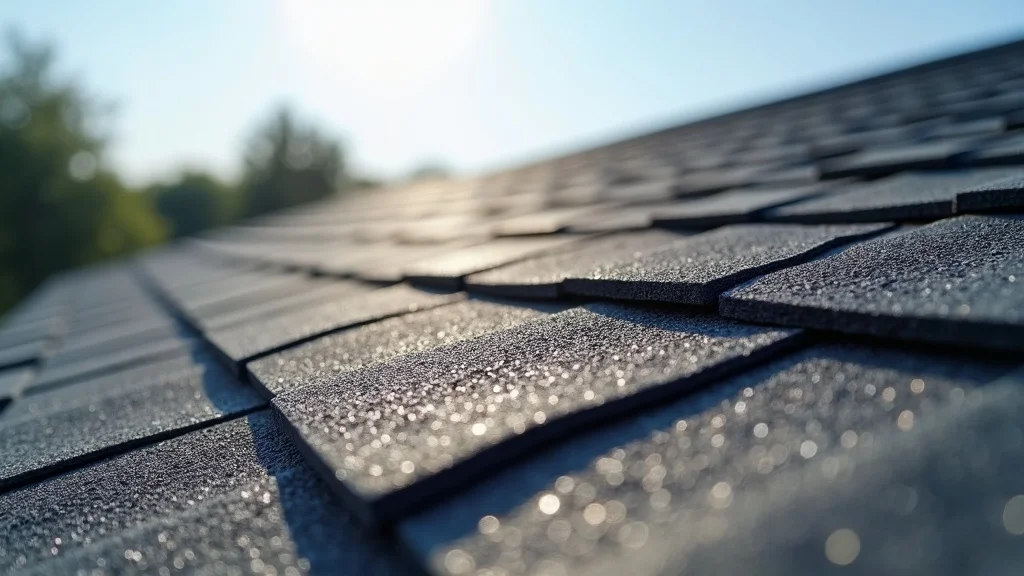
Close-up of asphalt shingle roof: showing wear and new shingles, under bright Houston daylight.

Asphalt shingles are easily the most common roofing material choice for Houston homes, thanks to their affordability, widespread availability, and relative ease of installation. These asphalt shingles come in both standard and architectural varieties, with the latter offering slightly better durability. However, the reality in Houston is that these roofing systems frequently fall short of their marketed lifespans. The high temperatures cause shingle curling, cracking, or even melting of lower-quality products. Storm-driven rains exploit any weaknesses, leading to missing shingles and rapid granule loss, both signs it may be time to consider roof replacement.

Despite their popularity, asphalt shingles may require significant ongoing repairs or earlier-than-expected replacement, especially after intense storm seasons. If keeping initial costs low is a priority, asphalt may still be a viable option, but it’s critical to invest in the highest quality variants and robust installation. Regular inspections and timely repairs will help extend the life of an asphalt shingle roof in Houston’s unique climate, but homeowners should still be prepared for a lifespan of approximately 15–20 years—sometimes less.

Metal Roofs: Weather Resistance and Durability

Metal roofs have steadily gained popularity as a smart, durable alternative in Houston. Known for their superior defense against high winds, extreme heat, and heavy rain—all common in the local climate—metal roofs can last 40–70 years when installed and maintained correctly. Unlike many other materials, metal reflects solar radiation and resists warping or cracking. Their interlocking panels offer significant resilience, often preventing storms from dislodging panels or allowing leaks.

While the upfront investment in a metal roof is higher, it’s important to consider both peace of mind and the long-term savings from fewer repairs and replacements. Metal roofing comes in numerous styles, even those mimicking wood, tile, or slate, providing versatility as well as weather resistance. For homeowners wanting to extend the life of their roofing system and minimize interaction with the repairman, a professionally installed metal roof stands out as a top performer in Houston’s severe weather.

Slate Roofing and Concrete Tile: High-End Options for Houston Homeowners

For homeowners prioritizing longevity of your roof and elegance, slate roofing and concrete tile are premium choices. Slate roof systems are among the most durable options available, often lasting over 75 years or more. Their natural stone construction fares exceptionally well against heat, fire, and moisture. However, slate’s weight means your home must be structurally prepared for the load, and the initial investment is substantial.

Concrete tile offers similar benefits at a slightly reduced cost and with added design flexibility. Like slate, these tiles resist rot, insects, and flames, and handle severe weather impressively when correctly installed. That said, the added weight requires professional assessment. Houston homeowners choosing these options enjoy both a distinctive aesthetic and a roof system expected to last several decades with minimal maintenance, making them worthwhile for those aiming for maximum security and longevity.

Emerging Roofing Systems for Maximum Longevity

Innovations in roofing materials have expanded options for Houston homes, with advanced composite and synthetic systems engineered to simulate traditional materials while offering enhanced weather resistance. Composite shingles and new reflective coating technologies protect against UV and moisture, reducing the risk of costly repairs and extending the life of your roof. However, since many of these products are newer to the market, working with a trusted local contractor ensures their suitability for Houston’s climate.

Choose your roofing system with care—some emerging systems combine the aesthetic benefits of high-end materials with improved resilience against high winds, mold, and impact, making them smart choices for future-focused homeowners.

Visual Guide: How Houston Weather Affects Roofing Materials Durability

Key Factors That Affect Roofing Materials Durability in Houston

  • Type of roofing material versus type of roofing system

  • Roofing installation quality

  • Proper maintenance and repairs

  • Local weather conditions and roof orientation

“Houston’s challenging climate means only the most durable roofing materials truly last,” says a Kainos Roofing & Exteriors expert.

Beyond raw material choice, how well a roof performs in Houston depends on much more. Roofing installation quality is paramount—poorly installed roofs, regardless of cost, simply will not last. Regular professional roof inspections and timely proper maintenance can catch problems early and help extend the life of any roofing system. The blend of harsh sunlight, rapid temperature swings, and frequent humidity can accelerate neglect into urgent roof replacement.

Finally, don’t overlook orientation; a roof’s angle and exposure to sun or storm flow can speed up wear on certain sides. Work with experienced local professionals like Kainos Roofing & Exteriors to select the right roofing material, install it properly, and ensure continued performance in Houston’s volatile climate.

Proper Maintenance: Extending the Life of Your Roof in Houston

Maintenance Tips for All Roofing Systems
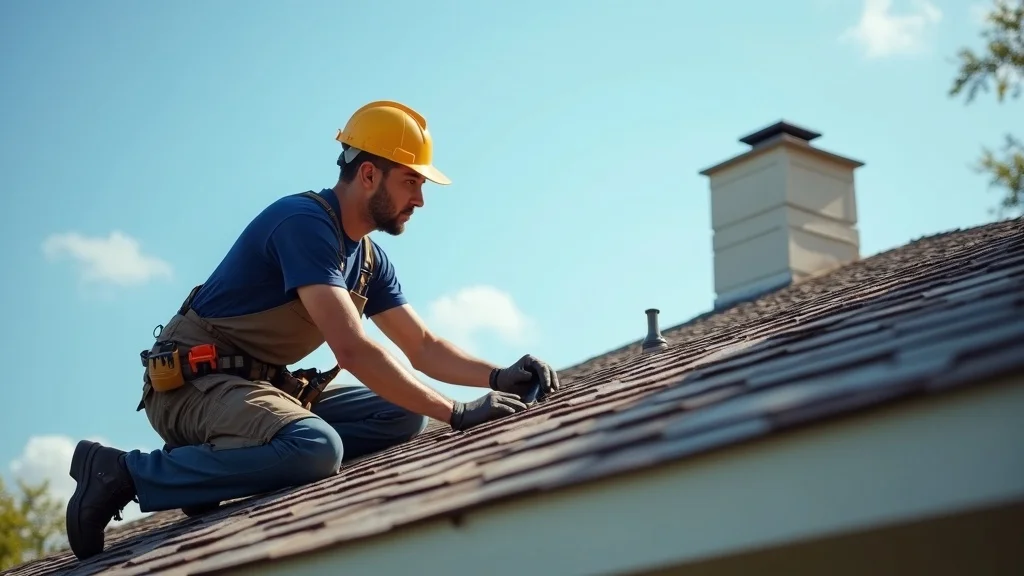
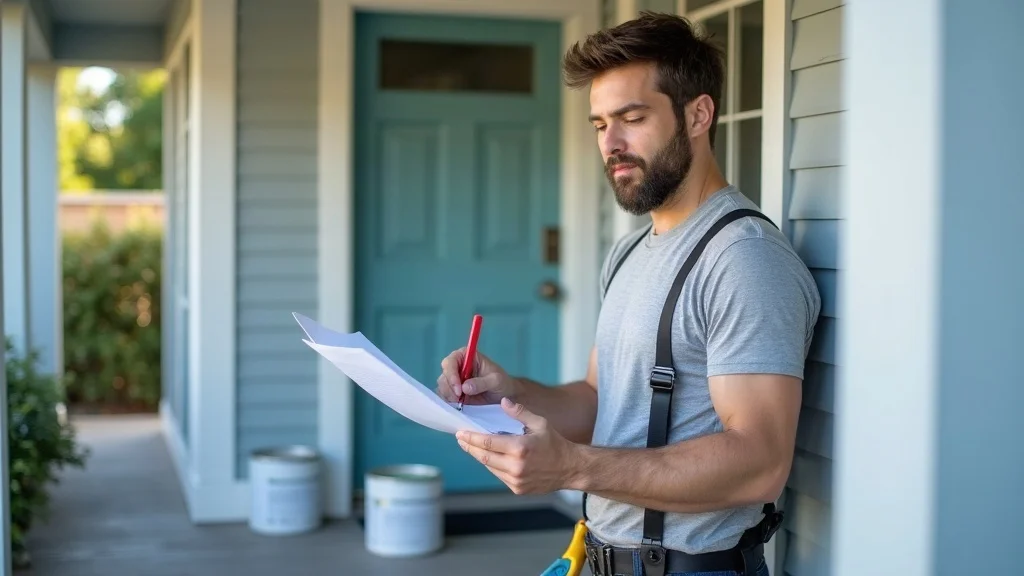
Professional roofer inspecting a Houston home roof, using tools, showing proper care and maintenance.

The single most impactful step a homeowner can take to ensure roofing materials durability in Houston is to commit to routine maintenance. Clear debris like fallen branches and leaves that may trap moisture and encourage rot. Inspect for missing shingles, cracked tiles, or damaged flashing after every storm. Clean gutters regularly to prevent water back-up that can damage underlayment and speed up aging. For metal roofing, check for loose fasteners or signs of corrosion. These small checks and fixes significantly extend the life of any roofing system, from asphalt shingles to slate roofs.

Don’t underestimate the value of professional roof inspections. Trained experts can spot developing issues long before they require costly repairs or force a premature roof replacement. Most pros recommend a check-up twice a year—especially after harsh storms. Catching small leaks, damaged sealant, or early granule loss can save thousands down the line.

When and How to Consider Roof Replacement in Houston

Replacing your roof isn’t just about responding to leaks or catastrophic failure—it’s about planning before small issues become emergencies. If you notice persistent leaks, frequent missing shingles, or major wear, especially after Houston’s storm season, contact a trusted roofing contractor promptly. Proactive roof replacement with modern, weather-resistant materials can safeguard your home and help control future maintenance expenses.

Consult reputable experts, like those at Kainos Roofing & Exteriors, who know Houston’s climate inside and out. They can help assess your current roof’s age and condition, explore advanced roofing materials, and minimize disruption during the replacement process—while making sure your new roof is built to last.

Table: Roofing Materials Durability in Houston – Lifespan, Pros, and Cons

Type of Roofing Material

Expected Lifespan in Houston

Main Pros

Main Cons

Asphalt Shingles

15-20 years

Affordable, easy to install

Suffers in heat, less durable

Metal Roof

40-70 years

Highly weather-resistant, long-lasting

Higher upfront cost

Slate Roof

75+ years

Extremely durable, elegant

Expensive, heavy

Concrete Tile

50+ years

Long lifespan, fire-resistant

May require structural support

Which Roofing Material Is the Most Durable in Houston?

Comparing the Longevity of Roofing Materials

Of all the roofing materials regularly used in Houston, slate roof systems offer unmatched longevity, easily surpassing 75 years with proper installation and maintenance. Metal roofing is a close second and offers substantially better storm resistance and return on investment compared to asphalt shingles or most composite alternatives. Concrete tile stands out for combining fire-resistance and durability at a mid-range price, making it another top choice for Houston’s variable weather. Ultimately, while no roof is completely immune to the city’s extreme weather, prioritizing durability upfront saves money and stress over time.

Remember: The most durable material is also the one expertly installed and maintained. Don’t underestimate the importance of choosing the right contractor—experience with Houston’s specific environment is invaluable in making sure you actually get the full projected lifespan from your roofing investment.

Why Roofing Systems Matter for Durability

The term roofing system goes beyond just the surface material; it involves underlayment, fasteners, flashing, and even ventilation systems. In Houston, a well-designed system accounts for heat expansion, efficient water drainage, and strong anchoring to withstand high winds and hurricanes. Cutting corners—whether in materials or skilled labor—can convert even the longest-lasting material into an ongoing source of costly repairs.

Work with Houston-based experts to build a roofing system tailored to your home’s needs. This may include selecting impact-resistant shingles, reinforced fasteners, and specific underlayment designed for high-moisture environments, all of which collectively extend the life of your new roof.

How Long Will a Roof Last in Houston?

Average Lifespans by Type of Roofing Material

In Houston’s harsh conditions, average roof lifespans can be significantly shorter than what you might find in other regions. Asphalt shingles generally last 15–20 years, often less after especially active hurricane seasons or years of severe weather. Metal roofs, if installed to modern standards (including impact-resistant coatings), can easily reach 40–70 years, outlasting almost every standard alternative. Slate roof systems, with proper maintenance, frequently surpass 75 years, while concrete tile options routinely achieve 50 years or more.

For any type of material, routine inspections, immediate attention to leaks or damage, and professional expertise are essential to achieving these lifespans. Houston’s challenging climate won’t wait on repairs—quick responses and preventive steps make all the difference in avoiding surprise roof replacement costs.

What Shingles Are Best for Texas Weather?

Asphalt Shingles vs. Architectural Shingles for Roofing Materials Durability in Houston

When it comes to shingles, not all products are created equal—especially in Texas. Standard asphalt shingles are budget-friendly but are more prone to cupping, cracking, or granule loss under relentless sun and heat. In contrast, architectural shingles (also known as dimensional or laminate shingles) use multiple layers and better materials, offering improved durability, wind rating, and longer warranties—features that help extend the life of your roof in the Houston climate.

For Houston homeowners, architectural shingles bridge the gap between affordability and resilience. When paired with expert installation, these products can sometimes last up to 25 years, even in regions with severe weather. Always consult with a local roofing professional when selecting shingle type to make sure you’re choosing the version best suited to Texas weather—not just what’s on sale.

What Is the Best Roofing Material to Withstand a Hurricane?

Impact-Resistant Roofing Systems for Houston
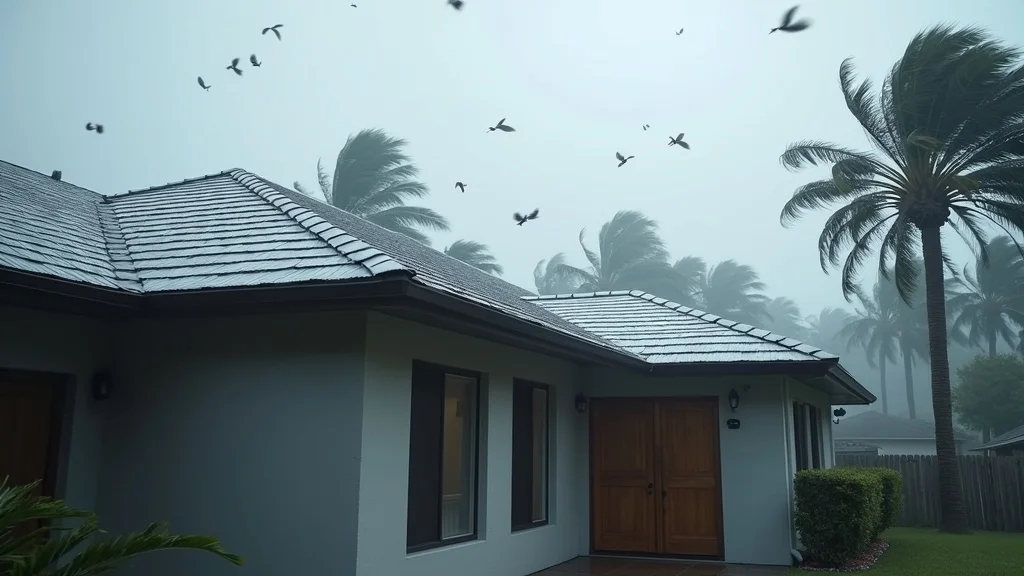
Impact-resistant roof standing against hurricane winds in Houston: no damage visible despite flying debris.

No place in Texas faces the threat of hurricanes quite like Houston. For maximum protection, impact-resistant roofing systems are paramount. Metal roofing stands out as a leading choice: its panels interlock and are often rated for both wind uplift and impact from flying debris. High-quality architectural shingles with Class 4 impact ratings can also protect against hail and strong wind gusts.

The best roofing material for hurricanes is always one that’s been professionally installed with reinforced fasteners, waterproof underlayment, and design elements (like hip roofs or reduced overhangs) that resist wind-lift. Regular inspection and preparation before hurricane season further extend the life of your roofing system—even amidst the most powerful storms.

Lists: Most Popular Roofing Material Choices for Houston Homes

  1. Asphalt Shingles

  2. Metal Roofs

  3. Concrete Tiles

  4. Slate Roofing

  5. Composite Roofing Systems

The Folks at Kainos Roofing & Exteriors answer FAQs about Roofing Durability in Houston

FAQs on Roofing Materials Durability in Houston

  • What are the signs you need roof replacement in Houston?
    Common signs include persistent leaks, curling or blistering shingles, noticeable granule loss, and areas where shingles are missing after storms. Inside your home, water stains on ceilings, moldy smells, or rising energy bills also suggest your roof may no longer be performing. Ignoring these signs can result in more costly repairs down the road.

  • How do different types of roofing material hold up to local storms?
    Metal roofs and slate roofs are best at withstanding high winds and heavy rain, thanks to their dense construction and secure fastening. Asphalt shingles may blow off or deteriorate quickly after repeated exposure, while concrete tile handles moisture well but may fracture if not properly installed. Always choose materials and systems with high wind and impact-resistance ratings.

  • Can proper maintenance significantly extend the life of your roof?
    Absolutely. Routine cleaning, timely repairs, and regular professional inspections will extend the life of any roof. Maintenance prevents small issues from turning into major leaks or structural damage, helping you avoid a surprise roof replacement and prolong the performance of your chosen material.

  • Are metal roofs worth the investment in Houston?
    While metal roofing may involve higher upfront costs, it delivers significant longevity (often 40–70 years), minimal maintenance needs, and excellent protection during storms or heat waves. This makes it an excellent choice for Houston’s demanding climate, offering peace of mind and real long-term value.

Ensuring the Best Roofing Materials in Houston

  • Choose roofing materials based on local climate and weather conditions

  • Invest in quality installation and regular maintenance

  • Understand the trade-offs between cost, appearance, and longevity

  • Consult with Houston roofing experts for customized advice

Why Houston Homeowners Trust Kainos Roofing & Exteriors for Durable Roofing Materials

Houston’s Most Reliable Roofing Systems and Roof Replacement Partner

When it comes to roofing materials durability in Houston, experience matters. Kainos Roofing & Exteriors has built a reputation as Houston's dependable leader for innovative, quality roofing systems designed to weather anything Texas throws at your home. Our team combines expert installation with the finest materials—ensuring every project delivers on strength, resilience, and lasting value. Whether you need a total roof replacement or guidance selecting a new material, homeowners across Houston count on Kainos for honest advice, transparent estimates, and roofs that truly last.

Ready to Make Your Roof Last? Discover More at Kainos Roofing & Exteriors

Don’t leave your investment to chance. Visit us online for our amazing instant roof quote. You don't have to talk to anyone! https://kainosroofing.com/instant-roof-quote/

Choose wisely, invest in quality, and partner with Houston’s best to enjoy confidence in your roof for decades to come.

For further insight into ensuring your roof stands the test of Houston’s challenging weather, check out Guardian Home Network, which provides in-depth resources on maintaining and upgrading home durability in demanding climates.
Home and Garden

0 Comments

Write A Comment

*
*
Please complete the captcha to submit your comment.
Related Posts All Posts
03.13.2026

How to Pigtail Electrical Wires: Step-by-Step Guide for Safe Home Wiring

Opening Inquiry: Why Is Knowing How to Pigtail Electrical Wires Crucial for Homeowners?Have you ever flicked a light switch and noticed the lights flicker—or worse, lost power to half your room when an outlet failed? Electrical issues often hide behind the walls, but one essential skill—knowing how to pigtail electrical wires—can help prevent these problems from spiraling into hazards. Whether you’re renovating, upgrading outlets or switches, or simply ensuring your home wiring is up to code, mastering the electrical pigtail process brings safety, reliability, and peace of mind that every homeowner needs."Hey good morning and hey howdy we're here today and we're going to do some pigtailing." – James Adams, Master ElectricianWhat You'll Learn in This Guide on How to Pigtail Electrical WiresDefinition and basics of electrical pigtail connectionsWhy you should make an electrical pigtail for outlets or switchesPreparation, tools, and essential safety checksStep-by-step instructions for making an electrical pigtailCommon mistakes and code compliance tips from a master electricianHow pigtailing ensures safety, longevity, and reliability in home wiringWhat Is an Electrical Pigtail? Understanding How to Pigtail Electrical Wires"So pig tailing is when we have a device and... we're adding another set of wires and... not enough spaces to add all those wires." – James Adams, Master ElectricianAn electrical pigtail is a fundamental wiring technique used when you need to connect several wires to a single outlet or switch, but the device’s terminals don't allow for multiple conductors. The process involves taking short lengths of wire—called pigtails—and using a wire nut to join them with the existing grouped wires in the electrical box. The pigtail then connects individually to the device. This method is common in both new construction and when repairing older homes, helping distribute power safely and ensuring each connection remains secure and code-compliant.If, for example, you’re adding a device to your electrical circuit and quickly discover that there aren’t enough terminal screws on the outlet or switch, or if you notice doubled or overloaded terminals while replacing an outlet, pigtailing is the right solution. James Adams explains, "You'll see wires doubled up under screws, which is wrong. . . stuff forced into the back end that’s too large. " By creating an electrical pigtail, you bypass these common mistakes—making your wiring safer and easier for future troubleshooting.Why and When to Make an Electrical PigtailUse pigtails when outlets or switches have more wires than their terminals can safely handle.Address overloaded terminals or multiple conductors under a single screw—a violation of the National Electrical Code (NEC).Examples include adding a new device, correcting doubled wires under screws, or ensuring circuit continuity in older wiring.Pigtailing is not just a matter of convenience—it’s about code compliance and safety. The electrical code prohibits attaching more than one wire to a single terminal, and using wire nuts to make fresh connections with short pigtail wires ensures nothing gets crowded. This is especially important when you upgrade an outlet or switch (like installing a GFCI), or when previous DIY repairs leave tangled or doubled-up black or white wires. The result is a tidy, professional installation that enhances circuit reliability throughout your home.How Does Making an Electrical Pigtail Work?Short pigtail wires are twisted together with existing black, white, or ground conductors using a new wire nut, then attached as single wires to device screws.Pigtails allow circuits to remain continuous—if the outlet or switch fails, power still flows on to other outlets or switches downstream.Pigtail connections prevent voltage drop and loose connections that can cause flickering lights or dangerous overheating.When you make an electrical pigtail, you effectively give each device its own dedicated connection to the shared black (hot), white (neutral), or green/bare (ground) wires. This avoids the risk of loose connections that can occur if too many wires are backstabbed or doubled under one screw. With exposed copper strands properly twisted and secured under a quality wire nut, you get a fail-safe junction that’s easy to check, retighten, or replace as needed. Properly made pigtails ensure that when you push the grouped wires back into the electrical box and later need to install a new outlet or switch, everything stays organized and safe.Benefits of Pigtailing Outlets or Switches"If you have an older house a lot of times pig tailing will get rid of loose connections and voltage drop." – James Adams, Master ElectricianEliminates flickering or intermittent power caused by loose connections in outlets or switchesMeets NEC and local electrical code requirements by separating conductors and ensuring safe, single-wire connectionsPrevents a single failed outlet from cutting off power to devices downstream in the circuitProper pigtailing means fewer flickering lights and surprise outages. As Adams describes, “When you use the plug to hold the wires, if the plug fails then everything that's going out of this box will drop. . . [but with] pigtails with wire nuts, even if this plug fails the worst that's going to happen is this plug will go dead but everything that goes out of here will stay on. ” This alone makes it invaluable for both older homes and new installations—ensuring not just code compliance but peace of mind for every homeowner.Preparation and Essential Safety: How to Pigtail Electrical Wires Safely"I advise you... once you take off your plug... take a meter and let's make sure we have no power." – James Adams, Master ElectricianTurn off power to the circuit at the breaker panel; always verify with a voltage tester.Use a multimeter or non-contact voltage tester to check for live wires before touching anything.Gather all necessary tools: wire strippers, pliers, wire nuts, voltage tester, and correctly sized wires for your pigtails.Cut your pigtail wires to the recommended length (typically 6” or longer) and ensure they match the existing wiring’s gauge and insulation.Trim, strip back the ends, and align all wires evenly for a neat, safe connection.Safety cannot be overstated when working with electrical wiring. “Once you take off your plug and you’re going to do this, take a meter and let’s make sure we have no power. . . I’m not going to kill myself today at least not on video,” says Adams. Double-checking ensures you’re not at risk of electric shock, especially in boxes where previous repairs or junctions may have left live wires connected. Always make fresh connections whenever possible, never reuse old wire nuts, and ensure grouped wires are twisted securely before capping.Complying with Code and Ensuring Strong ConnectionsElectrical code requires at least 6” of wire extending from the front edge of the electrical box for safe hookup.Never reuse old or damaged wire nuts; always use a fresh, appropriately sized nut rated for the gauge and number of wires in your pigtail.Ensure all wire bundles are tightly twisted and the copper is fully covered by the wire nut for a secure, reliable connection that will not loosen over time.A code-compliant electrical pigtail depends on neatness and secure connectors. "By code, we're supposed to have at least six inches outside the front of the box. . . you want as much as you can get comfortably," Adams stresses. Equally important is the quality of every connection: “Don’t reuse old wire nuts—you’re going to cause future problems. " When in doubt, replace questionable materials and strive for bundles that are tight but not overstressed, with no exposed copper visible beyond the wire nut.Common Tools and Materials for Making an Electrical PigtailTool/MaterialPurpose/UseWire strippersRemoving insulation from wiresPliersTwisting wires togetherWire nutsSecuring the pigtail junctionVoltage testerConfirming power is offAppropriate gauge wireCompliant with circuit amperageGathering the right tools—like quality wire strippers for stripping back the ends, sturdy pliers to twist the wires, and appropriately rated wire nuts—ensures your connections are strong. Make every electrical pigtail as solid and safe as possible, with tools ready and tested for reliability.Step-by-Step Instructions: How to Pigtail Electrical Wires"So this is pig tailing we've taken three three wires and then we added the tail the pigtail there you go so the ground is now pigtailed okay." – James Adams, Master ElectricianPrepare the work area: Turn off power and verify with a tester no longer showing voltage.Trim and strip back the ends of existing wires for a fresh, even starting point.Twist together all ground (bare copper or green) wires, then add a ground pigtail lead and secure with a new wire nut.Repeat for neutral (white) wires and hot (black) wires, aligning insulation and exposed copper for a tidy bundle. Use a separate pigtail for each type.Trim pigtails to the proper length (at least 6”), ensuring they’ll fit neatly onto device screws without excess slack or tension.Carefully loop each pigtail lead clockwise around the device terminal screws (outlet or switch), so tightening the screw draws the wire in securely.Finish by neatly folding or pushing the grouped wires back into the electrical box, securing devices, and checking for neatness and tightness throughout."You want to do it in tight enough so that your wires and your bundle start to twist with it to that point it's tight enough it's not going anywhere okay." – James Adams, Master ElectricianEvery step of making an electrical pigtail is about dependable connections. Start by killing power and checking with your voltage tester—never skip this safety step. As Adams notes, “We’re going to cut these off. . . make my own connections, don’t be lazy. . . You need to learn how to strip wire. " Align your black and white wires, trim the ends for fresh contact, then twist the grouped wires with pliers until they’re firmly bound. Cap each with a new wire nut and tug gently to check for tightness. After looping the pigtails onto device screws, tuck the bundled wires back into the electrical box for a professional finish.Detailed Tips and Troubleshooting from a Master ElectricianAvoid backstabbing wires into devices—particularly #12 gauge wire, which is not code-compliant and can loosen over time.Check that wire bundles are neat, even, and free of stray copper to reduce risk of shorts or unreliable power.Always tighten any unused terminal screws on outlets or switches to keep them from accidentally contacting loose wires inside the box.Attentive, neat workmanship is crucial. Adams emphasizes correcting mistakes rather than settling for poor connections: “So instead of just mashing a wire nut on it and hoping it stays connected. . . we’re going to do it again. ” Always double-check your twists, keep the connections tight, and when you’re ready to install a new outlet or switch, make sure everything is lined up and back the ends into the box carefully. Good habits now will prevent hours of troubleshooting later.Applications and Variations: Where to Make an Electrical PigtailSwitch boxes: For adding switches, switch legs, or new lights, pigtailing the neutrals or hots keeps wiring neat and code-compliant.Outlets: Use pigtails to correct doubled conductors under screws, to install GFCI outlets, or for daisy chaining multiple outlets together safely.Panels and junction boxes: Ensures circuit continuity and allows future devices to be added without disturbing existing wiring."The pig tailing saves a lot of future problems and it makes sure even on new construction it makes sure that your power is continuous all the way through okay." – James Adams, Master ElectricianProperly installed pigtails make adding or moving devices easy, allowing you to make fresh connections whenever an upgrade is needed—without risking code violations or the trouble of losing power in rooms downstream if a single device fails. This versatility is essential for both DIYers and professionals aiming to make an electrical pigtail that stands the test of time.People Also Ask: Expert Answers on How to Pigtail Electrical WiresHow long should pigtail wires be?Electrical code typically requires a minimum of 6 inches extending from the box, but pigtails should be long enough to attach easily to terminals without excessive slack.For best practice, each pigtail wire should be at least 6 inches long—enough to install comfortably but not so long as to create a tangle inside the box. This length ensures compliance with the NEC and leaves enough wire for future work if an outlet or switch needs replacing.Do you have to pigtail outlets by code?NEC requires that wires are not doubled (more than one conductor) under a single terminal screw. Pigtailing outlets ensures code compliance by creating separate, safe connections.Pigtailing is no longer just a best practice—it’s a code issue. Modern outlets and switches only allow one wire per terminal, so making an electrical pigtail is not only safer, but required to prevent code violations and potential insurance issues in the event of a fire or electrical failure.Can I pigtail a neutral wire?Yes, neutral wires can be pigtailed, especially when multiple circuits or devices share a junction. Always use a wire nut rated for the number and gauge of wires.Pigtailing neutral (white) wires is recommended when connecting multiple outlets, switches, or fixtures. Just ensure the wire nut is sized correctly to handle the grouped wires back and securely covers all exposed copper.How to make a pigtail for an electrical outlet?Cut a short piece of wire (matching gauge), strip ends, twist with existing wires, and secure with a wire nut. Attach the pigtail lead to the outlet terminal.The steps are easy: cut and strip a length of same-gauge wire, twist it together with existing black, white, or ground wires, cap with a fresh wire nut, loop the lead around its terminal, and you’re ready to install your outlet or switch.Frequently Asked Questions on How to Pigtail Electrical WiresIs aluminum wiring safe for pigtailing?How do I choose wire nut size for pigtails?What are signs of a bad pigtail connection?Can you mix wire gauges in a pigtail?How do you secure multiple grounds in a metal box?If you’re dealing with aluminum wiring, you’ll need special connectors and anti-oxidant paste—consult a licensed electrician. Always match your wire nut to the gauge and number of wires in the bundle (the packaging will specify), and check for signs of bad pigtails such as loose outlets, flickering lights, or heat at the wire nut. Mixing wire gauges in a pigtail can be risky; stick to same-gauge where possible, or use a nut specifically rated for mixed sizes. For multiple grounds in a metal box, always bond the ground pigtail securely to the box before attaching the outlet or switch for maximum safety.Summary: Key Takeaways on How to Pigtail Electrical WiresAlways turn off power and verify safety before starting any wiring work.Pigtailing prevents code violations, loose connections, and downstream power loss.Use proper tools, correct wire gauge, and approved wire nuts on every electrical pigtail.Neat workmanship and tight connections ensure dependable, long-lasting electrical wiring.Next Steps: Safely Upgrade Your Home Wiring—Contact a Licensed Electrician for How to Pigtail Electrical WiresIf you’re uncertain about making an electrical pigtail or your project involves aluminum, old, or complex wiring, don’t take chances—reach out to a licensed electrician. Solomon advice: Make safe home wiring your priority.

03.10.2026

Transform Your Basement into a Space for Craft and Creativity in DC

Update Revolutionizing Basements: From Forgotten Space to Functional Artistry Basements often linger as the most neglected area of homes, particularly in cities like Washington, DC, where space is always at a premium. Traditionally viewed as storage areas or dark dungeons filled with forgotten boxes, these spaces are now being recognized as untapped potential for living. One such transformation can be seen in a recent project undertaken in an architectural gem of a home in the heart of DC. Understanding the Basement Renovation Journey The homeowners, seeking to convert their basement from a forgotten zone into a vibrant extension of their home, faced several challenges: low ceilings, limited natural light, and a stairway that made access difficult. They envisioned a multifunctional space that would serve as a bedroom, a family lounge, and a special dedicated area for crafts and creativity. Partnering with designer Lisa Magee, the BOWA team embarked on a transformation that would reimagine how they utilized their basement. Key Renovation Strategies for Success One of the most critical strategies was undermining the existing foundation to create full ceiling height. This step unlocked the space, allowing it to feel less like a basement and more like an integrated part of the home. Additionally, larger windows were incorporated to flood the area with natural light, while mechanical systems were reconfigured to improve access and flow. The result? A bright and welcoming environment that was both functional and visually appealing. The Heart of Creativity: A Dedicated Craft Room At the very heart of this renovation lies a spacious craft room, designed for inspiration and productivity. With semi-custom cabinetry and a large central island, the space is organized for optimal workflow, complete with ample storage for materials and tools. Such purposeful design fosters an environment where creativity can flourish, resonating with a growing trend of making home spaces not just functional but also inspirational. Beyond a Craft Room: Multifunctional Living Spaces Beyond creativity, the renovated basement includes features to enrich family life. The addition of a new bedroom with egress and a full bathroom elevates the basement's functionality, accommodating guests or providing private space for family members. The lounge area, furnished with comfortable seating and aesthetic finishes, encourages family gatherings and casual hangouts. Financial Sense: The Benefits of Renovation Investing in a basement renovation not only enhances daily living but also adds significant value to the property. Industry data suggests that a well-executed basement remodel can recoup 60-70% of its costs during resale. This is particularly true in competitive neighborhoods like Capitol Hill, where buyers appreciate additional livable space. As residents increasingly seek flexible layouts to accommodate modern lifestyles, a finished basement can provide the extra square footage that families need without costly expansions. Learning from Successful Transformations Transforming basements into usable spaces is not just a personal endeavor; it's part of a broader trend where urban homeowners maximize their property potential. Real-life examples, such as the trendy English basements emerging in DC, show that dedicated living quarters—like home theaters, guest suites, or playrooms—can elevate family functioning while keeping aesthetics in check. These spaces promote harmony and creativity in the home, supporting various activities that reflect the evolving needs of families. Common Challenges and How to Overcome Them While undertaking a basement renovation, several key challenges must be addressed. Moisture and ventilation are common issues; ensuring proper drainage and installing high-efficiency exhaust systems are vital to maintaining a healthy environment. Moreover, obtaining the necessary permits is crucial—especially in a regulated area like Washington, DC where local compliance mandates can impact a project’s success. Conclusion: Your Basement Awaits For homeowners in Washington, DC, the opportunity to transform basements into functional artistic spaces is not just feasible; it’s a reality that many are embracing. Whether you’re looking to create a haven for creativity or simply enhance your living space, considering a basement remodel could lead to the most rewarding investment in your home. If you are inspired by what you’ve read, take the next step and consult with an expert to start your basement transformation journey today.

03.10.2026

Discover the Exciting Remodeling Trends for Spring 2026 You Can't Miss

Update Emerging Remodeling Trends for Spring 2026: A Personal Touch As we welcome Spring 2026, the way we approach home remodeling is shifting significantly. Designers and homeowners alike are searching for ways to make their living spaces more personal and functional. This year, the focus is on creating environments that reflect individuality, passions, and the joys of daily life. Layered, Collected Interiors: Moving Beyond Minimalism The minimalist trends that dominated previous years are fading as homeowners begin to crave richer, more layered interior designs. The look of perfection is being replaced with an emphasis on texture and a curated collection of meaningful items. Incorporating statement lighting, patterned textiles, and unique finishes create spaces that tell stories and express personality. This mirrors a broader theme emphasized in the lifestyle sector, where a move toward unique personal style is becoming a defining characteristic of modern design. Interior designers agree that homes should feel lived-in and reflective of the owner's tastes, straying away from the overly curated look. Spaces Designed for Passions: Making Room for Hobbies A notable design trend in 2026 is the prioritization of spaces dedicated to personal interests. Whether it’s a craft room, home gym, or music studio, homeowners are seeking to incorporate areas specifically tailored for their hobbies. These dedicated spaces do not only enhance the home’s functionality but also contribute to the well-being of the wearer by allowing them to engage in activities they love. This reflects a larger societal trend toward wellness and mental health, where having designated spaces for hobbies contributes to a balanced lifestyle. The integration of personal interests into home design can invigorate daily routines, making home life more enjoyable. Bold Statement Materials: A Dramatic Shift in Design The materials chosen for home renovations are evolving as well. Rather than opting for understated finishes, designers in 2026 are leaning toward bold stone surfaces and richly textured cabinetry that command attention. These statement materials act as focal points, adding depth and character to kitchens and living spaces. This trend towards timeless yet striking materials aligns with a growing appreciation for craftsmanship, as homeowners seek to invest in quality pieces that enhance their overall aesthetic. By spotlighting these unique materials, designers are not only creating visual interest but also honoring the art of skilled workmanship. Enhancing Natural Light: A Bright Idea Efforts to increase natural light intake in homes have become a major renovation focus. Expanding windows, adding doors, and maximizing sightlines are essential to creating brighter, more open spaces that feel welcoming. This strategy does not solely improve aesthetics but also contributes to a healthier living environment, maximizing the benefits of natural light for residents. The correlation between light-filled rooms and mood enhancement resonates with ongoing discussions about the importance of mental and physical health at home. The architectural community is prioritizing this aspect to ensure that homes not only look appealing but foster well-being. Outdoor Living: Extending Spaces Beyond Walls As the weather warms, outdoor spaces are being redesigned to seamlessly connect with interiors. Outdoor kitchens, covered patios, and inviting lounge areas are becoming essential features in home renovations, allowing homeowners to enjoy nature's beauty while enjoying the comforts found inside. Bringing outdoor elements into home design reflects a lifestyle choice that encourages relaxation and social interaction, aligning with broader wellness trends. These thoughtfully designed spaces aim to blur the lines between indoor and outdoor living, lessening the barriers often associated with seasonal activities. Conclusion: Designing a Home That Reflects You With these Spring 2026 remodeling trends, homeowners can create spaces that reflect their unique tastes, current lifestyle, and emotional needs. By moving away from rigid, impersonal design aesthetics, individuals are finding value in personal expression and a connection to their environments. As you contemplate renovation or design projects this spring, consider how these trends can enhance your home and overall lifestyle. Choose to create spaces that bring you joy, comfort, and a sense of belonging.

Terms of Service

Privacy Policy

Core Modal Title

Sorry, no results found

You Might Find These Articles Interesting

T
Please Check Your Email
We Will Be Following Up Shortly
*
*
*