UPDATE

Your guide to modern living—every day.

  • Home
  • Categories
    • Wellness
    • Home and Garden
    • Work and Life
    • Travel
    • People and Style
    • Living Spaces
April 03.2026
3 Minutes Read

Revitalize Your Space with Purple Decor: A Home Transformation Story

Modern kitchen with marble countertops and white cabinets.

Reimagining a Home with Deep Roots

After years of serving as a rental, a Great Falls residence underwent a sweeping transformation that honors both family history and modern functionality. With its vibrant purple dining room inspired by Prince, this remodel is more than just a fresh coat of paint—it's a full-scale revival of a home meant to host multi-generational gatherings. The homeowners, returning to reclaim their space, recognized the importance of creating a home that reflects their individual style while serving practical needs.

Personality at the Core: Embracing Colors and Textures

The distinctive use of purple in the dining room pays homage to Prince, creating a playful yet sophisticated space. But what does this color choice reveal about the homeowners' personalities? Colors impact mood and ambiance; here, a rich, deep purple infuses the space with energy and character. According to interior design experts, incorporating vivid hues can enhance emotional well-being and reflect the inhabitants’ identities. A daring color palette helps to establish the atmosphere, signaling warmth and a zest for life in the home.

Functionality Meets Aesthetic in the Kitchen

The kitchen, often dubbed the heart of the home, has been reconfigured with both aesthetics and functionality in mind. Featuring professional-grade appliances and a fluid layout, this area is made for cooking and entertaining. The decision to install quartzite countertops offers natural beauty and durability, ensuring both style and practicality. Rather than simply a place to prepare meals, this kitchen invites family members to collaborate and connect, further enhancing the home's purpose.

A Space That Tells a Story: Connecting Generations

This home remodel stands as a testament to the emotional weight that living spaces carry. The careful integration of custom cabinetry, heated bathroom floors, and tailored storage provides a sense of personal touch and attention to the inhabitants’ lifestyle. By prioritizing comfort and cohesiveness throughout the design process, the remodeling effort bridges the gap between past and present, facilitating an environment where memories can flourish amongst future generations.

Keeping Up with Trends: The Purple Revival

The trend of incorporating vibrant colors into home decor especially resonates in today's design landscape, echoing the excitement surrounding Pantone's 'Love Symbol No. 2'—the purple tribute to Prince that's now influencing contemporary home aesthetics. As seen in linked articles by designers, the resurgence of Purple, both in fashion and home design, is a fresh take on creating inviting and energetic spaces that resonate with personal narratives. Elements like bold fabrics, layered textures, and unique furniture are all returning to style, reflecting the eclectic tastes of modern homeowners.

Planning a Similar Renovation? Tips for Success

If you’re inspired to embark on your own remodeling journey, consider a few essential tips: First, define what functionality means for your family, keeping lifestyle needs at the forefront of design decisions. Next, incorporate personal touches that make spaces uniquely yours, through color, art, and comfortable furnishings. Lastly, collaborate with a trusted design partner who understands your vision—much like the homeowners of the Great Falls residence did with BOWA. Each step taken with confidence can lead to a beautiful outcome fit for every generation.

Ultimately, embracing both individuality and family needs can yield transformative results, turning what was once simply a house into a cherished home filled with love, laughter, and vibrant memories.

Home and Garden

0 Comments

Write A Comment

*
*
Please complete the captcha to submit your comment.
Related Posts All Posts
05.18.2026

How to Choose the Perfect Residential Painter Today

Imagine stepping into a freshly painted home—where every wall radiates professionalism, the colors compliment your style, and you didn’t have to lift a brush. The right residential painter can make this transformation seamless, stress-free, and lasting. If you’re searching for the perfect blend of expertise, service, and value for your next painting project, this guide will show you exactly how to find your ideal pro and ensure remarkable results.Selecting the Right Residential Painter: Where Expertise and Quality MeetFinding the right residential painter means more than hiring someone who can apply a coat of paint. Today’s best house painters and interior painters deliver precision, timely completion, and peace of mind. In San Jose and Silicon Valley, customers consistently receive high praise for painting pros who demonstrate extensive expertise in both interior paint and exterior paint projects. Pros recognize that every residential job is unique—factors like square footage, wall space, existing paint condition, and chosen color palette all affect cost, timeline, and final outcome.When selecting your painter, look for a top pro with verifiable certifications, a portfolio of completed work, and a strong presence in customer reviews. Pros are highly recommended when they offer transparent estimates, protect your furniture and flooring, and communicate each step, especially for high-impact spaces like kitchens and bathrooms. The value of an EPA lead-safe certified painter cannot be overlooked when safety and compliance are involved. By choosing carefully, you’re not just investing in a new look—you’re safeguarding your property’s value and your peace of mind for years to come.What You'll Learn Before Hiring a Residential PainterHow residential painters differ from house painters and interior paintersWhich qualifications and certifications matter most in a residential painterQuestions to ask before hiring a residential painterThe importance of interior paint and preparationTips to evaluate residential painter reviews and reputationWhy hiring a certified top pro matters for your projectScenario: Imagine Real Transformation with the Right Residential PainterPicture this: A drab, tired living room becomes an inviting hub for family and guests, thanks to the expert touch of a residential painter. This isn’t just cosmetic—the right application of interior paint can brighten your home, improve indoor air quality, and even boost property value. Homeowners across Silicon Valley report that recommended pros are experts at transforming neglected walls into showpieces, especially when accent walls or high-traffic rooms need added durability and vibrancy. Time is important, and pros consistently deliver on schedule, respecting your space and your daily routines.What sets top residential painters apart isn’t just their meticulous brushwork on each wall space or their savvy with color palettes. It’s their ability to foresee challenges in both house painting and interior painting, offer clear cost estimates, and guide you toward the best finishes. These pros are highly sought after for good reason: they take the uncertainty out of major home improvements and leave you with results you’ll be proud to show off.The Impact of Interior Painting and House Painting on Home Value and AestheticsThe influence of quality house painting extends beyond mere appearances. Interior painters understand how a fresh coat of interior paint can protect walls from morning spills, everyday smudges, and the passage of time. Pros are highly skilled at recommending finishes that stand up to busy family life while enhancing the mood of each room. Recommended pros are experts in choosing shades that complement furniture and flooring, ensuring each accent wall pops with personality or subtle elegance.Moreover, house painting provides serious return on investment. Buyers and visitors instantly notice the difference between professionally painted walls and quick DIY jobs—even small imperfections can reduce perceived value. When a top pro handles your exterior paint, curb appeal soars, inviting admiration and potentially higher offers if selling is in your future. The right residential painter elevates every aspect of your home’s visual and functional appeal.Understanding What a Residential Painter Can OfferWhat is a residential painter?A residential painter specializes in both interior and exterior painting for homes of all sizes. Unlike commercial painters, they focus on creating inviting living spaces, using techniques tailored for kitchens, bedrooms, living rooms, and exterior siding. Pros consistently receive high praise for their attention to prepping surfaces—sanding, patching holes, and ensuring even paint coverage. Residential painters often have deep knowledge of color trends, products with low VOC emissions, and approaches that safeguard your family’s health and comfort. They go beyond aesthetics, providing solutions that last and addressing repairs as needed before the first drop of interior paint is applied.Services Provided by a Residential Painter: Interior Paint, Exterior Paint, and MoreTop residential painters deliver a wide spectrum of services. From simple touch-ups to complete overhauls, recommended pros are experts in: Interior painting—including walls, ceilings, doors, trims, and accent walls Exterior painting for siding, fences, garages, shutters, and front doors Surface preparation such as cleaning, sanding, patching, and priming Wallpaper removal and drywall repair Color consultations and sheen recommendations based on room use EPA lead-safe paint solutions for older homes Their comprehensive approach means you get more than just fresh paint—you receive high-quality preparation, top-tier products, and a flawless finish.Why Experience Matters When Choosing a Residential Painter"With over 40 years of experience in San Jose and the Silicon Valley, The Painting Pros delivers expert advice and a flawless finish for every project."Experience brings more than efficient technique—it guarantees peace of mind. Veteran painters are familiar with the unique climate and architectural styles of the region, from sun-baked exteriors to moisture-prone bathroom or kitchen spaces. These pros are highly skilled in managing unexpected challenges, choosing paints that last longer, and providing color guidance that aligns with market trends.When comparing bids, ask for a top pro with a long-standing record. Pros consistently deliver smoother, more durable results and understand every detail, whether they’re working with intricate trims or large exterior surfaces. Their accumulated knowledge results in fewer mistakes, faster completion times, and stress-free home improvements.Comparing Interior Painter and House Painter SkillsWhile “interior painter” and “house painter” are often used interchangeably, there are distinctions. Interior painters typically focus on the fine points of interior painting, from bathroom ceilings to textured accent walls, emphasizing color harmony and wall texture perfection. House painters, on the other hand, may handle both interior and exterior jobs, offering broad expertise in everything from siding prep to intricate interior design schemes.Top pros in both categories consistently receive high customer reviews when they balance multiple skills—detail-oriented prep, precise tape work, and savvy product selection. Look for a painter who can readily pivot between projects and demonstrate excellence across all surfaces in your home, ensuring the results blend flawlessly from inside out.Key Certifications, Licenses, and Safety for Residential Painter SelectionEPA Lead-Safe Certification: What It Means for Residential Painter ProjectsA responsible residential painter is always EPA lead-safe certified, especially when working in homes built before 1978. This certification means your pro follows stringent protocols to minimize hazardous dust and keep your family safe. When browsing customer reviews, ask if the painting company carries this crucial credential—it’s a sign of a pro that values safety as much as craftsmanship.Pros recognize that every painting project starts with health and compliance, so always verify this certification before work begins. The Painting Pros, for example, consistently receive high marks for their safety-first approach and compliance with all environmental regulations.Understanding Insurance and Licensing for House Painting ProjectsIn addition to EPA certification, all house painters should carry up-to-date liability insurance and possess a valid contractor’s license. These are more than paperwork—they protect your investment, guard against property damage, and ensure every dollar you spend is covered in the event of mishap.Highly recommended pros offer to show copies of their certificates and can explain what’s covered if the unexpected occurs. A true top pro ensures the safety of your home as well as their crew, providing further assurance that your painting project is in trustworthy hands.Top Qualities to Look for in a Residential PainterAttention to detail in both interior painting and house painting tasksUse of high-quality interior paint and exterior paintCommunicative and professional approachDemonstrated track record as a top pro in local reviewsQuestions to Ask Before You Hire a Residential PainterWhat experience do you have with interior house painting?Do you provide square foot estimates for painting cost?Which interior paint brands do you recommend?How do you prepare surfaces before applying interior or exterior paint?Asking these questions helps identify top pros and recommended pros who stand out in a sea of options. Experienced residential painters are happy to explain their process and the impact of factors like wall space, paint type, and preparation on project cost and finish. Knowing how they estimate by square foot and whether they use premium products gives you confidence you’re hiring the right expert.Understanding Painting Cost with a Residential PainterService TypeEstimated Painting CostFactors Impacting PriceInterior paintVariesRoom size, prep, paint typeExterior paintVariesSiding, paint qualityPer square footVariesComplexity, repairsThe painting cost of a residential painter depends on project scope. Square footage is a major factor, as is the type of surfaces, the need for repairs or extra prep, and the brands of interior paint selected. Pros typically estimate both by room and per square foot. For interior house painting, factors include ceiling height, crown molding, trim detail, and whether you’re including closets or specialty spaces like a bathroom or kitchen.What is the average cost to pay someone to paint a room?The average cost to pay a residential painter to paint a single room is affected by wall space, paint type, and prep. While the price per room varies, top pros will offer transparent quotes—either per project or by the square foot—so you can confidently budget. Always ask for a detailed cost estimate and a breakdown of labor and materials to avoid surprises and ensure you’re receiving high quality for your investment.How much should I pay a painter per day?Daily painter rates depend on the complexity of the job, experience level, and region. Pros are highly sought for their ability to complete jobs quickly and with fewer errors, which can justify a higher daily rate. The best way to understand cost is via an in-person estimate for your unique space—factors include number of rooms, linear foot of trim, and any specialty work. Top pros provide clear daily or project-based pricing that aligns with their expertise and your expectations.How to Evaluate Reviews and References for Your Residential PainterTop pros earn their reputation through consistently delivering quality results and excellent service. Checking online reviews, especially Google 5 star ratings, provides insight into a painter’s track record. Look for common themes in testimonials: timely project completion, precision in detail, clean worksites, and a communicative approach.Local references are equally important—recommended pros are experts who often have repeat clients and word-of-mouth referrals. Ask painters to provide photos of recent interior painting projects or connect you with previous customers. Highly recommended painters are transparent and eager to showcase their best work, ensuring you hire someone you can trust.Checking Google 5 Star Ratings and Local TestimonialsA residential painter with strong Google 5 star ratings and glowing local testimonials stands out as a top pro. Pay close attention to reviewers who mention house painting cost, quality of interior paint, and how well the pro communicated project details. Highly praised pros are known for reliability and follow-through, going above and beyond to ensure customer satisfaction from the first quote to the final walkthrough.What’s the average pay for a house painter?The average pay for a house painter reflects their expertise, certifications, and regional demand. Pros in high-cost areas or with specialized skills (such as EPA lead-safe practices or intricate accent wall work) often command higher rates. When considering bids, ensure you’re comparing apples to apples—higher pay can indicate a more experienced, insured, and reliable professional who delivers peace of mind and exceptional results.Residential Painter vs. Interior Painters vs. House Painter: What’s the Difference?Residential painter: Specializes in homes, both inside and outInterior painters: Focuses solely on rooms and living areasHouse painter: Often includes both interior and exterior house painting servicesUnderstanding these terms helps you find the right fit. Interior painters focus their skills on color matching, finish selection, and wall prep within living spaces. House painters may split their time between outdoor siding and indoor work. A residential painter merges both, offering the flexibility and depth needed for full property transformations—making them the ideal choice when you want seamless quality from curb to kitchen.Residential Painter FAQs AnsweredWhat is a residential painter? A residential painter specializes in interior and exterior painting for homes, delivering tailored solutions and expert finishes for all living spaces.What is the average cost to pay someone to paint a room? Costs vary based on wall space, prep, and paint chosen, but a detailed quote from a top pro ensures transparency and no hidden fees.How much should I pay a painter per day? Rates for top-rated residential painters differ by job complexity and expertise, with clear estimates provided during consultations.What’s the average pay for a house painter? Payscale reflects experience, location, and certifications—seek out a house painter with EPA accreditation and top local reviews to guarantee value.Get Started With Your Residential Painter: Next StepsReady to transform your home’s look? The Painting Pros are highly recommended, top pros serving San Jose and the Silicon Valley for over 40 years. From initial consultation through completion, they bring reliability, EPA lead-safe certification, and the expertise to make every project smooth. Schedule your free estimate today—discover why so many families consistently receive high praise for their residential painting results!Transform Your Home’s Look—Call Us Today - (408) 868-2662!"The Painting Pros are lead safe certified and bring decades of trusted expertise, ensuring your home painting project is safe, beautiful, and long-lasting. Let's get your project started today!"Call us at (408) 868-2662 to speak with a residential painting expert and schedule your free consultation.Key Takeaways for Choosing a Residential PainterAlways verify certification and experience in house painting and interior paintingAsk about interior paint and painting cost upfrontChoose a residential painter with strong local ratings and EPA lead-safe certificationWatch a high-definition walkthrough highlighting expert painting preparation, surface techniques, and stunning before-and-after results—all performed by a top pro in the field of residential painting.Learn practical tips directly from leading residential painters. Get insights on choosing interior paint, evaluating cost estimates, and spotting highly recommended pros for your next project.ConclusionThe right residential painter turns your vision into reality— bringing safety, value, and lasting beauty to your home. Schedule your free estimate at https://paintingpros.com/contact-us/ and take the first step toward a flawless transformation!

05.17.2026

Why You Need a Lead Certified Painter Now – Stay Safe!

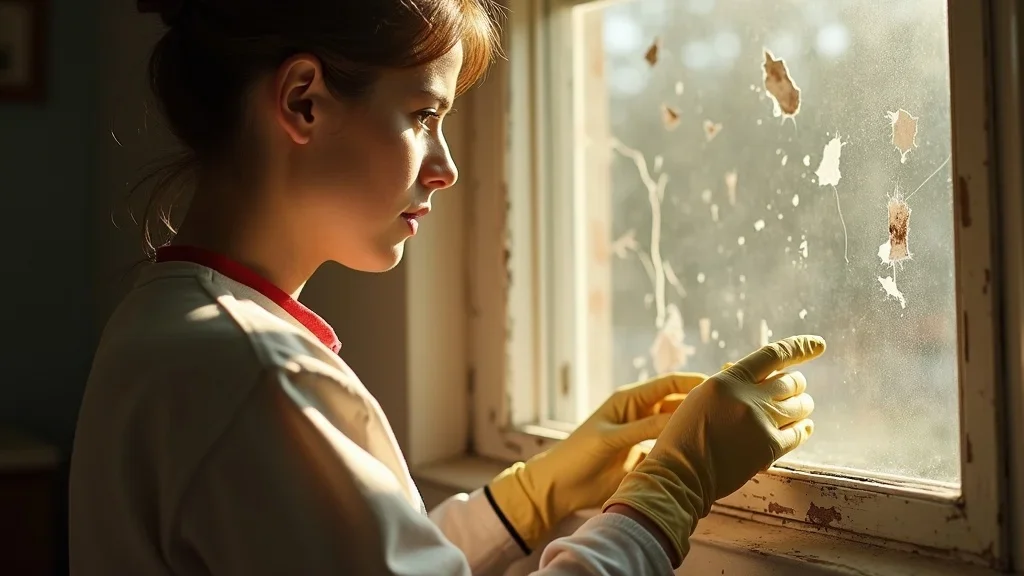
Imagine inspecting the window frames in your comfortable, sun-filled living room. You notice paint chipping off—a common sight in many older homes. But behind each paint chip, there’s a potential risk to your family's health you hadn’t considered: lead paint exposure. If your home was built before 1978, deteriorating lead-based paint could be a silent danger. Hiring a lead certified painter isn’t just about ticking a box for compliance—it's about protecting your loved ones and your property with lasting peace of mind.The Importance of Hiring a Lead Certified Painter for Lead Paint SafetyWhen it comes to maintaining or updating a home, especially one built before 1978, the stakes are higher than just curb appeal. A lead certified painter is trained to recognize and mitigate the hazards of lead paint and lead dust, which are common in older homes. These professionals have completed EPA lead certification, meaning they understand the RRP rule (Renovation, Repair and Painting Rule), safe work practices, and containment procedures. For property owners, working with a certified contractor ensures that renovation or painting projects are done safely, effectively, and in compliance with federal regulations. This not only protects your family’s health but also preserves the value of your home.Lead exposure can lead to serious health issues, especially in children and pregnant women. A certified painter strictly follows safe work practices, such as using plastic sheeting, HEPA vacuums, and proper containment methods to prevent the spread of lead dust. Regular painters or DIY methods may unintentionally increase your exposure risk by failing to observe these key procedures. That’s why hiring a lead certified painter is not just a smart choice—it’s essential for ensuring that any repair and painting project does not compromise your family’s well-being."Choosing a lead certified painter is not just about compliance—it’s about protecting your family, your property, and your peace of mind." — The Painting ProsWhat You'll Learn in This Guide About Lead Certified PaintersWhat a lead certified painter is and why certification mattersRisks of lead paint and lead-based paint in older homesEPA lead requirements and understanding the RRP ruleProcess for safe repair and paintingWhat to expect from a certified contractorCommon FAQs and expert insightsScenario: The Hidden Dangers of Lead-Based Paint in Older HomesPicture a sun-dappled living room in a classic 1970s house. A mother notices peeling paint by the window. She wears gloves, gingerly touching the edges, concerned about what’s lurking beneath. For millions of homes in the United States—especially those built before 1978—this isn’t just a cosmetic issue. Lead-based paint was commonly used, and as it deteriorates, it creates hazardous lead dust and flakes, which are easily ingested or inhaled. Children and pets are most at risk, since they often play or crawl near walls, windows, and floors where dust and chips collect. For any property owner of an older home, these visually small defects can carry enormous health implications.You might not see the danger, but it’s real: lead exposure can cause neurological disorders, developmental delays, and other irreversible health effects. That's why it is crucial to work with a lead certified painter who knows how to spot risk areas and implement proven containment and mitigation strategies. The expertise from an EPA-certified contractor is your first line of defense against unseen threats in your home.Why Lead Paint and Lead Dust Exposure Remain a Serious ConcernDespite increased awareness, lead paint hazards persist in older homes, especially during repair and painting projects that disturb the original surfaces. When painted surfaces are sanded, scraped, or drilled—whether in windows, walls, or trim—lead dust is released and settles invisibly. This dust is dangerously easy for family members to breathe in or ingest, causing health issues that are often irreversible, especially in children whose bodies absorb lead more readily.The risks associated with lead exposure are why the EPA lead regulations exist. Without proper knowledge and certified skills, a regular painter—or an ambitious DIY homeowner—could unknowingly endanger everyone in the house. That’s why the RRP rule and certified professionals are so critical. Preventing the release of toxic dust and ensuring thorough cleanup are the only effective ways to maintain a healthy environment in an older home.Understanding Lead Certified Painters: Certification, Training, and StandardsLead Certified PainterGeneral PainterDIYEPA Lead Certified, trained in RRP Rule, follows strict lead dust containment measuresNo certification, no specialized lead trainingNo certification, high risk of improper lead handlingA lead certified painter is more than a skilled tradesperson. After completing EPA-accredited training, these pros master the Renovation, Repair, and Painting (RRP) Rule requirements, understanding how to identify and manage hazards of lead-based paint. This training covers everything from proper lead test protocols to lead dust containment and safe disposal methods. Their work practices follow strict government guidelines (often detailed on the official EPA gov website) and are designed to minimize exposure risks to residents and themselves.On the other hand, an uncertified painter or DIY enthusiast is unprepared for the specific risks posed by lead. Without this specialized training, there is a high likelihood of improper removal, contaminated environments, or missed safety steps—making professional certification invaluable for any repair and painting project in older homes.The EPA Lead Renovation, Repair and Painting (RRP) Rule ExplainedThe EPA’s Renovation, Repair and Painting (RRP) Rule is the cornerstone of federal lead paint safety in the United States. This rule applies to any renovation or painting work that disturbs painted surfaces in homes, schools, and child care facilities built before 1978. The RRP Rule requires renovators and contractors to be EPA-lead certified and to follow specific work practices designed to prevent the release of lead dust. That includes containing the area with plastic sheeting, using a HEPA vacuum for cleaning, and thorough verification of surface safety after work is performed.Being aware of the RRP Rule isn’t just about legal compliance—it’s about understanding why these precautions matter. For a property owner, ensuring every painting or renovation project is handled by an EPA lead certified contractor provides crucial health and legal protections. If your chosen professional cannot provide proof of RRP training and a certified firm status, you risk both non-compliance and your family’s health.How the RRP Rule Impacts Property Owners and RenovatorsFor property owners, the EPA lead RRP rule means only certified professionals should perform work that disturbs paint in older buildings. Fines and legal consequences for non-compliance can be steep, but the far greater risk is lead exposure if the work is done poorly. Only a lead certified painter knows the safe work practices mandated by the EPA, such as proper containment, use of approved cleaning methods, and step-by-step documentation.For renovators, the RRP Rule demands ongoing education and certification to keep up with the latest safety protocols, proper use of testing equipment, and correct disposal processes. Trusting an uncertified painter is never worth the risk. In short, EPA lead certification protects everyone involved—from the professionals to the homeowners and their families.Common Sources of Lead-Based Paint Hazards in HomesWindows and Doors in Older HomesExterior and Interior WallsFloors and WoodworkIn homes built before 1978, lead-based paint is most frequently found on windows, doors, and trim, as well as exterior and interior walls. Daily activities such as opening and closing windows or moving furniture can create paint chips and lead dust over time. Even floors, especially those with woodwork or intricate trims, commonly hide old layers of lead paint under newer coatings.Identifying trouble spots can be challenging for untrained eyes. That's why a lead certified painter will inspect these high-risk areas, perform a lead test, and recommend lead-safe work practices specifically for your home. Proactive evaluation and containment keep these hidden dangers from turning into immediate health threats—especially for children who play on the floor or touch low surfaces.How Lead Certified Painters Safely Handle Repair and Painting ProjectsLead Testing, Containment, and Minimizing Lead DustEvery safe repair and painting project begins with a thorough lead test—using advanced methods like XRF (X-ray fluorescence) or EPA-approved swab tests. Once the presence of lead-based paint is confirmed, certified painters meticulously prepare the work area with plastic sheeting to contain dust and debris. They use special tools and HEPA vacuums to capture even the smallest particles, ensuring that dangerous lead dust does not spread to the rest of your home.Lead certified contractors devote extra time to communication, ensuring the property owner understands every step. The final stage involves detailed cleaning and post-work lead testing to verify the area is safe before handing your space back to you. Without these critical measures, regular painters or DIY projects could leave hazardous residues behind—even after a job appears “clean” on the surface.Demonstration: Steps a Lead Certified Painter Takes for Safe Handling of Lead PaintHow to Identify If Your Home Needs a Lead Certified PainterAges and conditions of homePrevious repairs and paintingSigns of lead-based paint riskNot sure if your home requires a lead certified painter? Start by considering the age of your property: if it was built before 1978, it almost certainly contains lead-based paint somewhere. Examine areas where painted surfaces are chipping, peeling, or damaged—especially around windows, doors, and trim. If there have been previous repairs or painting projects done without clear documentation of lead-safe work, you may be at heightened risk of lead exposure.Visual clues, however, aren’t always enough. For peace of mind, schedule a professional evaluation—especially before starting any repair and painting work. Certified contractors use tools like XRF devices and conduct thorough lead tests. This ensures you receive customized recommendations for your property. When in doubt, opting for a lead certified expert is always the safest step to protect your family’s health and your investment.Choosing a Lead Certified Contractor: What Property Owners Should AskProof of EPA lead certificationExperience with repair and painting in older homesLead test protocols usedReferences and Google ratingChoosing the right lead certified contractor can seem daunting, but asking the right questions simplifies your decision. Always request proof of EPA lead certification and check their experience specifically with lead-safe processes in houses like yours. Inquire about their lead test protocols—is XRF testing standard, or do they use alternative methods? Great contractors are transparent about their procedures and will provide references, often supported by excellent online reviews and ratings.The Painting Pros, for instance, have a stellar reputation across the Bay Area, boasting over 40 years of residential and commercial expertise. Their 5-star Google rating and EPA lead-safe certification mean you can be confident your home’s repair and painting project will be handled with professionalism and genuine care for your family’s safety.People Also Ask: What Does Lead Paint Certified Mean?Lead certification ensures that a painter has received specialized training in safely handling, containing, and disposing of lead-based paint hazards according to EPA lead and RRP Rule requirements.Being "lead paint certified" goes beyond regular painting expertise. An EPA-lead certified painter has attended official training, passed comprehensive exams, and learned how to perform work that disturbs paint according to federal safety protocols. This certification is not only proof of technical competence, but a legal requirement for anyone entrusted with repair and painting jobs in older buildings where lead-based paint is likely present. You can always request to see a contractor's certificate and cross-check their status on the EPA’s official website to confirm.People Also Ask: How Much Does XRF Lead Testing Cost?XRF lead testing costs can vary based on the property size and provider, but it's essential for any comprehensive repair and painting project in homes with potential lead exposure risks.XRF lead testing is a modern, non-destructive method where professionals use handheld devices to detect the presence and concentration of lead in painted surfaces. Although the cost depends on the property’s size, the number of surfaces tested, and the provider’s expertise, investing in thorough lead test protocols is critical for your safety. Accurate, scientific testing ensures that all hazardous areas are identified before starting any repair and painting project, enabling safe work practices every step of the way.People Also Ask: Is It Okay to Live in a House With Lead-Based Paint?Living in a home with lead-based paint can pose health risks, especially when the paint is deteriorating or disturbed during renovation. A lead certified painter is crucial for managing those hazards safely.It is possible to live safely in a home with lead-based paint—but only if the paint remains intact and undisturbed. Trouble arises when the painted surfaces start to deteriorate, or if work that disturbs paint is performed without proper safety measures. In such scenarios, lead dust and chips can spread rapidly throughout your home. That’s why property owners should always consult with a lead certified painter before beginning any renovation or repair and painting projects to ensure the right containment, removal, and cleaning protocols are followed.People Also Ask: Is It Hard to Become a Lead Inspector?Becoming a lead inspector requires completing EPA training and certification, demonstrating knowledge of lead hazards, and expertise in lead testing and safety protocols.While it’s not impossible, becoming a lead inspector is a specialized undertaking. Professionals must complete accredited training courses, pass rigorous exams, and master the protocols for lead test procedures and environmental safety. This role requires deep understanding of federal regulations, safety measures, and often, hands-on experience with both commercial and residential environments. Not all painters or contractors are qualified for this certification—which is why it’s so important for property owners to verify credentials before hiring for repair and painting jobs involving older homes.FAQs About Lead Certified Painters, Lead Paint, and Lead SafetyWhat is the difference between a regular painter and a lead certified painter? A regular painter may not have the EPA-required training or ability to safely handle lead-based paint. A lead certified painter has completed specialized training and uses industry-best safe work practices to manage lead dust and disposal safely, keeping your home and family safe during any repair and painting project.How can I confirm a contractor is EPA lead certified? Always ask for documentation of their EPA certification. You can also look them up on the EPA’s official website to verify their status as a certified firm qualified for lead-safe work.What are the long-term risks of ignoring lead paint in my home? Ignoring lead paint can lead to lifelong health concerns for your family—developing learning disabilities, behavioral issues in children, and increased risks for pregnant women. It may also reduce your property’s market value and expose you to legal liabilities.Key Takeaways: Lead Certified Painter Benefits for Property OwnersLead certified painters help safeguard your health and home valueEPA and RRP rule compliance is criticalSafe repair and painting processes minimize lead dust and exposureInterview With a Lead Certified Contractor: Real-World Outcomes for Bay Area HomesReady for Lead-Safe Peace of Mind? Schedule Your Free Estimate With a Lead Certified PainterDon’t take chances with your family’s health. Call us at (408) 868-2662 today and connect with an EPA lead certified expert from The Painting Pros for a free, no-obligation estimate on your next repair and painting project. Safeguard your property with true peace of mind!

05.16.2026

Discover the Rejuvenating Effects of Infrared Saunas for Self-Care

Update Understanding Infrared Saunas: A Warm Embrace for Wellness In the realm of home wellness, infrared saunas are a remarkable development, bringing warmth and health benefits right to your doorstep. Unlike traditional saunas that heat the air around you, infrared saunas use infrared light to directly warm your body, making them a cozy destination for relaxation, detoxification, and rejuvenation. Benefits of Infrared Saunas: A Holistic Approach Integrating infrared saunas into your wellness routine has shown numerous benefits. Many users report improved circulation, enhanced skin health, and even relief from muscle soreness. It’s important to consider how the experience can transform not only your body but also your mental health, fostering a deeper sense of calm and stress relief. While some skeptics may question these claims, studies have indicated genuine improvements in various health markers among regular sauna enthusiasts. Common Myths Around Sauna Use: Clearing the Air There are many misconceptions surrounding sauna use, and it’s essential to address these to fully understand and embrace what infrared saunas have to offer. A common myth is that saunas are only for after intense workouts. In reality, saunas provide benefits irrespective of physical activity, serving as an excellent tool for everyone, from athletes to office workers seeking relaxation. Others believe that increased sweating means more effective detoxification; however, the body is already highly efficient at expelling toxins through its natural processes. Unique Experiences in Infrared Saunas: Embracing Community Wellness Many local wellness centers offer infrared saunas, creating not just a space for personal rejuvenation but also fostering community connections. Imagine entering a room filled with the soothing scent of eucalyptus, engaging in heartfelt conversations with others sharing their wellness journeys. Such experiences can enhance personal growth and inspire others to prioritize their health. Future Trends in Sauna Technology: What Lies Ahead As technology continues to advance, the future of sauna technology looks promising. Innovations in infrared sauna design, materials that optimize heat retention, and even smart technology features will likely emerge. These advancements are anticipated to make saunas even more accessible and user-friendly, appealing to a broader audience. When we think of wellness in our rapidly evolving world, being in tune with both technology and natural health practices will be key. Making the Most of Your Sauna Experience: Practical Tips Knowing how to properly use an infrared sauna can enhance your experience significantly. Start with shorter sessions and gradually work your way up as you become accustomed. Stay hydrated by drinking water before and after your sauna time, and consider bringing along a form of entertainment—whether it’s a book or soothing music—to elevate your experience. Following these tips can help transform a simple sauna visit into a day of self-care. The Emotional Journey of Wellness: Connecting with Yourself Using an infrared sauna can elicit a multitude of emotions. For many, it can be a sanctuary for reflection, allowing thoughts to drift peacefully as the heat envelops you. As you spend time in solitude, whether you choose to meditate or simply unwind, you may find that these moments grant you clarity, helping to reinforce the importance of self-care in our busy lives. As interest grows in holistic wellness, there’s a significant movement toward incorporating infrared saunas into home environments, representing a shift towards prioritizing personal health and well-being while building community through shared experiences. If you’re considering adding an infrared sauna to your self-care regimen, do take the time to research before purchasing one. Each model has unique features, and understanding these can lead to better long-term wellness outcomes. Remember, investing in your health is always a worthwhile endeavor.

Terms of Service

Privacy Policy

Core Modal Title

Sorry, no results found

You Might Find These Articles Interesting

T
Please Check Your Email
We Will Be Following Up Shortly
*
*
*