

Imagine inspecting the window frames in your comfortable, sun-filled living room. You notice paint chipping off—a common sight in many older homes. But behind each paint chip, there’s a potential risk to your family's health you hadn’t considered: lead paint exposure. If your home was built before 1978, deteriorating lead-based paint could be a silent danger. Hiring a lead certified painter isn’t just about ticking a box for compliance—it's about protecting your loved ones and your property with lasting peace of mind.
The Importance of Hiring a Lead Certified Painter for Lead Paint Safety
When it comes to maintaining or updating a home, especially one built before 1978, the stakes are higher than just curb appeal. A lead certified painter is trained to recognize and mitigate the hazards of lead paint and lead dust, which are common in older homes. These professionals have completed EPA lead certification, meaning they understand the RRP rule (Renovation, Repair and Painting Rule), safe work practices, and containment procedures. For property owners, working with a certified contractor ensures that renovation or painting projects are done safely, effectively, and in compliance with federal regulations. This not only protects your family’s health but also preserves the value of your home.
Lead exposure can lead to serious health issues, especially in children and pregnant women. A certified painter strictly follows safe work practices, such as using plastic sheeting, HEPA vacuums, and proper containment methods to prevent the spread of lead dust. Regular painters or DIY methods may unintentionally increase your exposure risk by failing to observe these key procedures. That’s why hiring a lead certified painter is not just a smart choice—it’s essential for ensuring that any repair and painting project does not compromise your family’s well-being.
"Choosing a lead certified painter is not just about compliance—it’s about protecting your family, your property, and your peace of mind." — The Painting Pros
What You'll Learn in This Guide About Lead Certified Painters
What a lead certified painter is and why certification matters
Risks of lead paint and lead-based paint in older homes
EPA lead requirements and understanding the RRP rule
Process for safe repair and painting
What to expect from a certified contractor
Common FAQs and expert insights
Scenario: The Hidden Dangers of Lead-Based Paint in Older Homes
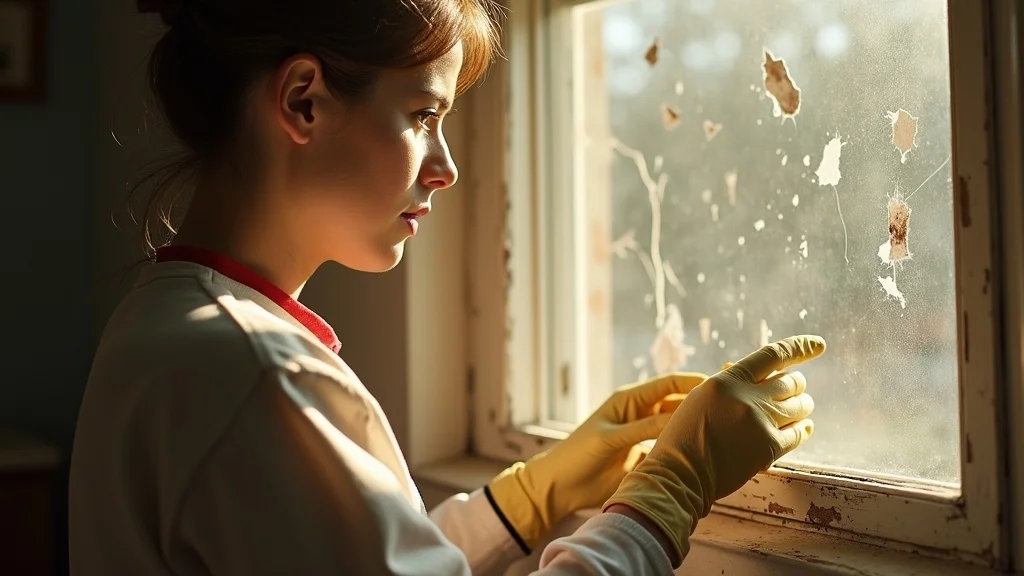
Picture a sun-dappled living room in a classic 1970s house. A mother notices peeling paint by the window. She wears gloves, gingerly touching the edges, concerned about what’s lurking beneath. For millions of homes in the United States—especially those built before 1978—this isn’t just a cosmetic issue. Lead-based paint was commonly used, and as it deteriorates, it creates hazardous lead dust and flakes, which are easily ingested or inhaled. Children and pets are most at risk, since they often play or crawl near walls, windows, and floors where dust and chips collect. For any property owner of an older home, these visually small defects can carry enormous health implications.
You might not see the danger, but it’s real: lead exposure can cause neurological disorders, developmental delays, and other irreversible health effects. That's why it is crucial to work with a lead certified painter who knows how to spot risk areas and implement proven containment and mitigation strategies. The expertise from an EPA-certified contractor is your first line of defense against unseen threats in your home.
Why Lead Paint and Lead Dust Exposure Remain a Serious Concern
Despite increased awareness, lead paint hazards persist in older homes, especially during repair and painting projects that disturb the original surfaces. When painted surfaces are sanded, scraped, or drilled—whether in windows, walls, or trim—lead dust is released and settles invisibly. This dust is dangerously easy for family members to breathe in or ingest, causing health issues that are often irreversible, especially in children whose bodies absorb lead more readily.
The risks associated with lead exposure are why the EPA lead regulations exist. Without proper knowledge and certified skills, a regular painter—or an ambitious DIY homeowner—could unknowingly endanger everyone in the house. That’s why the RRP rule and certified professionals are so critical. Preventing the release of toxic dust and ensuring thorough cleanup are the only effective ways to maintain a healthy environment in an older home.
Understanding Lead Certified Painters: Certification, Training, and Standards
Lead Certified Painter |
General Painter |
DIY |
|---|---|---|
EPA Lead Certified, trained in RRP Rule, follows strict lead dust containment measures |
No certification, no specialized lead training |
No certification, high risk of improper lead handling |
A lead certified painter is more than a skilled tradesperson. After completing EPA-accredited training, these pros master the Renovation, Repair, and Painting (RRP) Rule requirements, understanding how to identify and manage hazards of lead-based paint. This training covers everything from proper lead test protocols to lead dust containment and safe disposal methods. Their work practices follow strict government guidelines (often detailed on the official EPA gov website) and are designed to minimize exposure risks to residents and themselves.
On the other hand, an uncertified painter or DIY enthusiast is unprepared for the specific risks posed by lead. Without this specialized training, there is a high likelihood of improper removal, contaminated environments, or missed safety steps—making professional certification invaluable for any repair and painting project in older homes.
The EPA Lead Renovation, Repair and Painting (RRP) Rule Explained

The EPA’s Renovation, Repair and Painting (RRP) Rule is the cornerstone of federal lead paint safety in the United States. This rule applies to any renovation or painting work that disturbs painted surfaces in homes, schools, and child care facilities built before 1978. The RRP Rule requires renovators and contractors to be EPA-lead certified and to follow specific work practices designed to prevent the release of lead dust. That includes containing the area with plastic sheeting, using a HEPA vacuum for cleaning, and thorough verification of surface safety after work is performed.
Being aware of the RRP Rule isn’t just about legal compliance—it’s about understanding why these precautions matter. For a property owner, ensuring every painting or renovation project is handled by an EPA lead certified contractor provides crucial health and legal protections. If your chosen professional cannot provide proof of RRP training and a certified firm status, you risk both non-compliance and your family’s health.
How the RRP Rule Impacts Property Owners and Renovators
For property owners, the EPA lead RRP rule means only certified professionals should perform work that disturbs paint in older buildings. Fines and legal consequences for non-compliance can be steep, but the far greater risk is lead exposure if the work is done poorly. Only a lead certified painter knows the safe work practices mandated by the EPA, such as proper containment, use of approved cleaning methods, and step-by-step documentation.
For renovators, the RRP Rule demands ongoing education and certification to keep up with the latest safety protocols, proper use of testing equipment, and correct disposal processes. Trusting an uncertified painter is never worth the risk. In short, EPA lead certification protects everyone involved—from the professionals to the homeowners and their families.
Common Sources of Lead-Based Paint Hazards in Homes
Windows and Doors in Older Homes
Exterior and Interior Walls
Floors and Woodwork
In homes built before 1978, lead-based paint is most frequently found on windows, doors, and trim, as well as exterior and interior walls. Daily activities such as opening and closing windows or moving furniture can create paint chips and lead dust over time. Even floors, especially those with woodwork or intricate trims, commonly hide old layers of lead paint under newer coatings.
Identifying trouble spots can be challenging for untrained eyes. That's why a lead certified painter will inspect these high-risk areas, perform a lead test, and recommend lead-safe work practices specifically for your home. Proactive evaluation and containment keep these hidden dangers from turning into immediate health threats—especially for children who play on the floor or touch low surfaces.
How Lead Certified Painters Safely Handle Repair and Painting Projects
Lead Testing, Containment, and Minimizing Lead Dust
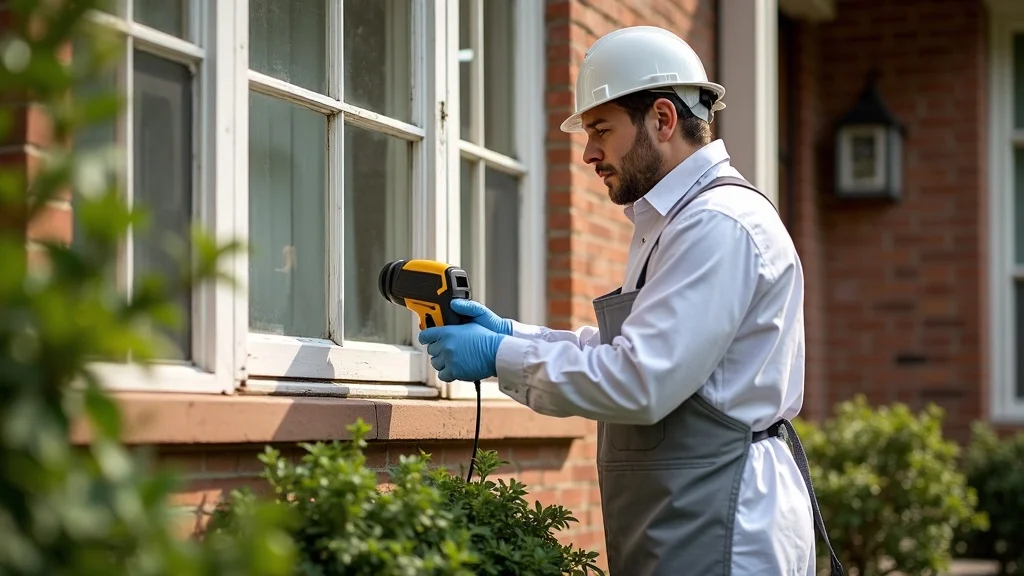
Every safe repair and painting project begins with a thorough lead test—using advanced methods like XRF (X-ray fluorescence) or EPA-approved swab tests. Once the presence of lead-based paint is confirmed, certified painters meticulously prepare the work area with plastic sheeting to contain dust and debris. They use special tools and HEPA vacuums to capture even the smallest particles, ensuring that dangerous lead dust does not spread to the rest of your home.
Lead certified contractors devote extra time to communication, ensuring the property owner understands every step. The final stage involves detailed cleaning and post-work lead testing to verify the area is safe before handing your space back to you. Without these critical measures, regular painters or DIY projects could leave hazardous residues behind—even after a job appears “clean” on the surface.
Demonstration: Steps a Lead Certified Painter Takes for Safe Handling of Lead Paint
How to Identify If Your Home Needs a Lead Certified Painter
Ages and conditions of home
Previous repairs and painting
Signs of lead-based paint risk
Not sure if your home requires a lead certified painter? Start by considering the age of your property: if it was built before 1978, it almost certainly contains lead-based paint somewhere. Examine areas where painted surfaces are chipping, peeling, or damaged—especially around windows, doors, and trim. If there have been previous repairs or painting projects done without clear documentation of lead-safe work, you may be at heightened risk of lead exposure.
Visual clues, however, aren’t always enough. For peace of mind, schedule a professional evaluation—especially before starting any repair and painting work. Certified contractors use tools like XRF devices and conduct thorough lead tests. This ensures you receive customized recommendations for your property. When in doubt, opting for a lead certified expert is always the safest step to protect your family’s health and your investment.
Choosing a Lead Certified Contractor: What Property Owners Should Ask
Proof of EPA lead certification
Experience with repair and painting in older homes
Lead test protocols used
References and Google rating
Choosing the right lead certified contractor can seem daunting, but asking the right questions simplifies your decision. Always request proof of EPA lead certification and check their experience specifically with lead-safe processes in houses like yours. Inquire about their lead test protocols—is XRF testing standard, or do they use alternative methods? Great contractors are transparent about their procedures and will provide references, often supported by excellent online reviews and ratings.
The Painting Pros, for instance, have a stellar reputation across the Bay Area, boasting over 40 years of residential and commercial expertise. Their 5-star Google rating and EPA lead-safe certification mean you can be confident your home’s repair and painting project will be handled with professionalism and genuine care for your family’s safety.
People Also Ask: What Does Lead Paint Certified Mean?

Lead certification ensures that a painter has received specialized training in safely handling, containing, and disposing of lead-based paint hazards according to EPA lead and RRP Rule requirements.
Being "lead paint certified" goes beyond regular painting expertise. An EPA-lead certified painter has attended official training, passed comprehensive exams, and learned how to perform work that disturbs paint according to federal safety protocols. This certification is not only proof of technical competence, but a legal requirement for anyone entrusted with repair and painting jobs in older buildings where lead-based paint is likely present. You can always request to see a contractor's certificate and cross-check their status on the EPA’s official website to confirm.
People Also Ask: How Much Does XRF Lead Testing Cost?
XRF lead testing costs can vary based on the property size and provider, but it's essential for any comprehensive repair and painting project in homes with potential lead exposure risks.
XRF lead testing is a modern, non-destructive method where professionals use handheld devices to detect the presence and concentration of lead in painted surfaces. Although the cost depends on the property’s size, the number of surfaces tested, and the provider’s expertise, investing in thorough lead test protocols is critical for your safety. Accurate, scientific testing ensures that all hazardous areas are identified before starting any repair and painting project, enabling safe work practices every step of the way.
People Also Ask: Is It Okay to Live in a House With Lead-Based Paint?

Living in a home with lead-based paint can pose health risks, especially when the paint is deteriorating or disturbed during renovation. A lead certified painter is crucial for managing those hazards safely.
It is possible to live safely in a home with lead-based paint—but only if the paint remains intact and undisturbed. Trouble arises when the painted surfaces start to deteriorate, or if work that disturbs paint is performed without proper safety measures. In such scenarios, lead dust and chips can spread rapidly throughout your home. That’s why property owners should always consult with a lead certified painter before beginning any renovation or repair and painting projects to ensure the right containment, removal, and cleaning protocols are followed.
People Also Ask: Is It Hard to Become a Lead Inspector?
Becoming a lead inspector requires completing EPA training and certification, demonstrating knowledge of lead hazards, and expertise in lead testing and safety protocols.
While it’s not impossible, becoming a lead inspector is a specialized undertaking. Professionals must complete accredited training courses, pass rigorous exams, and master the protocols for lead test procedures and environmental safety. This role requires deep understanding of federal regulations, safety measures, and often, hands-on experience with both commercial and residential environments. Not all painters or contractors are qualified for this certification—which is why it’s so important for property owners to verify credentials before hiring for repair and painting jobs involving older homes.
FAQs About Lead Certified Painters, Lead Paint, and Lead Safety
What is the difference between a regular painter and a lead certified painter?
A regular painter may not have the EPA-required training or ability to safely handle lead-based paint. A lead certified painter has completed specialized training and uses industry-best safe work practices to manage lead dust and disposal safely, keeping your home and family safe during any repair and painting project.How can I confirm a contractor is EPA lead certified?
Always ask for documentation of their EPA certification. You can also look them up on the EPA’s official website to verify their status as a certified firm qualified for lead-safe work.What are the long-term risks of ignoring lead paint in my home?
Ignoring lead paint can lead to lifelong health concerns for your family—developing learning disabilities, behavioral issues in children, and increased risks for pregnant women. It may also reduce your property’s market value and expose you to legal liabilities.
Key Takeaways: Lead Certified Painter Benefits for Property Owners
Lead certified painters help safeguard your health and home value
EPA and RRP rule compliance is critical
Safe repair and painting processes minimize lead dust and exposure
Interview With a Lead Certified Contractor: Real-World Outcomes for Bay Area Homes
Ready for Lead-Safe Peace of Mind? Schedule Your Free Estimate With a Lead Certified Painter
Don’t take chances with your family’s health. Call us at (408) 868-2662 today and connect with an EPA lead certified expert from The Painting Pros for a free, no-obligation estimate on your next repair and painting project. Safeguard your property with true peace of mind!


Write A Comment