
UPDATE

Your guide to modern living—every day.

  • Home
  • Categories
    • Wellness
    • Home and Garden
    • Work and Life
    • Travel
    • People and Style
    • Living Spaces
May 08.2026
1 Minute Read

Celebrate Mother's Day Weekend by Embracing Courage, Confidence & Hope

Every May, Mother’s Day weekend arrives bearing a swirl of memories and emotions. No matter where you come from or what “mother” means to you—be it a biological mother, courageous mother figure, or a close friend who stepped in when times were tough—this is an occasion that calls us to pause, reflect, and honor the profound impact mothers have on our lives and communities. For some, it’s a day of joyous brunches and handwritten notes; for others, it’s one of remembrance, growth, or even healing. In the spaces between sunshine and bittersweet, we find the qualities that truly shape us: courage, confidence, and hope. These are more than lofty virtues—they are the living, breathing forces that sustain us, especially when family life is shaped by challenge, resilience, and the unseen strength of everyday heroes.

Mother's Day Weekend: A Reflection on Courage, Confidence, and Hope

Celebrating Mother's Day weekend by remembering those human qualities of courage, confidence, and hope is not just about bouquets or heartfelt cards. It’s about recognizing and uplifting the foundations that strong, resilient mothers lay for their families and communities year after year. The long lineage of women—whether in broken homes, blended families, or vibrant communities—proves time and again that courage often looks quiet, persistence is its own kind of confidence, and hope is woven into every loving act.

This weekend, as we honour our mothers, grandmother figures, and all those who stepped in to nurture us, let’s take a moment to see beyond traditional celebrations. By focusing on these virtues, we acknowledge the courage it takes for a mother facing adversity, the confidence found in gentle reassurances during difficult times, and the unwavering hope that tomorrow can bring healing or new beginnings—especially for those touched by circumstances like childhood cancer, family hardship, or the many forms of treatment at the hospital. These qualities have always been the heart of decent human beings, and celebrating them is, in itself, a powerful act of positive change.

Recognizing and nurturing these qualities within our families can also inspire broader growth and resilience, especially when we look at how seasonal celebrations can be transformed into lasting traditions. For those interested in practical strategies to extend the impact of special occasions like Mother's Day, exploring ways to turn holiday moments into year-round opportunities for connection and support can offer valuable insights for both families and communities.

Warm, loving multigenerational family gathering celebrating Mother

What You'll Learn from Celebrating Mother's Day Weekend by Remembering Those Human Qualities of Courage, Confidence, and Hope

  • How courageous mothers shape families and communities

  • The interconnected roles of courage, confidence, and hope

  • Stories and insights from mothers, leaders, and practitioners

  • Practical ways to amplify these qualities in your own life and circles

Why Courageous Mothers Inspire Us Every Mother's Day Weekend

Looking at the tapestry of family life, certain threads stand out—resilience, sacrifice, and an enduring hope for the next generation. Courageous mothers—those who lead families with steady hands and open hearts—remind us why celebrating Mother's Day weekend by remembering those human qualities of courage, confidence, and hope matters so much. From the “mother of the gods” mythologies to the mothers in our own long lineage, their acts of bravery, whether large or subtle, are central to shaping a nurturing family environment. Even years ago, mothers were acknowledged as the "ray of sunshine" in homes that would otherwise struggle. Whether facing personal health battles like a heart attack or guiding a child through mental health challenges, courageous mothers continually make a difference.

The influence of courageous mothers reaches far beyond individual households. In times of social upheaval, during battles with illness such as childhood cancer, or through support during treatment at the hospital, their resolve brings communities together. Their emotional skill and ability to keep hope alive demonstrate why we don’t just celebrate motherhood, but also the enduring values that mothers teach, model, and pass down. Each act of courage, each display of quiet confidence, becomes a lesson for us all—reminding us to honor our mothers, the resilient mother next door, and those who love and care from afar.

The Enduring Power of the Courageous Mother Archetype

"Courage doesn’t always roar. Sometimes courage is the quiet voice at the end of the day saying, 'I will try again tomorrow.'" – Mary Anne Radmacher
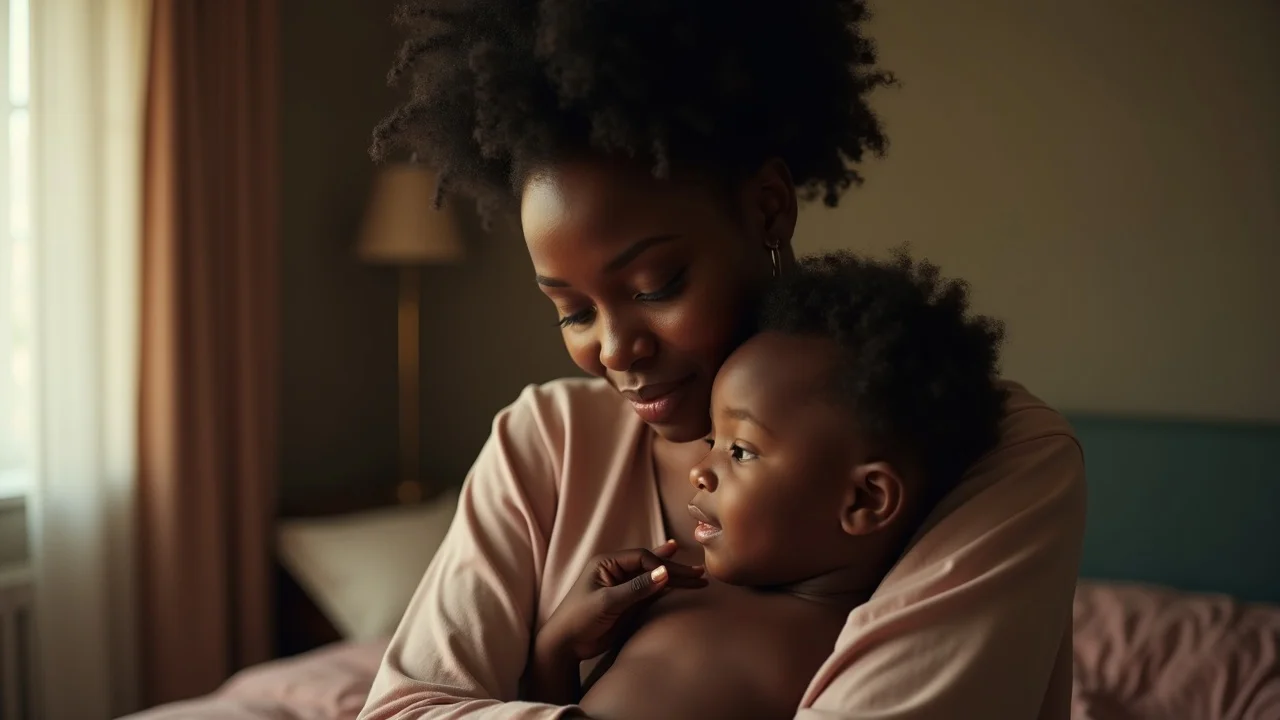
Dignified courageous mother and child reflecting courage during Mother

Mothers take on countless roles—protector, nurturer, leader, peacemaker—which is why the archetype of the courageous mother is so enduring. Whether confronting the heartbreak of a broken home, supporting children through years of uncertainty, or standing as pillars of a community in honor of her mother, these women display deep reservoirs of strength and emotional skills that inspire those around them. Their stories serve as a guiding light, especially for children and families navigating tough transitions.

The courageous mother serves not just her own family, but often becomes a source of strength for others—friends, extended relatives, and even strangers. There’s power in her silent faith, and in the way she draws people together in moments of crisis or celebration. Her resilience is found in the everyday moments: helping a child with schoolwork during treatment at the hospital, comforting a neighbor after a loss, or quietly persevering through her own health challenges. These quiet acts are what make a good mother a truly decent human, shaping not just her immediate circle, but also leaving a legacy for all of us to honor.

Connecting Childhood Cancer Journeys and the Strength of Courageous Mothers

For families facing the challenge of childhood cancer, celebrating Mother's Day weekend by remembering those human qualities of courage, confidence, and hope becomes not only meaningful—it becomes critical for survival. In pediatric oncology wards, courageous mothers find themselves at the intersection of fear, determination, and hope. Many recount how treatment at the hospital revealed untapped reservoirs of emotional skill; often, mothers become advocates, comforters, and sources of stability, offering gentle reassurance when uncertainty is at its greatest.

Stories abound of mothers who, years ago, never imagined they would need to summon such strength, yet find themselves standing as resilient as ever for their children. Whether it’s a mother like Alberta, in honor of her friend or her own child, these acts of courage are repeated in every cancer ward, every hospital hallway. Their ability to maintain hope in the face of adversity, to rally support, and to pour love and care into every interaction is what transforms pain into positive change. In these moments, the true power of a courageous mother—her impact on family life and her community—comes into sharpest focus.

Confidence: The Quiet Anchor Behind Celebrating Mother's Day Weekend

While courage often takes center stage during special occasions like Mother’s Day, it’s confidence—the steady, grounding force—that enables mothers to persevere when the world feels uncertain. Quiet confidence doesn’t demand recognition; it manifests in the everyday decisions that support children’s emotional skills, guide them through periods of sickness or uncertainty, and hold families together amid shifting circumstances. These are the mothers who declare, sometimes privately, that they are a “work in progress,” yet keep moving forward, securing both hope and healing for those they love.

In moments when family life is threatened by a heart attack, mental health struggles, or unexpected upheaval, a confident mother models calm and assurance. She becomes the foundation on which others stand, showing her children and community what resilience looks like in action. From encouraging children through treatment at the hospital to quietly advocating for emotional well-being at home, her leadership is measured by her steady presence. Through these everyday actions, celebrating Mother's Day weekend takes on deeper meaning—it becomes an opportunity to recognize the silent courage and confidence that underpins so many family bonds.

Mini-Interview: A Healthcare Leader on Confidence Through Treatment at the Hospital

Empowered compassionate healthcare professional showing confidence during treatment at the hospital with a courageous mother and child

To better understand the role of confidence, I reached out to a hospital-based healthcare leader who regularly supports families during critical moments. They shared, “In the midst of childhood cancer treatments, it’s often the mothers who hold the room together. Even when they’re facing their own doubts, they project calm for the sake of their children. We see it in the way they ask questions, advocate for care, and provide comfort during the hardest days. Real confidence isn’t loud—it’s steady. It reassures everyone else, especially in those long nighttime hours. ”

This account highlights how women-focused leadership, especially by courageous mothers, sets the tone for family resilience and healing. The healthcare environment, with all its challenges and uncertainties, becomes a testing ground for social and emotional skill. By showing quiet confidence, mothers are able to absorb stress, communicate needs, and collaborate with healthcare teams in ways that deliver hope, not just treatment. Their example is a powerful reminder of what it means to lead as a decent human being—both in and out of special occasions.

Hopeful Horizons: How Celebrating Mother's Day Weekend Lights Paths Forward

Hope is the anchor that carries families through change and challenge, shaping how we celebrate special occasions like Mother’s Day. It fosters resilience in children facing adversity, sustains mothers through personal hardships, and unites communities in the pursuit of healing and belonging. hope—like courage and confidence—appears in both subtle gestures and bold actions. Celebrating Mother's Day weekend by remembering those human qualities of courage, confidence, and hope is a way to invest in the future—to declare that even the darkest moments can be transformed by persistent optimism.

From families navigating years of treatment at the hospital to communities coming together in honor of her friend or in memory of a beloved mother, hope becomes the light that guides, the thread that connects, and the story that continues. It is in supporting mothers who are far from home, in the gentle words exchanged in hospital corridors, and in the creative, heartfelt rituals communities create to make positive change real. Every act of hope plants seeds for a stronger, more resilient family environment and a future bright with possibility.

Hope in Action: Real Stories from Families Weathering Difficulty

"Hope is the thing with feathers that perches in the soul – and sings the tune without the words – and never stops at all." – Emily Dickinson

Uplifting hopeful family outdoors showing confidence, courage, and hope during Mother

Yet, hope is not blind optimism. It’s forged in the complicated realities of life—navigating mental health challenges, surviving years of uncertainty, responding to family crises, or enduring a broken home. Take the story of a resilient mother who, despite being far from her own support system, led her children through treatment at the hospital with quiet determination and unwavering faith in brighter tomorrows. Or consider the family who, after losing a mother to a heart attack, found hope in supporting others experiencing similar grief. These stories, quietly passed down within and between communities, shape the patterns of resilience that keep surfacing in our collective narrative.

Every spring, as we celebrate mothers, the stories of hope—woven with threads of courage and confidence—remind us of why these qualities keep coming up, year after year. They are not merely traits for special occasions; they are survival tools, lifelines, and, ultimately, the legacy that mothers, families, and communities strive to leave behind.

Pattern Recognition: Why Courage, Confidence, and Hope Keep Coming Up

As an observer and chronicler of community stories, I’ve noticed that courage, confidence, and hope are more than just words—they’re patterns. Every conversation with a courageous mother, every encounter in a childhood cancer ward, and every reflection on years gone by underscores why these traits keep surfacing in our most powerful stories. Families will often point to a moment when someone—in honor of her mother, a friend, or simply for the sake of future generations—chose to stand strong, to hope against hope, and to act out of a deep confidence in brighter days ahead.

It’s in this pattern recognition that we find lessons for honoring mother figures not just during Mother’s Day weekend, but as a lifelong practice. When we analyze recurring tensions—between fear and hope, between control and surrender, between being a good mother and being a decent human—we recognize that the stories we tell and retell point us back to a universal truth: courage, confidence, and hope shape enduring, resilient people who, in turn, strengthen the community around them. These values are amplified when we intentionally recognize, nurture, and celebrate them.

Naming Tensions: What We Learn from Recurring Stories Across Communities

Across generations, stories reveal not only what unites us, but also where tensions arise. Mothers who are quietly confident often struggle with moments of uncertainty; those who are courageously outspoken sometimes yearn for more support; families clinging to hope may also wrestle with fears of disappointment. Recognizing these universal challenges helps us move from performative celebration to real, transformative honoring of mothers and their families—making room for empathy, dialogue, and real social and emotional growth.

Women-focused conversations—especially those led by community leaders, family advocates, or survivors of childhood cancer—keep repeating these themes for a reason. They remind us that positive change comes not from glossing over pain, but from naming and working through it together. By discussing both tensions and triumphs, we create space for the work in progress that each mother, child, and community truly is. This process of observation and elevation is at the heart of building a stronger, more honest, and more hopeful world.

Innovative Celebrations: Unique Ways to Honor Mother's Day Weekend

Modern families are shifting the meaning of Mother’s Day weekend with creative celebrations that honor both enduring traditions and new realities. These unique gestures—rooted in recognizing courageous mothers and their influence—help us deepen our appreciation for the human qualities that bind us. While flowers and brunches are wonderful, there is equal beauty in supporting mothers undergoing treatment at the hospital, gathering for community storytelling, or honoring mothers who are physically far away but close in spirit.

Below are several innovative ways families and communities are elevating the true purpose of celebrating Mother's Day weekend by remembering those human qualities of courage, confidence, and hope:

  • Community storytelling and listening circles

  • Handwritten notes on courage and hope

  • Family rituals focused on shared strengths

  • Supporting mothers in treatment at the hospital

  • Celebrating for those far from home

Creative heartfelt Mother’s Day celebration with community storytelling and handwritten notes emphasizing courage and hope

Through practices like family storytelling, families draw upon their own lineage, recognizing the impact of courageous mothers and making a difference in how children learn emotional skills. Writing personal notes, whether in honor of her friend or celebrating resilient mothers battling childhood cancer, makes the appreciation tangible. And for mothers away from home due to hospital treatments, thoughtful gestures—an online video call, a community meal, or a support package—can transform an ordinary day into a powerful affirmation of hope and shared humanity.

Elevating Insights: Expert Voices on Celebrating Mother's Day Weekend by Remembering Those Human Qualities

“True leadership is knowing when to be strong and when to ask for help.” – Healthcare Worker, Pediatric Oncology

Experts in healthcare, social work, and community leadership consistently emphasize that celebrating Mother's Day weekend by remembering those human qualities of courage, confidence, and hope is crucial for healing and growth—both individually and collectively. Their insights underscore that courageous mothers serve as anchors for families coping with emotional or medical challenges. Confidence, according to practitioners, is built little by little—through encouragement, advocacy, and the daily work in progress of supporting loved ones. Hope, as they tell it, is both the fuel for resilience and the bond that keeps communities moving forward, even in the face of heartbreak or loss. These testimonies invite us all to amplify these virtues in our own circles, making them part of everyday life.

Spotlight: Community Leaders Upholding Courageous Mothers

Many community leaders—from nonprofit founders to faith leaders to parent advocates—are making a difference by recognizing and elevating courageous mothers, whether in Alberta in honor of her friend or in local hospitals supporting families during long treatments. Their actions help build supportive networks that extend the reach of a good mother’s love well beyond her immediate family environment. By holding circles for storytelling, facilitating social and emotional support, or leading campaigns for mental health resources, these leaders ensure that celebrating Mother's Day weekend becomes a genuine reflection of the resilience, hope, and confidence that mothers model every day.

Comparing Key Qualities: Courage, Confidence, Hope (in Mother's Day Context)

Quality

Definition

Symbol

Courage

The willingness to act bravely in the face of challenges or fear, often quietly or in everyday choices.

💪 (Arm flexing)

Confidence

A steady assurance and belief, often shown through calm support, guidance, and leadership in family life.

🌸 (Blooming flower)

Hope

The expectation and trust that good can emerge from struggle, fueling resilience and future dreams.

🌈 (Rainbow)

FAQs on Celebrating Mother's Day Weekend by Remembering Those Human Qualities

What is the best message for all Mother's Day?

Elegant inspirational Mother

The best message embraces gratitude and acknowledges the everyday courage, confidence, and hope mothers embody. Consider something like: “Thank you for being a source of unwavering strength and endless love. Your courage inspires, your confidence reassures, and your hope lights the way. Happy Mother’s Day—you are cherished more than words can say. ” Personalizing your message draws upon your family life—honoring the unique role your mother or mother figure plays in your story.

What is the main purpose of celebrating Mother's Day?

The main purpose is to honor and celebrate motherhood in all its forms—biological, adoptive, or through chosen family—by remembering those human qualities of courage, confidence, and hope that shape decent human beings and resilient communities. It’s less about the gifts and more about appreciating the everyday impact mothers have, their work in progress, and the legacy of nurturing, support, and love and care they pass on to future generations.

How to end a mother's day message?

End a Mother's Day message with warmth and affirmation, reinforcing gratitude and hope. For example: “With all my love, always,” or “Thank you for showing what it means to be courageous and hopeful—today and every day. ” These closing lines emphasize the ongoing influence mothers have, beyond the boundaries of special occasions.

What are some unique ways to celebrate Mother's Day?

Beyond traditional celebrations, unique ways include participating in community storytelling, writing personal notes to mothers facing treatment at the hospital, engaging in family rituals that honor shared strengths, or making a donation in honor of her friend or a courageous mother in your community. Acts of support for mothers far from home or in challenging circumstances also add lasting meaning to the day. Choose approaches that reflect and amplify courage, confidence, and hope for maximum impact.

Key Takeaways for Celebrating Mother's Day Weekend by Remembering Those Human Qualities

  • Courageous mothers nurture the foundations of hope and resilience

  • Confidence grows in the quiet moments as much as the big milestones

  • Celebrating Mother's Day weekend is about more than gifts – it’s about honoring enduring values

  • You can be part of shaping a hopeful story—today and every day

Next Steps: Join the Dialogue on Courage, Confidence, and Hope

Schedule a 15 minute let me know further virtual meeting at https://askchrisdaley.com

Stories of Courageous Mothers and Inspiring Mother's Day Traditions

Discover how hospital teams uplift families and support courageous mothers through meaningful care, hope, and community celebration—reminding us all that honoring mothers is a daily practice, especially during times of trial and recovery.

Conclusion: May this Mother’s Day weekend be a time for honoring the quiet courage, steady confidence, and enduring hope that mothers offer. Let’s celebrate by amplifying these qualities within ourselves, our families, and our communities.

If you’re inspired to keep the spirit of Mother’s Day alive throughout the year, consider how the lessons of courage, confidence, and hope can be woven into your ongoing family and community traditions. By applying the same intentionality to other holidays and milestones, you can foster deeper connections and lasting positive change. For a broader perspective on transforming seasonal celebrations into opportunities for year-round growth and engagement, explore the strategies outlined in The Holiday Growth Playbook. Let this be your invitation to turn meaningful moments into a continuous journey of support, gratitude, and shared resilience.

Sources:

  • American Cancer Society: Celebrating Mother’s Day Through the Eyes of Cancer Survivors

  • Psychology Today: The Resilience of Mothers

  • Boston Children's Hospital: Childhood Cancer Treatment

  • NAMI: A Mother’s Story of Hope, Strength, and Healing

Mother’s Day is a time to honor the profound impact of mothers and mother figures in our lives. To deepen your understanding of the virtues of courage, confidence, and hope that mothers embody, consider exploring the following resources:

  • “Why Mothers Are Our Number-One Heroes” (psychologytoday.com)

This article delves into the psychological functions of heroism that mothers fulfill, highlighting how they instill hope and resilience in their children.

  • “History of Mother’s Day” (nationalwomenshistoryalliance.org)

This resource provides an in-depth look at the origins of Mother’s Day, emphasizing the courage and advocacy of women who championed the establishment of the holiday.

If you’re interested in understanding the historical significance and the heroic qualities associated with motherhood, these articles offer valuable insights.

LIfestyle

0 Comments

Write A Comment

*
*
Please complete the captcha to submit your comment.
Related Posts All Posts
06.09.2026

Discover How Your Gut Health Influences Caloric Absorption and Weight Management

Update Your Gut Health: The Hidden Factor in Calorie Absorption For years, the mantra of effective weight management has centered around the simple precept of 'calories in, calories out.' While this straightforward equation provides a foundational understanding of weight gain and loss, emerging research indicates that it only scratches the surface of nutrition dynamics. Recent studies have illuminated the profound influence of gut health on how the body absorbs calories, challenging long-held beliefs and opening new avenues for dietary strategies aimed at achieving and maintaining a healthy weight. The Historical Context: Calories and Nutrition The modern concept of calories originates from the late 19th century when Wilbur Olin Atwater pioneered methods for calculating the energy yield of food. His findings, which established proteins and carbohydrates at 4 calories per gram and fats at 9 calories, laid the groundwork for today’s nutrition labels. However, these calculations do not account for the complexities of human digestion, which involves the intricate interplay of enzymes, hormones, genetics, and, crucially, the microbiome. The Role of the Microbiome in Caloric Absorption Recent studies, including groundbreaking work from Arizona State University, have started to unravel the extensive role that gut microbiota plays in energy absorption. The research team developed a model known as DAMM (Digestion, Absorption, and Microbial Metabolism), which tracks how food is processed through the digestive tract. They discovered that the same meal could yield dramatically different caloric absorption rates depending on how the gut microbiome metabolizes the food. In a controlled feeding study, participants consuming high-fiber diets absorbed, on average, 116 fewer calories than those on a Western diet rich in processed foods. This discrepancy is attributed to how gut microbes ferment fiber and resistant starch into short-chain fatty acids (SCFAs), which have additional health benefits such as regulating appetite and strengthening gut barrier integrity. Therefore, the microbiome contributes significantly—an estimated 15%—to the usable energy extracted from food. Microbiome-Friendly Diets: A Practical Insight Dr. Karen Corbin’s research supports the notion that shifting towards a microbiome-friendly diet can physically change how our bodies handle calories. In her study at the AdventHealth Translational Research Institute, participants consumed meals that enhanced microbial health through fiber and resistant starch. The findings indicated a significant reduction in absorbed calories—and an average caloric deficit of 217 calories per day—when participants consumed microbiome-friendly foods compared to their usual Western diet. Why This Matters: The Bigger Picture of Health With obesity affecting over 40% of American adults, understanding the interplay between gut health, calorie absorption, and weight management can inform public health strategies. These studies demonstrate that it might not always be about caloric restriction but rather integrating higher-quality foods into our diets that support gut microbiota. Instead of focusing solely on how much we eat, the future of nutrition may emerge from what we digest. Future Predictions and Dietary Recommendations As we foster a more in-depth understanding of the gut microbiome’s impact on caloric absorption, it is vital for healthcare providers to advocate for dietary changes that prioritize whole foods. The shift from highly processed diets to those abundant in fiber-rich and less refined grains can lead not only to better weight management but also enhance overall metabolic health. Additionally, the need for further research is paramount. Unanswered questions like the long-term implications of diet on gut microbiota, alternate methods of promoting gut health, and personalized nutrition based on microbiome composition require continued exploration. The end goal is to refine dietary guidelines that embrace these insights and reshape our approach to health and wellness. Actionable Steps for Your Diet: A Call to Awareness Incorporating more fiber-rich whole foods while minimizing processed items could provide dual benefits—supporting weight management and enhancing gut health. Such dietary adjustments may seem trivial, yet they carry significant weight in the larger context of health. Advocating for a commitment to dietary quality over strict caloric limitation could empower individuals in their journeys towards better health. As the conversation surrounding diet and weight regulation evolves, staying informed and experimenting with food choices that nourish not just the body but the microbiome can lead to meaningful changes in health outcomes. Explore new dietary landscapes with creativity; make your meals colorful with a variety of fruits, vegetables, and whole grains that work synergistically to enhance both satisfaction and health.

06.04.2026

How Regular Exercise Can Defend Against Microplastics: Key Insights

Update Protecting Your Brain and Gut: The Microplastics Dilemma Recent research has unveiled an unexpected ally for the body in combating the invasive microplastics infiltrating our environment, particularly at a time when health and fitness are paramount. Exercise, an activity long celebrated for its myriad of health benefits, may also fortify our defenses against microplastic exposure—a concern increasingly highlighted by scientists and health experts alike. The Ubiquity of Microplastics and Their Health Risks Microplastics—tiny plastic particles less than 5mm in size—have permeated every corner of our planet. From oceanic depths to the air we breathe, studies have pinpointed them as potential health hazards, particularly for people engaging in sports or exercise. Notably, emerging data shows that microplastics can enter the human body through various vectors: inhalation, ingestion, and skin contact from everyday items such as sports equipment and clothing. Athletes, who often immerse themselves in high-risk environments, face elevated exposure levels, exacerbating their vulnerability to respiratory issues and endocrine disruptions. How Does Exercise Fit Into This Picture? Exercise reportedly acts as a shield against the adverse effects of these pollutants. A recent study suggests that maintaining an active lifestyle may help boost bodily defenses, particularly in the gut and brain. Physical activity is linked to improved immune function and a reduced inflammatory response, which can be crucial in managing the chemical burdens imposed by microplastics. As individuals metabolize nutrients during exercise, they potentially enhance the body’s ability to clear contaminants, paving the way for healthier physiological responses. This has significant implications for athletes everywhere, highlighting that rather than solely a means for physical fitness, exercise could play a crucial role in fostering resilience against environmental toxins. The Scientific Evidence: Microplastics and Physical Activity A thorough exploration of existing literature shows a consensus among researchers: while microplastics threaten physiological health, there exists a vital counter-narrative illustrating exercise’s protective effects. Some studies indicate that individuals engaging in regular physical activity may metabolize toxins more effectively, minimizing harmful impacts from microplastics in their diet and environment. For instance, research suggests that active individuals might ingest more microplastics through increased hydration needs and consumption of packaged foods—this paradox necessitates a keen understanding of both behaviors and the potential risks involved. The question remains: how do we enjoy the health benefits of exercise while mitigating corresponding risks? Reducing Exposure Without Compromising Fitness Given the established connection between microplastic exposure and adverse health effects, it is crucial for those involved in sports to be proactive. Here are a few suggestions for reducing exposure: Opt for Natural Materials: Athletes can choose non-synthetic clothing and equipment whenever possible. Reducing dependence on items that degrade into microplastics can mitigate risks. Stay Informed: Being aware of local environments can guide athletes towards cleaner training facilities, whether natural fields or tracks with minimal plastic components. Hydration Choices Matter: Opt for drinking water sources that are less likely to contain microplastics, such as filtered tap water or glass-packaged beverages, instead of plastic bottles. Future Predictions: A Call for Change As society grapples with plastic pollution, ongoing research into the implications of microplastics remains essential. Sports organizations and public health agencies must collaborate to create safer athletic environments. Future policies could incentivize the development of biodegradable sports surfaces and packaging that mitigate microplastic release. Moreover, raising awareness about the health implications of microplastic exposure will empower athletes and the public to make conscious choices, ultimately leading to a culture of sustainability and responsibility. Conclusion: Exercise as a Potential Shield The relationship between exercise and microplastics reveals a remarkable paradox in modern health discourse—while physical activity significantly benefits health, it can also expose individuals to environmental pollutants. By fundamentally reshaping our understanding of exercise's potential risks and benefits, we open the door to nuanced discussions on preserving health in an increasingly plastic-laden world. Let us embrace the power of exercise while taking informed steps to protect our bodies from the silent threats that microplastics pose. A healthy, active lifestyle should not come at the expense of well-being but be a pathway toward a healthier, sustainable future.

06.02.2026

Menopause Myths Debunked for Divorcees: What You Must Know

Imagine facing the seismic shift of a divorce just as your body begins another dramatic transition—menopause. For many high net worth women, these two major life events collide, giving rise to stress, misinformation, and even more challenging emotions. In this article, we unravel the most common myths that surround menopause and divorce, shining a light on the truths every divorcee should know. This isn't just about hot flashes or night sweats—it's about clarity, confidence, and reclaiming your story in a pivotal stage of life.Facing Menopause and Divorce: The Hidden RealitiesNavigating menopause myths that have been debunked for divorcees is especially crucial for women undergoing both significant life changes. Menopause alone brings about a rollercoaster of physical symptoms, emotional shifts, and social misconceptions. However, when compounded by divorce—particularly when assets and livelihoods are at stake—the pressure intensifies. Divorcees experiencing menopause are often the subjects of common myths about hot flashes, weight gain, and hormone therapy, sometimes impacting legal proceedings and undermining their wellbeing.The reality is more nuanced. While it’s true that menopause symptoms like mood swings, night sweats, and vaginal dryness can challenge self-esteem and relationships, these changes don’t have to dictate a woman’s happiness or future. Proactive health care, open discussion, and informed legal support can turn what feels like a double blow into an opportunity for empowerment. By debunking misconceptions—such as the belief that menopause always causes divorce or that every symptom is permanent—women gain more control over both their bodies and their legal outcomes. Let’s challenge the old narratives that have left so many divorcees feeling isolated or blamed, and instead embrace the truth backed by real evidence and compassionate guidance.Observing Misconceptions: Menopause Myths Debunked for DivorceesThe intersection of menopause and divorce fuels a host of misconceptions, affecting how high net worth divorcees perceive themselves and are perceived by others. From questioning whether hot flashes are destroying marriages to misunderstanding hormone therapy risks, these common myths cast a long shadow. Divorce often heightens the scrutiny on women’s choices—how they manage symptoms, pursue medical treatment, or navigate shifting intimacy in their sex life. Such misconceptions can influence legal strategy, asset division, and even child custody cases. It’s essential to confront and correct the narrative, ensuring that divorcees are not unfairly blamed or judged based on outdated or incorrect beliefs about menopause.What You'll Learn from Menopause Myths Debunked for DivorceesHow common menopause myths impact divorce outcomes and self-perceptionThe facts behind symptoms including hot flashes, night sweats, and weight gainWhat research and experts say about hormone therapy and breast cancer riskLegal implications of menopause myths for high net worth divorceesHealthy strategies for managing menopause symptoms post-divorceReal stories and professional perspectives on navigating divorce and menopauseAnswers to the top “People Also Ask” questions about menopause and divorceCommon Myths: Menopause Myths Debunked for DivorceesMyth 1: Menopause Always Causes DivorceIt’s a widespread misconception that menopause is a leading cause of divorce. While some partners may struggle with the emotional or physical changes of menopause, attributing the end of a marriage solely to this natural transition oversimplifies a deeply personal process. High net worth divorcees often face layers of complexity—financial anxiety, career pressures, and social expectations—all of which may coexist with menopause but do not directly cause relationships to dissolve.“During my divorce, I was told repeatedly that menopause had made me ‘impossible to live with,’ but that wasn’t the whole story. Looking back, it was about deeper issues in our marriage, and my own journey toward prioritizing my health care. ”Many couples adapt positively to the changes that menopause brings. Open communication, mutual support, and guidance from a care provider can often ease the transition, preventing menopause from taking the blame for larger marital issues. As we explore menopause myths debunked for divorcees, it's essential to recognize the complex interplay of factors that affect both marriage and individual wellbeing.Myth 2: All Menopause Symptoms Are PermanentAnother common myth is that once menopause symptoms like hot flashes, night sweats, and vaginal dryness start, they’re here to stay for good. In reality, the intensity and duration of menopausal symptoms varies widely. Some women find relief from symptoms like hot flashes after a few months, while others may experience discomfort for several years. It's also common for symptoms to come and go, shifting with stress, diet, or lifestyle changes—making it especially challenging during periods of upheaval like divorce.“Most symptoms of menopause, including hot flashes and night sweats, will subside over time. Managing stress and keeping open communication with your health care provider can greatly reduce discomfort. ”The important point is that with the right medical treatment, dietary supplements, and personalized care—such as hormone therapy or alternative options—many divorcees regain their energy, stability, and enjoyment of life sooner than expected. No woman should resign herself to suffering, nor assume that her new stage of life defines her forever.Myth 3: Hormone Therapy Always Leads to Breast CancerFear around hormone therapy is a dominant theme in menopause myths, especially for divorcees wary of making the “wrong” health care choices. Many believe that using hormone therapy or hormone replacement therapy automatically escalates the risk of breast cancer. While it’s true that some forms of menopausal hormone therapy carry risks, not all treatments are the same, and for many women under the supervision of a care provider, the benefits can outweigh the risks.“Current research shows that the risk of breast cancer from hormone therapy depends on factors like the type of hormones used, the length of use, and a woman’s personal and family history. Individual assessment is crucial. ”Discussing medical treatment options and risk of breast cancer with your doctor rather than relying on outdated or generalized fears is vital. The focus should be on evidence-based guidance provided by reputable sources such as the Menopause Society or the Food and Drug Administration (FDA). High net worth divorcees can especially benefit from a tailored treatment plan that considers both their unique biochemistry and their life circumstances post-divorce.Myth 4: Weight Gain Is Inevitable During MenopauseThe notion that weight gain is unavoidable after menopause is both persistent and discouraging. Although hormonal changes can alter metabolism and muscle mass, there’s no universal rule stating all women will gain weight. Factors such as stress from divorce, changes in daily routine, and emotional eating contribute just as much—if not more—than menopause itself.“Staying active and eating a balanced diet are your best defenses. While the body’s needs shift during menopause, weight gain is not written in stone, even for women managing the dual transitions of divorce and menopause. ”Building a supportive routine that includes exercise (especially weight-bearing for muscle mass), healthy eating, and self-care is the key. Not only does it help maintain a healthy weight, but it also boosts energy and mood. Divorcees can reclaim their physical and emotional strength, challenging the myth that age or menopause controls the future.Menopause Symptoms in Divorce: Truth vs. MythWhen Menopause and divorce collide, the emotional and physical upheaval can mask the line between fact and fiction. Recognizing common myths, especially about hot flashes, night sweats, or the inevitability of weight gain, is the first step toward regaining control. Many divorcees are caught off guard by symptoms of menopause—sometimes even confusing them with stress reactions or signs of medical illness. Empowering yourself with accurate information, setting realistic expectations, and seeking out health care options are fundamental.The unique stigma faced by affluent or high net worth women—often under more public scrutiny—can amplify the impact of these myths. Yet, with support, education, and skilled legal guidance, symptoms such as vaginal dryness, hot flashes, and mood swings become manageable influences, not insurmountable obstacles. It’s time to separate truth from fiction, leveraging expert advice and robust support networks during this transition.Understanding Hot Flashes and Night SweatsHot flashes and night sweats rank among the most frequently discussed menopause symptoms. They can disrupt sleep, reduce focus, and amplify emotional volatility—challenges that become especially tough when navigating legal negotiations or emotional recovery during divorce. While disruptive, these symptoms don’t signal the end of a vibrant sex life or career advancement. For most, their severity lessens over time with lifestyle changes, stress management, and, where appropriate, targeted medical treatment.Symptoms impacting divorcees include:Frequent hot flashes and/or night sweatsInsomnia or disrupted sleepUnexpected weight gain and loss of muscle massMood swings, irritability, or anxietyVaginal dryness and discomfort during sexual activityReduced focus and memory issuesLowered energy, compounded by emotional fatigue from divorceKnowing that these symptoms are not permanent nor universally severe offers hope and actionable avenues for relief.Table: Comparing Menopause Myths and FactsCommon MythsEvidence-Based FactsHot flashes will never go away after menopauseMost women see hot flashes subside within a few years or with proper treatmentDivorce is inevitable during menopauseMenopause does not cause divorce; underlying relationship and compatibility issues are more significantAll hormone therapy leads to breast cancerModern hormone therapy is often safe when managed by a care provider and individually assessedWeight gain can’t be preventedHealthy eating, exercise, and self-care interventions often prevent or limit weight gainMenopausal symptoms can’t be managedMany women find relief through tailored medical treatment and lifestyle changesHormone Therapy and Breast Cancer: Menopause Myths Debunked for DivorceesHormone Therapy: What Divorcees Should KnowHormone therapy remains one of the most effective treatments for managing menopause symptoms, including hot flashes, night sweats, and vaginal dryness. Yet, many divorcees shy away from these options due to lingering fears about breast cancer and misunderstanding about the types of hormones or regimens available. Today, medical professionals can tailor hormone replacement therapy to each woman’s needs, considering age, health history, and risk tolerance. High net worth women seeking clarity should feel empowered to ask pointed questions and expect thorough, personalized answers from their care provider.There are various forms of hormone therapy: some involve estrogen alone, while others combine estrogen and progesterone. The type, dose, and duration all influence risks and benefits, and some women may benefit from vaginal estrogen or non-hormonal alternatives. The most important step is to consult with specialists who have experience helping women manage menopausal symptoms while considering the complexities of stress, lifestyle, and even legal challenges during and after divorce.Separating Hormone Therapy Myths from Real RisksOne of the most enduring myths is the universal danger of hormone therapy. In reality, risk of breast cancer from hormone therapy is influenced by individual variables—the type of hormones prescribed, length of therapy, and personal or family history of cancers. This blanket fear has led many women to unnecessarily forego beneficial treatments, amplifying discomfort and impacting quality of life, sex life, and even legal stamina during contentious divorce proceedings.Modern health care protocols, governed by drug administration agencies and heavily researched by groups like the Menopause Society, focus on minimizing risks and maximizing benefits. Women who work closely with a knowledgeable care provider can safely navigate their options, including dietary supplements, lifestyle adjustments, and tailored medical treatments.Breast Cancer Concerns and EvidenceBreast cancer is a legitimate concern for any woman, especially if there’s a family history or additional risk factors. However, the narrative that hormone therapy automatically causes breast cancer doesn't match the latest research. Recent studies show that short-term, carefully monitored hormone therapy carries a relatively small risk for most women. Furthermore, for those with a history of breast cancer or heightened genetic risks, there are still many alternative ways to manage symptoms and prioritize wellness.Ultimately, clear and honest conversations with health professionals lead to the best outcomes. High-end divorcees especially benefit from such precise information, allowing for informed decisions about their health, lifestyle, and legal planning without being hampered by persistent myths or unnecessary fear.Navigating Emotional Health: Menopause Myths Debunked for DivorceesStrategies for Managing Menopause Symptoms Post-DivorceEmotional health becomes paramount for divorcees experiencing menopause. Stress, anxiety, and feelings of loneliness or inadequacy can be intensified both by physical symptoms and the upheaval of high net worth divorce. Fortunately, effective strategies exist for managing symptoms and fostering resilience during this transition. Practices like journaling, meditation, yoga, and regular physical activity enhance both emotional balance and physical health. Building a support network—including friends, family, and expert advisors—also plays a vital role in recovery and newfound self-assurance.“Seeking legal and emotional support during divorce is not a sign of weakness. Women who consult with experienced family law attorneys and holistic health practitioners are more likely to protect their wellbeing—both financially and physically—throughout menopause and beyond. ”Mindfulness, self-compassion, and honest dialogue with health care and legal professionals create a foundation for thriving, not just surviving. Divorcees are not defined by menopause myths—they’re defined by how they rise above them, pursuing holistic healing and long-term satisfaction.Real Stories: Menopause and High Net Worth DivorcesCase Studies: When Menopause Myths Shape Divorce OutcomesReal-world cases paint a vivid picture of how menopause myths can tangibly impact high net worth divorces. In some instances, a woman’s natural mood shifts or hot flashes were misinterpreted as signs of instability or poor parenting, leading to contentious custody battles. In others, misinformation about hormone therapy or weight gain was weaponized to argue over spousal support or asset division.Yet, those who partnered with informed legal counsel—experts attuned to the realities of menopause—found their testimonies respected, their rights upheld, and their settlements just. In truth, acknowledging the stage of life a woman is in and the legitimate science behind menopause leads to more equitable outcomes and less emotional damage.Expert Perspective: The Legal Impact of Menopause MythsFrom a legal standpoint, myths surrounding menopause can shape negotiations and narratives in divorce court. Lawyers unfamiliar with menopause symptoms or who hold outdated beliefs risk misrepresenting or diminishing their client’s experience. Conversely, attorneys who focus on science, compassion, and evidence-based advocacy can ensure their client’s needs are met with dignity.At Leavitt Family Law, our approach is to dismantle these harmful assumptions and provide our clients with the facts and expert resources needed to protect their interests during this turbulent time.People Also Ask About Menopause Myths Debunked for DivorceesWhat percentage of marriages end in divorce due to menopause?There’s no definitive data linking menopause as a direct cause of divorce. While some marriages experience strain during this transition, most divorces are the result of multiple factors, including compatibility, communication, and life goals. Menopause can be a contributing stressor, but it’s rarely the sole reason for ending a marriage, especially among high net worth couples who often face additional pressures related to finances and lifestyle.What does Jennifer Aniston do for menopause?Jennifer Aniston has spoken openly about prioritizing her health during menopause, focusing on balanced nutrition, regular exercise, stress management, and seeking medical advice for symptom relief when needed. Her approach reflects a commitment to wellness and self-advocacy, mirroring strategies that many divorcees can benefit from as they manage menopause symptoms and reclaim agency over their health and happiness.What do Japanese do for menopause?In Japan, the cultural approach to menopause is more holistic—a blend of dietary adjustments (such as soy-rich foods), herbal remedies, and mind-body wellness practices. Menopause is often seen as a natural stage rather than a medical crisis, and symptoms like hot flash and mood changes are normalized through intergenerational support and open dialogue. Japanese women also tend to experience fewer severe symptoms, possibly due to lifelong dietary and lifestyle patterns.What did Halle Berry say about menopause?Halle Berry has been vocal about rejecting negative stereotypes associated with menopause, describing it as an empowering and liberating period of life. She encourages women to embrace this stage proactively—through self-care, informed health care decisions, and not fearing changes like hot flashes or shifts in sex life. Her message resonates with women undergoing divorce, reminding them that menopause can be the start of a new, fulfilling chapter.Frequently Asked Questions About Menopause Myths Debunked for DivorceesAre menopause symptoms and divorce connected, or is that just a myth?Can hormone therapy help if I’m anxious about my sex life or vaginal dryness?Is weight gain guaranteed with menopause, or can I prevent it?What is the best way to talk to my lawyer or care provider about these issues?How can I protect my assets and rights if menopause becomes an issue in my divorce case?Key Takeaways: Menopause Myths Debunked for DivorceesMenopause does not cause divorce, but myths can impact outcomes—knowledge is power.Symptoms like hot flashes and weight gain are manageable and often temporary.Hormone therapy is not universally risky; work with your care provider to find safe solutions.Practicing self-care, building a support network, and partnering with informed legal experts will empower your journey.Let science, not stigma, guide your decisions during this pivotal stage of life.Get a Free Consultation with Leavitt Family Law to Navigate Menopause and Divorce ChallengesFeeling overwhelmed by divorce and menopause myths? Call Leavitt Family Law at (702) 605-0065 for expert guidance on protecting your rights, health, and legacy during every stage of life.

Terms of Service

Privacy Policy

Core Modal Title

Sorry, no results found

You Might Find These Articles Interesting

T
Please Check Your Email
We Will Be Following Up Shortly
*
*
*