Your guide to modern living—every day.

  • Home
  • Categories
    • Wellness
    • Home and Garden
    • Work and Life
    • Travel
    • People and Style
    • Living Spaces
August 28.2026
1 Minute Read

Avoid These Common Exterior Painting Mistakes Today

Picture this: you pull into your driveway, greeted by a home that shines with curb appeal—flawless color, crisp trim, and a finish that looks brand new years after it’s painted. But achieving this look takes more than just a few cans of paint and good intentions. Skipping critical steps or making common exterior painting mistakes can quickly turn a promising project into a costly, time-consuming disappointment. If you’re preparing for an exterior painting project, knowing what to avoid and how to approach the job is the key to getting professional results that last.

Start Your Exterior Painting Project Right: Why Avoiding Common Exterior Painting Mistakes Matters

  • The importance of a well-executed exterior paint job: A flawless exterior paint job goes beyond aesthetics; it shields your home from the elements, prevents wood rot, and boosts property value. Cutting corners can lead to costly repairs and early repainting.

  • How common exterior painting mistakes can cost time and money: Overlooking surface prep or choosing the wrong paint can lead to peeling, bubbling, and faded colors—all requiring you to redo work sooner than expected.

  • Introducing The Painting Pros’ 40+ years of expertise in exterior painting: Serving San Jose and Silicon Valley for over four decades, The Painting Pros combine five-star service with industry best practices, ensuring your project is done right the first time.

Inviting residential home exterior — cheerful, clean, and professionally painted with lush greenery and neat landscaping, demonstrating a successful exterior paint job

What You’ll Learn About Common Exterior Painting Mistakes

  • Key exterior painting mistakes to avoid

  • Expert surface preparation tips

  • Choosing the right exterior paint for lasting results

  • Understanding paint adhesion and why it fails

  • How to select exterior paint colors with confidence

  • Signs of a bad paint job and how to avoid them

Understanding Exterior Painting: A Guide for Homeowners

Why Exterior Painting Projects Fail: Identifying Common Exterior Painting Mistakes

  • Lack of proper surface preparation

  • Using the wrong exterior paint products

  • Rushing the painting project without considering weather conditions

  • Ignoring manufacturer’s instructions

Many homeowners are eager to refresh their home’s appearance but often fall into the trap of common exterior painting mistakes. The most frequent issue? Skipping surface prep. Homes are exposed to sun, wind, moisture, and fluctuating temperatures—conditions that put paint to the test. If you don’t start with a clean, smooth, and well-prepped surface, even the most expensive paint can peel or bubble, especially on bare wood or previously painted siding.

Selecting the wrong products also ranks high among painting mistakes. Not all exterior paint is formulated for all surfaces or climates, leading to adhesion problems and lackluster durability. Additionally, rushing to finish the painting project in unsuitable weather—like during direct sun or high humidity—can compromise the finish and longevity of your paint job. Take the time to read and follow all manufacturer’s instructions to prevent these common exterior painting mistakes and achieve a beautiful, lasting result.

“Surface prep is the foundation of any outstanding exterior painting project. Skipping it leads to premature failure, regardless of the paint quality.” – The Painting Pros Team

Surface Preparation: The #1 Cause of Common Exterior Painting Mistakes

Proper Surface Prep for Exterior Painting

  • Cleaning surfaces and removing old paint

  • Fixing cracks, filling holes, and sanding

  • Addressing mildew and mold before painting

Surface preparation sets the stage for a successful exterior paint job. Start by washing away dirt, dust, and any signs of mildew with a gentle detergent solution or pressure washer. Scrape off loose or flaking paint, taking care not to leave behind any residue that could prevent fresh paint from adhering. Repair any cracks, holes, or dents using the proper fillers, and always sand surfaces smooth—especially where bare wood is exposed. Don’t overlook masking windows and trim or repairing minor wood damage before priming. Think of surface prep as an insurance policy for your project: investing extra time beforehand means you won’t need premature touch-ups or repainting.

Detail-oriented painter preparing a house exterior wall for painting, ensuring surface prep to prevent common exterior painting mistakes

Consequences of Poor Surface Preparation in an Exterior Paint Job

Cutting corners during surface prep is perhaps the most common painting mistake leading to paint failure. Without proper cleaning and priming, paint has nothing solid to cling to—resulting in cracking and peeling, faded colors, and compromised waterproofing. This issue is particularly severe on weathered wood or previously painted surfaces where contaminants linger. Mold or mildew left untreated will bleed through, marring your finish and even impacting your home’s health. Taking shortcuts here almost always leads to a paint job that fails to protect or beautify your home for the long run.

Surface

Result with Proper Prep

Result with Poor Prep

Clean Wood Siding

Paint adheres smoothly, long-lasting protection

Paint peels, cracks, exposes bare wood

Repaired Trim

Even coverage, crisp lines, water resistance

Blistering, uneven finish, moisture seepage

Mildew-Treated Surfaces

Vibrant color, no bleed-through

Stains, mold returns, deteriorated paint job

Selecting Exterior Paint: Avoiding the Most Common Painting Mistakes

Choosing the Right Exterior Paint for Your Home

  • Types of exterior paint (acrylic, latex, oil-based)

  • Climate, material compatibility, and paint quality considerations

Choosing the right exterior paint is crucial to the durability and success of your painting project. Most modern projects benefit from top-quality acrylic latex paints, which provide flexibility and weather resistance suited for various substrates from wood to fiber cement. Oil-based paints are still sometimes used for trim or specific restoration projects but may crack or yellow over time. Evaluate your local climate—paint that excels in San Jose’s sun and mild winters may struggle in extreme humidity or direct sun elsewhere. Prioritize quality paint for rich pigment, strong adhesion, and resistance to fading and mildew. Always check if a specialty primer is needed for surfaces like bare wood, previously painted areas, or metal.

Array of exterior paint cans and color swatches for selecting the right paint to avoid common exterior painting mistakes

Paint Adhesion Issues: Why They Happen and How to Prevent Them

  • Role of primer and compatible paint selection

  • Common causes for paint peeling and bubbling

  • Tips to ensure long-lasting exterior paint adhesion

Strong paint adhesion begins with smart product choices and following best practices. Primers are essential for promoting adhesion, sealing porous surfaces, and blocking out stains on bare wood or problem areas. Using incompatible paints, like applying water-based paint directly over an old oil-based coat without proper prep, almost guarantees peeling and bubbling. Avoiding adhesion issues comes down to thorough surface preparation, selecting a primer and paint designed for your exterior material, and giving each coat ample time to cure before reapplying. For the best lasting results, consult with professional painters or the manufacturer when in doubt—the investment now can prevent the headache of redoing your project later.

Common Exterior Painting Mistakes During Application

Mistakes During Paint Application: Brush, Roller, and Spray

  • Avoiding uneven coats and streaks

  • How to maintain a wet edge

  • The importance of proper drying times

Application technique impacts the quality of your exterior paint job just as much as prep and product selection. One common painting mistake is applying uneven coats—either too thin, risking patchiness and weak coverage, or too thick, which leads to sagging and drips. Maintaining a wet edge when brushing or rolling avoids lap marks and streaks; always work from one edge, overlapping into wet paint. Tools also matter: use a high-quality brush, roller, or professional-grade sprayer for a smooth result. Don’t rush painting in hopes of quicker completion. Allow each coat to dry fully, as manufacturers recommend, before adding another layer. Ignoring these basics opens the door to visible brush marks, roller ridges, and premature failure of your paint job.

Professional painter applying even coat of exterior paint to window trim to avoid common exterior painting mistakes

Ignoring Weather Conditions: A Frequent Painting Mistake

  • Best weather for exterior painting

  • Risks of painting in humidity or direct sunlight

Timing is everything in an exterior painting project. Painting during ideal weather—mild temperatures, low humidity, and no rain in the forecast—ensures even drying and minimizes defects. High humidity or painting in direct sun can cause the top layer of paint to dry too quickly, trapping moisture beneath and resulting in bubbling or cracking over time. A professional painter monitors the forecast and chooses times when the weather supports the best finish. Avoid starting a painting job if rain is expected within 24 hours, and don’t paint late in the day when temperatures may drop before paint cures. With patience and planning, you maximize both beauty and longevity in your exterior paint job.

“A professional painter considers both weather and timing to achieve the most durable and attractive finish.” – The Painting Pros Team

Color Choices and Paint Finishes: Common Exterior Painting Mistakes to Dodge

Selecting Exterior Colors: Mistakes Homeowners Regret

  • Colors homeowners most regret using

  • Exterior colors that don’t perform well in sunlight

  • How exterior paint colors impact curb appeal

Choosing the right color for your home’s exterior can be daunting, and certain choices may lead to regrets. Common exterior painting mistakes include selecting hues that look exciting on a paint chip but clash with surrounding architecture. Very dark colors often fade rapidly in direct sun, while overly trendy or bright shades may look dated or reduce resale value. Many homeowners regret using off-white or very light colors that quickly reveal dirt, stains, and mildew, making upkeep more difficult. Consider neighborhood palettes, sun exposure, and your home’s style before committing, and always sample colors under natural daylight. Well-chosen colors boost curb appeal, enhance architectural features, and make your home stand out for all the right reasons.

Modern two-story home exterior with mismatched colors illustrating common painting mistakes in color selection

Choosing the Right Paint Finish

  • Gloss, semi-gloss, satin, and flat: what works best where

Paint finish is another detail that makes a significant difference in appearance and durability. Flat and matte finishes hide minor imperfections and are well-suited for broad siding surfaces, but they offer less washability. Satin and eggshell provide subtle sheen, resist dirt, and are easier to clean—great for most exterior walls. Gloss or semi-gloss is ideal for trim, doors, and accents, offering added protection against weather and frequent use. The wrong finish can highlight flaws or cause maintenance headaches. Match the finish to the surface and expected wear for a polished, functional result.

Signs of Exterior Paint Failure and How to Avoid These Painting Mistakes

Recognizing a Bad Paint Job

  • Peeling, blistering, uneven coverage, and fading

  • Common reasons for paint failure

Knowing what to look for can quickly distinguish a good paint job from one riddled with problems. Peeling and blistering typically occur when paint is applied to damp or dirty surfaces, or when incompatible products are layered without proper prep. Uneven coverage results from using low-quality paint or improper techniques, while fading suggests the paint is not UV-resistant or that insufficient coats were applied. Stains, mildew, or discoloration that appear soon after painting often indicate that prep was incomplete or the wrong primer was used. Recognizing these early signs helps you act quickly and avoid extensive repairs down the line.
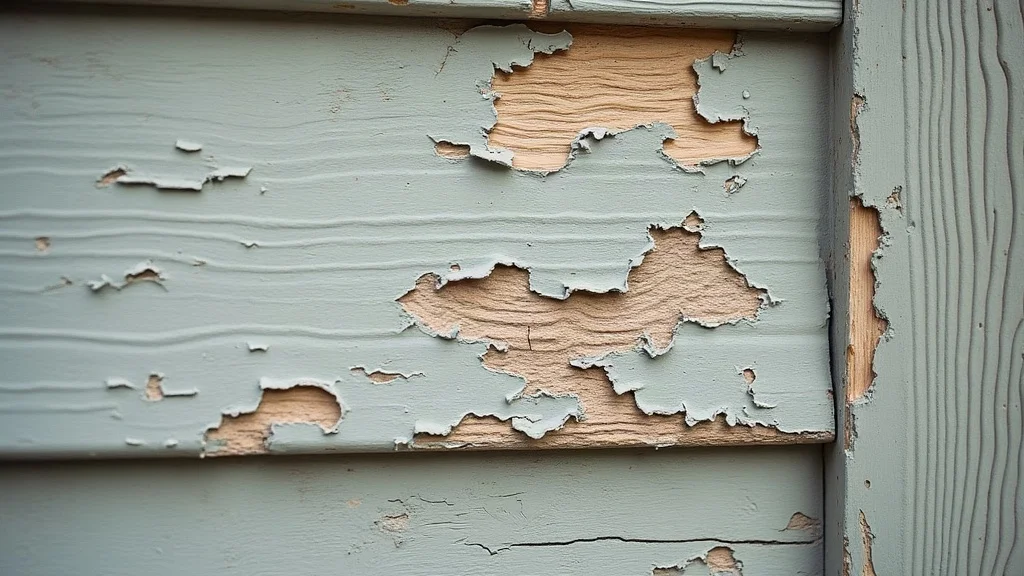
Close-up image of peeling and blistering exterior house paint, showing damage due to common exterior painting mistakes

How to Fix and Prevent Most Common Exterior Painting Mistakes

  • Expert maintenance tips from The Painting Pros

  • When to call a professional painter

If you notice issues like peeling, bubbling, or fading, start by correcting the root cause. Scrape away damaged paint, clean and sand problem areas, and always prime before repainting. Routine maintenance—like washing exterior walls annually and inspecting for cracks or water damage—prolongs the life of your paint job. When bigger issues arise or if you don’t have the time or tools for proper surface prep, call in professional painters like The Painting Pros. Professionals have the skills and experience to address hidden problems and produce work with lasting results that enhance your home’s value and beauty.

Checklist: Preventing Common Exterior Painting Mistakes

  1. Inspect and prep all exterior surfaces thoroughly

  2. Select high-quality exterior paint and primer

  3. Check weather forecasts before application

  4. Apply paint using correct tools and techniques

  5. Schedule regular maintenance and touch-ups

People Also Ask: Advice for Common Exterior Painting Mistakes

What are signs of a bad paint job?

  • Visible brush marks or roller ridges indicate rushed application or poor technique.

  • Peeling or bubbles forming under the paint signal inadequate surface preparation or incompatible products.

  • Stains or discoloration shortly after painting suggest poor cleaning or failure to address mildew and moisture issues.

  • Inconsistent color or sheen across surfaces is a hallmark of either insufficient mixing, coverage, or using low-quality paint.

What exterior colors not to use?

  • Very dark colors in sunny climates tend to fade quickly and may show surface imperfections.

  • Bright or trendy colors that may reduce resale value can make your home stand out for the wrong reasons.

  • Colors that clash with your neighborhood or home’s architectural style can detract from curb appeal.

What paint colors do homeowners most regret using?

  • Off-white shades that show dirt and stains and are difficult to keep looking fresh.

  • Unusual colors that don’t age well or become dated quickly.

  • Overly bright or trendy hues that lose their charm or don’t attract future buyers.

What is the most common reason for paint failure?

  • Poor surface preparation before exterior painting is the leading cause of peeling, bubbling, and cracking.

  • Using incompatible or low-quality paint products means your paint job won’t stand up to the elements or time.

FAQs: Solutions to Common Exterior Painting Mistakes

  • How long does an exterior paint job last if done correctly? A well-executed exterior paint job can last 7-10 years, depending on climate, surface material, and maintenance. Premium paints, proper surface prep, and careful application extend the life of your investment.

  • Is priming always necessary for exterior painting? Priming is crucial when painting new surfaces, bare wood, or making significant color changes. It improves paint adhesion and ensures more even, durable coverage.

  • Can you paint over old exterior paint, or should it be removed? You can paint over old exterior paint if the surface is in good condition: clean, sound, and firmly adhered. For chipping or peeling areas, removing loose paint and priming those spots is essential for a lasting result.

  • How do you avoid brush and roller marks on exterior paint? Use high-quality tools, maintain a wet edge, work in manageable sections, and don’t skimp on paint. Allow each coat to dry fully before recoating for a smooth, even finish.

Key Takeaways: Preventing the Most Common Exterior Painting Mistakes

  • Preparation is the secret to lasting exterior paint jobs

  • Select paint and colors carefully for climate and style

  • Professional painters bring added value and expertise

For Expert Help Avoiding Common Exterior Painting Mistakes, Call Us

  • Call us at (408) 868-2662 for free painting advice or to schedule your next exterior painting project with The Painting Pros

Ready for results you’ll love? Avoid the hassle and ensure your project’s success by reaching out to The Painting Pros for guidance on every step—from prep to finish.


LIfestyle

0 Comments

Write A Comment

*
*
Please complete the captcha to submit your comment.
Related Posts All Posts
08.26.2026

Unlock Your Best Runs with New Balance’s RC Collection: An In-Depth Review

Update Discover the Best Running Gear: My Experience with New Balance’s RC Collection As an avid runner and health editor, my long-standing connection to running gear is personal—every piece I choose impacts my performance and motivation. Recently, I had the pleasure of testing New Balance’s RC Collection, which promises not only impressive functionality but also a touch of style. After a week of rigorous testing in the sweltering summer streets of Manhattan, here's my day-by-day account of how these pieces stood up to the challenge. Testing Conditions: Running in Manhattan’s Summer New York City in the summer offers its unique set of challenges: the intense heat, humidity, crowded sidewalks, and unpredictable rain. I decided to put the RC Collection—a jacket, sports bra, and shorts—through their paces in these conditions. The week included a mix of shorter, easy runs and a tempo workout, where the weather would test the breathability and durability of each piece. My first run involved three easy miles around the Central Park reservoir, followed by several more runs throughout the week. Analyzing Performance: How Each Piece Holds Up The RC Bra provided the support I needed without feeling constrictive, allowing me to focus solely on my pace. It effectively utilized moisture-wicking materials to keep me dry during sweat-inducing runs, which is especially appreciated during the hotter months. The RC Shorts showcased upgraded features that ensure comfort and storage—a requirement for a runner forever on the go. They have deep pockets that can securely hold small items like keys or a phone, making them practical for any urban run. The RC Jacket was a star performer in the rain, keeping me dry while also being lightweight enough not to weigh me down during those warm runs. Interestingly, it has reflective elements too, which made me feel safer during early morning or evening runs when visibility is less than ideal. The Benefits of Style in Running Gear What I found refreshingly surprising was the balance of functionality and style in New Balance’s RC Collection. While the wearability during different weather conditions was essential, feeling good in what I wore translated directly into my performance. The aesthetic appeal of these pieces makes them versatile; I can comfortably transition to a post-run coffee date without changing. After so many runs, I felt confident in both my capabilities and my appearance. This intersection of style and practicality is essential in today’s active lifestyle, making a product more than just gear—but a part of our everyday life. Emotional Connection to Running: Beyond the Gear Running is not merely a physical activity; it’s deeply woven into my identity and serves as a creative outlet. Completing each run fuels my spirit while the right gear enhances that experience significantly. It's not just about the miles; it’s about the journey I take on every run, from the first step out of my door to the final stretch back home. Returning home from each session, I feel accomplished, excited to share my experiences and reflections with fellow runners. New Balance's commitment to creating gear that resonates with runners’ needs has created a brand that feels almost personal to me. Each run is an opportunity—not just to stay fit, but to connect with my surroundings, the city, and the community of runners. A Community of Runners: The Shared Experience Between the daily training and the warm community atmosphere of New York City, I often encounter fellow runners. Their stories inspire me, and it reinforces a sense of belonging among us. Running past iconic landmarks and through bustling neighborhoods makes every mile an experience to cherish. These shared moments—whether completing a challenging run or celebrating race days together—create a network of connection and support that amplifies the essence of running. Our conversations often revolve around gear, technology, and training tips, making my experience with the New Balance RC Collection an intriguing topic of discussion. It was rewarding to share my thoughts, fueling conversations about the importance of quality gear in our sport. The Future of Running Gear: What’s Next? As the running gear industry evolves, we can anticipate more brands focusing on the delicacies of fit, comfort, and style. The feedback loop that testers like me provide can influence how future collections are developed, signaling to brands that performance shouldn’t come at the cost of aesthetics. Innovations in fabric technology are on the rise, offering lightweight, moisture-wicking, and quick-drying materials that revolutionize comfort. Additionally, we see increased emphasis on sustainable manufacturing practices, which is promising for environmentally-conscious consumers. As we see more high-tech fabrics emerging and sustainable practices being adopted, I am optimistic about the future of running apparel. It’s thrilling to think that the next generation of running gear may feel even more in tune with our needs on the go. Conclusion: Why the Right Gear Matters In conclusion, New Balance’s RC Collection has proven to outperform expectations. The gear’s thoughtful design enhances not only physical performance but nurtures the emotional connection I hold to my running routine. For runners of all ages and abilities, investing in quality gear cannot be understated—it may just transform your runs from mundane to extraordinary. Quality apparel can minimize distractions, enhance comfort, and even elevate your mood, making the miles ahead more enjoyable. Remember, the best running gear is the gear you forget about. Find the perfect balance between functionality and style, and enjoy each step of the journey in both the concrete jungle and beyond.

08.21.2026

Unlocking Fiber’s Hidden Benefits: A Key Nutrient for Wellness

Update The Untapped Potential of Fiber: More Than Just DigestionDiving deeper into the role of fiber, it becomes clear that this underappreciated nutrient offers a plethora of health benefits beyond its widely recognized utility in digestion. Many individuals naturally associate fiber intake primarily with bowel health, but the scope of what fiber can influence extends into areas that touch nearly every aspect of wellness. From heart disease prevention to weight management, understanding fiber's full potential is crucial in today's health-conscious society. It's a nutrient that acts almost like a superhero in the world of nutrition, working quietly but effectively to support various bodily functions.Historical Context: A Nutritional OversightHistorically, fiber was scarce in the diets of early humans, coming primarily from fruits, vegetables, and whole grains. As processed foods became prevalent in the 20th century, fiber-rich foods gradually diminished from the average diet, leading to significant health repercussions. According to the Centers for Disease Control and Prevention (CDC), most Americans consume only about half of the recommended daily intake of fiber. This downturn in fiber consumption has been linked to a rise in various health issues, including obesity, diabetes, and coronary heart disease. Making a concerted effort to reclaim these age-old dietary habits can have significant health impacts. Incorporating more fiber can be a straightforward yet effective strategy for individuals seeking to improve their overall health.Social Connection: Why Fiber Matters TodayIn social and cultural contexts, understanding fiber's significance can foster community dialogues around healthier eating habits. As public awareness of dietary health increases, making fiber a centerpiece of conversation can empower individuals to share recipes, meal plans, and lifestyle tips centered around fiber-rich foods. This healthy exchange not only promotes better individual choices but could ultimately cultivate a culture of wellness within communities. For example, local farmers' markets can become vibrant centers for discussion about all things fiber—where to find fresh produce, how to cook it, and the health benefits it provides. Building community around such topics strengthens not only our diets but also our social bonds.Counterarguments: Challenging MisconceptionsWhile the benefits of fiber are global in context, a common misconception exists that vegetarian or vegan diets are the only way to achieve a fiber-rich intake. However, omnivores can also incorporate whole grains, legumes, nuts, and seeds into their diets to reap the advantages of fiber. Additionally, some people resist fiber due to concerns about bloating or discomfort. Educating about gradual fiber increases and hydration is essential to mitigate such issues. For many, the transition to higher fiber intake can be smoother when they gradually increase their consumption rather than making sudden changes. Encouraging more people to embrace this nutrient involves demystifying fiber and emphasizing its versatility.Future Predictions: Emphasizing Nutritional AwarenessLooking forward, the food landscape is shifting toward greater acceptance and demand for fiber-rich products. With the growing popularity of plant-based diets, food manufacturers are responding to consumer demands by fortifying products with additional fiber. Such trends signal a collective shift toward prioritizing overall nutrition and health. As more brands incorporate fiber into snacks, cereals, and even beverages, consumers gain easier access to this essential nutrient. This evolving landscape suggests a future where fiber is not merely an afterthought but a focal point in dietary planning.Practical Insights: Ways to Incorporate FiberIf you’re looking to increase your fiber intake, consider introducing more legumes like lentils and black beans into your meals, adding chia seeds to smoothies, or opting for whole grains such as quinoa and brown rice. Snacking on fruits and vegetables not only enhances fiber consumption but also boosts overall nutrient intake. Simple changes to your everyday dietary habits can lead to improved health outcomes, enhancing your quality of life. For instance, opting for a fiber-rich breakfast such as oatmeal or whole-grain toast can set a positive tone for your day. It's easy to make adjustments, like choosing whole fruits over fruit juices, which retain the fiber content vital for slowing down sugar absorption.Common Misconceptions: Debunking Fiber MythsMany still believe that increasing fiber intake must come from starchy foods like bread and pasta. In reality, vegetables, nuts, and seeds can dramatically improve fiber consumption while supplying your body with necessary vitamins and minerals. Moreover, people often think that fiber has to be consumed only through supplements; however, whole food sources can provide more than just fiber, offering a multitude of health benefits. Emphasizing this point can close the gap in understanding and help individuals make more informed dietary choices that align with their health goals.Emotional Angle: A Healthier TomorrowFor many, the journey toward a healthier lifestyle promises more than physical benefits—it can boost emotional wellbeing as well. Integrating fiber-rich foods into daily meals can lead to better digestion and prolonged satiety, thus programming the mind toward healthier eating habits. Furthermore, engaging with food on this level fosters a deeper appreciation for nutritional choices. Knowing that you’re making positive health choices can impart a sense of accomplishment and empowerment, motivating continual commitment to wellness. The psychological benefits of improving one's diet—such as enhanced mood and decreased anxiety—should not be underestimated.Conclusion: The Fiber ShiftAs we illuminate the often overshadowed nutrient that is fiber, it emerges as a crucial component of well-being, influencing everything from digestion to disease prevention. Educating ourselves and others on fiber's benefits opens doors to improved health outcomes and fortified community connections. Making a proactive choice to increase our understanding and consumption of fiber could very well lead to healthier tomorrows. So, why hesitate? Let's take up the mantle of fiber literacy and encourage a healthier nation, one meal at a time. The journey towards better health is a collective one, and the time is ripe for everyone to take part in this fiber-forward movement.

08.20.2026

Unlock Heart and Brain Health: Why Omega-3 Fatty Acids Matter

Update The Importance of Omega-3 Fatty Acids for Heart and Brain Health When it comes to nutrition, omega-3 fatty acids are gaining recognition for their profound impact on both heart and brain health. These essential fats, particularly found in fatty fish, are crucial not just for cardiovascular wellness but also play a significant role in cognitive function. Research highlights that two main types of omega-3s—EPA (eicosapentaenoic acid) and DHA (docosahexaenoic acid)—are tied to critical health outcomes, including reduced risk of heart disease and cognitive decline. Given the prevalence of heart disease and the risk of cognitive impairment as people age, understanding these nutrients is more critical than ever. Understanding the Link Between Omega-3s and Cardiovascular Health Heart disease continues to be one of the top health threats globally. Studies suggest that increasing omega-3 intake can potentially benefit cardiovascular health. Omega-3s help to regulate important factors such as triglyceride levels and inflammatory responses. They have been shown to assist in maintaining healthy blood vessel function, which is essential for optimal circulation. While they can’t single-handedly prevent heart disease, they contribute to a more comprehensive approach to heart health that involves a balanced diet, regular exercise, and healthy lifestyle choices. It's important to note that omega-3s are most effective when combined with other healthy habits, such as limiting saturated fats, avoiding tobacco, and managing stress. The synergistic effect of these lifestyle modifications can significantly enhance overall heart health. The Role of Omega-3s in Cognitive Decline Research also uncovers a compelling connection between omega-3 fatty acids and brain health. DHA, prominently found in brain structures, is essential for maintaining neuronal membranes, thus supporting cognitive functions. Observational studies have indicated that higher intake of omega-3s correlates with a lower risk of cognitive impairments, including Alzheimer's disease. However, results can vary widely based on numerous factors like age, genetics, and the amount of omega-3 consumed, highlighting the need for personalized dietary recommendations. It’s worth noting that while some clinical trials have shown positive effects of DHA supplementation for those with mild cognitive impairment, those with established Alzheimer’s disease may not experience the same benefits. This suggests that the timing of dietary intervention may be vital—the earlier one incorporates omega-3s into their diet, the more likely they may reap cognitive benefits. Recommended Intake of Omega-3 Fatty Acids Incorporating omega-3 into your diet can be straightforward, but many still fall short of the recommended intake. Fatty fish like salmon, mackerel, and sardines are excellent sources of EPA and DHA. For individuals who may not consume fish regularly, supplements are a viable option. It’s advisable to consult with a healthcare provider before starting any supplementation, particularly if there's a history of cardiovascular issues or if one is on blood-thinning medication. Moreover, the specific dosage may vary based on individual dietary habits and health conditions, making professional guidance crucial. Common Misconceptions About Omega-3 Fatty Acids Despite the growing awareness of omega-3 benefits, misunderstandings persist. One common misconception is that simply taking a supplement is sufficient for heart and brain health. While supplements can help, real food sources offer additional nutrients that maximize health benefits, such as vitamins and minerals that are often found in whole foods. Additionally, the human body may better utilize nutrients from food than from isolated supplements. Moreover, not everyone will experience the same advantages from omega-3 supplementation; the effectiveness can depend on various individual factors, including current health status, genetic predisposition, and overall diet. Therefore, it's essential to approach omega-3 intake with a nuanced perspective rather than relying solely on supplements. The Broader Impacts of Consuming Omega-3 Fatty Acids Beyond just heart and cognitive health, omega-3 fatty acids may provide a broader spectrum of benefits. They are thought to contribute to mental health, potentially reducing symptoms of depression and anxiety. Chronic inflammation, a contributor to multiple diseases, can also be mitigated by regular consumption of omega-3s, fostering overall wellness. Emerging research suggests that omega-3s may also support joint health and may play a role in reducing the risk of certain autoimmune conditions, illustrating their multifaceted health attributes. Making Informed Choices: Practical Tips To ensure you are getting enough omega-3s, consider these practical tips: Incorporate at least two servings of fatty fish into your weekly meals. This could be as simple as grilled salmon or mackerel, which are both easy to prepare. Opt for plant-based sources of omega-3s such as flaxseeds, chia seeds, or walnuts if you prefer a non-fish diet. They contain ALA (alpha-linolenic acid), another type of omega-3 that can promote heart health. Discuss omega-3 supplementation with healthcare professionals to determine the best approach for your unique needs. This can be particularly beneficial for those with specific health concerns or dietary restrictions. These actions not only bolster heart and brain health but also enhance your overall nutritional profile. Final Thoughts on Omega-3s for Health In summary, omega-3 fatty acids are not merely an addition to a healthy diet; they are essential components that contribute significantly to heart and brain health. As research continues to evolve, understanding how these nutrients interact with various health conditions will empower individuals to make informed dietary choices. Prioritizing omega-3s in your nutrition may lead to better health outcomes, especially as you age. Consider integrating more omega-3s into your daily meals to foster a proactive approach toward heart and brain wellness. Your future self will thank you for making these essential fats a priority in your diet.

Your guide to modern living—every day.

COMPANY

  • Privacy Policy
  • Terms of Use
  • Advertise
  • Contact Us
  • Menu 5
  • Menu 6

ABOUT US

Daily Lifestyle News explores the people, trends, and experiences that shape modern living. From home and style inspiration to travel tips and trusted product picks, it’s your go-to source for everyday life. Ideal for local voices and businesses in wellness, personal services, and home improvement.

© 2026 CompanyName All Rights Reserved. Address . Contact Us . Terms of Service . Privacy Policy

Terms of Service

Privacy Policy

Core Modal Title

Sorry, no results found

You Might Find These Articles Interesting

T
Please Check Your Email
We Will Be Following Up Shortly
*
*
*