
Imagine investing in a brand-new roof, only to discover preventable roof leaks or ventilation issues months later. Many homeowners don’t realize that a simple attic inspection before roof replacement can make the crucial difference between a reliable, long-lasting roof and ongoing roof problems. In this article, we’ll show you exactly how this overlooked step safeguards your home, your investment, and your peace of mind.
Understanding the Importance of Attic Inspection Before Roof Replacement
Many homeowners believe the condition of their attic is separate from the rest of their roofing system. This misconception often leads to unnecessary roof problems and costly repairs down the line. An attic inspection before roof replacement is essential because it uncovers hidden issues that might not be visible from outside or during a standard roof inspection. Problems such as improper insulation, moisture buildup, or weak structural components can all impact the success of your roof replacement project if not addressed ahead of time.
A thorough attic inspection is a critical step in the roofing process because it reveals the underlying conditions that could affect the performance and durability of your new roofing materials. By checking attic ventilation, insulation levels, and evidence of water entry, a roofing contractor ensures that the replacement project addresses the whole system—not just the visible surface. This holistic perspective can prevent future roof leaks, extend the life of your investment, and increase your home's energy efficiency.
There is a direct relationship between attic inspection and overall roofing system performance. Attic conditions such as trapped moisture or poor airflow can cause roofing materials above to degrade prematurely. By evaluating the attic before replacing your roof, you set the stage for a roofing system that performs at its best, withstands Central Texas weather, and protects your home for years to come.
Common misconceptions about attic inspection before roof replacement
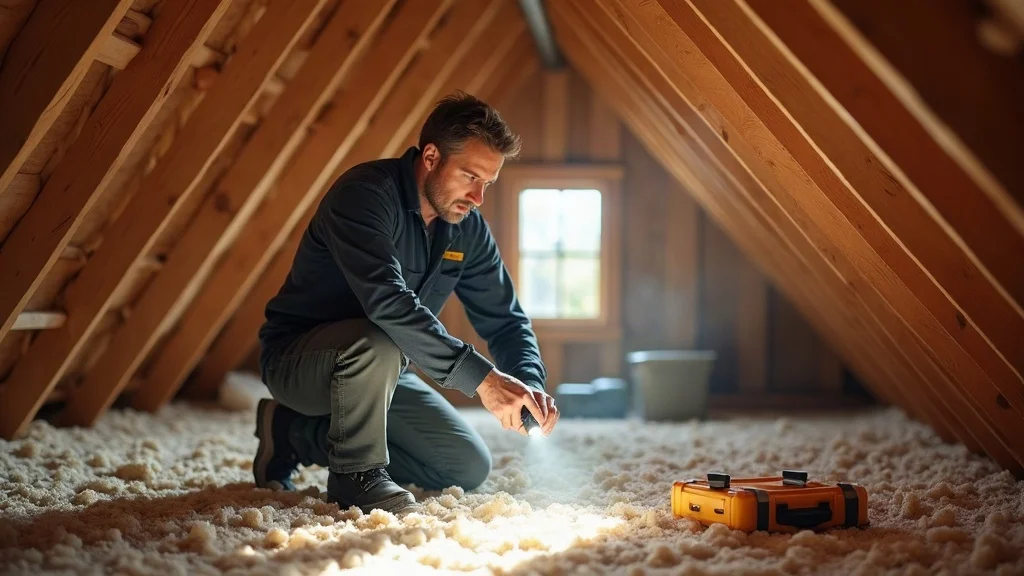
Why an attic inspection is a critical step in the roofing process
Relationship between attic inspection and overall roofing system performance
What You'll Learn About Attic Inspection Before Roof Replacement
How attic inspection before roof replacement impacts your roof's longevity
The connection between attic inspections, roof problems, and energy efficiency
Steps professional roofing contractors take during attic and roof inspections
The Risks of Skipping Attic Inspection Before Roof Replacement
Choosing to forgo an attic inspection before roof replacement can lead to costly and frustrating issues. Without a proper attic check, unseen roof problems—such as hidden roof leaks or areas of insufficient insulation—can go undetected until significant damage develops. Often, leaks or condensation may only become apparent during heavy rain, at which point repairs can be much more complicated and expensive. In some cases, what appears to be a minor surface issue may be a symptom of far deeper roofing system problems that compromise the entire replacement project.
Another critical risk involves the impact on roof performance and ventilation. Poorly ventilated attics contribute to premature aging of roofing materials and reduced energy efficiency, leading to higher utility costs and reduced comfort for homeowners. Failing to perform an attic inspection before roof replacement allows these issues to remain unaddressed, placing constant stress on new materials and causing them to deteriorate faster.
Additionally, skipping this step raises concerns regarding insurance coverage and warranty protection. Insurance companies often look for evidence of due diligence, such as comprehensive roof inspections and attic evaluations. If a leak appears or roof failure occurs after replacement and there is no documentation showing a thorough attic inspection, it could jeopardize warranty claims or coverage for repairs. By ensuring a full attic inspection before your roof replacement, you protect yourself from unexpected expenses and ensure your replacement project is built to last.
Unseen roof problems and potential hidden roof leaks
Impact on roof performance and ventilation
Insurance considerations and warranty issues
Step-By-Step Guide: Attic Inspection Before Roof Replacement
Preparation for a thorough attic inspection involves clearing access points and ensuring all lighting tools, cameras, and moisture meters are on hand. Roofing contractors start with a walk-through to identify obvious issues before conducting a more detailed review. They pay special attention to attic conditions, looking for signs of roof problems, insufficient insulation, or improper vent placement. The process also includes examining the attic for signs of water stains, mold, mildew, or pest infestations.
During the inspection, key elements are checked: insulation levels and type, air ventilation efficacy, moisture detection on wood and insulation surfaces, and the overall structural integrity. Any signs of sagging, cracking, or warping in beams and decking are photographed and noted. A comprehensive attic inspection before roof replacement also involves checking for rust around metal roofing components, missing vent covers, or gaps where pests might enter. These details are documented thoroughly, forming the evidence base for recommendations that follow.

Roofing contractors document attic inspections with photographs, written reports, and checklists. These documents support insurance or warranty claims and provide a clear understanding of any issues to be addressed prior to the roofing project. By following these steps, you ensure your roof replacement project is not only successful but that it also takes into account the entire roofing system for superior performance and longevity.
Preparation for a thorough attic inspection
Key elements checked: insulation, ventilation, moisture, and structural integrity
How a roofing contractor documents attic inspections
Signs in Your Attic That Indicate Roof Problems
Your attic holds valuable clues about the health of your roofing system. Moisture stains, mold, and mildew are all signals that a roof leak may have already begun. Even a small leak appears as a discolored spot or patch of mildew, which, if left untreated, can cause wood rot or deterioration in insulation. Mold and mildew thrive in damp, unventilated spaces, and their presence is a warning sign to address roof leaks before your new roof is installed.
Sagging boards or decking inside the attic point to deeper structural problems, potentially caused by prolonged exposure to moisture. These issues can compromise roof performance and should be corrected before any roof replacement project begins. Often, these symptoms are hidden from view during a basic exterior inspection, making an attic inspection before roof replacement crucial for preventive roof repair.
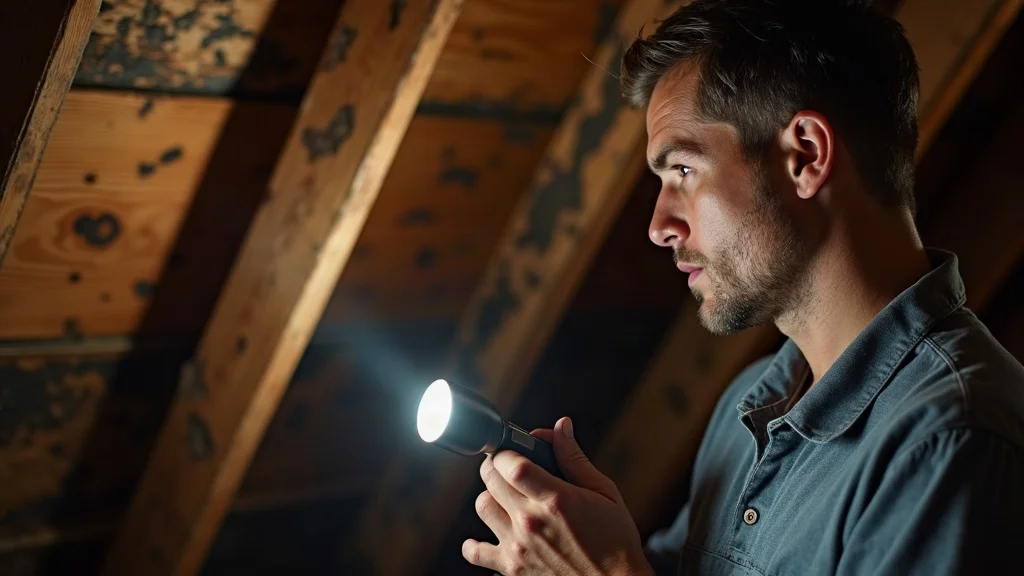
Light penetration—visible rays or pinholes of sunlight in your attic—signals missing or damaged shingles and gaps in roofing materials. These gaps allow water intrusion and reduce energy efficiency. Professional contractors use the attic inspection to identify these issues early, preventing ongoing roof problems and ensuring your new roof installation addresses all vulnerabilities.
Moisture stains, mold, and mildew as signals of roof leaks
Sagging boards or decking in the attic
Light penetration and its implications for roof repair
Benefits of Attic Inspection Before Roof Replacement
A comprehensive attic inspection before roof replacement helps prevent future roof repairs and costly leaks by identifying problems upstream. Discovering insulation gaps, poor ventilation, or hidden moisture early enables your contractor to fix underlying roof problems, ensuring your new roofing system is built on a solid, healthy foundation.
Enhanced energy efficiency is another significant benefit of attic inspections. Proper attic conditions help extend the life of the roofing system, lower utility bills, and create a more comfortable indoor environment. These inspections also lead to more accurate identification of roof performance issues, such as inadequate venting or hidden wood rot, so your investment delivers reliable results for years.
With the right contractor, attic inspections become an opportunity for tailored solutions. Roofing professionals use inspection results to recommend best-fit materials and installation methods, safeguarding both the roof's longevity and your home's overall performance.
Prevention of future roof repairs and roof leaks
Enhanced energy efficiency and roofing system lifespan
Accurate identification of roof problems and roof performance issues
Attic Inspection and Missouri Weather Considerations
The local climate in St. Charles, MO adds another layer of complexity to roof replacement projects. Rapid temperature changes, high humidity, and occasional severe storms put constant stress on both the roofing system and attic conditions. An attic inspection before roof replacement is crucial in this region because it addresses issues that could worsen under local weather patterns, such as excess moisture, attic heat buildup, or blocked vents.
Special considerations are necessary for metal roofing and ventilation systems in Missouri homes. Metal roofing conducts heat more readily than other materials and requires proper attic ventilation to avoid trapping heat or moisture, which can accelerate roof problems. Expert roofing contractors familiar with regional roofing systems know exactly what to look for during attic inspections, ensuring each residential roof is prepared for local conditions.
How the local climate affects attic inspections in Missouri
Special concerns for metal roofing and ventilation
Roofing contractor expertise with regional roof systems
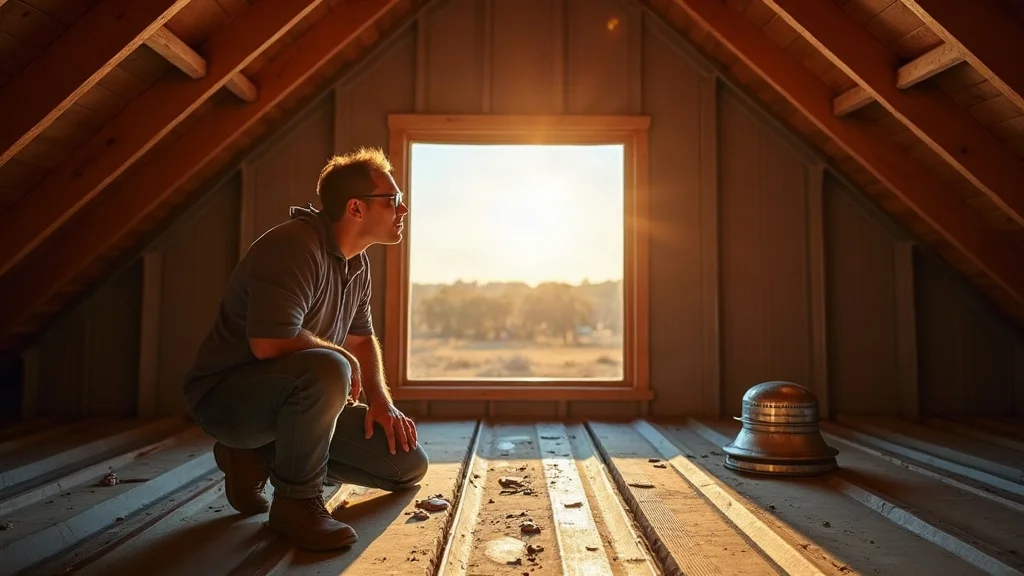
Metal Roof Installations: Unique Attic Inspection Needs
When installing metal roofing, attic inspection steps differ from those for traditional shingles. Inspectors must check for correct installation of insulation to avoid condensation under the metal roof, review all vent placements, and ensure the attic can handle temperature changes unique to metal roofing systems. Openings or gaps in insulation are especially problematic under metal roofs and can affect the roofing system's durability and rain defense.
Comparing attic inspections for different roofing systems, metal roofs demand more frequent checks for signs of rust, water trails, or improper venting. By adapting attic inspections to the specific requirements of metal roofing, your roofing contractor takes proactive measures that increase the longevity and performance of your new roof.
Specific attic inspection steps for metal roofing
Comparing attic inspections for different roofing systems
Roof Repair Versus Full Replacement: Role of Attic Inspection
Sometimes, attic inspections reveal minor roof problems that can be addressed with targeted roof repair instead of a full replacement. Issues like isolated leaks or contained wood damage can be fixed, saving you on unnecessary expenses and extending the life of your current roof. However, extensive issues such as widespread rot or compromised ventilation may point to the need for a complete replacement.
The decision to repair or replace is best made after a detailed attic inspection before roof replacement. A reputable contractor will explain what was found, present repair options, and recommend the most cost-effective and reliable choice for your home's roofing system.
When attic inspections reveal hidden roof repair priorities
Decision making for repair or reroofing based on attic inspection
Working with a Professional Roofing Contractor for Attic Inspection Before Roof Replacement
Choosing the right professional is just as important as conducting the inspection itself. Look for a roofing contractor with excellent local reputation, positive customer reviews, and proven expertise in attic inspections. A reputable contractor should be transparent, willing to answer your questions, and should show certifications, such as ShingleMaster by CertainTeed®, to demonstrate knowledge in proper roofing products and installation.
During your attic and roof inspection, key questions to ask include: What types of attic conditions are you looking for? How do you document findings? What roof repair or upgrade recommendations follow the inspection? Make sure your contractor is licensed, bonded, and insured, so you are protected throughout your roof replacement project. Their certifications and experience mean your new roof is installed to the highest standards and tailored for long-lasting performance—even under the demanding weather patterns of Southern Missouri.
Qualities of a reputable roofing contractor
Questions to ask during the attic inspection and roof inspection process
Certifications and experience: Why they matter
Table: Comparison of Attic Inspection Steps Versus Skipping Inspection
With Attic Inspection |
Without Attic Inspection |
|---|---|
Uncovers hidden roof problems before they escalate |
Problems like leaks or rot remain hidden and get worse |
Enables proper ventilation and insulation adjustments |
Poor attic conditions undermine new roof performance |
Protects manufacturer warranty and insurance claims |
Possible jeopardy of coverage due to insufficient documentation |
Extends the life of your new roofing system |
Early roof repairs or replacement may be needed |
Quote: Insights from a Certified Roofing Contractor
‘A thorough attic inspection before roof replacement ensures that your new roof is built on a solid foundation. Neglecting this step can lead to ongoing roof problems and unexpected repair costs later.’
Lists: Red Flags in Your Attic That Demand Immediate Roof Inspection
Water stains or mold on attic rafters
Animal nests or signs of infestation
Damaged insulation or unusual heat/cold spots
Cracking, sagging, or warped wood
People Also Ask: Do roofers inspect attics?
Roofers should perform an attic inspection before roof replacement to ensure a comprehensive understanding of the underlying roof issues and ventilation. This step helps them identify potential problems such as hidden leaks, inadequate insulation, or poor ventilation—issues that could undermine a roof replacement project if not addressed.
People Also Ask: What will fail a roof inspection?
Common failures during a roof inspection include damaged shingles, insufficient attic ventilation, signs of water damage, and poor insulation—all detectable during a thorough attic inspection before roof replacement. Unaddressed attic problems can cause new roofing systems to deteriorate rapidly or void manufacturer warranties.
People Also Ask: What not to say to a roof insurance adjuster?
Avoid speculating about roof age or admitting fault during discussions with a roof insurance adjuster; rely on your roofing contractor’s attic inspection before roof replacement to provide objective evidence. Objective assessments and documentation are your best support for claims and warranty coverage.
People Also Ask: How much is an attic inspection?
The cost of attic inspection before roof replacement can vary, but reputable roofing contractors generally include this as part of their comprehensive roofing system evaluation. Always ask if this service is standard and request a detailed written report following the inspection.
Frequently Asked Questions about Attic Inspection Before Roof Replacement
Why is attic inspection before roof replacement necessary?
Attic inspections identify hidden conditions that could compromise the success of your reroofing, such as leaks, poor ventilation, or insulation gaps.How do attic inspections prevent roof leaks?
By identifying and correcting moisture problems before new materials are installed, attic inspections keep leaks from reappearing under your new roof.What happens if roof problems are found during an attic inspection?
The contractor will document all issues and recommend targeted roof repair or materials upgrades prior to proceeding with the replacement.How often should attic inspections be conducted if I have a metal roof?
At least annually, and before any replacement or major repair, due to unique moisture and temperature considerations with metal roofing systems.Can attic inspections improve energy performance in Missouri homes?
Yes! Identifying ventilation or insulation issues reduces attic heat and lowers energy bills, especially critical in Central Texas climates.
Key Takeaways Are Essential for Proper Attic Inspection Before Roof Replacement
Attic inspection before roof replacement is vital for avoiding hidden roof problems.
Proper attic inspections by a certified roofing contractor increase the lifespan of your new roof.
Reliable attic inspections are a sign of trustworthy, full-service roofers.
For Trusted Roofing Service, Schedule Your Attic Inspection Before Roof Replacement Today
Contact us at https://briandawsonroofing.com/contact/ or call us at (636) 465-9465 for your professional attic inspection before roof replacement.
Conclusion: Attic inspection before roof replacement isn’t just important—it’s essential. Take proactive steps now with a certified, local roofing contractor to ensure your next roof is built to last.




Write A Comment