Your guide to modern living—every day.

  • Home
  • Categories
    • Wellness
    • Home and Garden
    • Work and Life
    • Travel
    • People and Style
    • Living Spaces
August 18.2025
1 Minute Read

What Are the Benefits of Selling Your RV Privately vs. Through a Dealer?

Have you ever wondered if selling your recreational vehicle privately could be more rewarding than trading it in at a dealership? With the growing popularity of private RV sales, particularly through platforms like RV Wheeler, the traditional dealer trade-in option is being challenged. This article uncovers the compelling private RV sale benefits that can put more money into your pocket, give you greater control over your sale, and offer a transparent and hassle-free experience. Join us as we explore why savvy RV owners are choosing private sales over dealers.

Opening Hook: Why Consider a Private RV Sale Instead of Going Through a Dealer?

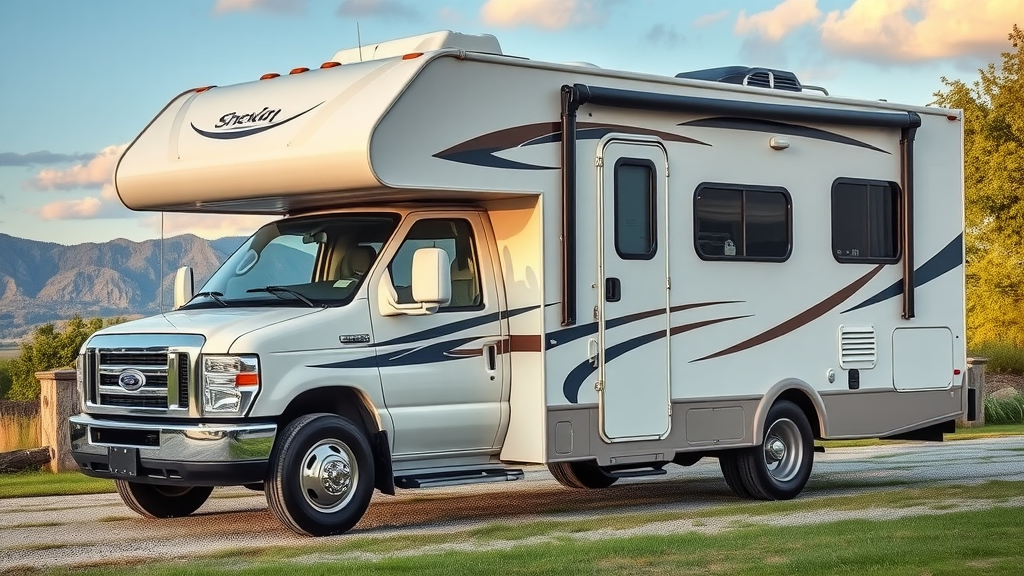
Private RV sale benefits over dealer sales at a bustling dealership lot

The allure of convenience often draws RV owners straight to dealerships for trade-ins, but is convenience worth potentially thousands of dollars lost in the process? What if there was a way to guarantee a fair retail price, avoid dealer fees, and maintain full control of your sale—all while reaching qualified buyers without lifting a finger to advertise? The answer lies in the rising trend of private RV sale benefits , where owners bypass traditional dealers and optimize their sale experience. Let’s unpack why this alternative is transforming RV selling in remarkable ways.

Understanding Private RV Sale Benefits: What Makes Private Sellers Stand Out

  • Higher sale prices compared to dealer trade-ins
  • Direct control over the sale process
  • Transparency and trust between buyer and seller
  • Avoiding dealer fees and commissions
Daryl Jensen, of RV Wheeler , explains, "We can guarantee a private seller of a recreational vehicle up to 50% more cash than a dealer. That’s a lot of money."

Selling your RV privately offers undeniable financial advantages. Unlike dealer trade-ins, where you often receive a wholesale or undervalued price, private sales capitalize on fair market retail pricing. Additionally, the private RV sale benefits include the ability to manage when and how you interact with buyers, fostering a trustworthy transaction environment. Eliminating middleman fees or hidden dealer commissions means that the proceeds from your sale genuinely belong to you, making private selling a smarter financial decision.

How RV Wheeler’s Retail-to-Retail Model Enhances Private RV Sales

Daryl Jensen from RV Wheeler facilitates private RV sale benefits using the retail-to-retail model

At the forefront of revolutionizing private RV sales is RV Wheeler’s innovative retail-to-retail business model. As Daryl Jensen, the founder of RV Wheeler, describes, this model leverages banking data to set fair retail prices that reflect true market value, rather than the artificially low trade-in figures offered by dealers. RV Wheeler not only pays for nationwide advertising but also pre-qualifies potential buyers to ensure serious and cash-ready shoppers. This approach protects sellers from lowball offers and unnecessary hassle, highlighting the superior private RV sale benefits of this system.

Comparing Private RV Sales and RV Dealers: Key Differences and Advantages

Aspect Private RV Sale RV Dealer Sale
Pricing Fair retail price guided by bank data Often wholesale or trade-in prices
Control Seller manages appointments and negotiations Dealer controls the sale process
Advertising RV Wheeler pays for extensive advertising Dealer advertising included in fees
Buyer Qualification Buyers are pre-qualified with cash in hand Varies, often less transparent
Commission 5% paid by buyer, no cost to seller Dealer fees often higher and deducted from seller’s proceeds

High-quality RV representing private RV sale benefits in a well-maintained condition

A side-by-side comparison demonstrates that private RV sale benefits extend beyond mere pricing. Sellers retain control over negotiations and scheduling, eliminating the frustration of dealer-imposed conditions. Advertising costs are borne by RV Wheeler, sparing sellers from upfront expenses. Moreover, pre-qualifying buyers ensures that only serious purchasers engage, reducing wasted time. While dealer commissions can be higher and hidden, the private sale commission is transparent and paid by the buyer, further enhancing seller profit margins.

Expert Insights: Why Private Sellers Benefit from RV Wheeler’s Unique Approach

According to Daryl Jensen, "Our business model shares some of the gross profit that the retail business model makes with both the buyer and the seller. We are fair because we use a third party for pricing, and we care because we don’t get paid until the RV sells."

How RV Wheeler Qualifies Buyers to Protect Private Sellers

RV Wheeler’s rigorous buyer qualification process is a cornerstone of the private RV sale benefits offered to sellers. Daryl Jensen emphasizes that buyers come prepared with funds, having done thorough research and decided on the RV that fits their needs and budget. This vetted buyer system protects sellers from tire kickers, scammers, or unqualified purchasers, providing peace of mind and a smoother sales experience. By handling the vetting, RV Wheeler saves sellers from frustrating and fruitless inquiries common in traditional private listings.

Common Challenges in RV Dealer Sales That Private RV Sale Benefits Address

  • Lowball offers and undervaluing trade-ins
  • Limited transparency on pricing and fees
  • Inconvenient buyer-seller interactions
  • Dealer inventory bottlenecks and service department delays

Frustrated RV owner experiences challenges resolved by private RV sale benefits

Selling through a dealer is often fraught with challenges that include low trade-in offers and a lack of transparency about fees, which ultimately reduce the seller’s profits. Buyers and sellers frequently face inconvenient timing and strained communications during dealership sales processes. Additionally, dealers sometimes suffer from inventory bottlenecks that delay sales and servicing. The private RV sale benefits offered by platforms like RV Wheeler directly address these pain points, creating a fairer, more efficient transaction environment.

Actionable Tips for Private Sellers to Maximize Their RV Sale Benefits

  • Use professional advertising platforms like RV Wheeler to gain greater exposure
  • Ensure all RV documentation and maintenance records are complete and ready
  • Set a fair retail price based on trusted third-party data
  • Qualify buyers before scheduling viewings to save time
  • Leverage RV Wheeler’s 100% no-cost-to-seller service for an effortless sale

Happy RV owner and buyer celebrating successful private RV sale benefits

If you decide to sell your RV privately, taking steps like leveraging RV Wheeler’s advertising platform and preparing thorough documentation can optimize your success. Pricing your RV based on reliable third-party data ensures realistic and attractive expectations. Qualifying buyers in advance helps avoid no-shows or unserious inquiries. By following these tips, you amplify the private RV sale benefits , ensuring a higher sale price and a hassle-free, positive experience.

People Also Ask: Frequently Asked Questions About Private RV Sale Benefits

Can you get an RV loan for a private sale?

Yes, RV loans are available for private sales, though the process differs slightly from dealership financing. Buyers typically work with lenders who finance used RV purchases, including those sold privately. It’s important for sellers to verify buyer pre-approval or proof of funds to safeguard the transaction.

How do I protect myself when selling my RV privately?

To protect yourself, use platforms like RV Wheeler that pre-qualify buyers and handle advertising professionally. Always meet buyers in safe, public locations, verify payment methods thoroughly, and complete all paperwork correctly, including title transfers, to avoid future liabilities.

How to avoid sales tax on RV purchases?

Sales tax regulations vary by state. In many states, sales tax is applicable in private sales just as in dealer sales. Consulting a tax professional or local DMV can help ensure you comply with state laws and identify any potential exemptions.

What to know when buying an RV from a private seller?

Purchasing from a private seller means a closer look at the RV’s condition and history is essential. Request maintenance records, verify the title is clean, and if possible, have the RV inspected by a professional. The private RV sale benefits include often better pricing and direct communication with the owner, enabling clearer answers about vehicle history.

Key Takeaways: Why Private RV Sale Benefits Make It the Preferred Choice

  • Private sales often yield higher returns for sellers
  • Buyers gain equity by purchasing below average retail price
  • RV Wheeler’s model ensures qualified buyers and fair pricing
  • Sellers maintain control and avoid dealer hassles
  • The service is no cost to sellers, with commission paid by buyers

Conclusion: Embracing Private RV Sale Benefits for a Fair and Hassle-Free Experience

The decision to sell your RV privately versus through a dealer can significantly affect your financial outcome and overall satisfaction. The private RV sale benefits include higher sales prices, the empowerment of controlling your sale, transparent dealings, and a smoother process free from the common frustrations of dealership trade-ins. Daryl Jensen of RV Wheeler encapsulates this by stating, “If you're not dealing with us, you're not getting what your RV is worth.” Embracing private sales through trusted platforms is an intelligent step toward maximizing your RV investment and enjoying a hassle-free selling experience.

Call to Action

Ready to unlock the full potential of your RV sale? Visit RV Wheeler today and discover how their expert retail-to-retail sales model can bring you a fair price, qualified buyers, and a stress-free process—all at no cost to you as the seller. Don’t settle for less—get the value your RV deserves!

LIfestyle

0 Comments

Write A Comment

*
*
Please complete the captcha to submit your comment.
Related Posts All Posts
11.22.2026

Unlock the Magic of landscape design principles Today

Ever wondered how professional landscapes turn ordinary yards into inspiring outdoor sanctuaries? Landscape design principles are the secret! Whether you’re dreaming of an elegant front yard, an inviting patio space, or a lush backyard retreat, mastering these principles lets you unlock the potential of your entire outdoor area. Let’s discover the secrets that make every well-designed landscape feel magical.Discover What You'll Learn About Landscape Design PrinciplesFundamental landscape design principles every homeowner should knowKey elements of landscape design and their real-world applicationsSustainable landscape design and eco-friendly choicesExpert tips and techniques for effective landscape planningPractical answers to common questions on landscape design principlesUnderstanding the Core Landscape Design PrinciplesTo begin building your knowledge of landscape design principles, it’s vital to understand the foundational concepts that landscape architects and garden designers use. These principles—such as balance, unity, proportion, focal points, and repetition—work together to shape outdoor environments that feel both functional and beautiful. Instead of focusing on individual plants or features first, these guiding principles ensure the garden as a whole achieves visual harmony and cohesiveness. When applied correctly, even a modest backyard can look polished and inviting, welcoming both family and guests to linger outside.Understanding these concepts not only helps you plan aesthetically pleasing spaces but also maximizes the usability of your landscape. For beginners, learning the difference between landscape elements (the physical things you put in a garden) and principles (the “rules” that tie these things together) provides clarity. These principles set the framework that ensures your plantings, hardscapes, and pathways all contribute to a cohesive look rather than feeling random or disconnected. Whether you are planning a fresh garden bed or doing a complete property makeover, start with these time-tested ideas in mind.Balance, Unity, and Proportion in Landscape Design PrinciplesBalance ensures that both sides of your landscape feel equally weighted—this can be achieved with symmetry (mirror-image planting on either side of an entryway) or asymmetry (carefully composed clusters that look balanced despite not being identical). Unity is all about creating a garden where everything feels like it belongs. This may be accomplished by repeating similar plants, colors, or textures throughout, or by maintaining a consistent design theme, tying every part of your garden together. Finally, proportion is the relationship between the size of elements in your yard—making sure that plant heights, bed widths, and feature dimensions all feel right in relation to each other and to your home.Applying the principles of balance, unity, and proportion helps avoid chaos and clutter, guides the eye gracefully across the property, and makes spaces more comfortable to use. Whether designing a stately entryway or adding beds to a backyard, these landscape design principles pave the way for a pleasing and functional outdoor aesthetic. Over time, applying these concepts will make your landscape appear intentional rather than accidental—a hallmark of excellent design.The Role of Focal Points and Repetition in Landscape Design Principles"A successful landscape relies on the seamless integration of design principles and creativity to foster both beauty and function. " - LaBarge LandscapeFocal points act as magnets for the eyes in your garden, drawing visitors toward a special tree, water feature, sculpture, or flowering bed. Effective landscape design principles use focal points strategically to avoid overwhelming the viewer or making the design feel haphazard. By ensuring there is a clear place for the eye to rest, focal points provide a sense of intention and help organize the space. Repetition, on the other hand, uses recurring colors, shapes, or elements to create a cohesive rhythm throughout outdoor spaces, establishing a predictable flow that unites different garden areas.This approach not only adds visual stability but also ties together areas that might otherwise feel disjointed. Consider how a repeating row of shrubs can subtly connect the front and back of your property, or how clusters of the same annual flowers can punctuate beds along a winding path. Combined, focal points and repetition give your garden structure while ensuring there’s still plenty of room for personal style.Essential Elements of Landscape Design and How They WorkWhile landscape design principles provide the framework, the elements of design are the building blocks that bring your vision to life. Think of elements like color, texture, line, form, and scale—each serves as a tool for expressing creativity and achieving desired effects. By understanding how these elements work in harmony with design principles, you unlock the ability to customize every aspect of your garden to reflect your taste, suit your lifestyle needs, and accentuate your home’s architecture.Skillfully combining elements with principles results in a landscape that’s as functional as it is beautiful. Choosing bold colors in certain areas can draw attention or create excitement, soft textures can lend a sense of calm, and well-placed lines direct movement throughout the yard. Emphasizing these fundamentals allows even the most inexperienced gardener to achieve impressive results.Color, Texture, and Line: Elevating Outdoor Space with Landscape Design PrinciplesColor can be used to create mood, highlight focal points, or unify garden beds. Warm colors like red, orange, and yellow can energize a space, while cool tones like blue and green encourage tranquility. Texture—the “feel” of plants and materials—ranges from fine and delicate (think ornamental grasses) to coarse and bold (large hosta leaves or stone mulch). When thoughtfully combined, texture brings subtle richness and depth. Lines are the invisible pathways the eye follows—a gently curving walkway, a straight row of shrubs, or an arched trellis. Each guides movement, frames views, and helps structure the whole scene.In practice, these elements lend landscapes personality and distinction. You might use clusters of feathery grasses to soften hard edges, repeat drifts of colorful perennials to pull the eye through space, or select variegated foliage to add year-round interest. Layering different textures and shapes, while guiding sightlines and movement, is a surefire way to move from average to extraordinary landscape design.Landscape Architecture Basics for BeginnersWhen learning about landscape design principles, it helps to familiarize yourself with the basics of landscape architecture. This field isn’t only about plants—it’s about site analysis, grading, drainage, accessibility, and even selecting long-lasting materials. For beginners, landscape architecture starts with observing the property: note sunlight, wind, slope, soil type, and views both to and from the space. Next, define essential goals: maximize privacy, create entertaining areas, or improve curb appeal. By integrating design elements like pathways, patios, and plantings with clear intent, you’ll ensure every part of your landscape serves a function and looks great.Don’t overlook sustainability and long-term maintenance. Choose native plants that thrive in your climate, opt for permeable paving where possible, and consider how rainwater might flow through your yard. These beginner-friendly techniques rooted in established design principles help avoid common mistakes and produce results you’ll enjoy for years to come.ElementDescriptionExample in PracticeColorThe visual impact of plant blooms, foliage, and materialsUsing purple and gold flowers to highlight entrance bedsTextureThe tactile and visual “feel” created by plants or materialsMixing fine grasses with broad-leafed hostas for contrastLinePaths or boundaries the eye naturally followsCurved stone walkways leading to a patio retreatFormThe shape and structure of plants and hardscapesSpherical boxwood shrubs flanking a straight walkwayScaleThe size relationship between all elementsTall shade trees balanced with small groundcoversGarden Design Concepts: Transforming Ideas into RealityTransforming inspiration into a beautiful yard starts with a few powerful garden design concepts. Whether you’re envisioning a cozy courtyard or a sprawling backyard escape, these concepts—rooted in landscape design principles—are what turn sketches into thriving, lived-in spaces. At the heart of successful design lies careful observation, creative interpretation, and step-by-step implementation.Before breaking ground, study how light changes throughout the day, observe wind patterns, measure the slope, and pick focal views. Thoughtfully chosen anchors (patios, pergolas, specimen trees) create structure, while flexible borders and accents bring in creativity and fun. The best landscapes are continually adapted as plants grow and family needs change, making initial planning crucial for lasting success.Top Landscape Design Techniques to Enhance Outdoor SpacesSome of the most effective landscape design techniques center around simplicity, rhythm, and variety. For example, grouping plants in odd numbers often appears more natural and pleasing than even-numbered clusters. Mixing plant heights, foliage colors, and bloom times ensures year-round interest. Adding elevation changes—such as berms or raised beds—introduces subtle drama and draws attention. Decorative hardscape elements like stone walls, walkways, or water features reinforce site lines and frame plantings.Even small adjustments, such as adjusting the width of pathways or positioning seating areas to capture sunset views, yield dramatic improvements in comfort and aesthetics. By using a mix of repetition and contrast, you’ll highlight your favorite features and make the whole area feel inviting. Remember, your landscape is a living canvas, constantly evolving and offering every homeowner the chance to express their unique vision.Incorporating Principles of Outdoor Space Planning for Lasting ImpactSite analysis for optimal design outcomesIntegrating hardscape and softscape elementsCreating visual movement and interestEfficient outdoor space planning uses landscape design principles for appealing and long-lasting results. Begin with a thorough site analysis, noting features worth highlighting, problematic areas, and key views. Think of design as a blend of structured “hardscape” (walks, patios, stonework) and “softscape” (plants, lawns, flower beds)—an ideal garden harmonizes these two elements. Arranging pathways and planting beds to guide people naturally from one space to another enhances both visual interest and usability.Aim to keep movement through your property intuitive and engaging. This might mean adding a curving walkway through garden beds or using specimen trees as visual anchors along routes. Above all, prioritize functionality alongside aesthetics—thinking about how every area will be used—and ensure there’s always a reason to linger and enjoy the outdoors.Making Sustainability a Priority in Landscape Design PrinciplesModern landscape design principles emphasize sustainability just as much as beauty. Sustainable practices conserve water, reduce maintenance demands, support local wildlife, and minimize chemical inputs. More than a trend, it’s a strategy for creating landscapes you’ll love for years—without harming the planet. Whether your yard is large or small, eco-friendly choices benefit both you and the environment, promoting resilience and long-term enjoyment.Simple changes—like altering plant selections, conserving resources, or reducing turf—result in significant ecological gains. Environmentally sensitive designs also often prove easier (and cheaper) to maintain in the long run, adding practical value beyond their visual impact. As climate conditions become more unpredictable, prioritizing resilient plantings and smart water use is increasingly important.Practical Steps for Sustainable Landscape DesignBegin your sustainable journey by learning which native or climate-adapted plants thrive with minimal irrigation and maintenance in your area. Reduce water waste with drip irrigation, rain barrels, or permeable hardscapes that return rainwater to the soil instead of runoff. Composting yard and kitchen waste creates nutrient-rich soil while reducing landfill use. Mulch garden beds to conserve moisture, suppress weeds, and moderate soil temperature.Consider planting shade trees near your home’s south or west side to lower cooling costs, or install a pollinator garden to benefit bees and butterflies. Even swapping out a portion of the lawn for low-growing groundcovers or drought-tolerant plants makes a substantial difference for both curb appeal and the environment.Environmental Landscape Design: Eco-friendly Ideas"Sustainable landscape design not only preserves natural resources but elevates the long-term beauty and usability of your yard. "Keys to environmentally friendly landscape design include using local materials, minimizing chemical fertilizers and pesticides, and integrating wildlife-supporting plants. Group plantings by water needs (a process called hydrozoning) to further reduce resource waste. Choose permeable pathways like gravel or decomposed granite to lower surface runoff. Install rain gardens in low spots to filter pollutants and recharge groundwater. By embracing these ideas, your yard can become both a backyard refuge and a haven for wildlife—all while keeping maintenance manageable.Long-term, eco-conscious landscapes prove more resistant to pests, save money, and adapt more easily to the changing seasons. By embedding sustainability into your landscape design principles, you shape a garden that benefits nature and your household alike.Landscape Aesthetics: Bringing Visual Harmony to Outdoor SpacesVisual harmony is the mark of great landscape design—each part of the garden should feel intentional and connected, never random or cluttered. Approaching your landscape with aesthetics in mind means not only selecting attractive plants but also focusing on how each part of the landscape interacts with others. Thoughtful color schemes, seamlessly integrated architecture, and careful balance between open and planted areas help every outdoor space appear well-tended and welcoming.When striving for landscape aesthetics, allow time for your design to evolve. Many successful gardens blend bold areas of color with textural foliage and create inviting transitions between formal and informal plantings. The best landscapes anticipate how light shifts throughout the day, ensuring the garden’s best features shine at sunrise, midday, or dusk.Principles for Achieving Perfect Landscape AestheticsChoosing plants for color and year-round interestBlending architecture and nature seamlesslyBalancing open spaces with planted areasTo achieve ideal aesthetics, select trees, shrubs, and perennials with staggered bloom times and attractive foliage so your garden offers beauty across all seasons. Accentuate your home’s style—contemporary, cottage, or traditional—by matching plant shapes and arrangements to the building’s lines. Strive for a balance between “negative space” (lawns, patios, or gravel) and “positive space” (flower beds, shrubs, and trees) to prevent overcrowding and let design features stand out.Remember: visual harmony is a journey, not a destination. Update and edit your garden regularly, swapping out older plants, adjusting borders, or experimenting with new textures to keep your landscape feeling fresh and vibrant.Expert Landscape Design Tips for HomeownersEvaluate your site’s strengths and weaknessesStart with a clear concept and themed designPlan for growth and maintenanceIncorporate sustainable featuresConsult a landscape professional if neededGreat design starts with honest observation. Assess sun, wind, existing plants, and natural elevations before sketching out plans. Identify which views to highlight and which to screen, and create zones for different uses. Maintain flexibility as you choose a design theme—modern, rustic, or native—so you can adapt ideas as your needs change. Always plan for mature plant sizes and future maintenance: overcrowded beds are hard to manage, and you want plants to thrive for years to come. Sustainable features, from low-water plants to permeable pavers, add lasting value. And if you ever feel overwhelmed, even a quick consult with a landscape pro can streamline your process and prevent costly mistakes.People Also Ask: Answering Common Landscape Design Principles QuestionsWhat are the 7 principles of landscape design?AnswerThe 7 core landscape design principles are balance, unity, proportion, rhythm, emphasis (focal points), sequence, and simplicity. Each principle guides aspects of design—from choosing plants and arranging features, to establishing clear lines, repeating patterns, and keeping layouts uncluttered. Mastering these principles produces outdoor spaces that are both beautiful and practical.How do landscape design principles differ from landscape elements?AnswerPrinciples are the “rules” of good design: the guidelines for creating pleasing, functional, and cohesive spaces. Elements are the building blocks—like color, line, texture, and form—that designers use to express creativity within those guidelines. Successful landscapes integrate both, with elements used purposefully and principles ensuring the whole garden works harmoniously.How can I incorporate sustainable practices into my landscape design principles?AnswerTo use sustainable practices, start by selecting native or drought-tolerant plants, group them by their water needs, and use mulch or compost to build healthier soils. Integrate permeable paths and patios, capture rainwater, limit chemical pesticides, and provide habitat for pollinators. Sustainability embedded in landscape design principles will boost your garden’s resilience and reduce its environmental impact.Frequently Asked Questions about Landscape Design PrinciplesWhat is the first step in applying landscape design principles?Are there resources for learning more about landscape design techniques?How do landscape aesthetics influence property value?What is the difference between sustainable and traditional landscape design?Key Takeaways: Applying Landscape Design Principles for Stunning ResultsLandscape design principles form the foundation of any successful outdoor projectUnderstanding and blending elements of landscape design enhances both function and beautySustainable landscape design benefits the environment and your property long-termEven small changes guided by core principles can have a big impactReady to Transform Your Outdoor Space?Contact LaBarge Landscape at https://labargelandscape.net/contact-us/ or call us at (505) 345-3000 for personalized guidance on landscape design principles.


11.15.2026

Don't Make These Costly Mistakes to Avoid in Home Layouts

Imagine moving into your dream home, only to find that daily routines feel cramped and disjointed. From awkward kitchen corners to insufficient storage, small oversights in your home’s layout can quickly become everyday frustrations—robbing your space of both function and luxury. The good news? With the right planning and expert advice, you can easily sidestep the most common mistakes to avoid in home layouts and create a living environment that elevates comfort, beauty, and livability. This article reveals the most critical pitfalls and arms you with expert strategies for a flawless home design.Scenario: How Small Errors in Home Layouts Can Impact Daily LivingEven the most beautiful houses can feel unwelcoming if the layout misses critical details. Picture stepping into a modern luxury home with breathtaking finishes—yet, the flow between kitchen, dining, and living areas feels awkward, making hosting awkward and everyday living a challenge. We’ve all experienced homes where doors collide, hallways feel like afterthoughts, or storage is impossible to find. These seemingly minor mistakes stem from overlooked space planning tips and lack of professional input during the design process. What might seem like a small oversight during construction could—over time—become an ongoing irritation that impacts daily routines and the overall enjoyment of your home.In high-end custom builds, layout errors not only disrupt lifestyle but also undercut the luxury aesthetic that homeowners seek. Inadequate lighting, missing privacy zones, and poorly arranged furniture can transform opulence into inconvenience. Functional home design in luxury properties means every detail is considered—from how light pours through the windows to the subtle ways rooms connect. This attention to layout is just as important as high-end finishes. By learning what mistakes to avoid in home layouts, you ensure your living space remains a source of pride, comfort, and effortless elegance.What You'll Learn About Mistakes to Avoid in Home LayoutsHow to identify common home layout mistakesExpert strategies for avoiding costly home design errorsSpace planning tips for efficient home layoutsHow to overcome open floor plan challengesBest practices for functional home design in luxury buildsTop 10 Mistakes to Avoid in Home LayoutsIgnoring Space Planning Tips in Home LayoutsSkipping thorough space planning can result in cramped rooms, wasted corners, or an uneven balance between shared and private zones. Effective planning considers the flow between areas, maximizing every square foot for both comfort and aesthetics. Efficient home layouts should accommodate your lifestyle, ensuring ease of movement and flexibility for family growth or entertaining guests.Overlooking Traffic Flow and Room Arrangement MistakesPoor room arrangement, such as doors opening into each other or awkward hallways, disrupts the home’s natural flow. Missteps here can make everyday tasks inconvenient, turning daily living into a series of small obstacles. Align rooms by function and anticipated use—for instance, placing laundry areas near bedrooms, or avoiding long treks between the kitchen and dining space—to cultivate harmony and utility.Misjudging Lighting and Natural Light PlacementInadequate lighting design hinders ambiance and functionality. Failing to account for how natural and artificial light will interact with spaces often leaves rooms feeling dark or flat. Consider window positioning, energy-efficient fixtures, and layered lighting to highlight key areas, amplify luxury aesthetics, and support daily activities from reading to entertaining.Forgetting to Address Open Floor Plan ChallengesWhile open concepts are desirable, they can become noisy or lack privacy if not zoned properly. Overlooking the need for subtle divides, such as partial screens, furniture groupings, or decorative shelving, often results in non-functional areas. Expert home designers use creative solutions to maintain openness without sacrificing comfort, privacy, or sound control.Compromising on Storage SolutionsInadequate storage leads to clutter and disorganization, undermining the clean lines and luxury of high-end homes. Prioritize customized built-in cabinetry and creative storage spaces, especially in mudrooms, pantries, and closets. Early collaboration with design professionals helps ensure organization is seamlessly integrated into the home’s aesthetic.Disregarding Privacy in Functional Home DesignPrivacy is often neglected when designing open or communal spaces. Neglecting the need for secluded nooks, private home offices, or discreet guest suites can make homes uncomfortable for families or guests. Use thoughtful layout strategies—like strategic wall placement or smart furniture orientation—to balance openness and seclusion according to your living preferences.Neglecting to Plan for Future Needs in Floor Plan PitfallsToday’s needs can change rapidly, especially in luxury homes designed for long-term living. Not accounting for aging in place, family growth, or flexible working spaces means a home may quickly feel outdated or ill-suited. Staying proactive with floor plan adjustments and multipurpose rooms will make your home adaptable for years to come.Misaligning Furniture in Interior Layout ProblemsInaccurate furniture measurements or placements make rooms feel awkward or constrained. Oversized pieces may block pathways, while under-scaled items can make spaces feel sparse and disconnected. Always map out furniture on your plans and, where possible, simulate arrangements with tape or digital visualizations to ensure your selections maximize comfort and style.Underestimating the Impact of Home Design Errors on AestheticsSmall errors—like misaligned cabinetry, off-center fireplaces, or mismatched finishes—can detract from even the most luxurious environments. Attention to proportionality, symmetry, and finish consistency is critical; these details define the polish that elevates a luxury home above the ordinary.Failing to Consult Professional Home Renovation Layout AdviceDIY approaches or not seeking expert consultation can lead to missed opportunities for both beauty and function. Designers bring fresh perspectives, technical know-how, and creative problem-solving that average homeowners might overlook. Engaging professionals from the outset ensures your investment produces the home you truly envision."A truly functional home layout doesn’t just look good on paper; it enhances your lifestyle, offering both beauty and seamless living. " — HomeSource Custom Homes Design TeamComparing Efficient Home Layouts: Avoiding Floor Plan PitfallsNot all floor plans are created equal—subtle mistakes can have outsized effects on comfort and value. Efficient home layouts maximize usable space, foster natural flow, and deliver purposeful zones for relaxation, work, and entertaining. To better illustrate the consequences of poor decisions, compare these common pitfalls and the expert solutions that correct them:MistakeImpactExpert SolutionIgnoring Space Planning TipsLeads to cramped or wasted areasPrioritize clear circulation and flexibilityRoom Arrangement MistakesDisrupts natural flowAlign rooms by function and daily useOpen Floor Plan ChallengesCompromises privacy and zoningIncorporate partial dividers or strategic furnitureHow HomeSource Custom Homes Helps Clients Avoid Mistakes in Home LayoutsBuilding a luxury home requires more than attractive finishes—it’s about creating a functional haven that complements your lifestyle. HomeSource Custom Homes brings decades of architectural expertise to every project, working side-by-side with clients to eliminate costly mistakes to avoid in home layouts:Personalized space planning with architectural experts: Every project starts with a deep dive into your lifestyle, habits, and preferences, ensuring every inch is tailored for use and luxury.3D home design visualization to spot potential home layout problems: Advanced digital tools let you see and correct layout errors before construction begins—minimizing risk and maximizing confidence in your design choices.Ongoing client collaboration to preempt home design errors: Your vision and feedback are central at every phase, making sure the layout serves both aesthetics and real-life needs as your project evolves.Dedicated support from conception through luxury build completion: From the first concept sketch to your move-in day, HomeSource guides you to perfection, handling complexities with care and precision.Frequently Asked Questions on Mistakes to Avoid in Home LayoutsWhat are the most common home layout mistakes?Common home layout mistakes include poor room arrangement, lack of natural light, inadequate storage, and not considering future family needs. Ignoring these factors often results in impractical and less enjoyable living spaces that don’t support comfort or daily routines. Planning with both use and future changes in mind is key to lasting satisfaction.How can I ensure my home layout is both functional and luxurious?Work with experienced home designers who use professional space planning tips and efficient home layouts to meet your lifestyle and luxury standards. Experts ensure optimal placement of rooms, light, privacy, and storage by leveraging the latest design technologies and best practices, resulting in a home that’s both practical and opulent.Watch: Take a quick video tour of an expertly designed modern home. This walkthrough highlights solutions to common home layout mistakes, featuring voiceover tips from architectural experts on how to design for luxury, comfort, and long-term value.Key Takeaways: Avoiding Costly Home Layout MistakesInvest time in space planning and expert consultationAvoid common home design errors by anticipating future needsFunctional home design ensures both comfort and luxuryContact HomeSource Custom Homes for Expert GuidanceReady to design your dream home with confidence? Our award-winning team will guide your custom home journey from start to stunning finish. Call us at (636) 296-0100 or email us at info@homesourcecustomhomes. com today.

11.08.2026

Transform Your Home with Stunning Landscape Design for Front Yard

Imagine coming home each day and being greeted by a front yard that exudes both beauty and inviting charm. Whether you’re looking for simple front yard enhancements or bold new landscaping ideas, the right landscape design for your front yard can completely transform the look and feel of your home, bolstering curb appeal and providing a refreshing outdoor space that truly stands out in your neighborhood. With LaBarge Landscape, a trusted local and family-operated business, turning your vision into reality is not just possible—it’s our passion.Envisioning Your Dream Front Yard: The Power of Landscape Design for Front YardWhen you start picturing your ideal front yard, think beyond just a patch of grass or a few shrubs. Landscape design for front yard goes deeper, blending artistry with function, and infusing creative planning at every turn. From layered garden layouts that maximize space and sunlight to the strategic use of river rock or the addition of welcoming pathways, the possibilities are practically endless. The potential for a beautiful front yard lies not just in what you plant, but in how the design brings together color, texture, and hardscape elements to create harmony and lasting visual interest.At LaBarge Landscape, our expertise ensures that any yard landscaping project takes shape seamlessly, reflecting your personal style and practical needs. We believe every simple front yard landscaping project deserves the care and planning afforded to high-profile installations, whether you dream of a shade garden, want to spruce up the side of the yard with fresh top dressing, or desire a sustainable oasis right in front of the house. Investing in professional landscape design for front yard not only boosts curb appeal but also contributes to your home’s value and your enjoyment for years to come.What You'll LearnThe fundamentals of landscape design for front yard transformationsInspirational front yard landscaping ideas to boost curb appealExpert landscape design tips from a trusted, family-operated companyHow to choose drought tolerant plants, lighting, and hardscape features for low maintenance landscapingWays to incorporate sustainable landscape design and seasonal planting guidesThe LaBarge Landscape Difference: Local Expertise in Front Yard Landscaping“There’s nothing like taking dirt and turning it into something beautiful. That’s what drives our passion for landscape design for front yards every single day.” — Jack Lantry, OwnerWhy Choose a Licensed, Certified, and Family-Operated Landscape Design Company for Your Front YardWhen you select a landscape partner, credentials and values make a difference—not just on paper, but in the quality and durability of your garden design. LaBarge Landscape is fully state-licensed for landscaping, irrigation, and masonry, ensuring every detail—from installing fresh top dressing to building stone walls—is handled with expert precision. Our certified paver and wall installation experts excel in adding structure and flair to your front yard, combining low maintenance front yard landscaping with impressive curb appeal.With a Better Business Bureau A+ rating and years of satisfying clients across Albuquerque and the surrounding areas, we bring genuine care and community pride to every project. Being bonded, insured, and focused on customer satisfaction, our family-run team treats your home as if it were our own, ensuring every simple front yard upgrade or full garden makeover delivers "bang for your buck. " We listen, guide, and craft solutions uniquely tailored for your home's personality.Key Credentials and ValuesState-licensed for landscaping, irrigation, and masonryCertified paver and wall installation expertsBetter Business Bureau A+ ratingBonded, insured, and focused on customer satisfactionLandscape Design for Front Yard: Ideas and Essential ElementsBold Front Yard Landscaping Ideas to Enhance Curb AppealElevate your home's first impression with front yard landscaping ideas that balance look and function. The latest trend is incorporating river rock to shape natural walkways and beds, making yard upkeep far simpler. Try a layered garden layout—placing taller plants, such as decorative grasses or larger shrubs, at the back and shorter flowers in the front—using a seasonal planting guide to ensure year-round color. With low maintenance, drought tolerant plants, from native wildflowers to ornamental grasses, you create a self-sustaining design that flourishes even through dry seasons.Another essential is outdoor lighting design. Lighting along paths, flower beds, or under key trees and large boulders enhances both security and evening ambiance. Adding hardscape features—like stone walkways, retaining walls, or elegant decorative stone—blends visual texture with easy-care solutions. Whether you’re inspired by cottage garden ideas or want clean, modern lines, working with professionals ensures your front yard landscaping is unique, inviting, and practical for daily life.Popular Trends and FeaturesIncorporating river rock for natural beauty and easy maintenanceLayered garden layout planning using seasonal planting guidesLow maintenance, drought tolerant plants for sustainable front yard landscapingOutdoor lighting design for both security and ambianceUsing hardscape features: walkways, retaining walls, and decorative stoneSee Before-and-After: Yard Landscaping TransformationsSimple Front Yard Landscaping Tips for Maximum ImpactTransforming your simple front yard doesn’t mean starting from scratch or spending a fortune. Begin by drafting a clear garden layout plan, visualizing the flow from the driveway to the porch. Define a focal point—this could be a striking tree, a group of decorative rocks, or a vibrant flower bed—to immediately draw eyes. Then, select low maintenance landscaping solutions like mulch beds paired with river rocks, which keep weeds down and moisture in.Embracing sustainable landscape design not only supports the environment but also lightens your maintenance load. Incorporate native plants that thrive in your climate and require less water, and remember to refresh your garden seasonally for ongoing beauty and resilience. These steps make cheap simple front yard landscaping truly attainable and rewarding, offering you more time to enjoy your outdoor space.Easy Steps for Every YardBegin with a clear garden layout planPrioritize curb appeal enhancement with focal pointsSelect low maintenance landscaping solutionsIncorporate sustainable landscape design practicesSchedule seasonal refreshes for ongoing beautyGarden Layout Planning: Professional Approaches to Landscape Design for Front YardComparing Leading Front Yard Landscaping FeaturesEvery great landscape design for front yard starts with thorough planning. Pros assess space, sunlight, and soil to select the right plants—mixing evergreen shrubs with seasonal perennials for year-long interest. Efficient irrigation is integrated into the design for lush results with less water waste, while hardscape features like pathways or dry creek beds add both style and lasting structure to yard landscaping ideas.Blending visual appeal with “easy to care for” features doesn’t have to be complex. By choosing materials and plants tailored to the local climate and leveraging a professional’s seasonal planting guide, you can enjoy a simple front yard landscaping plan that feels lush and engaging. The secret is working with a team that values both beauty and practicality, guaranteeing your garden looks fresh top to bottom in every season.Essential Elements of Front Yard Landscaping (Comparison Table)FeaturePurposeBest ForMaintenance LevelRiver RockDefines areas; suppresses weeds; adds textureLow maintenance, modern or natural gardensVery LowMulch BedsWater retention; improves soil; contrasts plantsAll yard sizes; flower and shrub bedsLowNative PlantsThrives in local climate; eco-friendlyLow-water, sustainable landscapesVery LowOutdoor LightingHighlights paths/features; boosts safetyEvening curb appeal, safe walkwaysVery LowHardscape FeaturesWalkways, walls, patios; adds value & structureModern, elegant, and accessible yardsVery LowGarden Layout FactorsEvaluating space, sun, and soil typeIntegrating hardscape features and efficient irrigationBlending visual interest with low maintenance landscapingDesigning for all seasons using a seasonal planting guideLaBarge Landscape in Action: Garden Transformation TimelapseSustainable Landscape Design for Front Yard: Creating Low Maintenance, Eco-Friendly SpacesIncorporating Drought Tolerant Plants and Water-Conserving TechniquesSustainable yard landscaping is more than a trend—it’s a responsible and beautiful approach to front yard landscaping. By selecting drought tolerant plants like lavender, sage, or ornamental grasses, you reduce upkeep and create a habitat that welcomes pollinators. Use mulching and xeriscape techniques (covering soil with rock, mulch, or gravel) to minimize water use while still top dressing garden beds with vibrant, healthy blooms.Add solar-powered outdoor lighting design and choose hardscape features that require little maintenance but offer lasting beauty, like river rock borders or stone patios. Opting for native species ensures your yard remains robust year-round, thriving with minimal intervention. Sustainability meets elegance when you marry well-planned landscape design for front yard with the practical know-how of a professional team, leaving you with an eco-friendly, stylish garden.Sustainable Landscaping TipsSelect drought tolerant plants and native speciesUtilize mulching and xeriscape for water efficiencyInstall energy-saving outdoor lighting designChoose hardscape features that reduce long-term maintenanceTop 5 Low Maintenance Landscaping EssentialsMulch beds for weed suppression and moisture retentionRiver rock accents for texture and erosion controlNative, drought-tolerant perennialsEfficient, drip irrigation systemsDecorative stone walkways for easy access and stylePeople Also Ask: Front Yard Landscape Design for Front Yard FAQsWhat are the best plants for low maintenance landscape design for front yard?The best low maintenance plants for a front yard include native and drought-tolerant varieties like lavender, ornamental grasses, sedum, yarrow, and sage. These plants thrive in local climates with minimal extra care, require less watering, and resist common pests. Incorporating them into garden areas, especially alongside river rock or mulch beds, ensures your landscape design remains attractive without demanding constant upkeep or attention.How do I improve curb appeal with landscape design for my front yard?Boost your curb appeal by creating a focal point such as a small decorative tree or cluster of vibrant perennials in the center or directly in front of the house. Layering plant heights, incorporating hardscape features like stone paths or walls, and accentuating with outdoor lighting can make the front of your home more visually dynamic. Simple front yard updates—such as top dressing with fresh mulch or river rock—offer big returns by freshening up the garden area quickly and affordably.Are there affordable options for simple front yard landscaping?Absolutely! Cheap simple front yard landscaping is attainable by using cost-effective materials like mulch, river rock, and native plants—which tend to be less expensive than exotics and require less maintenance. Focus on clean lines, defined borders, and seasonal color through flowers or ornamental grasses. DIY projects and phased approaches also make it easy to gradually upgrade your landscape design without a large initial investment.What is the importance of sustainable landscaping in front yard designs?Sustainable landscaping reduces water use, minimizes chemical applications, and fosters local biodiversity, all while keeping your yard fresh and beautiful. Using native, drought-resistant plants and efficient irrigation ensures the front yard landscaping remains healthy with less environmental impact. Sustainable design also typically lowers maintenance needs and long-term costs, making your beautiful front yard both eco-friendly and practical.Key Takeaways for Landscape Design for Front Yard SuccessSummary PointsLandscape design for front yard combines creativity and local expertise for impressive resultsSustainable, low maintenance landscaping is achievable for every homeownerProfessional planning and a personal touch ensure long-lasting curb appeal enhancementReady to Transform Your Front Yard? Contact LaBarge Landscape TodayContact us at https://labargelandscape.net/contact-us/ or call us at (505) 345-3000

Your guide to modern living—every day.

COMPANY

  • Privacy Policy
  • Terms of Use
  • Advertise
  • Contact Us
  • Menu 5
  • Menu 6

ABOUT US

Daily Lifestyle News explores the people, trends, and experiences that shape modern living. From home and style inspiration to travel tips and trusted product picks, it’s your go-to source for everyday life. Ideal for local voices and businesses in wellness, personal services, and home improvement.

© 2026 CompanyName All Rights Reserved. Address . Contact Us . Terms of Service . Privacy Policy

Terms of Service

Privacy Policy

Core Modal Title

Sorry, no results found

You Might Find These Articles Interesting

T
Please Check Your Email
We Will Be Following Up Shortly
*
*
*