

Did you know that over 70% of UK households experience hot water restrictions daily during peak times? It’s not just about the boiler – your choice between a Warmflow and Gledhill stainless steel cylinder can make the difference between morning power showers or grumpy, half-filled baths
A Surprising Statistic: Why 70% of UK Homes Struggle with Hot Water
The main culprit? Limited flow rates at busy times
The result? No more squabbles over the shower or running the washing machine late at night

The 'Combi Bottleneck' Explained: Limits of Instant Hot Water
Let’s start with why even a “powerful” combi boiler leaves you out in the cold. Combis are popular for their compact design and instant hot water—but they have to heat mains cold water on demand. That’s why almost all combis throttle output to protect internal parts and ensure safe heating: you’ll see hot water flow rates rarely above 15 litres per minute. When someone turns on a second tap, or the shower and bath are run together, the available volume and pressure drop, leaving the system overstretched. This “combi bottleneck” is the cause behind most surprise cold splashes and sluggish bath fills.
The biggest challenge? Combis simply weren’t designed for high hot water demand—think of busy family homes, multiple bathrooms, or wanting to run a dishwasher and shower simultaneously
Hot Water Cylinder Science: How Unvented Cylinders Transform Comfort
What sets unvented hot water cylinders apart is their ability to store and deliver a large volume of hot water at true mains pressure, unlike vented systems that rely on gravity and header tanks. Unvented cylinders fill with cold water directly from your home’s mains, heating it inside a highly insulated, pressurised stainless steel body. This design not only meets higher household demand but also stops the old problem of low-pressure attic tanks—delivering a steady, powerful stream to baths, power showers, and kitchen taps alike.
Switching to unvented hot water cylinders brings plenty of benefits: faster bath fills, invigorating showers, and the freedom to run multiple outlets at once without sacrificing comfort. But not every cylinder (or home) is the same, so knowing the differences between top brands like Warmflow and Gledhill—plus doing proper engineering checks—are crucial steps for long-term satisfaction.
“Most homeowners don’t realise their combi boiler naturally caps their hot water flow, but an unvented cylinder unlocks true mains pressure.” — Plumbrite Senior Engineer
What You’ll Learn: Deciding Between Warmflow vs. Gledhill
- How unvented and vented hot water cylinders differ for UK homes
- The unique stainless steel engineering behind Warmflow and Gledhill
- Real installation costs (£), maintenance tips, and typical lifespans
- Critical engineering checks: Heat Loss Calculation & Mains Pressure Test
- How to compare cylinders on the market: key features, pressure, and size
Understanding Hot Water Cylinders: Core Differences
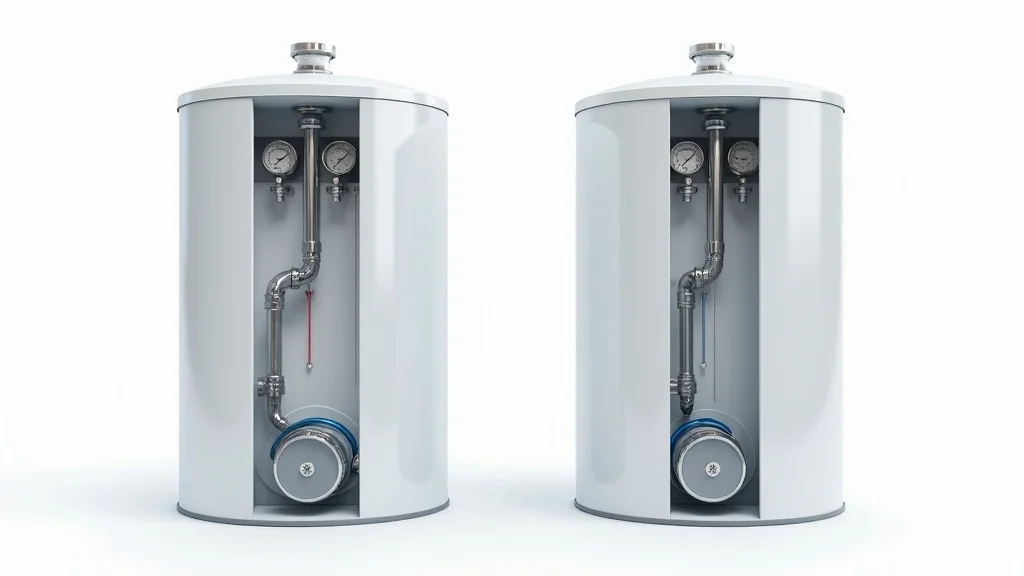
Vented Cylinder vs. Unvented Cylinder: The Technical Basics
The difference? Vented cylinders (the “traditional” type) rely on a header tank in the loft
Modern unvented cylinders, however, connect directly to your mains water supply. There’s no need for a header tank, and the water cylinder itself is built to withstand pressure up to 3 bar (enough for high-performance showers across several bathrooms). This means you can have multiple taps running simultaneously without a loss in pressure—a revolution for busy homes and those wanting the best hot water experience.
How Unvented Hot Water Cylinders Boost Flow & Pressure
Unvented hot water cylinders work by storing water at mains pressure, heating it via your boiler or immersion heater, and then delivering it through your taps at that same pressure and flow rate. Because they’re sealed, there’s less risk of contamination, and temperature control is more precise.
This is a big difference from vented systems, where pipe length, gravity, and tank height all impact pressure and flow. With an unvented system, you get a consistent—and powerful—flow throughout the house, ideal for families and modern homes with multiple bathrooms.
One more win for unvented: maintenance. No tank in the loft means fewer leaks and less chance of freezing in winter. The insulation on modern water cylinders like Warmflow and Gledhill also keeps heat loss to a minimum, so your system stays efficient and ready day or night.
Direct vs. Indirect Hot Water Cylinder: Choosing for Your Boiler
Another essential difference in hot water cylinder selection is between direct and indirect cylinders. Direct cylinders heat water using an internal electric immersion heater—ideal for properties without a separate boiler. Most UK homes, however, use a system boiler with an indirect cylinder, where the boiler heats water through a coil inside the cylinder. This setup is more efficient, especially when paired with modern thermostats and controls, and it can reduce your gas or electric bills.
When choosing a replacement or upgrade, always check which type matches your heating system. A professional engineer can determine the right set-up based on your boiler and daily hot water demand, ensuring both cost savings and reliable performance.
Warmflow Unvented Cylinder Review: Engineering, Performance & Value
Stainless Steel Construction: Why Warmflow Stands Out
Warmflow’s range of stainless steel unvented cylinders is built around one word: durability. They use duplex stainless steel, a material renowned for its resistance to corrosion and superb heat retention. This means the cylinders last longer, are lighter than traditional copper ones, and maintain near-peak performance even after years in service. The seamless welding and smooth finish aren’t just for aesthetics; they ensure your water cylinder stays clean, pressure-tight, and trouble-free through endless power showers and winter mornings.
For households with medium to high water demand—think large families, en-suites, or those who love a bath—the Warmflow cylinder is engineered to keep up. The combination of robust body, thick insulation, and clever expansion vessel placement ensures rapid recovery, holding heat, and minimal running costs.
Warmflow Hot Water Performance in Large & Busy Households
Where Warmflow really excels is flow rate and reliability under pressure. Whether there’s a sudden demand spike—kids in both showers, washing-up machine, and a hot bath running at once—these cylinders store plenty of hot water, ready to deliver at true mains pressure. For family homes that never seem to rest, this translates to fewer arguments over the bathroom and a noticeable boost in daily comfort.
Their models also include oversized coils for system boiler integration, which means they heat up faster than much of the competition. In practice, you get quicker recovery after everyone’s had their morning shower—a crucial feature for busy homes. Maintenance is straightforward, thanks to accessible valves and simple annual service checks.
Typical Warmflow Cylinder Costs and Warranty (£)
Warmflow unvented stainless steel cylinders offer excellent value for their build quality and engineering pedigree. Expect to pay between £600–£900 for supply only (120–300L capacity), depending on size and options. Installation usually adds another £400–£800, depending on site readiness. Warmflow covers their cylinders with up to a 25-year warranty on the stainless steel body and a benchmark 2-year cover on parts—ensuring peace of mind for decades of reliable hot water.
Always make sure installation is handled by a qualified engineer, and ask for a full service record to keep the warranty valid and your system running smoothly.
Gledhill Unvented Cylinder Review: Reliability, Innovation & Service
Gledhill Hot Water Cylinder Engineering and Build Quality
Gledhill has built its name as one of the UK’s most trusted hot water cylinder manufacturers, known for continuous innovation in unvented technology. The hallmark of the Gledhill range is their use of premium-grade stainless steel—resistant to corrosion and specifically crafted for the UK’s varied, often “hard” water conditions.
Each cylinder prioritises ease of servicing, rapid heat-up, and minimal energy loss. Installer-friendly features, like factory-fitted expansion vessels and colour-coded controls, mean less hassle during annual checks and repairs. Regularly cited in best unvented cylinder shortlists, the Gledhill range stands up well in busy, multi-bathroom scenarios thanks to smart coil design and robust insulation.
Hot Water Output: Gledhill’s Performance in Multi-Bathroom Homes
For multi-bathroom homes, Gledhill unvented cylinders are engineered to maintain consistent flow rates and supply even when all taps are in use. Oversized heat exchangers allow faster heat-up times from any modern system boiler, and the pressure stability is designed for simultaneous use across multiple showers without “stealing” hot water from other outlets. Customers frequently report a noticeable leap in comfort compared to old-style vented hot water cylinders.
What’s more, Gledhill’s focus on thermal loss reduction means less wasted energy: hot water stays hot for longer, lowering heating bills and minimising environmental impact. For those in busy households or homes with high hot water demand, Gledhill’s robust stainless steel construction ensures the system won’t let you down, even during the busiest mornings.
Gledhill Pricing, Warranty and UK Support (£)
The main difference? Gledhill offers a 25-year warranty on their cylinder’s stainless steel body and strong customer support through a vast UK installer network
If your household is in a hard water area, Gledhill’s engineering offers extra peace of mind. Many models now feature scale-resistant components, designed to cope with the UK’s challenging water conditions.
| Feature | Warmflow | Gledhill |
|---|---|---|
| Pressure Rating | 3 bar (mains) | 3 bar (mains) |
| Capacity Range | 120–300L | 120–300L |
| Build Material | Duplex Stainless Steel | Premium Stainless Steel |
| Supply Price (£) | £600–£900 | £650–£1,100 |
| Warranty (Body) | up to 25 years | 25 years |
| Service Network | Nationwide installers | UK-wide, Gledhill partners |
| Hard Water Ready | Yes | Yes (scale-resistant) |
| Typical Install Cost (£) | £400–£800 | £400–£900 |
How to Choose: The Science of Comfort – More Than the Hot Water Cylinder
Why Heat Loss Calculation Matters for Water Cylinder Sizing
A perfect hot water cylinder still won’t bring full comfort if it’s incorrectly sized. That’s why every Plumbrite installation begins with a heat loss calculation. This calculation factors in your property size, insulation, number of bathrooms, peak water demand, and more to determine both the correct cylinder size (litres) and recovery time needed. Too small, and you’ll run out of hot water. Too big, and your energy bills rise needlessly. A professional engineering assessment keeps everything balanced.
Many installers skip this vital check, leaving households with mismatched cylinders and chronic frustration. Insist on a full survey—and always ask to see the result of your heat loss calculation before you choose a cylinder on the market.
The Mains Pressure Test: Ensuring Real-World Hot Water Satisfaction
Even the best unvented cylinder can’t deliver magical results if your mains water pressure is subpar. That’s why we always run a mains pressure test before recommending Warmflow, Gledhill, or any other option. We look for both pressure (bar) and flow rate (litres/minute) to guarantee the system will perform as promised—no weak showers or sudden cold blasts. If your pipes or street supply can’t keep up, there’s no sense in overspending on a premium cylinder. Sometimes, a pressure-boosting pump or local pipework upgrade is required.
Do it once, do it right: get these tests done before making a purchase.
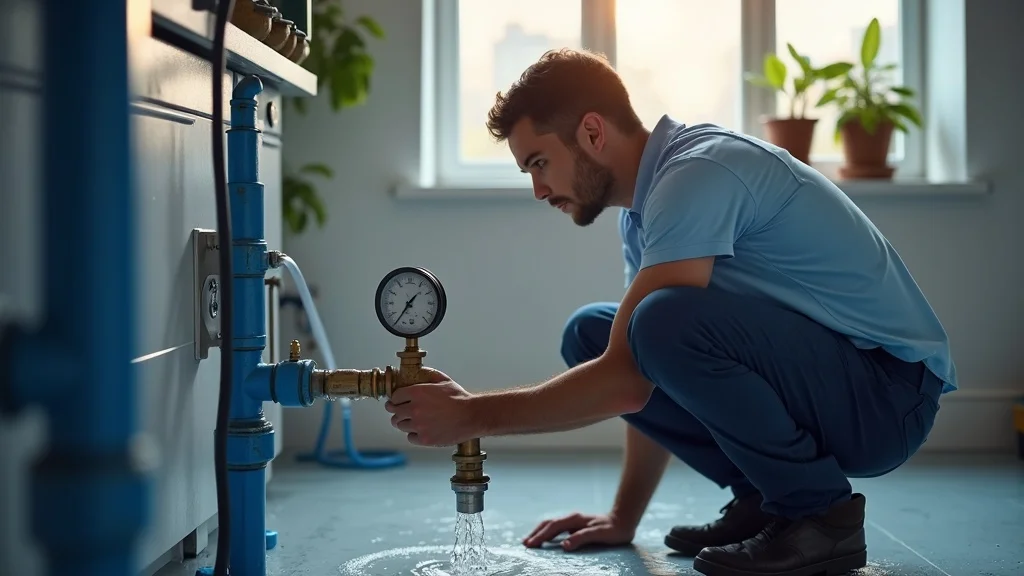
“Buying the best unvented cylinder isn’t magic if your mains can’t deliver high pressure — always assess your home’s actual flow first.” — Plumbrite Senior Engineer
People Also Ask: Hot Water Cylinders and Unvented Cylinders
What is the best brand for unvented cylinder?
Both Warmflow and Gledhill are industry leaders for stainless steel unvented cylinders. Choosing the best brand depends on required capacity, budget, and warranties — always confirm with an independent engineer’s assessment specific to your home.
Which is better copper or stainless steel hot water cylinders?
Stainless steel cylinders (like Warmflow and Gledhill) resist corrosion and maintain efficiency longer than copper cylinders. Stainless is typically lighter and comes with longer warranties, making it a top choice for modern UK installations.
Are Telford Tempest cylinders any good?
Telford Tempest is a respected brand for unvented hot water cylinders, particularly known for robust stainless steel bodies and strong aftercare. Always compare against Warmflow and Gledhill on price, warranty and service network.
What's the difference between a direct and indirect hot water cylinder?
Direct cylinders heat water with an internal electric immersion, while indirect cylinders use heat from your boiler system — most ‘main boiler’ homes use indirect models for efficiency and lower running costs.
Key Takeaway Table: Warmflow vs. Gledhill at a Glance
| Brand | Price Range (£) | Pressure Rating | Recommended For | Warranty | Installer Notes |
|---|---|---|---|---|---|
| Warmflow | £600–£900 | 3 bar (mains) | Large families, multiple bathrooms, rapid heat-up needs | 25 years (body), 2 years (parts) | Easy install, wide UK support, robust for daily use |
| Gledhill | £650–£1,100 | 3 bar (mains) | Multi-bathroom homes, hard water areas, fast recovery | 25 years (body), strong UK network | Installer-friendly, scale-resistant, quick servicing |
FAQs: Choosing the Best Unvented Cylinder for Your Home
-
How do I know what size unvented hot water cylinder I need?
Cylinder size is determined by heat loss calculation factoring in bathrooms, occupancy, and usage. A professional engineer’s assessment ensures correct capacity and rapid recovery. -
Can I fit a hot water cylinder if I have low mains pressure?
It’s not recommended. Always perform a mains pressure and flow rate test before installing an unvented cylinder. Sometimes pipe upgrades or a pressure-boosting pump is needed for satisfaction. -
Which is better for hard water areas — Warmflow or Gledhill?
Both brands use high-grade stainless steel, but Gledhill features extra scale-resistant tech. For very hard water, Gledhill is often preferred. Consult your installer based on your local supply.

Final Thoughts: Contact Plumbrite for a Free Home Assessment
“It’s the calculations, not the badge, that bring real comfort. Start with a proper pressure test and let engineering decide, not branding.”
gledhill: which stainless steel giant is right for your home? Get comfort engineered for you—not just a bigger tank
Video: Warmflow vs. Gledhill – Real Engineer Side-by-Side Review
This video features a side-by-side demonstration of Warmflow and Gledhill cylinders. Our senior engineer explains differences and measures real flow rates under load, giving you a true, jargon-free comparison.
Video: How to Interpret a Heat Loss Calculation for Any UK Home
Understand what a heat loss calculation actually measures, and how it leads to the most cost-effective and comfortable cylinder choice for your property.




Write A Comment