
Imagine coming home to a space so inviting and comfortable it instantly lifts your mood. With wellness home design, you can turn this vision into a daily reality—not by renovating your entire home, but through thoughtful changes in materials, light, and layout. This editorial guide explores approachable, evidence-informed ways to revitalize your living spaces, whether you’re renting, owning, or simply looking to elevate your everyday comfort.
Wellness Home Design: Elevate Everyday Living
Wellness home design isn’t a trend—it’s a guiding principle for creating spaces that nurture your well-being day and night. By blending comfort, functionality, and attention to air quality, wellness interior design supports a calmer, happier lifestyle for every member of your family home. Unlike traditional interior design, which often chases aesthetics, wellness design is about how your space feels—promoting moments of peace, clarity, and genuine rest.
From the main living area to the bathroom, every detail contributes to an environment where you can focus, relax, and reset. Imagine a sunlit living room with airy textiles, cozy throws, and thoughtful storage—each decision boosting both function and comfort. Through focused interior design, even small changes like introducing natural materials or rearranging furniture can improve air quality, reduce clutter, and transform the home feel. Ultimately, wellness home design is about making approachable, practical shifts that truly support your daily life.

Why Wellness Home Design Matters—A Practical Look
- Key pillars of wellness interior design: comfort, functionality, and air quality.
- Observational insight: Small changes in focused interior design—like using layered lighting or clearing busy pathways—will help your home support peace, productivity, and purpose for everyone in your household.
What You’ll Learn About Wellness Home Design
- How to assess your current room design for wellness potential
- Natural materials and how they enhance wellness interiors
- Layered lighting and clear pathways for a focused interior
- Simple storage and air quality considerations (VOC paints, ventilation)
- Strategies for practical, approachable improvement
Understanding Wellness Home Design and Wellness Interior Principles
Defining Wellness Home Design: Integrating Wellness Interior Ideas
- Wellness interior design goes beyond classic interior design by prioritizing well-being in every decision. While standard room design focuses on looks, wellness home design emphasizes how a space feels, flows, and supports physical and emotional comfort.
- Focused interior design means arranging rooms for easy movement, clear sight lines, and accessible comforts—combining good design flow with real-life needs. A thoughtful design team brings these principles to life so every detail contributes to a supportive built environment.
Research and Reality: What We Know About Wellness Design
- Studies suggest layered lighting—combining natural and artificial light—can influence mood and productivity. Comfortable furniture and calming decor are also linked to improved daily experiences, but research is ongoing for the home setting.
- The EPA recommends reducing indoor air issues by choosing low-VOC paints and improving ventilation. Rather than relying on houseplants, focus first on removing pollutant sources and maximizing fresh air flow to support better indoor air quality.
Key Elements of Wellness Home Design for Every Room
Natural Materials: Harnessing Calming Textures and Finishes

- Wood, stone, and organic textiles all bring tactile warmth and natural elements into your home. These materials foster a grounded, peaceful mood in room design—think visible wood grain, textured throws, and woven baskets layered together. This approach echoes a key theme in wellness interior design: using nature-inspired finishes to encourage rest and reconnection.
- Emerging research in wellness interior design notes that natural materials can reduce stress and make your entire home feel more inviting. When working with a well-versed interior designer or tackling projects yourself, look for soft, sustainable options—linen, cotton, wool, and real wood—since each detail contributes to a comforting, healthy environment.
Layered Lighting: Creating Flexible, Healthy Spaces
- Layered lighting—blending ambient, task, and accent light—creates flexibility for different needs, times of day, and moods. Natural light from large windows supports focus and energy, while soft, adjustable lamps enhance the evening wind-down. Thoughtfully planned lighting helps everyone in your family home feel comfortable and productive, no matter the activity.
- For bedrooms, try dimmable sconces for restful evenings; in main living spaces, combine overhead lights with table or floor lamps to improve visibility and comfort. Focused interior design in the kitchen often means bright, shadow-free work areas with under-cabinet lighting, while the bathroom benefits from a mix of task lighting at the mirror and relaxing wall lights for a spa-like experience.
Clear Pathways and Room Layout: The Flow of Focused Interior Design
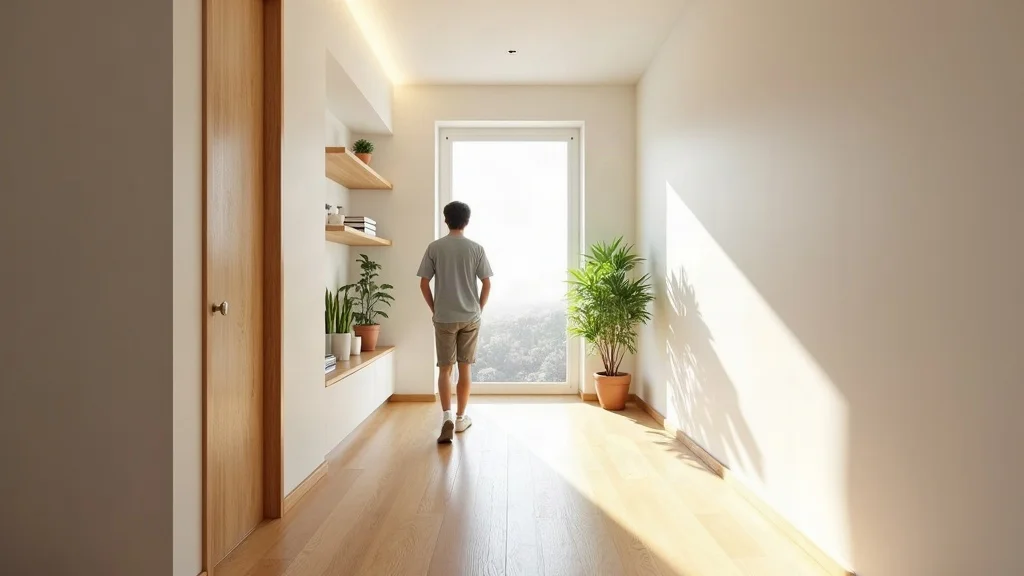
- Clear pathways reduce stress and make your living spaces feel more open. In wellness home design, rearranging furniture to allow smooth movement is an easy but transformative first step towards a more focused interior. Well-organized entryways, living rooms, and hallways help you feel at ease as you move through your home and connect each area’s function.
- Bathroom redesign often starts with decluttering and reorganizing key traffic areas—removing unneeded items and ensuring everyday essentials are within arm’s reach. For the busiest spots in your home, consider streamlined storage and built-in solutions to avoid crowded surfaces and maintain good flow.
Comfortable Materials and Supportive Surfaces
- Furniture and soft furnishings profoundly affect your comfort at home. In wellness home design, opt for sofas, chairs, and bedding that prioritize ergonomic support, breathable fabrics, and inviting textures. Washable cotton throws, soft wool rugs, and plush cushions enhance well-being without being high-maintenance.
- Comfort isn’t just about softness—supportive surfaces at work stations or in the living room can enhance focus and relaxation. Choose simple, easy-care materials that invite daily use so your home always feels welcoming, cozy, and calm.
Smart Storage: Creating Space for Rest and Engagement
- Integrated storage is essential for wellness interiors. Clutter can quickly undermine a room’s positive energy; hidden cabinets, open shelving, and modular baskets keep things neat but accessible. Focused interior design encourages a balance between what’s visible and what’s tucked away to promote intentional living.
- From under-bed drawers in the bedroom to kitchen pantry organizers and bathroom shelving, flexible storage helps your entire home stay tidy and stress-free. This is especially valuable in a family home, where routines and needs shift over time.
Air Quality and Indoor Environment in Wellness Home Design
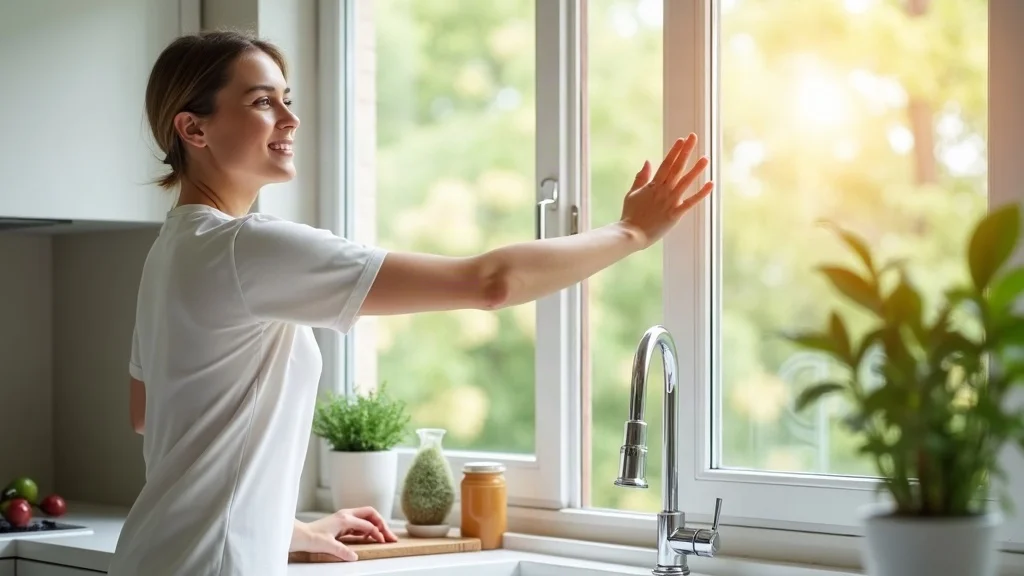
- Low-VOC paints and good ventilation are the foundation of healthy indoor air. VOCs, or volatile organic compounds, can off-gas from common products and finishes—choosing low-VOC paints and regularly airing out rooms can lower exposure. Don’t rely on houseplants for air cleaning; prioritize source control and airflow, per EPA recommendations, for real impact.
- Consider easy upgrades like adding vent fans in bathrooms, routinely opening windows, or ensuring kitchen range hoods actually vent outside. These changes—guided by both design and science—help support a fresher, healthier daily environment for everyone.
Designing for Wellness: Approachable Changes Without Major Renovation
Begin Where You Are: Everyday Shifts That Transform Wellness Home Design
- Wellness home design isn’t about overhauling your space overnight. Start with simple swaps: replace harsh bulbs with warmer light, rearrange furniture to open up pathways, or add storage bins to clear high-traffic zones. Even these small shifts, when rooted in focused interior design, offer immediate benefits.
- Look for non-intrusive improvements—like adjusting a reading corner’s lighting or moving a sofa for better flow. Every home, whether rented or owned, can benefit from these affordable, practical design tweaks inspired by evidence-backed wellness design principles.
Room-By-Room Wellness Home Design Strategies
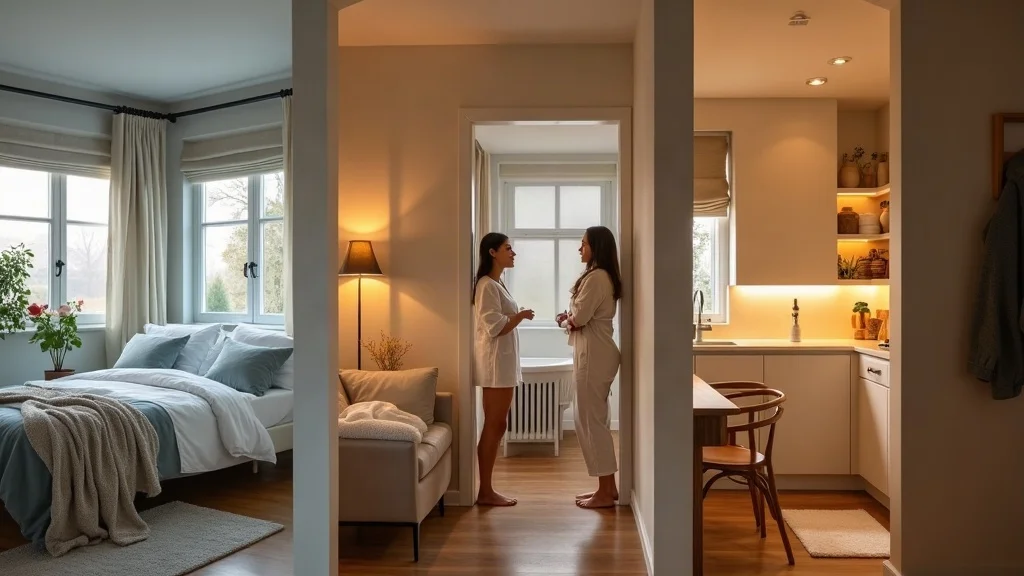
- Bedroom: Block excess light with blackout shades, reduce noise using rugs or acoustic panels, and add calming, natural materials at the headboard and bedding to maximize rest every night.
- Kitchen: Use easy-access storage, organize utensils, and favor cleanable surfaces for better everyday routines—an essential part of focused interior design.
- Bathroom: Declutter counters, add thoughtful open or concealed storage, and ventilate regularly to protect air quality during daily routines.
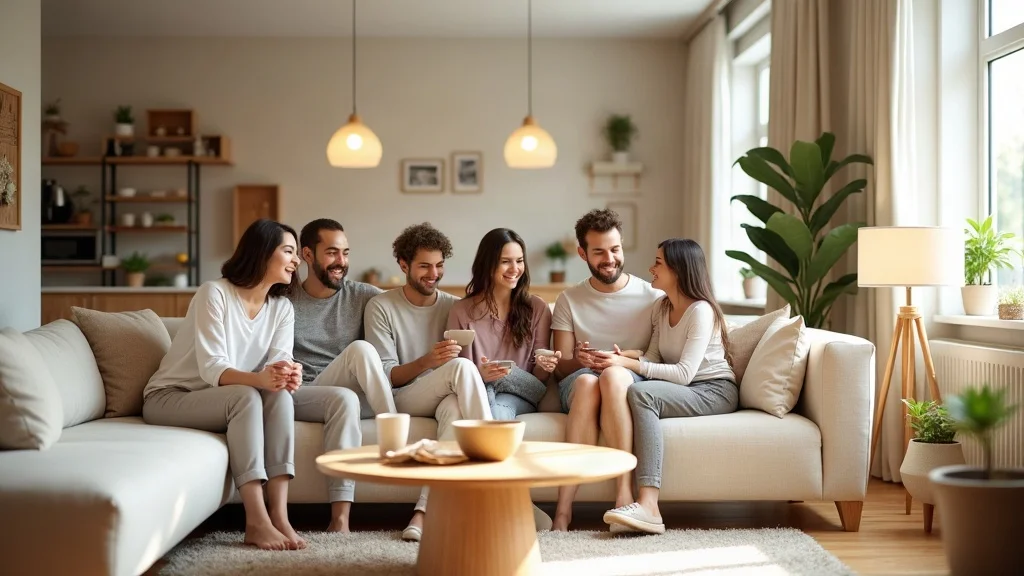
- Living Room: Mix layered lighting for reading, relaxing, and conversations; opt for moveable, flexible furniture layouts to keep the room adaptable as your needs evolve.
Flexible Decorating: Wellness Home Design for Changing Needs
- Choose modular, moveable furniture and accents to make your home adapt as your family’s routines change. Shelves on wheels, divider curtains, or lightweight chairs let you reinvent spaces without hassle or cost.
- Wellness interior design can evolve as needs shift—prioritize durable materials and flexible layouts so your home always fits your life. Focused interior design isn’t about perfection; it’s about support and possibility.
“Sometimes the simplest design shift — like moving a lamp or decluttering a hallway — makes a space feel instantly more supportive.”
Tables: Comparing Wellness Home Design Elements
| Element | Purpose | Simple Upgrade Example | Wellness Impact |
|---|---|---|---|
| Natural Materials | Calming textures, connection to nature | Swap in linen bedding or a wood coffee table | Encourages relaxation, offers tactile warmth |
| Layered Lighting | Mood and task flexibility | Add dimmer switches, use table/floor lamps | Improves focus, aids sleep routines |
| Smart Storage | Minimize clutter, simplify access | Use baskets or built-in drawers | Reduces stress, keeps living areas open |
| Air Quality | Healthier indoor air | Choose low-VOC paints and ventilate rooms | Supports long-term well-being |
| Comfort | Supportive, restful furniture | Swap in ergonomic chair or softer rug | Boosts daily comfort for everyone |
| Room | Quick Change | Wellness Benefit |
|---|---|---|
| Bedroom | Install blackout shades | Improves restful sleep |
| Kitchen | Add non-slip washable rugs | Boosts comfort, supports healthy routines |
| Bathroom | Declutter counter | Reduces visual stress |
| Living Room | Layer different lamp types | Adapts space for every activity |
FAQs on Wellness Home Design
What is the 3-5-7 rule in interior design?
- The 3-5-7 rule recommends grouping accessories and decor in odd numbers, like three, five, or seven items. This creates visual balance and draws the eye across your room design without cluttering. For focused interior and wellness interior design, use this guideline to arrange objects with intention, making your displays feel calm and harmonious—never crowded.
What are the 7 wellness dimensions?
- The seven wellness dimensions are physical, emotional, social, spiritual, intellectual, environmental, and occupational. When applied to practical wellness home design, this means creating spaces that support your fitness, rest, creativity, social connection, and environmental comfort—each through thoughtful material and layout choices that fit your lifestyle.
How can I create a wellness room at home?
- Begin by identifying the room you use most—bedroom, living room, or work corner. Assess for clutter, lighting, and air flow. Next, introduce calming natural materials, swap harsh bulbs for layered lighting, and clear pathways. Store everyday items neatly and ventilate regularly. Focused interior design is about mixing practical upgrades with wellness interior strategies for holistic comfort.
What are the biggest wellness trends for 2026?
- While design trends come and go, the most robust elements of wellness home design remain: natural materials, clean air, adaptable layouts, and layered lighting. These enduring principles will continue to define the best interiors—offering comfort and function without chasing fads or quick fixes. Expert consensus points to a balanced, practical approach over fleeting novelty.
Key Takeaways for Wellness Home Design
- Layered lighting, natural materials, and clean air are foundational elements of wellness home design.
- Simple changes—from layout to storage—make wellbeing possible every day, in every room.
- No major renovations required: Science-backed, approachable shifts are often enough to see and feel a real difference.






Write A Comment