

Add Row
Add Element
UPDATE
Add Element

Your guide to modern living—every day.

  • Home
  • Categories
    • Wellness
    • Home and Garden
    • Work and Life
    • Travel
    • People and Style
    • Living Spaces
January 05.2026
1 Minute Read

Tired of Eye Strain? Try Anti Glare Lenses Today

Confident night driver enjoying clearer vision with anti glare lenses in a modern car, reduced dashboard reflections

Anthony Brandt Explains Why Anti Glare Lenses Are Essential for Night Drivers and Screen Users

"Anti glare just takes the glare away. It makes it much more clearer for driving at night and for those spending long hours at the computer." — Anthony Brandt, Eyecare Warehouse

If you’ve ever experienced eye strain when driving after dark or working late into the night on your laptop, you’re not alone. The surge in dazzling automotive LED headlights and proliferating digital screens has made glare sensitivity one of the chief complaints among today’s eyeglass wearers. Anthony Brandt, founder of Eyecare Warehouse, is on a mission to demystify how anti glare lenses can be a game-changer for anyone tired of glare-filled nights and long digital workdays.

According to Anthony Brandt, anti glare coatings don’t just make things clearer—they transform your entire vision experience, especially for night drivers, office workers, and people recovering from eye surgery. Drawing on decades of lens manufacturing experience in Perth, he notes that high-quality anti glare treatments strip away distracting reflections, enhance contrast, and let your eyes truly relax.

How Anti Glare Coatings Reduce Eye Strain and Improve Visual Comfort

"For people who’ve had cataract surgery or eye surgery, anti glare coatings reduce sensitivity and improve comfort, especially during long drives or screen time." — Anthony Brandt, Eyecare Warehouse

One of the core advantages of anti glare lenses is how dramatically they curb eye fatigue from modern life’s biggest culprits: digital screens and headlight glare. According to Anthony Brandt, newly developed car headlights and prolonged device usage can bombard your eyes with strains they were never meant to withstand. Rather than just masking these issues, anti glare coatings proactively cut down scattered light and harsh reflections. This is particularly important for people who’ve undergone cataract or other eye surgeries, whose sensitivity to glare often increases dramatically.

Brandt emphasizes that these coatings provide a dual-benefit approach: they make night drives less stressful, and long hours at a computer noticeably more comfortable. The technology behind them means not just seeing more clearly—but literally feeling your eyes relax as you move between bright oncoming traffic, streetlamps, and glowing screens. For many, the real “aha moment” happens the moment they realize just how much visual comfort they’ve been missing out on, simply because of untreated glare.

  • Diminishes reflections from headlights and streetlights
  • Minimizes eye fatigue from prolonged computer use
  • Enhances clarity for sensitive or post-surgery eyes
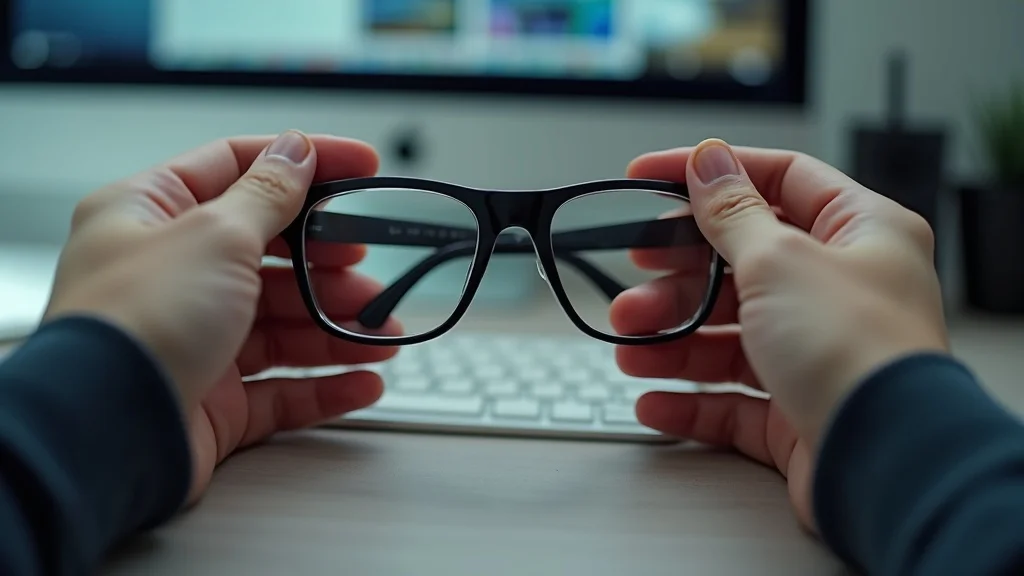
Close-up of eyeglasses with anti glare lenses minimizing screen reflections, perfect for computer users

The Science Behind Anti Glare Lenses: Matching Hard Coating and Lens Indexes

"If the reflective index of the hard coating doesn’t match the lens, it causes Newton rings, visible imperfections in the coating." — Anthony Brandt, Eyecare Warehouse

While many understand the benefits of anti glare coatings, Anthony Brandt insists the real magic lies in the manufacturing precision. Every anti glare lens begins life as a raw lens blank—naked, as Brandt describes it—before undergoing thorough ultrasonic cleaning. The next steps are crucial: a cold liquid hard coating is delicately applied, followed by oven curing to degas and set the surface. It’s in these details that quality is determined.

The most pivotal technical insight from Brandt centers on matching the refractive index of the lens to that of the coating itself. Standard lens indexes pair seamlessly with standard multi-coatings, but if there’s a mismatch—perhaps from using a coating meant for a lower or higher index lens—a telltale pattern known as Newton rings appears. These imperfections aren’t just unsightly; they disrupt optics, erode clarity, and undermine the lens’s anti glare performance. According to Brandt, optimal visual experience requires that each prescription, lens type, and usage profile receives a custom-fitted hard coat before the anti glare layer is even applied.

If you’re interested in how fast and convenient it can be to upgrade your lenses, you might want to explore the same day glasses service offered by Eyecare Warehouse, which streamlines the process for those seeking immediate vision improvements.

Why Customized Hard Coatings Matter for Different Lens Types

  1. Ultrasonic cleaning prepares lenses to bond with coatings
  2. Cold liquid hard coating is applied
  3. Oven curing removes gases, finalizing the coating
  4. Coating refractive index must align with the lens’s for optimal anti glare effect

These meticulous steps are not optional; they’re the foundation of a high-performing anti glare lens. Brandt underscores the importance for both practitioners and consumers: always ask your lens provider how coatings are matched to your prescription and lens material. Inadequate matching can mean everything from reduced anti glare performance to visible flaws under certain lighting.

By choosing lenses from dedicated optical manufacturers like Eyecare Warehouse, customers are assured of individualized attention—every lens is designed to maximize the unique properties of its refractive index, ensuring that anti glare coatings deliver on their promise of clarity and comfort.

Lab technician applying hard coatings to eyeglass lenses, showing detailed lens preparation for anti glare technology

Maximizing Benefits: Who Should Consider Anti Glare Lenses?

Brandt’s experience points to a diverse audience who stands to gain from this technology. Night drivers top the list: the increased intensity of modern headlights, along with unpredictable road conditions, make anti glare lenses a vital asset for confidence behind the wheel. Office workers and teachers—constantly exposed to blue light and screen glare—find these coatings instrumental in staving off eye fatigue and visual burnout. Seniors, those with recent prescription changes, or anyone with light sensitivity post surgery, also experience marked improvements in clarity and comfort.

For Brandt, the message is straightforward: almost anyone who wears glasses can reap meaningful rewards from an anti glare upgrade. The benefits ripple across daily life, from safer commutes and more productive workdays to simply enjoying time in bright living spaces without the constant squint and strain of excess glare.

  • Night drivers facing glare and halos from headlights
  • Office workers and teachers exposed to prolonged screen glare
  • Seniors and recent prescription changers needing enhanced visual clarity
  • Eyeglass wearers post eye surgery or with light sensitivity

Group of diverse adults content with anti glare eyeglasses in well-lit living room, showcasing inclusive comfort

Lifestyle and Budget-Friendly Vision Upgrades with Anti Glare Technology

"We offer affordable, high-quality multifocal lens replacements with premium anti glare coatings shipped directly to you or available in-store." — Anthony Brandt, Eyecare Warehouse

What distinguishes Eyecare Warehouse’s approach, according to Anthony Brandt, is accessibility. You don’t have to compromise on frames you love or break the bank to experience the benefits of advanced lens technology. Their solutions allow budget-conscious and fashion-savvy consumers alike to retain beloved frames—dramatically reducing waste—while upgrading to locally manufactured premium anti glare lenses in just two weeks.

The expertise and technology behind every lens mean customers receive not only anti glare options but also scratch-resistant, photochromatic, and even polarizing choices. Brandt’s unique model blends cost, convenience, and sustainability, ensuring that state-of-the-art coatings are available to every lifestyle, whether you’re an outdoor enthusiast, office professional, or someone seeking seamless visual transitions all day long.

  • Retain your favorite frames while upgrading lenses
  • Locally manufactured premium lenses for fast turnaround
  • Scratch-resistant, photochromatic, and polarizing options complement anti glare coatings

Stylish individual inspecting new anti glare eyeglass lenses in home workspace, sustainable and personalized vision upgrade

Key Takeaways: Why Anti Glare Lenses Elevate Your Vision Experience

  • Improve night driving safety by reducing harmful glare
  • Decrease eye fatigue during extended digital device use
  • Benefit sensitive eyes, especially after surgeries or with age-related changes
  • Ensure optical manufacturing precision by matching lens and coating refractive indexes

According to Anthony Brandt, anti glare lenses represent more than a simple add-on—they’re a holistic solution that enables clearer, safer, and more comfortable vision, tailored to the way you live and work. From the science of customized hard coatings to the practical rewards of upgraded comfort, the transformation is real: less glare, sharper sight, and a revitalized approach to everyday eyewear.

Contact Eyecare Warehouse for Affordable Anti Glare Lens Upgrades

Ready to experience relief from eye strain and discover the full benefits of anti glare lenses for yourself? Connect with the team at Eyecare Warehouse for expert advice and seamless lens replacement—either shipped to your door or prepared in-store for Perth locals. Take the next step toward long-term visual comfort and clarity, and let your favorite frames come alive with technology trusted by thousands of Australians.

If you’re curious about even more ways to enhance your eyewear experience, take a look at the Eyecare Warehouse same day glasses gallery for inspiration on fast, stylish, and practical lens solutions. Exploring these options can help you discover the perfect combination of convenience and advanced vision technology, ensuring your next upgrade is both seamless and tailored to your lifestyle.


LIfestyle

0 Comments

Write A Comment

*
*
Related Posts All Posts
01.22.2026

Could Carbs Be Key to Protecting Brain Health? Insights from Recent Research

Update Are Carbohydrates the Unsung Heroes of Brain Health? In the realm of brain health, the conversation often gravitates toward sleep, exercise, and omega-3 fatty acids, leaving carbohydrates lurking in the shadows. Yet, recent studies have unveiled intriguing connections between carbohydrate quality and cognitive decline, pushing us to reconsider the potential impact our dietary choices have on long-term brain health. The Critical Role of Glucose Interestingly, glucose is the brain's primary source of energy. This means that how we consume carbohydrates—specifically, their glycemic index (GI) and glycemic load (GL)—could heavily influence cognitive functioning over time. In a long-term study involving over 200,000 UK adults, researchers found that the type of carbohydrates consumed was more pivotal than previously thought. Unpacking the Study Published in the International Journal of Epidemiology, this comprehensive study monitored dietary habits and dementia outcomes over a remarkable follow-up period of 13 years. Participants, who initially had no signs of dementia, completed extensive dietary questionnaires that assessed their carbohydrate intake. The results were telling: 2,400 participants developed dementia, and distinct dietary patterns emerged. Why Glycemic Index Matters to Brain Health The glycemic index measures how quickly different carbohydrate-containing foods raise blood sugar levels. High-GI foods, such as white bread and potatoes, can cause rapid spikes in glucose, while low-GI options, like fruits and whole grains, lead to steadier blood sugar levels. The study’s findings indicated that lower dietary GI corresponded with a lower risk of developing dementia, including Alzheimer’s disease. Key Findings from the Research Researchers discovered that diets characterized by lower to moderate glycemic index values were associated with a 16% reduction in the risk of developing Alzheimer’s, while higher GI diets were linked to a 14% increase in risk. This affirms the notion that not all carbohydrates are created equal; the quality of carbohydrates—characterized by fiber content and the rate at which they affect blood sugar—plays a vital role in cognitive health. Counteracting Common Misconceptions Many might believe that reducing carbohydrate intake is a surefire way to maintain brain health, but this study refutes that notion. The focus should be on the quality of carbs, rather than the quantity. Carbohydrates should be regarded as essential energy sources, especially for the brain. Long-Term Implications This research not only needs to shift our understanding of dietary guidelines but also emphasizes the urgent need for public health strategies to promote low-GI foods in our diets. Consuming a diet enriched with low-GI carbohydrates could act as a protective measure against cognitive decline. Real-World Applications and Tips What are the actionable insights from these findings? Here are a few practical tips: Incorporate more whole grains, legumes, and fruits into your diet. Replace high-GI foods like white bread with whole grain or sourdough options. Be mindful of portion sizes to maintain stable blood sugar levels. Encouraging Healthy Dietary Choices This groundbreaking research urges individuals to rethink their carbohydrate choices, emphasizing that a diet rich in low-GI foods can make a significant difference in cognitive longevity. As low-GI foods not only deliver energy but provide nutritional benefits that could combat the risk of dementia, they should take center stage in our diets. Ultimately, incorporating these dietary changes can have profound implications not only for individual health but also for public health initiatives aimed at combating cognitive decline and enhancing the quality of life as we age. By prioritizing carbohydrate quality, we foster an environment where healthy aging is not just a possibility but a tangible goal.

01.20.2026

Unlocking the Secrets of Your Skin: A Guide to Health and Aging

Update Your Skin: A Personal Health Report Card Your skin reveals more about your health than you might think. It is your body’s largest organ and acts as an external monitor of your internal well-being, providing essential insights into your overall health and aging process. As such, rather than viewing skin care as just a cosmetic concern filled with serums and routines, it’s crucial to recognize that skin health reflects systemic aging and can indicate how well (or poorly) one is aging internally. Skin Health: A Reflection of Internal Aging According to Dr. Saranya Wyles from the Mayo Clinic, skin is the most visible biomarker of our body's health. It reflects systemic aging influenced by various factors, including metabolic health, inflammation, hormones, and stress levels. Changes such as slower wound healing, dullness, variations in pigmentation, and reduced elasticity signal the onset of internal aging. Interestingly, researchers have discovered that cellular senescence, often called "zombie cells," significantly influences skin appearance. These non-dividing cells secrete inflammatory molecules that can impact surrounding tissues, primarily affecting the skin due to its constant exposure to environmental stressors like UV light and pollution. Understanding this connection allows us to appreciate skin’s role not just as a cosmetic concern but as a window into our general health. Impact of Lifestyle Choices on Skin Longevity Actions we take daily can greatly affect skin health. Dr. Wyles emphasizes sleep as the most critical factor in skin longevity. During deep sleep, the body undergoes cellular repair and waste clearance, which is vital for maintaining skin health. Lack of quality sleep leads to increased inflammation and poor collagen repair, visibly affecting skin quality. Regular physical activity is another pillar for healthy skin. Exercise enhances circulation and helps the skin expel toxins through perspiration. Additionally, weightlifting can release beneficial molecules that combat inflammation, keeping skin cells healthy and delaying the aging process. Sun Protection: The Old Yet Golden Rule The necessity of sunscreen cannot be understated. Even with advancements in skincare treatments, sun protection remains paramount. UV radiation is one of the most significant accelerators of skin aging and leads to issues such as accelerated wrinkle formation and pigmentation disorders. Using sunscreen regularly is one of the simplest yet most effective ways to preserve skin health and prevent premature aging. Connecting Local and Global Perspectives on Skin Aging While individuals experience skin aging based on unique lifestyle components, genetics, and environmental factors, emerging global research provides insights into common trends. For instance, studies highlight that varying degrees of pollution in urban areas correlate with increased skin aging risks. In cities with poor air quality, signs of aging such as discoloration and loss of elasticity appear sooner. Innovative Approaches to Combat Skin Aging Research into topical treatments targeting cellular senescence is promising. These include senolytics, peptides, and exosome-based therapies, which aim to manage the impact of aging cells. Clinical trials are already investigating how these treatments could rejuvenate skin appearance by reducing inflammation and promoting cell turnover. Making Informed Decisions for Skin Health Understanding the link between skin health and systemic aging empowers individuals to adopt better habits. By focusing on adequate sleep, regular exercise, and sun protection, one can effectively stave off signs of aging. Furthermore, being aware of skin changes and seeking expert advice can lead to timely interventions, whether they be lifestyle changes or advanced skincare treatments. Ultimately, our skin serves as more than just a protective barrier; it acts as a crucial indicator of our internal health. A commitment to nurturing our skin through education and proactive health measures can significantly enhance both appearance and overall well-being. For readers seeking to optimize skin health, consistent auditing of lifestyle choices and skin care strategies can prove transformative. Remember, your skin isn’t merely a canvas; it's a reflection of how well you’re aging. Take action today: Embrace a holistic approach to skin health and explore innovative products that not only enhance your appearance but also encourage your well-being.

01.19.2026

Explore How Understanding Acne Causes Can Help in Your Treatment

Update Understanding Acne: The BasicsAcne, scientifically known as acne vulgaris, is a prevalent skin condition affecting many individuals, particularly during their teenage years. It occurs when hair follicles become clogged with oil, leading to breakouts primarily on oily areas, including the face, neck, back, chest, and shoulders. Its impact isn't merely physical; it can affect self-esteem and overall well-being.Hormonal Changes and Their ImpactOne of the primary culprits behind acne is hormonal changes, especially during adolescence. As both girls and boys navigate this transitional phase, hormonal fluctuations increase oil production in skin glands, setting the stage for various sorts of acne including pimples, blackheads, and cysts. These changes aren't limited to teens; adults can also experience hormonal acne, which can erupt around the menstrual cycle, during pregnancy, or due to stress.The Role of Dead Skin CellsAnother significant factor in acne development is the accumulation of dead skin cells. When these cells fail to shed efficiently, they combine with natural oils in the skin, leading to blocked pores. This trapped mixture serves as a breeding ground for bacteria, exacerbating the acne problem. Incorporating regular exfoliation into your skincare routine is vital for preventing these build-ups. The Bacterial ConnectionBacteria play an aggravating role in acne formation. Once trapped within clogged pores, bacteria can infect the area, causing inflammation that manifests as painful, cyst-like bumps under the skin's surface. Thus, understanding and managing skin bacteria is critical for combating acne.Your Diet MattersWhat you eat can significantly impact your skin's health. Consuming high-glycemic foods, which cause spikes in blood sugar, may lead to increased sebum production and inflammation. Recognizing your dietary triggers—like refined sugars and processed carbs—is essential for managing hormonal acne effectively.Genetic Disposition and AcneGenetics can also influence whether one is prone to acne. If a family member struggled with persistent breakouts, it’s likely you might, too. This hereditary aspect can dictate how effectively your skin sheds dead cells and responds to inflammation. Medication and Acne Flare-upsParticular medications, such as corticosteroids or lithium, can also play a role in triggering acne flare-ups. Staying alert to how your body reacts when starting a new medication is critical in managing your skin's health. Cosmetics: A Double-Edged SwordThe use of comedogenic cosmetics, which contain heavy oils that block pores, can exacerbate acne. Transitioning to oil-free or non-comedogenic products is a sound strategy to prevent “cosmetic acne.”The Stress-Acne ConnectionChronic stress is another significant factor, as it leads to the overproduction of cortisol, which stimulates the oil glands to produce more oil. While stress itself may not directly cause acne, it can worsen inflammation and hinder the healing process, resulting in persistent pimples.Dispelling Myths: Dirt and AcneA common misconception is that dirt leads to acne. In reality, acne is caused by blocked pores, not dirt. While touching your face with unwashed hands can worsen acne, maintaining a good skincare routine focused on cleaning and not clogging pores is more effective.Strategies for Managing AcneFor effective acne treatment, consider a multifaceted approach that includes a balanced diet, a consistent skincare regimen, stress management, and medical advice when needed. Personalized treatment plans, perhaps involving topical or oral medications, can lead to significant improvements in skin health.Conclusion: Take Action for Healthier SkinRecognizing and understanding the various causes of acne is fundamental before seeking treatment. By addressing dietary habits, stress, and skincare choices, individuals can take proactive steps toward clearer skin and improved confidence. If you're struggling with persistent acne, consult a healthcare provider to explore tailored treatment options and regain control of your skin health.

Terms of Service

Privacy Policy

Core Modal Title

Sorry, no results found

You Might Find These Articles Interesting

T
Please Check Your Email
We Will Be Following Up Shortly
*
*
*