Your guide to modern living—every day.

  • Home
  • Categories
    • Wellness
    • Home and Garden
    • Work and Life
    • Travel
    • People and Style
    • Living Spaces
June 09.2026
1 Minute Read

How This Partnership Sparks a Rich Cultural Festival in Prince George's County

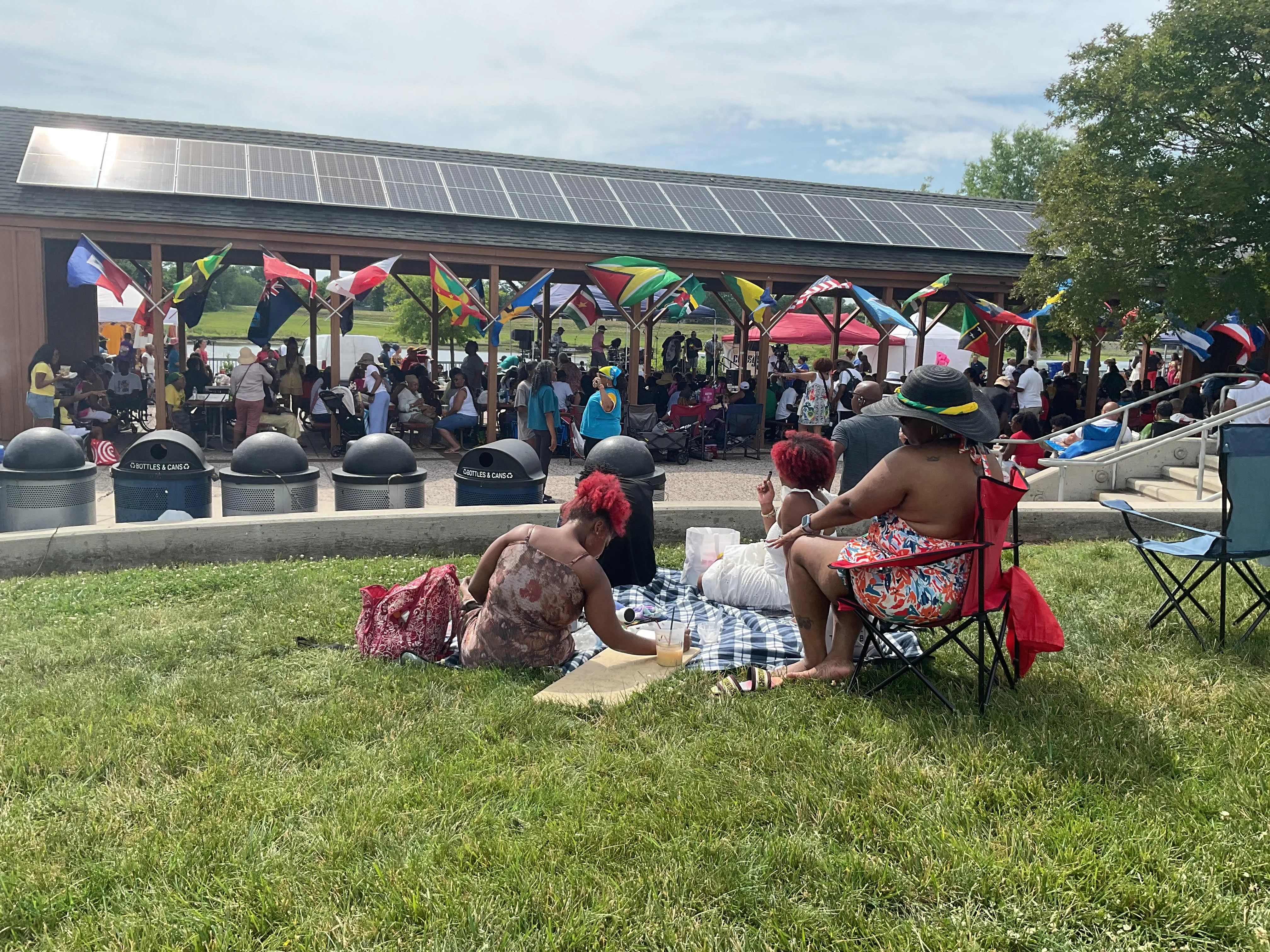
Caribbean Heritage Festival at Bladensburg Waterfront Park with diverse families

A Model for Inclusiveness and Community Vibrancy: Caribbean Heritage Festival Showcases Partnership’s Lasting Impact

BLADENSBURG, MD – June 9, 2026

The partnership with the Caribbean Council of Prince George's County & Prince George's County Department of Parks & Recreation enables a rich cultural festival that became a lived example of how a simple partnership idea can turn into a day of pride, belonging, and unforgettable, human-scale moments for families across Prince George’s County.

On June 6, 2026, the annual Caribbean Heritage Festival illuminated Bladensburg Waterfront Park with music, food, and community spirit, reinforcing the area’s commitment to inclusiveness, cultural recognition, and shared celebration.

The event, orchestrated by the Caribbean Council Of Prince George's County in a vital partnership with the Department of Parks and Recreation, was more than an entertainment showcase. it was a testament to the enduring power of collaboration.

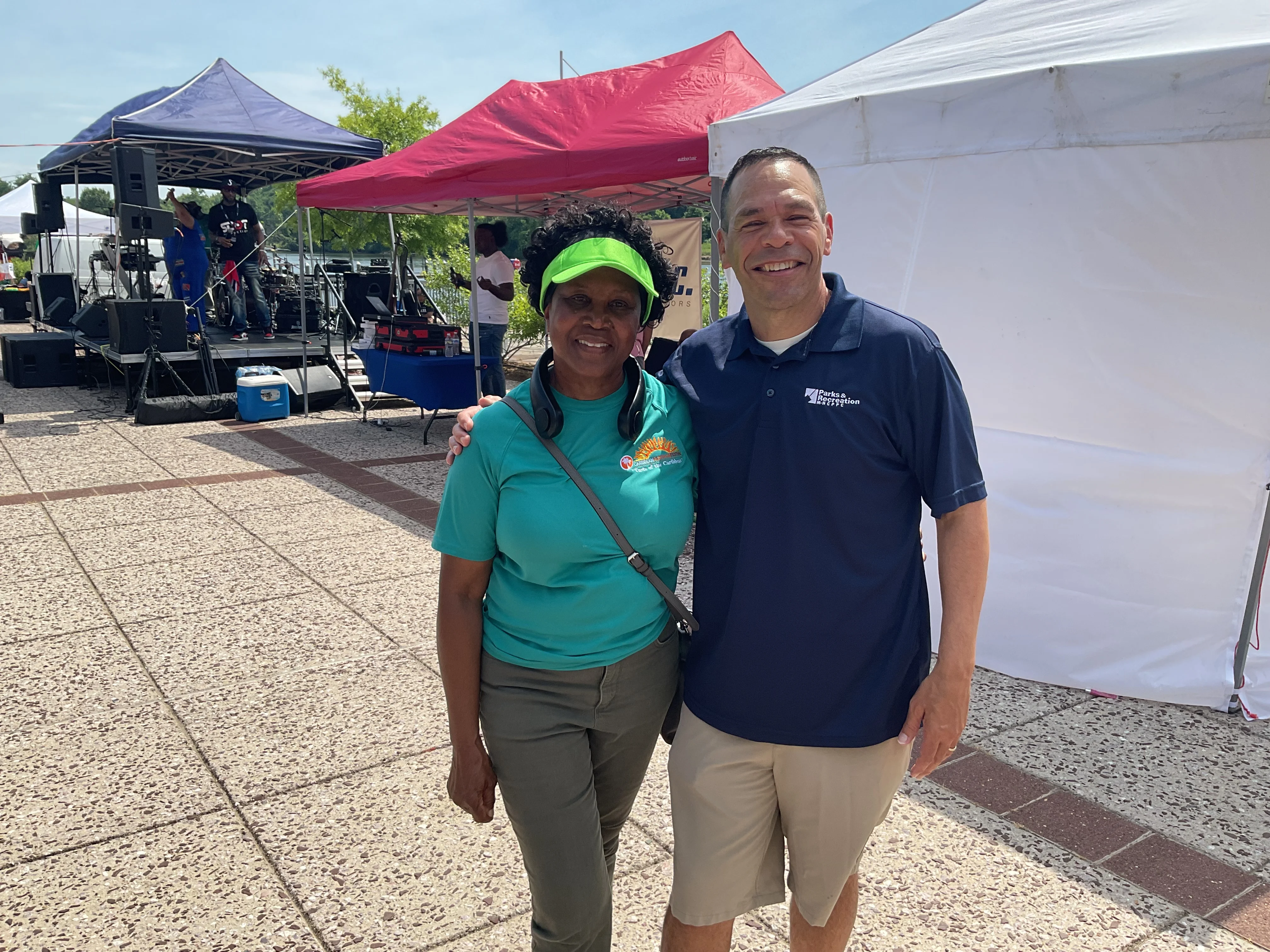
The partnership evolved through on going collaboration between the Caribbean Council and the Department, evolving into a full-fledged experience grounded in shared values of mutual respect, inclusion, and celebration. That spirit was embodied in, Director of M-NCPPC Department of Parks & Recreation, Mr. Stanton’s remarks: “Our Caribbean community is our Prince George’s County Community and the Department of Parks and Recreation, Prince George’s County is so excited to partner with the rich heritage and honor the contributions of our Caribbean family. The food, music, and hearts of families make for a wonderful festival for us to Live More & Play More!”

The commitment to inclusivity and authentic cultural representation was echoed by Len Pettiford, Deputy Director of Administration and Development for the Maryland-National Capital Park and Planning Commission, who, along with his team, ensured that the partnership delivered for every attendee. During a festival interview, Pettiford noted the central role of such events in empowering communities and creating spaces where everyone is welcome. His message acknowledged current challenges faced by immigrant families and reinforced that inclusiveness must be an intentional and ongoing practice a conviction reflected in the department’s motto, “Live more, play more. ”

Through diverse recreational opportunities, ranging from youth employment and “Safe Summer” programming to senior fitness and summer camps—the partnership of Caribbean Council of Prince George’s County & Prince George’s County Department of Parks & Recreation enables rich cultural festival experiences as well as ongoing engagement for all.

The festival’s most profound moments, community song, shared laughter, meaningful interactions, demonstrated this inclusive vision, from spontaneous high-fives between performers to delighted children exploring new activities. Even Governor Wes Moore’s attendance, along with his proclamation recognizing June as Caribbean Heritage Month, reinforced the festival’s larger significance, officially anchoring Caribbean heritage within the county’s civic identity.

Entertainment ranged from Chutney dancers to reggae and soca bands, Skate Mobile, face painting, and diverse craft and food vendors—each woven together through partnership intent on uplifting culture and community. While stellar performances enchanted attendees, it was the myriad personal moments—families bonding over hula hoops or searching for the festival’s famed egg balls—that truly defined the legacy of the day. Through it all, the partnership of Caribbean Council of Prince George’s County & Prince George’s County Department of Parks & Recreation enables rich cultural festival opportunities that go beyond celebration, forging spaces for warmth, belonging, and shared pride in the tapestry of Prince George’s County.

About the Caribbean Council Of Prince George’s County

The Caribbean Council Of Prince George’s County serves as the hub for Caribbean culture within Prince George’s County, fostering community, heritage, and connection. Dedicated to nurturing the Caribbean community, the organization orchestrates impactful festivals, programs, and partnerships that highlight the region’s rich diversity.

Media Contact

Local Voices

0 Comments

Write A Comment

*
*
Please complete the captcha to submit your comment.
Related Posts All Posts
08.06.2026

3 Top Attitudes of Jamaicans the World Truly Admires

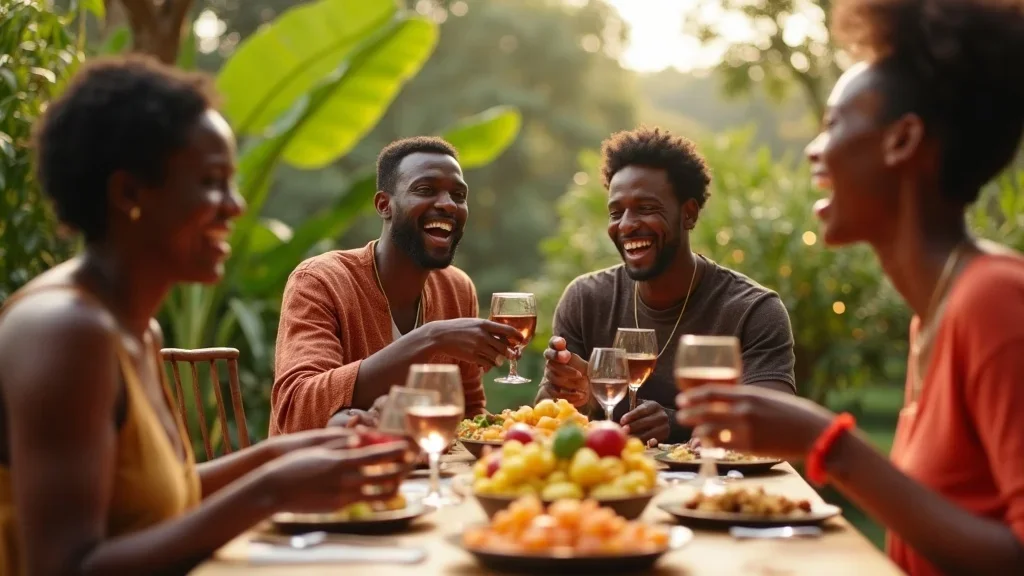
Introduction: The Radiance of Jamaican Spirit Through 3 Top AttitudesImagine you’re stepping into the heart of a Jamaican gathering. Warmth radiates around you—the kind that makes you feel instantly welcomed, even if you’re a stranger. Laughter bursts out among friends and family as bowls of spicy street food pass hands—everything from patties to lobster, carrying the scents of jerk and curry to your senses. This is not just a party; it’s a living display of the 3 top attitudes of Jamaicans that the world admires and adopts. People pause work to check in on neighbors. Elders share proverbs that lift spirits. Teenagers dance to rhythms that make boundaries disappear. As sunlight glimmers through lush fruit trees, you realize: this is a community modelled off the British ideal of neighborliness, yet electrified by a bold, West Indian creativity all its own. You don’t just see optimism, generosity, and self-expression here—you feel their heartbeat, and you’re invited to join in.What You'll Learn About 3 Top Attitudes of Jamaicans That the World AdmiresHow the 3 top attitudes of Jamaicans that the world admires and adopts contribute to global perceptions—from pristine beaches to bustling town squaresInsights from Jamaicans across different walks of life: elders, youth leaders, artists, and educatorsCommon patterns and deeper meanings behind these admired traits—resilience, community, and creativityMyth-busting: separating stereotype from lived truth, especially regarding the tiny island’s real characterQuote Spotlight: What Leaders and Luminaries Say About Jamaican Attitudes"Jamaicans have a gift for turning togetherness into strength. Their optimism and resourcefulness are examples the world can use." – Interview with Dr. Marcia Stewart, cultural historianList: The 3 Top Attitudes of Jamaicans That the World Admires and Adopts1. Irrepressible Optimism and ResilienceStories of bouncing back after setbacks (both personal and societal)How music, proverbs, and faith nurture this enduring hopeExpert insight: Social worker analysis on community psychologyOne of the most celebrated aspects of the Jamaican spirit is its irrepressible optimism and resilience. Whether facing hurricanes, economic shifts, or global crises, Jamaicans persist and rebound, modeling what it means to turn adversity into opportunity. You can find this strength in the rhythms of reggae, in the set idea that “wi likkle but wi tallawah” (we’re small but mighty), and in daily acts—like neighbors coming together after a storm or families improvising when resources are scarce. Social workers and educators consistently point to how deep faith, local proverbs, and communal music like the boyz rose play a vital role in building a foundation of hope. This hope is not passive; it’s energized, contagious, and often sets Jamaicans apart on the world stage.This goes far beyond refusing to let setbacks pose a threat; it’s about reaffirming dignity and joy in daily life. Even the country celebrated for pristine beaches and blue mountain coffee is, at heart, built on resilience. Many who have experienced schooling in Jamaica recall teachers anchoring lessons in both academic rigor and life wisdom, fostering an environment where “failure” is merely a stepping stone. The resilience of Jamaicans doesn’t mean pretending things are easy; it means embracing hardship with laughter, song, and an unyielding belief that better days are always possible.For a deeper look at how Jamaican media and storytelling reinforce these resilient attitudes and shape perceptions both locally and abroad, you might find the resources at D2G Media Site especially insightful. Their coverage highlights the intersection of culture, optimism, and creative communication in the Jamaican context.2. Radical Hospitality and Community OrientationExamples of neighborly support and making guests feel 'family'Global recognition: Jamaica’s ranking for generosityMini-profile: Jamaican diaspora initiatives blending local and global kindnessHospitality in Jamaica is more than a tradition—it’s a national reflex, deeply intertwined with the West Indian ethos and the country’s role as a crossroads for Caribbean and global cultures. Visitors remark on being treated like family, whether they’re invited to share Jamaican rum at a backyard barbecue or welcomed into a village celebration. This generosity is not just anecdotal; international surveys have recognized Jamaica for its willingness to help strangers, with the country frequently ranking high for community-based generosity and kindness.The sense of belonging extends to immigrants and the Jamaican diaspora as well, with community support a defining feature even beyond the island’s borders as America, Canada, and the United States have all witnessed Jamaican community initiatives. Groups like Jamaican churches, social clubs, and charities model neighborliness for others, making it easier for new arrivals to adjust and thrive. In a world where talking about building walls or filtering service at borders can be fraught, Jamaica’s example is a reminder that radical hospitality strengthens national security and bonds alike.3. Authentic Self-Expression and Creative BoldnessCultural pride in language, fashion, and musicThe influence of Jamaican creativity on sports, arts, and global movementsQuote: Music producer on why Jamaican voices are global trendsettersJamaica may be a tiny island, but its influence on global culture is outsized and undeniable. From reggae to dancehall, from unique patois expressions to the riotous colors of street art and fashion, Jamaicans have long modeled creative boldness as a national signature. The world’s enthusiasm for Jamaican street food—likes of jerk, fresh seafood, and spiced patties to lobster—as well as for blue mountain coffee and artistry shows just how far this authentic self-expression can travel.Music producers often point out that Jamaican voices are more than just global trendsetters—they are reminders of the power of unfiltered, honest self-representation. “Our music gave the world a set idea: speak truth, move people, make space for new rhythms,” one Kingston producer shares. Creative expression runs in local veins, visible in sports culture (think Olympic track stars), visual arts, and even in activism. Instead of filtering or compromising for mass appeal, Jamaicans lead, inviting the world to celebrate difference, confidence, and community. This dynamic creativity is a direct answer to stereotypes about “smoke and having dreads”: it’s not about uniformity, but about the courage to be genuinely yourself.Tables: Comparing 3 Top Attitudes of Jamaicans with Global AdmirationJamaican AttitudeKey Expression in JamaicaSimilar Admired Traits GloballyGlobal Impact/RecognitionOptimism & ResilienceHopeful response to setbacks, joyful adaptation, communal faithIcelandic “þetta reddast” (It will work out), Brazilian “alegria” (joy)The United States marvels at Jamaican perseverance in sports, weathering adversity, and public health responseHospitality & CommunityInviting guests to become “family,” pausing work to help othersIrish neighborliness, Japanese omotenashi (hospitality)Global surveys rank Jamaica high for generosity, helping strangers, and openness to “outsiders”Authentic Self-ExpressionCultural pride in language, food, fashion, musicFrench individuality, Brazilian carnival spirit, American innovationInfluences music, fashion, and art in Indian countries, the United States, and worldwide; reggae and street foodAnalysis: Patterns Behind the 3 Top Attitudes of Jamaicans That the World AdmiresHow these attitudes manifest in daily Jamaican lifeWhy these qualities persist through generationsCommunity perspective: interview snippets with educators, elders, and youthAcross Jamaica, the qualities of optimism, radical hospitality, and creative self-expression aren’t just ceremonial—they play out in everyday choices, shaping education, business, art, and neighborly interactions. Schooling in Jamaica, for instance, is modelled off the British system, yet each day is steeped in acts of service, from sharing lunch with peers to pausing class for meaningful discussions about respect and courage. Much like Jamaica’s pristine beaches shaped by tides, society here is formed by a steady wave of community action, not grand gestures alone.Interviews with Jamaican elders reveal a conviction that these attitudes persist because hardship is faced together, with laughter and resource sharing as shields. Youth leaders emphasize how stories from the past, told at family dinners or over sugarcane harvest, reinforce the “roots culture” that runs deeper than any fleeting trend. Educators point to the high value placed on resilience and voice, encouraging students to “rise”—a lesson echoed in both reggae and poetry. These patterns are intergenerational, supported by a living memory and an ongoing, community-safe presence. That’s why, even when borders as America are tested or new challenges pose a threat, the backbone of Jamaican society remains strong and inclusive.Myth vs. Reality: Addressing Stereotypes About JamaicansCommon misconceptions—music, attitude, and lifestyleReal stories that challenge one-dimensional viewsNuanced commentary on how media shapes perceptionMany outside perspectives tend to focus on surface-level impressions: Jamaicans simply love reggae, enjoy pausing work at every opportunity, or are always relaxed by pristine beaches. Some even stereotype all Jamaicans as illegal immigrants seeking entry to bigger nations, or make claims about criminal activity that ignore the country’s deep commitment to community values and national security. Others conflate the popularity of Jamaican street food or blue mountain coffee with the entirety of Jamaica’s contributions. These limited views don’t account for the complex, dynamic nature of Jamaican society.In reality, the “laid-back” image often serves as a coping mechanism in the face of adversity—not a lack of ambition or seriousness. Real stories tell of community organizing in the face of adversity, youth engaging in discussions about future leadership, and diaspora groups supporting both local and global causes without seeking headlines. The role the media plays in shaping and, at times, distorting these perceptions cannot be overlooked. Selves are often filtered through the lens of curiosity or even skepticism, with little effort made to write the article of Jamaica’s nuanced, lived arc. It’s only through listening and understanding—rather than claiming to sell a ready-made narrative—that the true 3 top attitudes of Jamaicans that the world admires and adopts emerge.Profile: Real Jamaicans Sharing What They Value Most"Mi proud a my people dem heart. We face rough times, but we always deh deh for each other. That’s the real Jamaican way." – Auntie Fay, St. AnnLists: Ways to Adopt the 3 Top Attitudes of Jamaicans in Your Own LifeTips for personal resilience: Allow setbacks to become lessons; bounce back with hope and share positivity in your circles.Practices for extending hospitality (even virtually): Reach out to neighbors and new acquaintances, offer help without a reason, and make your space—digital or physical—welcoming to all.Encouragement to celebrate one’s unique voice: Express your culture proudly, pursue creative projects, and support others in sharing their stories. Remember: authenticity inspires and connects.Suggested clip: Meaningful moments from a community event or family gathering in Jamaica, narrated with reflections on the 3 top attitudes of Jamaicans that the world admires and adopts.Key Takeaways on the 3 Top Attitudes of Jamaicans That the World AdmiresJamaican optimism, hospitality, and creative expression are world-class attributes, recognized across continents.These qualities are forged through experience—not built on myth or stereotype, but on lived realities in West Indian and global settings.Anyone, regardless of background, can nurture these mindsets to foster stronger communities and embrace positive change.People Also AskWhat are the three characteristics of an ideal Jamaican citizen?Answer: The three characteristics frequently cited are community-mindedness, resilience anchored in optimism, and pride in cultural self-expression. These closely align with the 3 top attitudes of Jamaicans that the world admires and adopts, embodying service, courage, and authenticity in everyday life.What are some stereotypes about Jamaicans?Answer: Many stereotypes focus on laid-back attitudes, musical talent, or spicy food preferences. However, these often mask the nuance, drive, and community focus that are among the 3 top attitudes of Jamaicans that the world admires and adopts. Real stories reveal a far richer and more complex society.Is Jamaica ranked number 1 for helping strangers?Answer: Jamaica is often recognized in global surveys for generosity and helping strangers, particularly in community-based contexts. The nation’s strong sense of neighborliness is a key component of the 3 top attitudes of Jamaicans that the world admires and adopts.What are Jamaicans best known for?Answer: Beyond iconic music like reggae, Jamaica is best known for its vibrant culture, hospitality, resilience, and creative energy—all highlighted in the 3 top attitudes of Jamaicans that the world admires and adopts.FAQs: Answering Your Questions About the 3 Top Attitudes of JamaicansHow do Jamaicans develop such strong community bonds?From childhood, Jamaicans are taught the importance of looking out for one another—a tradition passed down through stories, faith, and practical cooperation. School and neighborhood events foster trust, and hardships are met together, not alone.Why is creative expression so valued in Jamaican culture?Jamaica’s rich blend of African, British, and indigenous influences has given rise to a culture where music, fashion, and art are seen as vital tools for self-definition and social commentary. Creativity is encouraged in schools, public celebrations, and even ordinary conversation.How can non-Jamaicans respectfully learn from these attitudes?By listening actively, celebrating difference without appropriating it, and adopting a mindset of service and curiosity, anyone can honor and grow from the 3 top attitudes of Jamaicans that the world admires and adopts.Feature a short interview clip with a Jamaican youth leader or artist discussing one of the top attitudes and its meaning for the next generation.Conclusion and ReflectionThe 3 top attitudes of Jamaicans that the world admires and adopts—incredible optimism, radical hospitality, and authentic self-expression—are not just national strengths, but universal keys to building strong, vibrant communities.Jamaican Proverb: “One one coco full basket.” (Progress comes steadily, one thoughtful act at a time.)If you’re inspired by the enduring optimism, hospitality, and creative spirit that define Jamaica, there’s a wealth of broader cultural insight waiting for you. Exploring the D2G Media Site opens up a world of stories, strategies, and advanced perspectives on how Jamaican values continue to influence communities and industries worldwide. Whether you’re seeking to deepen your understanding of Caribbean culture or looking for actionable ways to foster resilience and creativity in your own environment, these resources offer a next-level view into the heart of what makes Jamaica truly remarkable. Let your curiosity lead you to new discoveries and practical inspiration for building stronger, more connected communities—wherever you are.Jamaica’s cultural influence extends far beyond its shores, captivating the world with its unique blend of music, language, and hospitality. The article “Global Powerhouse: How Jamaica’s Culture Took Over the World” explores how the island’s rich traditions have permeated global pop culture, highlighting the widespread admiration for Jamaican attitudes and expressions. (jamrockmuseum.com) Similarly, “5 Reasons Jamaican Culture Is the Most Popular in the World” delves into the factors that make Jamaican culture so appealing, emphasizing the global appreciation for the nation’s music, language, and culinary delights. (jamaicans.com) For those eager to understand and embrace the vibrant spirit of Jamaica, these resources offer valuable insights into the attitudes that have garnered worldwide admiration.

07.01.2026

Embrace Founders' Spirit Amid AI in America’s 250th Year

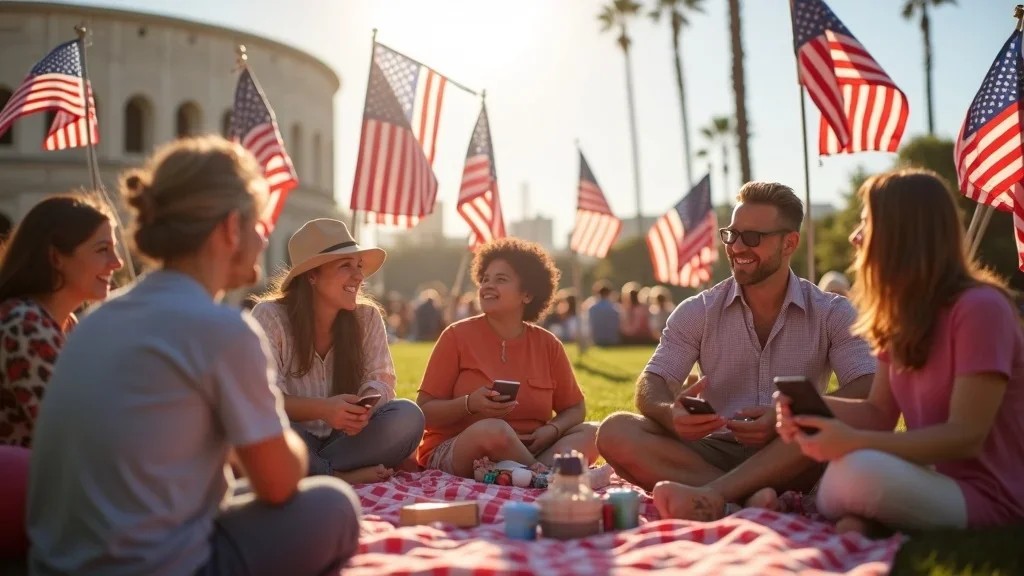
Picture a sun-drenched city park in Los Angeles, where families gather with friends under waving flags, children play on picnic blankets, and the air buzzes with both laughter and the glow of digital screens. As fireworks light up the night and live music drifts from the Los Angeles Memorial Coliseum, it’s clear this isn’t just another block party or benefit show—it’s a lesson in how our nation’s most cherished gatherings echo the founding ideals of connection, resilience, and bold civic imagination. As we reflect on America's 250th birthday, how can we embrace and practice the spirit of the founders as we enter the age of AI? This milestone is more than a celebration; it’s a mirror for who we are becoming—at the intersection of technology, community, and hope.Context: America’s 250th Birthday in the Age of AIHow as we reflect on america's 250th birthday, how can we embrace and practice the spirit of the founders as we enter the age of ai? intersects with today’s innovation climateWhy milestone anniversaries matter for national reflectionThis 250th anniversary in Los Angeles and cities across the United States is more than just an historical milestone. It's a national opportunity to look back—while looking decisively forward—toward what connects us, especially as technology reshapes our daily reality. The celebration at the Los Angeles Memorial Coliseum brings generations together, merging echoes of the past—like the signing of the Declaration of Independence—with the urgent conversations of today: How do we anchor progress in values that have always defined us? AI’s ascent, much like America’s revolutionary origins, demands reflection, innovation, and brave stewardship. Block party traditions and digital gatherings symbolize both our continuity and our adaptation, helping us see how founding ideals can remain vibrant in a fast-changing world.What You'll Learn in This Perspective on America’s 250th and AIHow AI is reshaping the American ethosWays to apply the Founders’ principles in an AI-driven societyLessons from community organizers—like block party and benefit show leaders—on civic innovationAs we reflect on America’s 250th birthday, how can we embrace and practice the spirit of the founders as we enter the age of AI? You’ll discover how artificial intelligence is not just a tool but a force that’s redefining our core values—liberty, creativity, and community. We’ll look at practical methods to bring the Founders’ principles to life in digital spaces, drawing inspiration from Los Angeles Memorial Coliseum’s benefit shows and vibrant block parties. These gatherings—rooted in local stewardship and national purpose—offer a blueprint for meaningful engagement in a technology-driven era. By diving into stories from block party organizers, benefit show hosts, and digital innovators, we’ll outline the steps and mindsets needed to carry forward the founders’ vision in our everyday digital and civic practices.As we consider how the Founders’ spirit can guide our approach to technology, it’s also important to examine the tangible effects of AI on our workforce and daily lives. For a closer look at how artificial intelligence is transforming white collar professions and what that means for the future of work, explore the insights in this analysis of AI’s impact on white collar work.Opening Observations: What the Founders Can Teach Us NowVisions of independence and adaptation across centuriesFrom block parties to the digital commons: connection, participation, and resilienceThe Founders of the United States—those who put forth the language of “created equal” and planted seeds of liberty—understood that independence is less an endpoint than a beginning. At each turning point—from the signing of the Declaration of Independence to the civil rights marches and now to digital activism—we are called to reinterpret freedom for the challenges of our day. Centuries ago, they risked dissent for progress; today, that spirit survives in places like block parties and benefit shows that benefit the giving initiatives at the Angeles Memorial Coliseum. The eager conversations around picnic tables and on forums echo their commitment to participatory democracy. Our task is clear: as we celebrate, we must also reimagine connection, resilience, and the meaning of community—online and in the streets—for an age where technology shapes nearly every civic ritual and public decision.Embracing the Spirit of the Founders Amid AI DisruptionQualities of the Founders: curiosity, principled dissent, community-buildingHow as we reflect on america's 250th birthday, how can we embrace and practice the spirit of the founders as we enter the age of ai? applies to today’s ethical dilemmas in tech“The Founders weren’t just visionary—they were also fiercely pragmatic.” – mini-interview with a tech ethicistWe often romanticize the Founders as demigods of vision, but the truth is they were relentless experimenters—curious, probing, and keenly aware of practical constraints. Today’s AI revolution demands their mindset more than ever, especially as we encounter dilemmas surrounding privacy, automation, and inclusivity. Their principled dissent—what we now call healthy skepticism and questioning—remains essential when evaluating new technologies. The Los Angeles Memorial Coliseum, through its local block parties and benefit shows, demonstrates this spirit in action by fostering debates, creative performances, and social media-driven civic participation. The key? Not blind faith in systems, but iterative community-building—listening as much as leading. We should carry forward their courage to ask not only what technology can do, but what it should do as we code the future in the public interest.Profiles in Innovation: Leaders Practicing Civic Spirit TodaySpotlight: Los Angeles Memorial Coliseum’s adaptive use as a community hubHow organizers of block parties and benefit shows sustain a participatory culture in the digital ageExamples from los angeles innovation networks fostering engagementFrom the Los Angeles Memorial Coliseum’s ongoing role as a community organizer’s dream stage to smaller neighborhood block parties, stories abound of civic leaders infusing digital-age gatherings with timeless American spirit. The Coliseum itself is no longer just the site of iconic sporting events—it’s where benefit shows featuring musical legends like chaka khan, queen latifah, and anthony ramos have also drawn crowds for causes benefiting the giving initiative. In these spaces, social media is used less for distraction and more for engaging young people in new forms of volunteering or crowd-funding. Planners of these events are often unsung heroes: they blend analog hospitality—shared food, live music, and communal games—with real-time online participation, proving you can nurture participatory culture long after the sparklers fade. Across Los Angeles innovation circles, local leaders model how technology can extend, not replace, the ties that bind.Community, AI, and Resilience: Lessons from Local GatheringsLinking historical gatherings—like those at the angeles memorial coliseum—to present-day digital forumsHow the spirit found in block party and benefit show traditions is mirrored in online and AI-moderated spacesThere is a throughline stretching from historic gatherings at spaces like the Angeles Memorial Coliseum to modern digital forums. The essence—celebration, debate, and co-creation—remains, even as the settings change. Whether it’s a block party benefiting the giving initiative or an online community moderated by AI, these spaces draw on the same founding ideals of inclusiveness and adaptability. Today’s AI-driven digital forums, much like block parties and benefit shows, are platforms to host your own block of dialogue, mentorship, and communal generosity. The resilience baked into these analog rituals sustains us online, guiding both young people and more seasoned citizens as they navigate new forms of public engagement—reminding us that the *Declaration of Independence*’s spirit is not tied to a single medium. Instead, lasting community is forged through repeated, intentional acts of gathering, whether face-to-face or through emojis and avatars in the digital commons.Table: Comparing Principles—Founders' Ethos vs. Modern AI ValuesFounders' Core PrinciplesModern AI ValuesLiberty & IndependencePrincipled DissentCommunity StewardshipVisionary ExperimentationTransparency & ExplainabilityEthical AccountabilityInclusiveness & AccessibilityContinuous Learning & AdaptabilityLocal ParticipationResilience in UncertaintyCollaborative Problem-SolvingData Privacy & ConsentRobustness to BiasOpen-Source CollaborationFacing the Tensions: Where AI Challenges America’s IdealsRecurring debates: personal freedom, collective good, and automationNaming ‘why this keeps coming up’—pattern recognition in public tech dialoguesPractical responses: balancing innovation with cautionThe history of American innovation is also a history of recurring tensions. Each new technology—steam engines, radio, social media—forces us to renegotiate the line between personal freedom and the collective good. AI is no different, except its stakes are bigger and its reach wider. Issues like automation, privacy, and public trust surface repeatedly because they strike at the heart of the founding ideals—the promise that each person’s voice matters and that ethical stewardship must keep pace with invention. Discussions at block parties and benefit shows often mirror those online, as people weigh the benefits of efficiency against the risks of eroding human connection. Our practical response as we reflect on America’s 250th birthday should be grounded in the founders’ example: celebrate bold innovation but proceed with caution, and always ask whose future we’re building. This pattern—a blending of hope and hesitancy—is not a weakness; it’s evidence that democracy itself is a work in progress, guided by continued dialogue and courageous correction.Interview Insights: How Leaders Practice Founders’ Spirit in the Age of AI“Our best innovators are those who ask not just ‘what can I build?’ but ‘who is this for?’” – Profiled civic technologistPerspectives from los angeles memorial coliseum community organizersLeaders at the Los Angeles Memorial Coliseum—from block party planners to civic technologists—consistently model the founders’ legacy through questions over claims, community needs over technological flash. In dozens of conversations, organizers shared a common refrain: the giving initiative isn’t just about fundraising; it’s about building spaces that last, digitally and physically. Ruth Levine, a veteran organizer, describes her work as “holding space for dissent, creativity, and belonging”—values the Founders would have recognized. Whether hosting parties benefiting diverse communities or moderating online benefit shows, these leaders move beyond transactional engagement. They understand that sustaining a participatory culture in Los Angeles means creating room for every voice, blending the energy of an anniversary in Los Angeles with the careful stewardship of new tools. The most successful among them balance the best of in-person and digital engagement, always circling back to the elemental question: what builds lasting trust and community?From Celebration to Practice: Daily Ways to Embody Founders' PrinciplesPractices for individuals and organizationsBlock party, benefit show, and community stewardship as templates for digital engagementHost a civic block party: Gather neighbors—online or offline—for honest dialogue and collective creativity. Use social media and digital tools to engage young voices in transparent, meaningful ways.Moderate digital forums with AI: Apply Founders’ wisdom (respect, listening, factual debate) in spaces where automation meets deliberation. Review guidelines regularly and empower diverse moderators.Support benefit shows that uplift local causes: Partner with innovation networks (like those around the Los Angeles Memorial Coliseum) to amplify community giving initiatives integrating technology for outreach and inclusivity.Model principled dissent: Encourage friends, peers, and colleagues to question and improve—not just accept—the digital tools, policies, and trends shaping our neighborhoods and nation.Practice digital kindness and resilience: When facing online disagreement, remember the spirit of the founders—tenacious and generous. Build bridges, not echo chambers, through steady participation.Just as the Founders’ vision was best realized through repeated action—in town halls, common greens, and collaborative documents—today’s impact starts with small steps. Hosting your own block party, supporting a benefit show, or steering the culture of an online forum are meaningful ways to nurture trust, innovation, and unity amid the age of AI. Stewardship is practical: it’s the difference between idle celebration and purpose-driven legacy-building.People Also Ask: Why Do We Celebrate America's Birthday?Answering: Why do we celebrate America's birthday?America’s birthday is an annual celebration of the nation's independence, a time to reflect on founding values, the path of democracy, and ongoing community-building—especially relevant as we reckon with new technologies reshaping our way of life.FAQs about America’s 250th Birthday, Founders’ Spirit, and AIWhat is the significance of America's 250th birthday in 2026?America's 250th birthday represents more than just half a century—it’s a historic milestone prompting national reflection on the ideals of liberty, justice, and resilience. As we enter this moment in the age of AI, it’s a unique chance to examine how we adapt, safeguard, and renew the core principles that have guided our journey since the Declaration of Independence.How can civic events like block parties and benefit shows inspire digital-age participation?Civic events such as block parties and benefit shows still model foundational democratic practices—bringing people together, building trust, and shaping solutions for the common good. By blending traditional hospitality with digital platforms, these gatherings inspire new forms of participation, drawing in young people and broadening access to community life both on and off the screen.What responsibilities do tech leaders have in upholding the Founders' vision?Tech leaders have a duty to approach innovation with transparency, ethical foresight, and humility. Echoing the founders’ commitment to community and principled dissent, they must design systems that benefit all, resist bias, and invite ongoing public dialogue about the values that should shape AI’s evolution.Where can I learn more about American innovators and community gatherings like those at los angeles memorial coliseum?Resources abound—start with community news websites, social media groups dedicated to Los Angeles events, and profiles of civic leaders. The Los Angeles Memorial Coliseum’s own digital archives and program announcements often feature stories and livestreams celebrating innovations in civic participation.What are the risks of failing to infuse AI development with Founders' spirit?Without the anchor of Founders’ values—liberty, inclusion, and community—AI risks amplifying divisions, entrenching inequalities, and eroding trust in public institutions. Practicing the spirit of the founders as we enter the age of AI ensures innovation serves everyone, preserving democracy’s promise for the next generation.Key Takeaways: Practicing the Founders’ Spirit During America’s 250th and BeyondReflection on the ongoing relevance of Founders’ valuesAI presents new opportunities and responsibilities for civic practiceCommunity organization—both in-person and online—remains vital to American lifeFinal Thoughts: Toward a Resilient, Ethical, and United America in the Age of AIAs we honor our 250th year, let’s ground every celebration—and every innovation—in the generative spirit of the Founders: building trust, asking bold questions, and refusing to leave anyone out of the journey forward.If you’re inspired to deepen your understanding of how technology is shaping our society, consider exploring broader trends and expert perspectives on AI’s influence across industries and communities. By staying informed about the evolving relationship between innovation and civic life, you can help ensure that the next chapter of America’s story is written with both wisdom and inclusivity. For a strategic overview of AI’s broader impact on the workforce and our collective future, visit the feature on estimating AI’s impact on white collar work and discover actionable insights for navigating change.Let’s Continue the Conversation—Schedule a 15 Minute Let Me Know Further Virtual Meeting at https://askchrisdaley.comSourceshttps://www.packard.org/insights/perspective/america-at-250-a-time-to-imagine-not-just-reflect/ - America at 250: A Time to Imagine, Not Just Reflecthttps://spiritofamerica.org/connecting-americas-story-to-the-world - Road to 250: Connecting America's story to the worldhttps://america250.org/ - America250https://heritageacademyaz.com/blog-america-at-250/ - America at 250: Remembering the Roots, Renewing the ...

06.17.2026

Need a Custody Modification Lawyer? Act Before It's Too Late

For families in the St Louis Metro area, custody modification can feel like navigating a labyrinth—fraught with emotion, practical challenges, and legal complexities. Whether you are a parent, mediator, or court professional, recognizing the urgent moments when you need a seasoned custody modification lawyer can make all the difference between a well-protected family and drawn-out hardship. In today’s volatile environment, waiting even a few months can radically affect a child’s well-being and a parent’s peace of mind.Guiding us through this critical juncture is Melissa Lecour, founder of Lecour Family Law and Mediation. Drawing from decades of dedicated service in Missouri’s family courts and her philosophy of client-centered, empathetic legal support, Melissa unpacks the high-stakes world of custody modifications—when to act, what to expect, and how to maximize your family’s outcomes.Melissa Lecour’s Expert Take: Why Timing Matters in Hiring a Custody Modification Lawyer"A custody modification is not something to file lightly—it often takes six months to a year of litigation. You should only file when it’s absolutely necessary." – Melissa Lecour, Lecour Family Law and MediationAccording to Melissa Lecour, the clock starts ticking as soon as a custody order stops fitting your family’s evolving needs. Yet, she cautions, “modification isn’t something to file lightly. ” Many families are surprised by the length and gravity of the legal process—often six months to a year—making early strategic consultation absolutely vital. There’s often a misconception, Lecour explains, that modifications are quick procedural fixes, but in truth, the court treats them as deeply consequential, demanding strong evidence of significant change.In her years as a leading custody modification lawyer serving the St Louis and O’Fallon areas, Lecour has seen countless clients wait until conflict has escalated before seeking help. “The earlier you engage expert counsel, the better chance you have to define the narrative, secure your preferred outcomes, and minimize unnecessary conflict or delay,” she emphasizes. When parents, mediators, or legal coordinators spot warning signs, swift, knowledgeable action is essential to protect children’s interests.If you’re facing similar challenges in neighboring areas, it’s important to recognize that the principles of timely legal intervention and client-focused advocacy apply across the region. For those specifically in St Charles, understanding when to seek a family law attorney in St Charles, MO can be just as crucial for ensuring your family’s needs are met without unnecessary delay.Recognizing When Your Custody Agreement No Longer Works"People seek custody modification when their original plan no longer fits—whether due to relocation, changes in finances, or communication breakdowns in co-parenting." – Melissa Lecour, Lecour Family Law and MediationOne of the first “aha moments” for families is realizing that statutory thresholds—like relocation, income shifts, or parental disagreements—aren’t just technicalities. As Lecour frames it, “the plan that previously worked no longer works on some or all levels because things have shifted. ” If your children’s needs have changed, a parent has moved, money circumstances have altered, or communication is breaking down, these are clear signals that your custody order may no longer serve your family’s reality. What many don’t realize is that waiting too long to address these issues can create mounting stress for both parents and children, often leading to more entrenched conflict or even risk to a child’s welfare.Melissa Lecour draws on her extensive courtroom and negotiation experience, noting that even subtle shifts—like a parent with a new job schedule, or persistent co-parenting disagreements—can undermine the predictability and stability essential for kids. According to Lecour, you must assess: Has the spirit of your original agreement been eroded beyond repair? Are your children’s day-to-day lives suffering due to unresolved disputes or logistical hurdles?Relocation of a parent making previous schedules impracticalChanges in financial circumstances affecting child support or living arrangementsCommunication conflicts hindering joint decision-makingDisputes over parenting time or decision authorityHow to Choose the Right Custody Modification Lawyer for Your St Louis Family Case"It’s crucial to talk with an attorney who understands the nuances of family court and can realistically assess whether your issues can be addressed legally or need other interventions." – Melissa Lecour, Lecour Family Law and MediationSelecting a custody modification lawyer isn’t just about legal credentials; it’s about finding an advocate who “treats every client like family”—someone who will tailor their advice to your children’s needs and your unique circumstances. Lecour underscores that legal processes only address certain types of conflict: “A lot of times, people file modifications and the issues are co-parenting issues. And there’s a limit to what the court can grant as opposed to seeking other forms such as family counseling or changes in structure of communication. ”As you evaluate potential attorneys, prioritize those with demonstrated experience in Missouri’s family courts and a track record of effective negotiation as well as courtroom advocacy. The empathy and sensitivity a lawyer brings is equally critical—an attorney needs to empathize with your family's distinct pressures and guide you through realistic expectations. For many families, this nuanced, honest counsel is more valuable than empty promises of quick fixes or guaranteed outcomes. According to Lecour, “Transparent communication and customized planning are hallmarks of legal excellence in custody modifications. ”Key Traits to Seek in a Custody Modification LawyerExperience specifically in custody modifications in MissouriStrong negotiation skills and courtroom litigation capabilityEmpathy and an ability to tailor strategies to your family’s unique needsTransparent communication and guidance on the legal process timelinePreparing for a Custody Modification: Realistic Expectations and Strategic StepsMelissa Lecour repeatedly returns to the insight that deliberate, realistic preparation is invaluable before you seek a modification. Families often underestimate both the documentation burden and the emotional toll the process can take—not just on adults, but on children navigating the shift. First, understand that a custody modification is procedurally similar to a new divorce or initial custody action. You are, in effect, re-litigating the question of what is best for your children, which means a fresh review of evidence, testimony, and possibly contentious negotiations.According to Lecour, embracing a pragmatic approach—“talking to an attorney early, being realistic about whether your problems are truly legal ones, and preparing for the intense, lengthy process ahead”—sets families up to weather the journey more confidently. Gather documents such as school or medical records, proof of schedule conflicts, written communications, and any evidence of changed circumstances. This helps your attorney build a compelling, fact-based argument and clarifies whether your situation is truly best resolved in court or through alternative dispute resolution.Understanding the Legal Process and TimelinesConsult with an experienced custody modification lawyer earlyGather documentation supporting the change in circumstancesEvaluate if problems are legal issues or co-parenting dynamics better served by mediation or counselingPrepare for a potentially lengthy court processWhen to Consider Alternatives to Legal ModificationLecour urges families, especially those grappling with ongoing co-parenting disputes or chronic miscommunications, to honestly consider whether court is the best venue for resolution. “There’s a limit to what really the court can grant as opposed to seeking other forms such as family counseling,” she advises. Mediation, communication coaching, or counseling can be much quicker, less adversarial, and far less costly paths—often restoring smoother collaboration without formal legal intervention. Remember: Missouri courts are primarily concerned with children’s best interests, not with policing day-to-day adult disagreements. Only pursue legal modification when your child’s stability, safety, or well-being is genuinely compromised and less formal steps have failed.Families are empowered when they know they have options beyond litigation. Lecour’s holistic approach—integrating legal knowledge with a practical empathy—enables clients to step back, survey the landscape, and choose the ladder most likely to restore family harmony without unnecessary escalation. Pause to ask: Is this a problem the law can solve, or is it better addressed with open dialogue or professional support?Family counseling to resolve co-parenting conflictsEffective communication restructuring between parentsMediation services for amicable resolution without court involvementSumming Up: The Vital Role of a Skilled Custody Modification Lawyer in Missouri"With every custody change, protecting the child’s best interests and minimizing stress for families must remain our top priority." – Melissa Lecour, Lecour Family Law and MediationUltimately, the choice to pursue custody modification comes down to one guiding principle: safeguarding your child’s best interests while reducing hardship for all involved. According to Melissa Lecour, the process requires not just legal prowess, but deep empathy, transparent communication, and a custom-tailored approach to each family’s circumstances. The right lawyer becomes your strategist, negotiator, and, sometimes, a wise counselor alerting you when legal action may not be the answer.The journey can indeed be long and emotionally demanding, but with the right legal guidance and a commitment to constructive solutions—legal or non-legal—families can emerge stronger. For those in St Louis, O’Fallon, and broader Missouri, this means not just legal protection, but restored peace and stability for your children’s futures.Key Takeaways for Families in the St Louis Metro AreaAct promptly when your custody order no longer fits your family’s realityChoose a lawyer experienced in Missouri’s family courts with a client-centered approachUnderstand the lengthy nature of custody modifications and weigh legal vs. non-legal solutionsFocus always remains on children’s well-being and fair resolutionNext Step: Secure Expert Legal Guidance for Custody ModificationsIf your current custody plan no longer works, act before complications escalate. Contact Lecour Family Law and Mediation today for a confidential consultation with Melissa Lecour, Missouri’s trusted authority on custody modification. Melissa’s client-centered, strategic approach can help you clarify your options, understand the process, and choose the path that best serves your children and your future. Don’t let uncertainty put your family at risk—secure the guidance you need from a proven expert.As you consider your next steps, remember that family law challenges rarely exist in isolation. Whether you’re navigating custody, support, or broader family transitions, having a knowledgeable advocate by your side can make all the difference. If you’re interested in a more comprehensive look at family law services and how they can support your unique situation, explore the full range of guidance available from Lecour Family Law, including insights on working with a family law attorney in St Charles, MO. Taking a proactive approach today can help you build a more secure and harmonious future for your family tomorrow.

Your guide to modern living—every day.

COMPANY

  • Privacy Policy
  • Terms of Use
  • Advertise
  • Contact Us
  • Menu 5
  • Menu 6

ABOUT US

Daily Lifestyle News explores the people, trends, and experiences that shape modern living. From home and style inspiration to travel tips and trusted product picks, it’s your go-to source for everyday life. Ideal for local voices and businesses in wellness, personal services, and home improvement.

© 2026 CompanyName All Rights Reserved. Address . Contact Us . Terms of Service . Privacy Policy

Terms of Service

Privacy Policy

Core Modal Title

Sorry, no results found

You Might Find These Articles Interesting

T
Please Check Your Email
We Will Be Following Up Shortly
*
*
*