
What does true progress look like in a world racing toward tomorrow? Sometimes, the answers are waiting in our deepest memories—echoes of freedom hard-won, communities forging hope through adversity, and voices refusing to be lost to history. As we hear the word Juneteenth, our hearts might fill with pride, pain, or a quiet urge to understand. It’s more than a marker of the end of slavery in the United States; it’s a lesson in waiting, in resilience, in retelling our story even when the world forgets. Now, as technology—especially artificial intelligence—reshapes everything from work to identity, I invite you into a rare conversation: How can the Juneteenth reflection help us embrace the age of AI, not just as consumers, but as creators and guardians of something better? Let’s walk this bridge together, drawing wisdom from the past to light our path forward.
A Shared Journey: What Juneteenth Can Teach Us About Navigating Change
The holiday of Juneteenth is fundamentally about the recognition, pursuit, and realization of freedom. On June 19, 1865—over two years after President Abraham Lincoln signed the Emancipation Proclamation—enslaved people in Texas finally received word they were free with great joy and disbelief. For Black Americans, Juneteenth is a celebration of liberation, resilience, and the struggle to retell our story amid turbulence and delay. The significance of June 19th extends beyond the larger American narrative, offering all Americans an opportunity to reflect on what it means to pursue justice, community, and dignity during times of upheaval.
In many ways, this journey mirrors our current transition into the age of AI. Today, the rapid acceleration of technology—especially artificial intelligence—presents society with exhilarating opportunity and profound uncertainty. The lessons of Juneteenth remind us that progress is rarely simple and never instantaneous; that credible transformation demands both individual reflection and collective action; and that true freedom is secured only through vigilance and repair. At this moment in our history, we can look to Juneteenth for guidance, drawing from the patience, perseverance, and community care that defined its original celebration. As we share in this reflection, leaders, technologists, and everyday citizens can discover essential principles for crossing the bridge into an AI-powered world—with eyes open, hearts steady, and a commitment to include everyone.
“Change is never easy, but the lessons of the past can illuminate the path to a more ethical and inclusive future.”

The Emotional Resonance of Juneteenth: Storytelling & Reflection
Juneteenth is etched into the American consciousness as a moment to pause—one where black communities gather not only to celebrate but to reflect on the struggle for freedom and the ongoing pursuit of social justice. For many Black Americans, this day is deeply personal, a time when family stories blend with historical memory, and the act of remembrance becomes a form of resistance against erasure. The stories passed down—of waiting for freedom, of ancestors who survived and thrived—carry emotional resonance that informs not only cultural identity but also a broader sense of agency in shaping the future.
In this way, Juneteenth offers an invaluable lesson for anyone navigating profound change. Storytelling and reflection, grounded in lived experience, can help us anchor our responses as artificial intelligence, automation, and data-driven systems reconfigure our daily lives. By honoring the emotional truths embedded in our histories, society is better prepared to ask tough questions, challenge unchecked power, and advocate for the dignity of every person—including those too often left out of technology’s promises. As we celebrate Juneteenth, let us remember that our stories, courageously told, give meaning and direction to even the most unfamiliar territory.
How Juneteenth’s Legacy Frames Our Approach to Emerging Technologies
The legacy of Juneteenth holds a mirror to today’s digital transformation. Just as the late arrival of freedom teaches us about the cost of delay, our embrace of AI must recognize how progress can further marginalize—or uplift—communities depending on who shapes the narrative. From the Emancipation Proclamation to the ongoing call for social justice, Black Americans and their allies have modeled vigilance: asking who benefits, who is harmed, and how to hold systems to account.
As artificial intelligence changes how we work, learn, and connect, it’s vital to remember that technology is never neutral. Algorithmic bias, exclusion in data, and the absence of culturally aware design echo historic patterns of neglect and harm. By infusing development and deployment of AI with the lessons of Juneteenth—emphasizing transparency, context, and community empowerment—we can ensure that innovation advances equity. The era of AI must not deepen old wounds; rather, it should offer an opportunity for ethical innovation, accountability, and a celebration of shared humanity.
What You'll Discover in This Article
- How Juneteenth invites us to reflect on freedom, agency, and innovation
- Ways these reflections inform our embrace of artificial intelligence
- Why context, community, and accountability remain essential in the age of AI
- How leaders, technologists, and everyday citizens can draw wisdom from Juneteenth
Table: Juneteenth Principles Versus AI Era Challenges
| Juneteenth Principle | AI Era Challenge | Possible Bridge |
|---|---|---|
| Resilience in the face of delay and adversity | Algorithmic bias & exclusion | Create systems that learn from diverse histories and correct bias |
| Community care and collective advocacy | Concentration of technological power | Promote participatory design and ethical oversight |
| Vigilance for justice and freedom | Opaque algorithms, lack of transparency | Demand interpretability and stakeholder accountability |
| Contextual storytelling | Erasure of minority experiences in tech | Retell our story with diverse voices and leadership |
Reflections from Community Voices: Juneteenth and the Future of AI
It is within Black communities and among leaders who bridge history and innovation that the most vital perspectives on technology emerge. As one community organizer shared, “Juneteenth is a lesson in patience and perseverance—qualities technology leaders desperately need as we shape AI’s future. ” This sentiment echoes among educators, advocates, and technologists who understand that ethical innovation is less about speed and more about stewardship.
I recently met a tech educator, a Black woman whose mission involves integrating digital literacy with historical awareness for young people. She explained, “You can’t teach coding without teaching context. Juneteenth gives my students the language of history and hope. ” In a short Q&A, an ethics researcher reminded me that overseeing the development of AI means asking difficult questions about fairness and the larger American responsibility for justice: “It’s not just a technical job. It’s about carrying the lessons of Juneteenth—care, vigilance, resilience—into every line of code and every rollout. ”
“Juneteenth is a lesson in patience and perseverance—qualities technology leaders desperately need as we shape AI’s future.” – Interview with community organizer
- Mini-profile: Tech educator bridging historical awareness with digital literacy
- Short Q&A: Ethics researcher on parallel calls for justice and oversight

Narrative Parallels: Bridging Historical Struggles with Future Opportunities
Historic Context: Why Reflection Matters in Rapidly Changing Times
Throughout the history of the United States, moments of rapid change have brought both anxiety and possibility. Juneteenth reminds us that “progress” does not always mean equity, and that every leap in technology or policy can leave some behind unless we intentionally include everyone. During slavery’s end, the news of freedom traveled slowly, delayed by distance and indifference. Today, the pace of AI’s development is astonishing, but meaningful inclusion—of Black Americans, the Jewish community, and other historically marginalized groups—remains just as urgent.
The holiday of Juneteenth offers a blueprint for thoughtful reflection amid flux. The observance of Juneteenth, now a federal holiday, is itself an act of deliberate remembering, a refusal to let the memory of delayed justice fade. By embracing historical wisdom, even as we chase innovation, we create space for better questions and deeper accountability. The ability to pause, reflect, and listen is the foundation upon which truly responsible technology must be built.
Legacy of Collective Wellbeing and Its Relevance to Technology Design
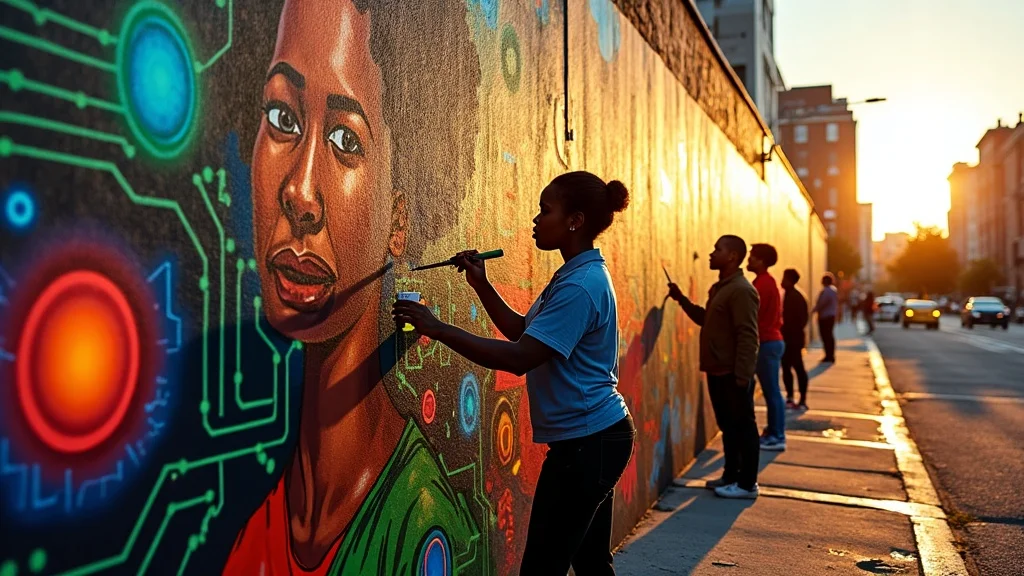
The most enduring lesson of Juneteenth is this: Sustainable freedom emerges from collective care and unyielding advocacy. Historically, Black Americans built networks of mutual support, spiritual resilience, and communal celebration—even when the larger American system fell short of its ideals. These same practices are a clarion call for the design of emerging technologies. When AI systems are shaped with input from communities that remember struggle and solidarity, they are less likely to perpetuate harm.
In technology spaces, the wisdom of “nothing about us, without us” could not be more relevant. The Jewish community, Black communities, and advocates across the United States have long insisted that we design for the wellbeing of all, not just technical efficiency or profit. Embedding the legacy of Juneteenth—its vigilance for justice, insistence on inclusion, and tradition of storytelling—into technology design is essential. When we retell our story through intentional, participatory innovation, we honor those who made freedom possible and ensure that artificial intelligence works for human flourishing, not just machine efficiency.
"Knowing our history allows us to ask better questions of our future."
Practical Takeaways: How Can the Juneteenth Reflection Help Us Embrace the Age of AI?
- Actively seek out underrepresented perspectives in AI development and deployment
- Commit to transparency and interpretability in algorithms
- Prioritize systems that support community empowerment and justice
- Practice resilience by learning from historical setbacks and victories
People Also Ask
How does Juneteenth connect to today's conversations about equality?
Answer
Juneteenth is deeply tied to ongoing conversations about equality because it commemorates the delayed promise of freedom and citizenship for Black Americans. The holiday encourages reflection on persistent injustices—reminding American people that true liberty is not fully realized until equity and justice extend to everyone. Celebrating Juneteenth fosters dialogue about historical roots of discrimination, the need for ongoing social justice work, and why every new technology, including AI, must be evaluated for its impact on marginalized communities. Through this lens, Juneteenth becomes a foundation for equality-driven approaches in policy, education, and innovation.
What is the reflection of Juneteenth?
Answer
The reflection of Juneteenth is an intentional pause to honor the resilience of those who endured and abolished enslavement while considering how their struggles inform today’s quest for justice. It’s about acknowledging the time in our history when true freedom was delayed, celebrating victories, and renewing commitment to inclusion. This reflection informs how we approach both the past and future, especially as rapid advances like AI present new challenges and responsibilities. Juneteenth’s meaning is layered: a memory deeper than Israelite bondage, a call to vigilance, and an invitation to build a more inclusive society.
Why is it important to learn about Juneteenth?
Answer
Learning about Juneteenth is crucial because it connects the significance of June 19th to the unfinished work of American freedom. It highlights the experiences of Black Americans in the United States, teaches vital lessons on resilience, and illustrates why changes—whether social or technological—must be undertaken with accountability. The holiday helps the larger American society understand why memory, vigilance, and justice matter, particularly as we enter new eras like that of AI. For technologists and leaders, it’s a reminder that progress is most meaningful when rooted in community, justice, and the wisdom of those who have struggled before us.
Is it appropriate to say "Happy Juneteenth" to black people?
Answer
Yes, but with sensitivity. Many people in the United States do exchange “Happy Juneteenth,” recognizing it as a day of both celebration and remembrance. However, it’s important to understand that Juneteenth represents profound reflection as well as joy. For Black communities and those who honor the memory of enslaved people, the greeting should be offered respectfully, acknowledging the ongoing struggle for justice and the layered meaning of the day. Listening, learning, and honoring the depth of the holiday is always appropriate.
Watch: Experience perspectives from a diverse group—elders, students, technologists, and advocates—gathered for a roundtable discussion about Juneteenth’s legacy and the ethics of artificial intelligence. Lively debate, memories of family traditions, and hopes for future technology interweave, creating a living dialogue that bridges past and present.

FAQs: How Can the Juneteenth Reflection Help Us Embrace the Age of AI?
-
What are the main lessons of Juneteenth relevant to modern tech change?
Juneteenth teaches us the value of patience, community-driven advocacy, and the need to repair structural exclusion. These lessons can guide ethical decision-making as artificial intelligence shapes our societal systems. -
How can AI professionals ensure inclusivity and justice?
By engaging Black Americans, the Jewish community, and other underrepresented voices from the start, practicing transparency, and drawing from historical models of resilience. -
What roles can community leaders play in bridging history and AI futures?
Leaders can provide platforms for reflection, curate multi-disciplinary conversations, and ensure the retelling of our story includes both technological opportunity and hard-won historical context. -
Are there concrete examples of Juneteenth values shaping technology?
Yes. Initiatives that use participatory design, address algorithmic bias, and place justice at the core of innovation often draw direct inspiration from Juneteenth’s message of hard-fought freedom and vigilance.
Key Takeaways: Embracing AI with Historical Wisdom
- Juneteenth shows the enduring value of reflection, resilience, and advocacy.
- AI’s development must be anchored in community-rooted principles.
- Dialogue across history and innovation lights the way toward responsible tech.

Final Reflections: Building a Future Worthy of the Past
"Every innovation is a chance to honor those who fought for progress—and to build a future that includes everyone."
If you're ready to explore these intersections further, schedule a 15 minute let me know further virtual meeting at https://askchrisdaley.com.
Sources
- https://evolve.reconstructingjudaism.org/juneteenth-offers-us-a-day-for-celebration-reflection-and-healing/ - Juneteenth Offers Us A Day For Celebration, Reflection, And ...
- https://forward.com/opinion/426055/juneteenth-offers-us-a-day-for-celebration-reflection-and-healing/ - Why We Remember Juneteenth
- https://today.emerson.edu/2021/06/17/a-reflection-on-juneteenth/ - A Reflection on Juneteenth - Emerson Today -
- https://www.familyeldercare.org/juneteenth-a-reflection/ - Juneteenth: A Reflection
- https://www.nassp.org/2024/06/17/six-ways-to-embrace-juneteenth-education/ - Six Ways to Embrace Juneteenth Education
- https://www.accessthevote.org/reflection-on-juneteenth/ - Reflections on Juneteenth






Write A Comment