 Add Row
  Add
Add 

When it comes to building strong, diverse, and high-performing teams, automotive employer education has rarely been more pivotal—especially in unlocking the extraordinary potential of veterans for your dealership or automotive enterprise. Yet, despite the well-established benefits of veteran hiring, persistent gaps in understanding and opportunity still keep automotive employers and this powerful talent pool apart.
Few understand these complexities better than Katie Lamphere of Veterans In Automotive, an organization resolutely committed to bridging the divide between military experience and rewarding careers in the auto industry. With an insider’s perspective, Katie shares not only why these barriers exist but also actionable steps employers can take—right now—to transform hiring practices, close skill gaps, and, ultimately, boost your team’s performance and culture.
Katie Lamphere on Bridging the Gap: Unlocking Veteran Leadership Potential in Automotive Employer Education

"The biggest misconception is that veterans don’t have the skills needed for leadership in automotive. There’s a big disconnect when it comes to their resumes and job requirements in this industry." — Katie Lamphere, Veterans In Automotive
According to Katie Lamphere, the most persistent—and damaging—misconception about automotive employer education is the belief that veterans lack skills suited for leadership roles. “There’s a big disconnect when it comes to their resumes and job requirements in this industry,” she notes, highlighting that automotive employers often overlook how multi-faceted military experience directly translates to high-value skills like discipline, adaptability, and team leadership. This misalignment compounds when veterans, facing a civilian sector filled with jargon and unfamiliar job titles, struggle to see their own fit beyond roles like sales or mechanic. The result? Teams miss out on proven leaders, and veterans miss out on meaningful opportunities—a lose-lose that can be reframed through targeted employer education.
Helping industry leaders recognize and translate military experience isn’t just about filling jobs; it’s about establishing robust pipelines of diverse leadership and technical talent. Lamphere’s unique vantage as both a veteran advocate and industry connector enables her to see, and actively bridge, these gaps. Through purposeful employer education, the automotive sector has the chance to tap strengths that are not only relevant but transformative—from operational excellence to ethical decision-making, veterans embody competencies every dealership or corporate team needs.
Why Misunderstandings Persist: Dual Disconnect Between Automotive Employers and Veterans
"Many veterans think the only jobs in automotive are sales or mechanic roles, while employers don’t fully see how military skills translate to leadership or other positions." — Katie Lamphere
At the heart of the issue lies a dual disconnect. As Lamphere explains, many employers are quick to discount military backgrounds simply because the skill translations aren’t obvious on paper. Meanwhile, transitioning veterans may only see highly visible positions—sales consultant or technician—without exposure to the full spectrum of automotive career opportunities. According to Katie, “employers don’t fully see how military skills translate to leadership or other positions,” underscoring a mutual blind spot where both sides risk missing the match that could benefit them most.
This problem is exacerbated by insufficient outreach from both ends. The automotive industry hasn’t invested the time or resources needed to truly recruit from the military veteran pool, often defaulting to traditional pipelines that don’t tap into this talent. On the other hand, military transition programs frequently lack education about the breadth of roles available in the civilian automotive sector. “We need better collaboration,” Lamphere insists—a strong call to action for coordinated industry and military efforts, designed not only to inform but to inspire both veterans and employers to explore what’s possible.
Maximizing Impact: Strategies to Enhance Automotive Employer Education for Veteran Recruitment
Creating Connections: The Power of Collaborative Recruitment Events
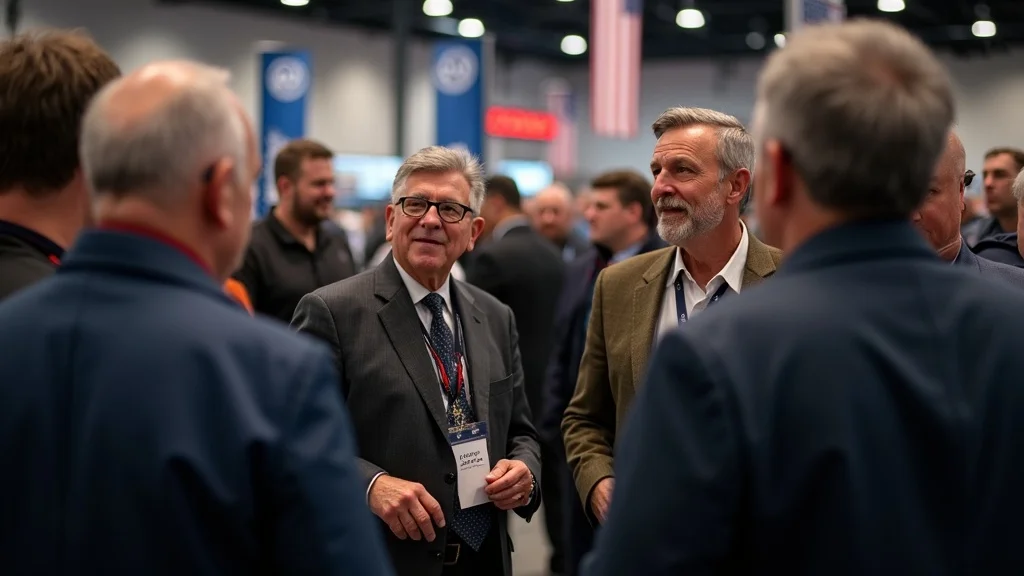
"Hosting tailored recruitment events on military installations and bringing veterans and industry leaders into the same room makes a huge difference." — Katie Lamphere
According to Lamphere, one of the most effective ways to close the veteran-employer gap is through intentional, recurring recruitment events that directly involve both parties. “Bringing veterans and industry leaders into the same room makes a huge difference,” she asserts—whether it’s at a military installation or a community center. These collaborative encounters demystify automotive career paths, put a human face on both employers and talent, and foster authentic dialogue. The annual Veterans in Automotive events, for instance, create invaluable spaces for mutual education and networking, breaking down misperceptions and unveiling opportunities that would otherwise remain hidden.
These events serve a dual function. For veterans, they offer insight-rich sessions—a “day in the life” inside automotive roles, far removed from stereotypes or outdated notions. For employers, the benefit lies in first-hand exposure to the genuinely transferrable skills military members bring: leadership under pressure, systems optimization, rapid learning, and cultural versatility. Such immersive, interactive forums are the crucible where lasting connections are forged, leading to smarter hiring and more motivated, better-prepared veteran employees.
- Annual ‘Veterans in Automotive’ events to raise awareness and share opportunities
- Showcasing a 'day in the life' to demystify automotive careers for veterans
- Educating automotive leaders on equivalent military skill sets to identify transferable talents
Leveraging Training & Resources: Closing the Skill Preparation Gap
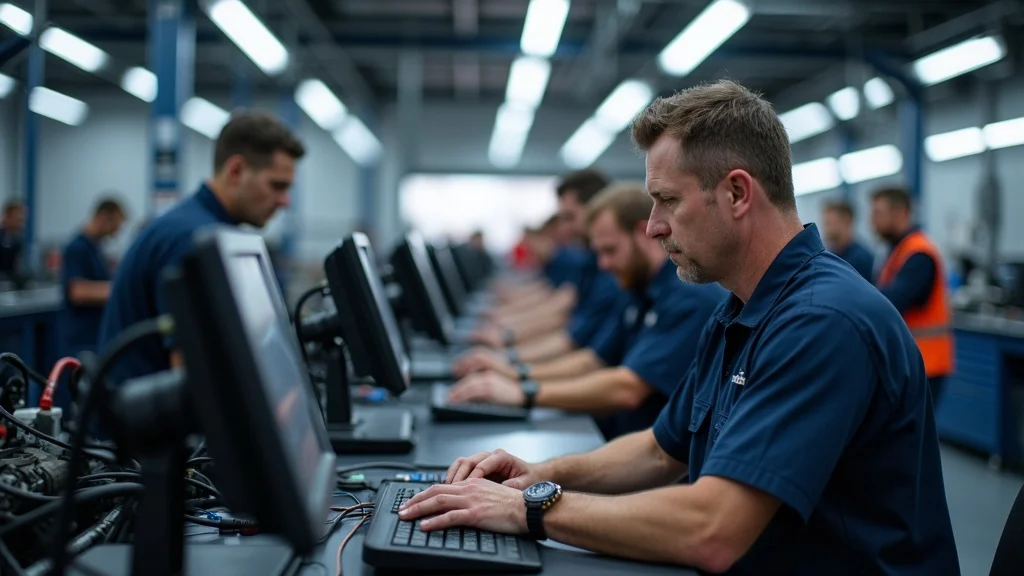
To truly maximize the impact of automotive employer education, Lamphere urges the industry to go beyond initial recruitment and address the skill preparation gap head-on. It’s not just about hiring, she emphasizes; retention and advancement depend on continuous learning and targeted support. “We need the automotive industry to be researching what programs are available,” Lamphere points out, referencing the rich array of military and government-supported training initiatives that can be adapted or integrated with civilian onboarding. By staying attuned to these options, employers can make the transition smoother and quicker for veteran hires, all while ensuring their core business needs are strategically met.
Moreover, offering additional industry-specific training post-hire, developing mentorship programs, and utilizing veteran-focused workforce initiatives further ensure veterans aren’t just brought into the fold—but are set up to excel. These resources boost not only the confidence of recent hires, but also the competitiveness and inclusive culture of the entire team. By proactively investing in skill-building and drawing from military best practices, automotive leaders effectively future-proof their organizations with highly adaptable, high-performing team members.
- Automotive industry to research and implement military and government-supported training programs
- Providing additional industry-specific training post-hire to ease veteran transition
- Utilizing veteran-focused workforce development initiatives to boost retention and performance
Background Insight: The Critical Role of Automotive Employer Education in Veteran Hiring Success

At the heart of Veterans In Automotive is a mission to facilitate strategic connections—bridging military training and real-world automotive challenges. Lamphere’s approach, rooted in deep understanding of both veteran journeys and dealership needs, ensures that each party benefits. “Recognizing veteran skills creates workforce diversity and leadership pipelines,” she stresses, referencing the broad spectrum of roles and aptitudes veterans represent. As organizations adopt more sophisticated methods to identify, respect, and nurture these abilities, the industry as a whole becomes more resilient, innovative, and inclusive.
Common misconceptions still circulate—such as the narrow belief that only direct mechanical or frontline sales roles are accessible to veterans. In reality, service members bring advanced skills in logistics, team building, operations, and technical diagnostics, opening the door to positions with far greater responsibility and growth potential. By codifying skill translations and simplifying pathways to hire, dealer principals, HR directors, and workforce coordinators can fundamentally reimagine their talent strategies.
- Veterans In Automotive’s mission to facilitate networking and education between veterans and employers
- How recognizing veteran skills creates workforce diversity and leadership pipelines in automotive
- Common misconceptions about veteran qualifications and available automotive career paths
| Military Skills | Automotive Role Equivalent | Key Transferable Traits |
|---|---|---|
| Leadership & Operations Management | Dealer/Service Manager | Discipline, Decision-making, Team Leadership |
| Technical Maintenance & Repairs | Automotive Technician | Problem-solving, Technical Aptitude |
| Logistics & Supply Chain | Inventory Control Specialist | Organization, Efficiency |
| Training & Development | Corporate Workforce Trainer | Instruction, Mentorship |
Key Takeaways: Driving Veteran Hiring Success Through Automotive Employer Education
- Recognize and translate military skills into relevant automotive leadership and specialist roles
- Foster ongoing collaboration between the automotive industry and military transition programs
- Invest in targeted recruitment events and educational initiatives tailored to veteran candidates
- Leverage government and military training programs to support veteran hiring and retention
- Create an inclusive culture that values the unique experiences veterans bring to automotive teams
Take Action: Connect with Veterans In Automotive to Accelerate Veteran Hiring Success
Automotive Dealer Principals, HR Directors, and Veteran Recruitment Managers can unlock unparalleled leadership and technical talent by partnering with Veterans In Automotive. Learn more about tailored employer education programs, upcoming events, and training resources designed to boost your team's performance and inclusivity.
For more information, visit: https://veteransinautomotive. com/ or call: (954) 242-0433.
To enhance your understanding of automotive employer education and its impact on team performance, consider exploring the following resources: The ASE Education Foundation’s Student Career Development program offers a structured pathway for students to enter the automotive service industry, emphasizing collaboration between educators and employers to develop career-ready technicians. (aseeducationfoundation. org) ATI Workforce Solutions provides cost-effective education options for employers, focusing on specific skill gaps to improve the efficiency and versatility of technicians through hands-on training in various automotive disciplines. (auto. edu) These resources offer valuable insights and practical strategies to bridge the gap between military experience and rewarding careers in the automotive industry.




Write A Comment