Your guide to modern living—every day.

  • Home
  • Categories
    • Wellness
    • Home and Garden
    • Work and Life
    • Travel
    • People and Style
    • Living Spaces
July 15.2025
3 Minutes Read

Experience the Untold Stories of South Greenland's Sheep Farms on This Unique Trail

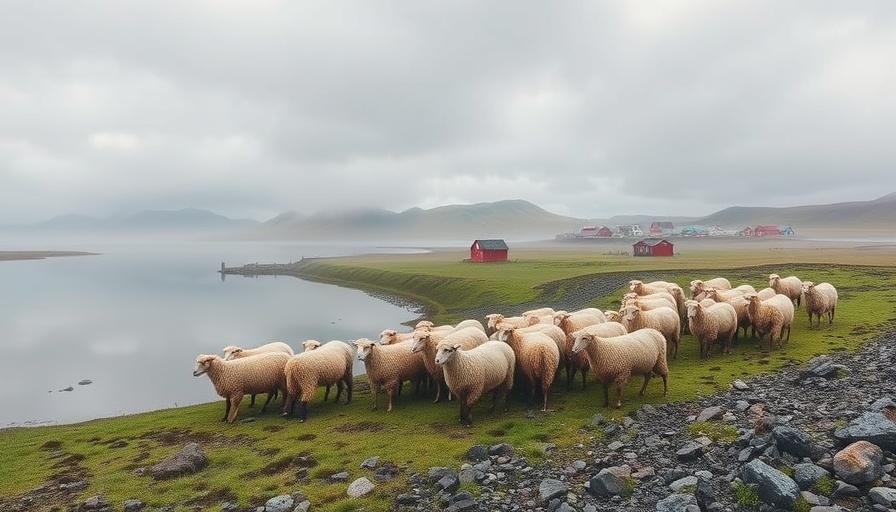
Sheep grazing near lake at South Greenland sheep farm; misty morning.

Discovering South Greenland's Unique Sheep Farms

Greenland, known for its breathtaking icebergs and rugged landscapes, has often remained elusive to many travelers. Most visitors experience its majesty through the lens of a cruise ship, spending mere hours amidst pristine nature, leaving much of its depth unexplored. However, a longer visit to South Greenland unveils the enchanting experience of hiking between sheep farms, where history and community intertwine in fascinating ways.

The Allure of Cultural Traditions

During the hike, travelers will encounter nearly 40 sheep farms dotted throughout the stunning South Greenlandic landscape. Remarkably, nine of these farms offer cozy accommodations, inviting guests to immerse themselves in the traditions of local Inuit communities that have persevered for centuries. Continuing the Viking farming practices from the 10th century, these communities present an exceptional opportunity to experience the unique blend of human history and the natural world.

A Journey Through Nature and Time

The trails connecting these farms are adorned with idyllic views of cobalt blue fjords and lush pastures, captivating hikers every step of the way. This hike not only offers a physical challenge but also a significant cultural immersion. Visitors can look forward to meeting local farmers, learning about sheep herding, and tasting traditional foods that have sustained these communities through years of harsh climates.

A Look at Local Community and Sustainable Practices

Each stop on the journey unfolds more of South Greenland's narrative. The sheep farms are more than just picturesque workplaces; they embody sustainable agricultural practices that respect the land and its history. The farmers’ dedication towards preserving the Viking lineage of sheep farming encapsulates an essential aspect of South Greenland's resilient spirit. This focus on sustainability resonates with contemporary travelers keen on responsible tourism.

Adventure Awaits Beyond Sightseeing

By deviating from the usual tourist path of fleeting glimpses, hikers gain a multi-dimensional experience. They witness not just a scenic landscape but the vibrancy of cultural traditions that thrive amidst the challenges of nature. Encountering the harmonious relationship between the Inuit communities and their environment enriches the soul, making the rigors of hiking worthwhile.

Practical Insights for Your Journey

For those planning to undertake this rewarding adventure, essential preparation is key. Invest in good hiking gear and familiarize yourself with local weather patterns, as conditions can change rapidly in South Greenland. It’s also respectful and advantageous to learn some basic phrases in Greenlandic or Danish; locals will appreciate your effort to connect with their heritage.

Engage with History at Every Turn

History isn’t just taught; it is felt. As you traverse the trails, you may find remnants of Viking history; possibly a stone or homestead that speaks to centuries past. Engaging with these artifacts deepens appreciation for the land and its stories.

Why This Experience Matters

Exploring South Greenland's sheep farms isn't just about the breathtaking views or the comfort of a farmhouse stay—it's about actively engaging with a way of life that honors both the natural world and historical heritage. It’s a reminder that behind every stunning landscape, there are stories, resilience, and traditions worth safeguarding.

Join the Movement for Responsible Travel

As travelers increasingly seek immersive experiences, understanding this balance between exploration and preservation becomes vital. The choice to hike through South Greenland, experience its sheep farms, and meet its hardy people supports local economies and fosters a global dialogue on sustainability.

Travel

0 Comments

Write A Comment

*
*
Please complete the captcha to submit your comment.
Related Posts All Posts
09.13.2026

Discover Eco-Friendly Skiing: Take a Sleeper Train to La Plagne

Update Why Choose a Sleeper Train for Your Ski Trip? For those yearning to escape to the slopes without the environmental cost of air travel, taking a sleeper train to ski resorts presents a compelling alternative. A high-impact lifestyle has led to increased awareness about sustainable travel options, and the recent revival of sleeper trains to the Alps is a significant step in the right direction. Unlike buses and cars that contribute heavily to carbon emissions, trains offer a low-impact journey immersed in the scenic landscapes of France. As the train chugs through the rhythm of the night, travelers can rest easy knowing they are making a greener choice. La Plagne: Embracing Family-Friendly Eco-Consciousness La Plagne prides itself on being an eco-conscious ski resort without compromising on fun for families. Boasting a unique charm, the resort recently earned a Flocon Vert designation—a recognition that celebrates eco-friendly practices aimed at preserving the beauty of the alpine environment. From smart recycling initiatives to the use of secondhand ski gear, La Plagne exemplifies how ski towns can adapt to meet sustainability criteria effectively. The Ski Hut, which offers rental options for much lower prices than traditional rental stores, showcases how local businesses are contributing to both family-friendly budgets and eco-conscious practices. The Future of Eco-Friendly Skiing: What’s Next? The conversation surrounding sustainable travel is not just about present practices but also looks to the future. Estelle Chatellier, who oversees the Flocon Vert certification for the region, highlights plans aimed at further reducing carbon footprints, including a new valley lift from Aime-La-Plagne. Such innovations are crucial if resorts aim to minimize congestion and environmental impact further. Increasing the use of free seasonal shuttle buses between villages displays potential for reduced reliance on personal vehicles, promoting a more sustainable way to traverse the mountains. Affordability Meets Sustainability: A Perfect Match La Plagne’s approach strikes an appealing balance between eco-friendliness and affordability. By renting skis and snowboards from local initiatives, families can save significantly while actively contributing to sustainability efforts. The difference in rental prices—€10 for adults and only €5 for children compared to upwards of €35—is also a welcome relief for many families seeking to enjoy the slopes without breaking the bank. With lodgings close to lifts and quaint towns, the resort stands out as a great choice for parents looking to create magical winter memories without overspending. Making Conscious Choices While Traveling Travelers, especially families, are often torn between convenience and environmental responsibility. The increase in sleeper train options to prime destinations like La Plagne signals a shift in the travel industry, offering a more harmonious blend of comfort, lifestyle, and ecological awareness. By opting for rail travel, skiers can immerse themselves in their surrounding environment while realizing a decrease in their overall travel emissions. Making these conscious choices elevates the entire skiing experience—from the moment you board the train, to arriving refreshed at the slopes. What You Can Do: Advocacy for Sustainable Travel Traveling sustainably goes beyond individual choices. As you plan your next ski trip, take the initiative to support businesses that prioritize eco-friendly practices. Share your experiences with family and friends to raise awareness, and advocate for increased accessibility to alternative transport options like sleeper trains. By collectively encouraging industries to adopt greener strategies, we can foster a culture that values sustainability in recreation, thereby paving the way for future generations to enjoy pristine mountains. The Scenic Journey: Experience the Magic of Train Travel Taking a sleeper train to La Plagne is not just about the destination; it’s also about the journey itself. As travelers embark on this adventure, they find themselves surrounded by the beautiful French countryside, transitioning from urban landscapes to breathtaking mountain vistas. The vintage train carriages, reminiscent of a bygone era, induce nostalgia and add an element of charm to the journey. Passengers can engage in conversation, enjoy local snacks, or simply gaze out at the stunning scenery unfolding outside their windows. Conclusion: A Sustainable Path Forward In summary, sleeper trains offer not just a means of travel, but a significant statement about consumer preferences that prioritize sustainable experiences. As destinations like La Plagne lead the way, each trip becomes an opportunity for travelers to support and participate in eco-conscious initiatives that benefit both the planet and their families. As more travelers flock to these eco-friendly options, the future of skiing looks increasingly green. Embracing this sustainable approach creates a ripple effect, inspiring other resorts and travel options to follow suit and contribute to a more eco-friendly world. By choosing the sleeper train, families not only enjoy convenience and affordability but also take an active role in safeguarding the stunning alpine environment for future generations.

09.13.2026

Uncover the Best Foods in Rio: Culinary Insights from a Local Chef

Update Experience the Rich Culinary Landscape of Rio de Janeiro When it comes to gastronomy, few cities can rival Rio de Janeiro’s vibrant food scene. From traditional dishes bursting with flavor to innovative culinary creations, Rio offers a dining experience that tells the story of its culture and history. Chef Rafa Costa E Silva, a culinary force in this city, believes that the best way to explore Rio is through its food. The culinary landscape of Rio is shaped not only by its geographical diversity—encompassing mountains, beaches, and forests—but also by the rich cultural tapestry woven by its indigenous, African, and Portuguese influences. This dynamic combination results in flavors and cooking techniques that are unique to Brazil and, specifically, to Rio de Janeiro. Must-Try Dish: Feijoada's Heritage No visit to Rio would be complete without indulging in feijoada, a black bean stew traditionally made with various cuts of pork and beef. This hearty meal is more than just a dish; it is a cultural institution, often enjoyed during family gatherings and celebrations. The origins of feijoada can be traced back to the slave population in Brazil, who used less desirable cuts of meat along with beans to create this now-beloved dish. At Aconchego Carioca, you can savor this authentic preparation that includes not only meat but also kale, farofa, and orange on the side. It’s a delightful experience, embodying the spirit of Brazilian hospitality. Sharing a pot of feijoada with friends or family is a wonderful way to engage with Rio’s culinary tradition—is there anything better than bonding over a shared meal? Navigating Rio's Culinary Hotspots As you explore Rio, you'll find an array of eateries that cater to diverse tastes and occasions. For those seeking a drink to unwind after a bustling day, Liz Cocktail E Wine in Leblon offers a cozy atmosphere coupled with unique local cocktails. The focus on cachaça, a sugarcane spirit, ensures that every sip tells a story of Brazilian heritage. This trendy spot bursts with energy and is widely regarded for its creative cocktails. The Black Negroni stands out for its intriguing combination of Beefeater Gin, Campari, Amaro Averna, Cinzano Rosso, and coffee beans, showcasing local flavors and techniques that will have you savoring each sip. Whether you sit indoors among fellow cocktail enthusiasts or outside on the balcony enjoying a warm evening breeze, Liz Cocktail E Wine feels like a little slice of Rio's spirit. Dine with a View: Aprazível Aprazível not only satisfies your palate but also captivates your senses with breathtaking views of the city. Nestled in the heart of Santa Teresa, this restaurant serves straightforward Brazilian fare that reflects the country’s diverse culinary palette. Dine at the top of the mountain, where you can survey the beauty of Rio while tasting dishes that celebrate the flavors of Brazil. As you sip on your Caipirinha and enjoy a delectable meal, the setting sun casts a golden hue over the cityscape, making for an unforgettable dining experience. The plush greenery surrounding the restaurant, combined with fresh ingredients sourced from various regions of Brazil, enhances the authenticity of the meal and deepens the connection to the land. Fine Dining Redefined at Oseille If you are looking for an upscale dining experience, Oseille by Thomas Troisgros offers a modern twist on Brazilian cuisine. With a casual ambiance and only 16 seats, diners enjoy an intimate experience akin to dining at a friend’s home while relishing imaginative dishes that combine French culinary techniques with locally sourced ingredients. It is a melting pot of experiences that turn your meal into an exploration of flavor. Chef Thomas Troisgros is known for blending his French roots with Latin influences, continually evolving the traditional Brazilian menu. The environment is further enriched with local DJs sometimes setting the mood, ensuring that dining here is not just about the food but also about the overall experience. Be sure to try the unique scallops paired with a beurre blanc made with coffee—it’s a standout combination that exemplifies the creativity behind Oseille's menu. A Local's Favorite Bakery: The Slow Bakery Your culinary adventure in Rio wouldn't be complete without a visit to The Slow Bakery. This beloved bakery is renowned for its Rio Sourdough, which is a must-try for both locals and visitors. The warm, fresh bread accompanied by butter makes for a simple yet transcendent experience that showcases the artistry of baking. Owner Rafa Brito Pereira opened the bakery around the same time as the inception of Lasai, and both have flourished since then. Their commitment to quality and craftsmanship is evident in every loaf and pastry. Using locally sourced ingredients, the bakery captures the essence of Brazilian flavors while focusing on the authenticity of traditional baking methods. A Sweet Treat: Mil Frutas Ice Cream To cool off after a day of exploration, indulge in a scoop of ice cream from Mil Frutas. Specializing in exotic flavors, this ice cream shop distinguishes itself by offering unique ingredients such as cupuaçu and cashew fruit. It's not just a treat; it’s a nostalgia trip for many residents, reminding them of their childhood summers. With multiple locations across the city, Mil Frutas continues to delight both locals and tourists, providing an opportunity to sample flavors that are hard to find anywhere else. This beloved establishment has become synonymous with summer joy for those who grew up in Rio, and the unique flavor profiles it offers reflect the very essence of Brazilian biodiversity. Conclusion: Embrace the Rio Experience Rio de Janeiro’s culinary scene is not merely a collection of eateries; it is a reflection of its people, culture, and heritage. Each dish tells a story, and with every meal, you connect more deeply with the rhythms of this vibrant city. Whether you're savoring a plate of feijoada, sipping a cocktail, or enjoying ice cream made from rare fruits, you’re partaking in a legacy that has been lovingly crafted over generations. As you navigate the streets of this captivating city, take time to embrace each moment and flavor. The food of Rio is not just sustenance; it is an integral part of understanding what makes this city truly unique. So dive into the flavors of Rio and discover the heart of its culinary culture!

09.12.2026

How AI Technology Can Save the Maldives’ Fragile Coral Reefs

Update Can AI Transform Coral Conservation in the Maldives? The coral reefs of the Maldives, one of the most biodiverse ecosystems on the planet, are under significant threat from climate change, pollution, and overfishing. This unique marine environment, often referred to as the 'jewels of the Indian Ocean,' is now at the forefront of innovation as scientists and researchers leverage advanced technologies, including artificial intelligence (AI) and 3D mapping, to monitor and protect these essential underwater habitats. Revolutionizing Coral Monitoring With Technology Imagine diving into crystal-clear waters and witnessing a vibrant tapestry of marine life. This experience is not just for the thrill of exploration; it serves a higher purpose that blends ecotourism with environmental science. In partnership with local dive resorts, marine biologists like James Cordery deploy a methodology that combines the recreational activities of tourists with crucial research initiatives. This blending creates a unified approach where the appreciation of nature also fosters its preservation. Equipped with GoPro cameras and a passion for preservation, Cordery captures thousands of photographs of a 10-by-10-meter patch of reef. These images are later transformed into detailed 3D models, allowing researchers to assess coral health and biodiversity without disturbing the natural ecosystem. Through this innovative approach, resort dive sites are turning into research hubs, contributing to conservation efforts that are vital for sustaining the reefs. The resort guests, while enjoying their dive experiences, also play an important role in environmental research, showcasing that tourism can profitably intersect with conservation. The Environmental Stakes: Understanding Coral Reefs Coral reefs cover less than 1% of the ocean floor but provide habitats for approximately 25% of all marine species. They serve as natural barriers protecting coastlines from erosion and storm surge. However, they are facing drastic declines; according to the National Geographic, nearly 50% of the world's coral reefs have disappeared in the last 30 years. With pressing environmental changes impacting marine life, understanding coral ecosystems has never been more critical. The Maldives’ reefs, in particular, are vital not just for the local biodiversity, but also for the economy, which relies heavily on tourism. A healthy reef ecosystem fosters a thriving fishing industry and attracts millions of visitors each year, contributing to the livelihoods of countless families. With over half of the reefs at risk of extinction, the need for immediate and innovative solutions has never been more urgent. AI's Role in Coral Conservation Artificial Intelligence is emerging as a game changer in environmental monitoring. By processing vast amounts of data captured by underwater cameras, AI can identify patterns, track changes over time, and help predict future conditions of coral reefs. This technological capability enables scientists to devise proactive strategies for preservation. Simultaneously, it requires collaboration across sectors, from technology developers to local stakeholders involved in tourism. Through AI, patterns that are invisible to the human eye become detectable. For instance, trends indicating coral bleaching events can be anticipated, allowing for timely interventions. Furthermore, AI can help prioritize which areas of the reef require immediate attention based on their health status. Such predictive analytics shift the conservation strategy from reactive to proactive, greatly enhancing the effectiveness of efforts to rejuvenate damaged reefs. Success Stories: Lessons from the Field One pioneering project in the Maldives exemplifies the integration of technology in coral protection. The Coral Triangle Initiative works with local communities to empower them with knowledge and tools to monitor reef health. By utilizing AI techniques alongside traditional methods, they collect and analyze data that generates actionable insights. This integrated approach not only fosters community engagement but also encourages responsible tourism practices. Additionally, initiatives like these have demonstrated the importance of local stewardship in coral conservation. As members of the community are trained to observe and report on reef conditions, they develop a vested interest in protecting their natural resources. This empowerment is vital, as it bridges the gap between scientific research and local knowledge, resulting in a more comprehensive understanding of coral ecosystems. Future Predictions: A Hopeful Outlook Experts agree that while the challenges facing coral reefs are significant, the emerging technologies provide a sense of hope. If these conservation efforts can be scaled up, the potential exists for greater awareness and more effective strategies in combating coral degradation globally. As global initiatives continue to support similar projects, they can serve as models for other regions grappling with marine conservation challenges. Moreover, as technological advancements in AI continue to evolve, future applications may include more sophisticated simulations of reef environments, allowing scientists to test various conservation strategies virtually before implementing them in real-world scenarios. This innovation holds the promise of not only preserving the Maldives’ reefs but also serves as a blueprint for coral conservation worldwide. Call to Action: Join the Conservation Effort As the Maldives showcases the potential blending of tourism and conservation, there is an opportunity for travelers to become stewards of the marine environment. By choosing eco-friendly destinations, participating in coral restoration programs, and promoting responsible diving practices, individuals can contribute to the future of our planet's vital coral ecosystems. Every action counts; visitors can even assist in local conservation projects by learning about reef ecosystems and supporting initiatives focused on sustainability. In conclusion, as we look toward the future, it is clear that protecting the Maldives’ coral reefs requires a multifaceted approach that combines cutting-edge technology with community engagement and responsible tourism. With increased awareness and involvement from travelers and scientists alike, the survival of these magnificent underwater gardens could transition from uncertain to assured.

Your guide to modern living—every day.

COMPANY

  • Privacy Policy
  • Terms of Use
  • Advertise
  • Contact Us
  • Menu 5
  • Menu 6

ABOUT US

Daily Lifestyle News explores the people, trends, and experiences that shape modern living. From home and style inspiration to travel tips and trusted product picks, it’s your go-to source for everyday life. Ideal for local voices and businesses in wellness, personal services, and home improvement.

© 2026 CompanyName All Rights Reserved. Address . Contact Us . Terms of Service . Privacy Policy

Terms of Service

Privacy Policy

Core Modal Title

Sorry, no results found

You Might Find These Articles Interesting

T
Please Check Your Email
We Will Be Following Up Shortly
*
*
*