Your guide to modern living—every day.

  • Home
  • Categories
    • Wellness
    • Home and Garden
    • Work and Life
    • Travel
    • People and Style
    • Living Spaces
August 13.2025
1 Minute Read

Discover Top Dog-Friendly Hikes Central Oregon Lovers Adore

Did you know over 70% of Central Oregon’s hiking trails are rated as dog-friendly hikes? This makes the region one of the most welcoming in the Pacific Northwest for pups and their humans. If you and your canine companion are craving adventure, Central Oregon is not just dog-friendly by reputation—it’s a veritable playground built for wagging tails, cascading rivers, and mountain vistas. Whether you’re a seasoned trail explorer or new to hiking with dogs, you’ll discover everything you need to ensure both you and your furry friend have a safe, rewarding experience amid the area’s diverse natural beauty.

In this comprehensive guide, you’ll unlock expert tips, discover local favorites, and learn the why and how of making the most of the dog-friendly hikes Central Oregon has on offer. Ready to dig in? Let’s unleash the adventure!

Unveiling Dog-Friendly Hikes in Central Oregon: Surprising Facts and Local Insights

  • Did you know over 70% of Central Oregon’s hiking trails are rated as dog-friendly hikes, making the region one of the best in the Pacific Northwest for pups and their humans?
  • Learn why Central Oregon stands as a top destination for dog friendly adventures.

Central Oregon is renowned for its inclusive approach to hiking, especially for dog lovers. Its unique blend of alpine lakes, volcanic vistas, and ancient forests creates a rich, welcoming habitat for both humans and their four-legged friends. Many locals are proud to say that “dogs are allowed” almost everywhere, from high desert juniper trail networks to the lush river trails snaking through the Deschutes National Forest . This culture of inclusivity has cemented Central Oregon’s status as a prime dog-friendly hiking destination—a title further bolstered by robust community support and clearly marked leash policies.

When planning your next friendly hike, you’ll notice amenities like dedicated parking areas near major trailheads, pet waste stations, and welcoming signage at popular public land access points. Even on busier routes traversed by mountain bikers or families, trail etiquette is openly promoted, ensuring a harmonious experience for all. Beyond the practical details, there’s a special sense of camaraderie on Central Oregon's hiking trails—where meeting other dog owners feels like joining a supportive outdoor club. Let’s explore some of the incredible places where these friendly hiking stories unfold.
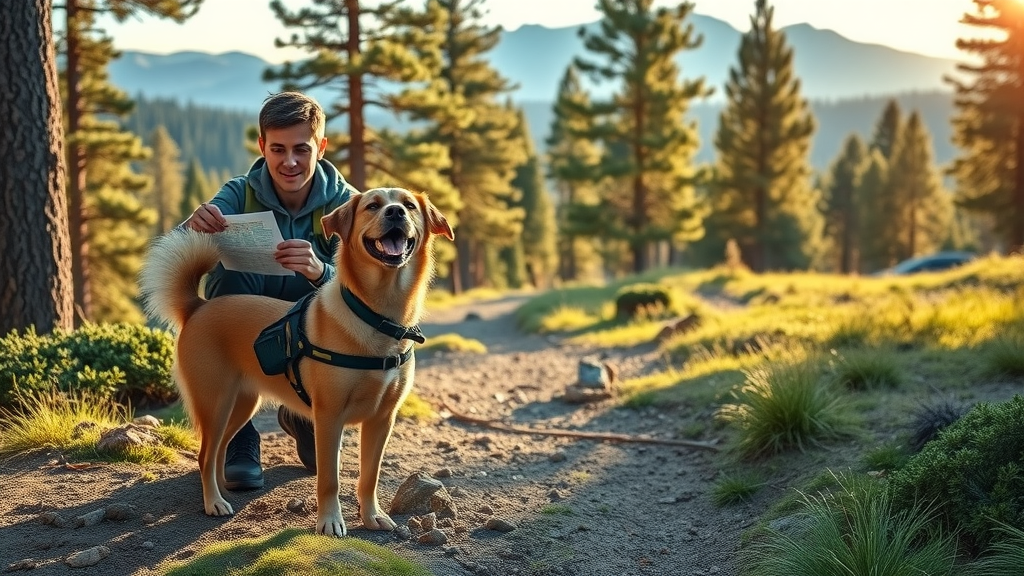
Dog-friendly hikes Central Oregon - trailhead with dog and owner in pine forest with volcanic peaks

Achieving the Ultimate Dog-Friendly Hikes Central Oregon Experience

  • Overview of the region’s diverse terrain, including the Cascade Lakes, river trail systems, and green lakes vistas.
  • Quick tips for preparing for friendly hikes with your dog, from leash restrictions to trail etiquette.

One glance at the Central Oregon trail map, and it’s clear you’re in for a treat. The Cascade Lakes region is teeming with aquamarine lakes, sandy shoreline paths, and routes like the iconic Green Lakes Trail —all welcoming to leashed dogs. As you descend through the high desert terrain, you’ll encounter river trail systems like the Deschutes River Trail , which meanders past waterfalls, basalt outcrops, and wildflower fields. These friendly hiking routes serve up endless opportunities to play fetch in clearings, cool off at water edges, and take in mountain panoramas.

Before hitting the trail, preparation is key . Always check for current leash restrictions, as some routes require leashes year-round while others have seasonal off-leash allowances—like the famous Good Dog Trail . Bring enough water for both you and your dog, including a collapsible bowl, and remember to pack doggy first aid supplies. Trail etiquette matters: keep your pet under voice control, yield space, and always clean up after your pup. Following these tips not only keeps the region pristine but ensures Central Oregon remains a leading destination for dog-friendly hikes.

Top-Rated Dog-Friendly Hiking Trails Across Central Oregon

When searching for the best dog-friendly hikes Central Oregon has to offer, you’ll find a diverse range fit for every canine personality and every human skill level. These top-rated trails are lauded for their natural beauty, accessible facilities, and thoughtful integration of dog-friendly practices. From dense national forest canopies to open alpine meadows, the following local gems promise unforgettable adventures with your furry friend.

We’ll dive into three particularly beloved areas: the vast Deschutes National Forest , the sparkling Cascade Lakes region including the famed Green Lakes Trail , and the scenic Deschutes River Trail system. Each offers unique terrain, eye-catching features, and practical options for both novice and seasoned dog owners.

Exploring the Deschutes National Forest: Central Oregon’s Premier Dog Friendly Destination

  • Key routes: Deschutes River Trail, Tumalo Falls, Good Dog Trail
  • Overview of leash restrictions and dog park access along these trails

The Deschutes National Forest is often the first stop for visitors eager to immerse themselves in the heart of Central Oregon ’s natural splendor. Here, you’ll discover favorites like the Deschutes River Trail , which offers both short loops and longer treks—perfect for dogs of all fitness levels. The awe-inspiring Tumalo Falls trail treats hikers to waterfalls and old-growth forests, with clearly marked leash rules and ample parking areas.

For those seeking off-leash freedom, the Good Dog Trail is legendary among locals. This section provides designated off-leash zones where pups can romp safely, often leading to riverside cool-down sessions. Each of these routes boasts trailheads with waste bag stations and maps; just remember, leash restrictions may shift with the season or sensitive wildlife areas. Many popular trails in the national forest system are also conveniently close to dog parks —ideal for winding down after a hike.

Dog-friendly hikes Central Oregon - dog on leash at Tumalo Falls with owner in lush green forest

Cascade Lakes and Green Lakes: Iconic Friendly Hikes with Jaw-Dropping Views

  • Hiking tips for exploring Cascade Lakes trails with your dog
  • Green Lakes' accessibility, parking, and dog-friendly facilities

The Cascade Lakes corridor is famous for its crystalline lakes, volcanic backdrops, and unforgettable trail experiences. Routes like Elk Lake Loop and the Green Lakes Trail draw visitors from near and far thanks to their stunning mountain vistas and generally moderate grades—a winning combination for dog owners. Parking lots at main trailheads fill up early, so consider weekday or early morning excursions for a quieter adventure.

The Green Lakes Trail is especially popular for its well-marked, dog-friendly routes, shaded forest sections, and frequent water access. Facilities such as restroom huts and picnic tables are found at the trail’s parking area, with leashed dogs greeted warmly on the path. To get the most of your outing, pack extra water and be mindful of weather; sun exposure can be high, and snow persists in some spots until late spring. Locals know that a tail-wagging trek along these iconic lakes is a memory in the making.

Deschutes River Trail and Meadow Loop: Ideal Central Oregon Trails for Canine Companions

  • Navigating river trail conditions and water access points
  • Best times of year for these friendly hiking adventures

The classic Deschutes River Trail winds along the banks of the Deschutes River, creating a cool, shaded escape ideal for hot summer hikes. Central Oregon dog owners praise this route for its varied terrain—think lava rock outcrops, gentle meadows, and wood plank bridges. Dogs can enjoy splashing at designated water access points or strolling on easy-to-navigate hardpack paths.

This popular trail system has options for every season: spring and fall bring wildflowers and crisp air, while summer offers opportunities for water-loving pups to cool off in the river. Keep an eye out for posted leash requirements, especially in wildlife-sensitive stretches or heavily trafficked areas, and remember peak hours may bring mountain bikers and families to the trail. A little planning ensures a memorable outing for dogs and humans alike.

Dog Friendly Trail Preparation: Leash Restrictions, Safety, and Etiquette

  • Summary of leash restrictions for central Oregon trails
  • Dog safety tips: wildlife, hydration, and first aid
  • Trail etiquette for respecting other hikers and dog owners

Navigating leash restrictions can feel daunting, but Central Oregon’s signage makes it straightforward. While most regional trails require dogs to be leashed, popular off-leash zones (like the Good Dog Trail) exist for pups needing that extra bit of freedom. Always check digital trail resources or posted maps before heading out, as restrictions may change due to wildlife management, trail conditions, or public use trends.

Dog safety is paramount—be mindful of wildlife encounters (deer, squirrels, and occasionally bears), ensure adequate hydration with a collapsible bowl, and tuck away basic first aid for scrapes or injuries. Trail etiquette includes yielding right-of-way, vocal control if your dog is unleashed, and always packing out waste. This collective respect makes Central Oregon’s network of friendly hikes a joy for all.
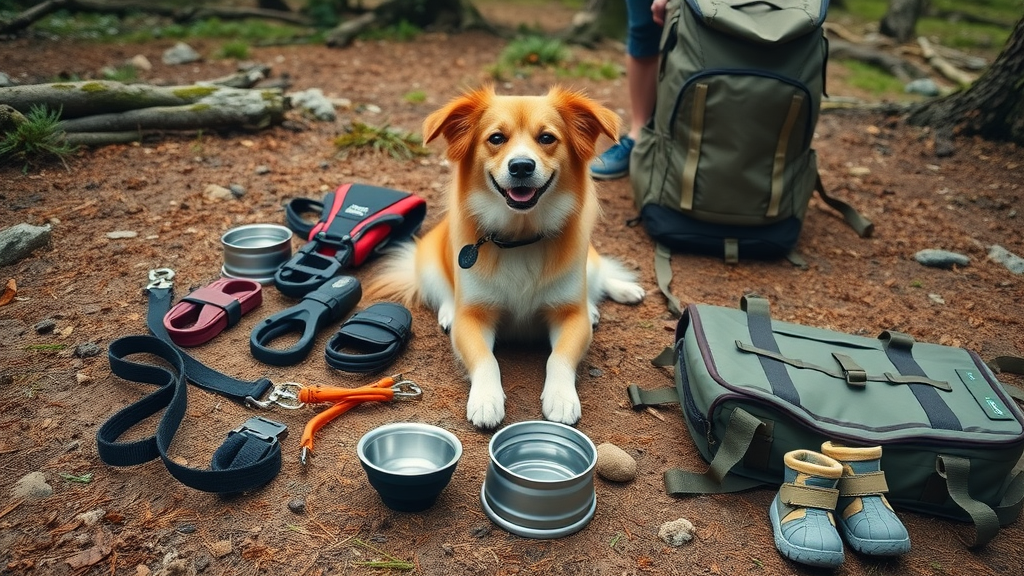
Dog-friendly hikes Central Oregon - organized hiking gear with leashes, dog boots, and owner prepping backpack in forest

Choosing the Perfect Friendly Hikes for Your Dog’s Personality

Every dog has their own “hiking style,” so choosing the right trail ensures a happier, safer adventure for all. Whether your pup is a sprinter, a swimmer, or a lover of wildflower meadows, Central Oregon’s diversity has something to offer. Use the comparison table below to match your dog’s temperament and skill with the ideal hike—from leisurely meadow strolls to energetic river loops.

Trail Name Difficulty Distance Elevation Gain Leash Status Key Features
Deschutes River Trail Easy/Moderate 6.5 miles round trip (varies by segment) 350 ft Leashed (off-leash sections) River access, shady trees, wildflowers
Green Lakes Trail Moderate 9 miles round trip 1,150 ft Leashed Mountain and lake views, forest, meadows
Good Dog Trail Easy 4 miles round trip 100 ft Off-leash allowed Dog park feel, Deschutes River access
Shevlin Park Loop Easy 4.7 miles loop 150 ft Leashed (off-leash sections) Paved trails, creeks, picnic areas
Tumalo Falls Trail Moderate 7 miles round trip 800 ft Leashed Waterfalls, old growth forest

Must-Visit Dog Parks and Off-Leash Areas in Central Oregon

  • List of popular dog parks near main trailheads
  • Tips for making the most of off-leash opportunities safely

If your furry friend loves to socialize after a long hike, Central Oregon’s dog parks are a must! Favorite east side options include Pine Nursery Park Dog Park and Bob Wenger Memorial Off-Leash Area, both within a short drive from major trailheads or the East Side of Town . These well-maintained spaces feature secure fencing, curated play areas for large and small dogs, water stations, and shaded benches for pet parents.

To maximize your off-leash experience: visit during non-peak hours, supervise your dog closely, and always scan for posted park rules. While infectious fun and exuberant play abound, courteous behavior ensures a safe, positive space for all canine visitors. Many locals combine nearby hiking trails and dog parks for a full day of Central Oregon adventure!

Dog-friendly hikes Central Oregon - dog park with several dogs playing and owners watching in forested area

Insider Tips For Year-Round Dog-Friendly Hiking Adventures in Central Oregon

  • Which trails to enjoy during each season
  • Weather considerations and gear essentials for dogs

No matter the season, Central Oregon has a friendly hike for every pup. Spring and summer are ideal for lake adventures—Cascade Lakes and Green Lakes come alive with wildflowers and clear, cool water. Fall brings golden aspens along the Deschutes River Trail, while crisp air and fewer crowds set the scene for tranquil outings. Winter , meanwhile, transforms Shevlin Park and the Meadow Loop into snowy playgrounds, but pack dog booties and check conditions for snow or ice.

Be prepared for the region’s ever-changing weather by packing essentials such as a portable dog towel, a dog jacket, and extra water. Trail access can shift with snowpack or fire closures, so checking official forest service updates is crucial. With year-round planning, your dog can enjoy every outdoor season in Central Oregon’s unparalleled wilderness.

Dog-friendly hikes Central Oregon - dog and owner on trail during four different seasons

Expert Guidance on Maintaining Trail Sustainability with Your Dog

“Leash regulations and clean-up policies not only protect the environment and wildlife but ensure all hikers—both furry and human—can enjoy Central Oregon’s pristine beauty.”
  • Leave No Trace principles for dog owners
  • How to spot and report trail issues

Practicing Leave No Trace is vital for every hiker, especially those with canine companions. Always pick up after your dog, pack out all waste, and stick to established trails to preserve fragile vegetation. When encountering downed markers, trailhead litter, or other maintenance needs, report them to local park services or volunteer groups—active stewardship keeps these routes accessible for all.

Educate yourself and others on the impact unleashed dogs can have on both wildlife and other trail users. By following posted leash restrictions and clean-up policies, you’re not just following rules—you’re protecting the special outdoor spaces that make Central Oregon beloved by explorers and dog owners alike.

People Also Ask

Is Deschutes National Forest dog-friendly?

  • Yes, Deschutes National Forest is renowned for being dog-friendly, with numerous hiking trails allowing dogs on-leash and even several off-leash designated zones, like the Good Dog Trail. Always check specific trail rules before heading out as leash restrictions may apply seasonally or by location.

Why are dogs not allowed on hiking trails?

  • Some trails prohibit dogs to protect wildlife habitats, preserve sensitive flora, and avoid conflicts with other trail users. In Central Oregon, most hiking trails are welcoming, but always verify restrictions before your hike.

Is the Tumalo Falls hike dog-friendly?

  • Tumalo Falls is a favorite among dog-friendly hikes in Central Oregon, but dogs are required to be on leash. The trail offers magnificent waterfall views and is suitable for both new and experienced hikers with dogs.

What is the most dog-friendly town on the Oregon coast?

  • Cannon Beach regularly ranks as the most dog-friendly town on the Oregon coast, offering miles of leash-optional beaches, dog-friendly businesses, and scenic hiking trails nearby.

Comprehensive List: Central Oregon’s Best Dog Friendly Hikes and Local Favorites

  • Deschutes River Trail
  • Shevlin Park Loop
  • Green Lakes Trail
  • Good Dog Trail
  • Smith Rock State Park (selected trails)
  • Cascade Lakes (various routes)
  • Tumalo Falls
  • Riley Ranch Nature Reserve

Essential Gear and Packing List for Dog-Friendly Hikes in Central Oregon

  • Collapsible water bowl
  • Leash and harness
  • Trail snacks for dogs
  • Poop bags
  • Paw protection (boots or balm)
  • First aid kit
  • ID tags
  • Portable dog towel
“A little preparation can mean the difference between an ordinary hike and an epic, safe adventure with your four-legged friend.” – Local hiking expert

Frequently Asked Questions About Dog-Friendly Hikes Central Oregon

  • Can I hike in Central Oregon with a large dog? Absolutely! Most Central Oregon hiking trails are suitable for large dogs, provided they are fit and can handle the distance and terrain. Always watch for overheating, especially on exposed trails, and bring extra water for bigger breeds.
  • Are there wheelchair-accessible dog-friendly hikes in the region? Yes, several trails such as parts of Shevlin Park Loop and the paved sections of the Deschutes River Trail offer wheelchair-accessible paths suitable for people with mobility aids and their dogs.
  • Must my dog always be on a leash? In most places, yes. Central Oregon’s most popular trails require leashes to protect wildlife and ensure safety. There are dedicated off-leash areas like the Good Dog Trail and designated dog parks for leash-free fun.
  • Can I find shaded trails for hot summer days? Certainly! The Deschutes River Trail, Shevlin Park, and many forested routes near Cascade Lakes offer ample shade and cool water spots, keeping dogs comfortable during the warmer months.

Key Tips for Memorable Dog Friendly Hiking Experiences in Central Oregon

  • Check weather and trail closures before heading out
  • Keep dogs leashed where posted and be respectful of leash restrictions
  • Carry enough water for both you and your dog—rivers are refreshing but not always safe to drink from
  • Know your dog’s physical limits, rest often, and avoid overexertion
  • Always pack out all waste and follow Leave No Trace principles

Take Your Next Adventure: Plan Your Dog-Friendly Hike in Central Oregon Today

  • Explore the trails, prep your pup, and discover why Central Oregon’s dog-friendly hikes draw outdoor lovers from near and far. Share your experiences and embark on your next memorable adventure with your canine companion.

Dog-friendly hikes Central Oregon - dog and owner standing on rocky ridge with mountain and lake views in golden hour light

Watch: Central Oregon’s Top Dog-Friendly Hikes in Action

  • Engage with a brief video tour showing highlights from top dog-friendly hiking trails in the region (Video 1)

Conclusion

Gear up, honor leash rules, and choose the perfect trail for your dog’s style—Central Oregon’s dog-friendly hikes are ready for your next epic adventure. Get outside and enjoy the journey together!

Central Oregon offers a plethora of dog-friendly hiking trails that cater to both you and your canine companion. To enhance your exploration, consider these valuable resources:

  • “A Dog’s Guide to Trails in Central Oregon” ( traveloregon.com )

This guide provides detailed information on various trails, including leash regulations and seasonal considerations, ensuring a safe and enjoyable experience for you and your dog.

  • “Dog-Friendly Winter Trail Adventures in Central Oregon” ( traveloregon.com )

Focusing on winter excursions, this resource highlights trails that remain accessible and enjoyable during the colder months, offering tips on preparation and safety for you and your furry friend.

If you’re serious about discovering the best dog-friendly hikes in Central Oregon, these resources will provide you with comprehensive insights and practical tips to make the most of your adventures.


Travel

0 Comments

Write A Comment

*
*
Please complete the captcha to submit your comment.
Related Posts All Posts
09.13.2026

Discover Eco-Friendly Skiing: Take a Sleeper Train to La Plagne

Update Why Choose a Sleeper Train for Your Ski Trip? For those yearning to escape to the slopes without the environmental cost of air travel, taking a sleeper train to ski resorts presents a compelling alternative. A high-impact lifestyle has led to increased awareness about sustainable travel options, and the recent revival of sleeper trains to the Alps is a significant step in the right direction. Unlike buses and cars that contribute heavily to carbon emissions, trains offer a low-impact journey immersed in the scenic landscapes of France. As the train chugs through the rhythm of the night, travelers can rest easy knowing they are making a greener choice. La Plagne: Embracing Family-Friendly Eco-Consciousness La Plagne prides itself on being an eco-conscious ski resort without compromising on fun for families. Boasting a unique charm, the resort recently earned a Flocon Vert designation—a recognition that celebrates eco-friendly practices aimed at preserving the beauty of the alpine environment. From smart recycling initiatives to the use of secondhand ski gear, La Plagne exemplifies how ski towns can adapt to meet sustainability criteria effectively. The Ski Hut, which offers rental options for much lower prices than traditional rental stores, showcases how local businesses are contributing to both family-friendly budgets and eco-conscious practices. The Future of Eco-Friendly Skiing: What’s Next? The conversation surrounding sustainable travel is not just about present practices but also looks to the future. Estelle Chatellier, who oversees the Flocon Vert certification for the region, highlights plans aimed at further reducing carbon footprints, including a new valley lift from Aime-La-Plagne. Such innovations are crucial if resorts aim to minimize congestion and environmental impact further. Increasing the use of free seasonal shuttle buses between villages displays potential for reduced reliance on personal vehicles, promoting a more sustainable way to traverse the mountains. Affordability Meets Sustainability: A Perfect Match La Plagne’s approach strikes an appealing balance between eco-friendliness and affordability. By renting skis and snowboards from local initiatives, families can save significantly while actively contributing to sustainability efforts. The difference in rental prices—€10 for adults and only €5 for children compared to upwards of €35—is also a welcome relief for many families seeking to enjoy the slopes without breaking the bank. With lodgings close to lifts and quaint towns, the resort stands out as a great choice for parents looking to create magical winter memories without overspending. Making Conscious Choices While Traveling Travelers, especially families, are often torn between convenience and environmental responsibility. The increase in sleeper train options to prime destinations like La Plagne signals a shift in the travel industry, offering a more harmonious blend of comfort, lifestyle, and ecological awareness. By opting for rail travel, skiers can immerse themselves in their surrounding environment while realizing a decrease in their overall travel emissions. Making these conscious choices elevates the entire skiing experience—from the moment you board the train, to arriving refreshed at the slopes. What You Can Do: Advocacy for Sustainable Travel Traveling sustainably goes beyond individual choices. As you plan your next ski trip, take the initiative to support businesses that prioritize eco-friendly practices. Share your experiences with family and friends to raise awareness, and advocate for increased accessibility to alternative transport options like sleeper trains. By collectively encouraging industries to adopt greener strategies, we can foster a culture that values sustainability in recreation, thereby paving the way for future generations to enjoy pristine mountains. The Scenic Journey: Experience the Magic of Train Travel Taking a sleeper train to La Plagne is not just about the destination; it’s also about the journey itself. As travelers embark on this adventure, they find themselves surrounded by the beautiful French countryside, transitioning from urban landscapes to breathtaking mountain vistas. The vintage train carriages, reminiscent of a bygone era, induce nostalgia and add an element of charm to the journey. Passengers can engage in conversation, enjoy local snacks, or simply gaze out at the stunning scenery unfolding outside their windows. Conclusion: A Sustainable Path Forward In summary, sleeper trains offer not just a means of travel, but a significant statement about consumer preferences that prioritize sustainable experiences. As destinations like La Plagne lead the way, each trip becomes an opportunity for travelers to support and participate in eco-conscious initiatives that benefit both the planet and their families. As more travelers flock to these eco-friendly options, the future of skiing looks increasingly green. Embracing this sustainable approach creates a ripple effect, inspiring other resorts and travel options to follow suit and contribute to a more eco-friendly world. By choosing the sleeper train, families not only enjoy convenience and affordability but also take an active role in safeguarding the stunning alpine environment for future generations.

09.13.2026

Uncover the Best Foods in Rio: Culinary Insights from a Local Chef

Update Experience the Rich Culinary Landscape of Rio de Janeiro When it comes to gastronomy, few cities can rival Rio de Janeiro’s vibrant food scene. From traditional dishes bursting with flavor to innovative culinary creations, Rio offers a dining experience that tells the story of its culture and history. Chef Rafa Costa E Silva, a culinary force in this city, believes that the best way to explore Rio is through its food. The culinary landscape of Rio is shaped not only by its geographical diversity—encompassing mountains, beaches, and forests—but also by the rich cultural tapestry woven by its indigenous, African, and Portuguese influences. This dynamic combination results in flavors and cooking techniques that are unique to Brazil and, specifically, to Rio de Janeiro. Must-Try Dish: Feijoada's Heritage No visit to Rio would be complete without indulging in feijoada, a black bean stew traditionally made with various cuts of pork and beef. This hearty meal is more than just a dish; it is a cultural institution, often enjoyed during family gatherings and celebrations. The origins of feijoada can be traced back to the slave population in Brazil, who used less desirable cuts of meat along with beans to create this now-beloved dish. At Aconchego Carioca, you can savor this authentic preparation that includes not only meat but also kale, farofa, and orange on the side. It’s a delightful experience, embodying the spirit of Brazilian hospitality. Sharing a pot of feijoada with friends or family is a wonderful way to engage with Rio’s culinary tradition—is there anything better than bonding over a shared meal? Navigating Rio's Culinary Hotspots As you explore Rio, you'll find an array of eateries that cater to diverse tastes and occasions. For those seeking a drink to unwind after a bustling day, Liz Cocktail E Wine in Leblon offers a cozy atmosphere coupled with unique local cocktails. The focus on cachaça, a sugarcane spirit, ensures that every sip tells a story of Brazilian heritage. This trendy spot bursts with energy and is widely regarded for its creative cocktails. The Black Negroni stands out for its intriguing combination of Beefeater Gin, Campari, Amaro Averna, Cinzano Rosso, and coffee beans, showcasing local flavors and techniques that will have you savoring each sip. Whether you sit indoors among fellow cocktail enthusiasts or outside on the balcony enjoying a warm evening breeze, Liz Cocktail E Wine feels like a little slice of Rio's spirit. Dine with a View: Aprazível Aprazível not only satisfies your palate but also captivates your senses with breathtaking views of the city. Nestled in the heart of Santa Teresa, this restaurant serves straightforward Brazilian fare that reflects the country’s diverse culinary palette. Dine at the top of the mountain, where you can survey the beauty of Rio while tasting dishes that celebrate the flavors of Brazil. As you sip on your Caipirinha and enjoy a delectable meal, the setting sun casts a golden hue over the cityscape, making for an unforgettable dining experience. The plush greenery surrounding the restaurant, combined with fresh ingredients sourced from various regions of Brazil, enhances the authenticity of the meal and deepens the connection to the land. Fine Dining Redefined at Oseille If you are looking for an upscale dining experience, Oseille by Thomas Troisgros offers a modern twist on Brazilian cuisine. With a casual ambiance and only 16 seats, diners enjoy an intimate experience akin to dining at a friend’s home while relishing imaginative dishes that combine French culinary techniques with locally sourced ingredients. It is a melting pot of experiences that turn your meal into an exploration of flavor. Chef Thomas Troisgros is known for blending his French roots with Latin influences, continually evolving the traditional Brazilian menu. The environment is further enriched with local DJs sometimes setting the mood, ensuring that dining here is not just about the food but also about the overall experience. Be sure to try the unique scallops paired with a beurre blanc made with coffee—it’s a standout combination that exemplifies the creativity behind Oseille's menu. A Local's Favorite Bakery: The Slow Bakery Your culinary adventure in Rio wouldn't be complete without a visit to The Slow Bakery. This beloved bakery is renowned for its Rio Sourdough, which is a must-try for both locals and visitors. The warm, fresh bread accompanied by butter makes for a simple yet transcendent experience that showcases the artistry of baking. Owner Rafa Brito Pereira opened the bakery around the same time as the inception of Lasai, and both have flourished since then. Their commitment to quality and craftsmanship is evident in every loaf and pastry. Using locally sourced ingredients, the bakery captures the essence of Brazilian flavors while focusing on the authenticity of traditional baking methods. A Sweet Treat: Mil Frutas Ice Cream To cool off after a day of exploration, indulge in a scoop of ice cream from Mil Frutas. Specializing in exotic flavors, this ice cream shop distinguishes itself by offering unique ingredients such as cupuaçu and cashew fruit. It's not just a treat; it’s a nostalgia trip for many residents, reminding them of their childhood summers. With multiple locations across the city, Mil Frutas continues to delight both locals and tourists, providing an opportunity to sample flavors that are hard to find anywhere else. This beloved establishment has become synonymous with summer joy for those who grew up in Rio, and the unique flavor profiles it offers reflect the very essence of Brazilian biodiversity. Conclusion: Embrace the Rio Experience Rio de Janeiro’s culinary scene is not merely a collection of eateries; it is a reflection of its people, culture, and heritage. Each dish tells a story, and with every meal, you connect more deeply with the rhythms of this vibrant city. Whether you're savoring a plate of feijoada, sipping a cocktail, or enjoying ice cream made from rare fruits, you’re partaking in a legacy that has been lovingly crafted over generations. As you navigate the streets of this captivating city, take time to embrace each moment and flavor. The food of Rio is not just sustenance; it is an integral part of understanding what makes this city truly unique. So dive into the flavors of Rio and discover the heart of its culinary culture!

09.12.2026

How AI Technology Can Save the Maldives’ Fragile Coral Reefs

Update Can AI Transform Coral Conservation in the Maldives? The coral reefs of the Maldives, one of the most biodiverse ecosystems on the planet, are under significant threat from climate change, pollution, and overfishing. This unique marine environment, often referred to as the 'jewels of the Indian Ocean,' is now at the forefront of innovation as scientists and researchers leverage advanced technologies, including artificial intelligence (AI) and 3D mapping, to monitor and protect these essential underwater habitats. Revolutionizing Coral Monitoring With Technology Imagine diving into crystal-clear waters and witnessing a vibrant tapestry of marine life. This experience is not just for the thrill of exploration; it serves a higher purpose that blends ecotourism with environmental science. In partnership with local dive resorts, marine biologists like James Cordery deploy a methodology that combines the recreational activities of tourists with crucial research initiatives. This blending creates a unified approach where the appreciation of nature also fosters its preservation. Equipped with GoPro cameras and a passion for preservation, Cordery captures thousands of photographs of a 10-by-10-meter patch of reef. These images are later transformed into detailed 3D models, allowing researchers to assess coral health and biodiversity without disturbing the natural ecosystem. Through this innovative approach, resort dive sites are turning into research hubs, contributing to conservation efforts that are vital for sustaining the reefs. The resort guests, while enjoying their dive experiences, also play an important role in environmental research, showcasing that tourism can profitably intersect with conservation. The Environmental Stakes: Understanding Coral Reefs Coral reefs cover less than 1% of the ocean floor but provide habitats for approximately 25% of all marine species. They serve as natural barriers protecting coastlines from erosion and storm surge. However, they are facing drastic declines; according to the National Geographic, nearly 50% of the world's coral reefs have disappeared in the last 30 years. With pressing environmental changes impacting marine life, understanding coral ecosystems has never been more critical. The Maldives’ reefs, in particular, are vital not just for the local biodiversity, but also for the economy, which relies heavily on tourism. A healthy reef ecosystem fosters a thriving fishing industry and attracts millions of visitors each year, contributing to the livelihoods of countless families. With over half of the reefs at risk of extinction, the need for immediate and innovative solutions has never been more urgent. AI's Role in Coral Conservation Artificial Intelligence is emerging as a game changer in environmental monitoring. By processing vast amounts of data captured by underwater cameras, AI can identify patterns, track changes over time, and help predict future conditions of coral reefs. This technological capability enables scientists to devise proactive strategies for preservation. Simultaneously, it requires collaboration across sectors, from technology developers to local stakeholders involved in tourism. Through AI, patterns that are invisible to the human eye become detectable. For instance, trends indicating coral bleaching events can be anticipated, allowing for timely interventions. Furthermore, AI can help prioritize which areas of the reef require immediate attention based on their health status. Such predictive analytics shift the conservation strategy from reactive to proactive, greatly enhancing the effectiveness of efforts to rejuvenate damaged reefs. Success Stories: Lessons from the Field One pioneering project in the Maldives exemplifies the integration of technology in coral protection. The Coral Triangle Initiative works with local communities to empower them with knowledge and tools to monitor reef health. By utilizing AI techniques alongside traditional methods, they collect and analyze data that generates actionable insights. This integrated approach not only fosters community engagement but also encourages responsible tourism practices. Additionally, initiatives like these have demonstrated the importance of local stewardship in coral conservation. As members of the community are trained to observe and report on reef conditions, they develop a vested interest in protecting their natural resources. This empowerment is vital, as it bridges the gap between scientific research and local knowledge, resulting in a more comprehensive understanding of coral ecosystems. Future Predictions: A Hopeful Outlook Experts agree that while the challenges facing coral reefs are significant, the emerging technologies provide a sense of hope. If these conservation efforts can be scaled up, the potential exists for greater awareness and more effective strategies in combating coral degradation globally. As global initiatives continue to support similar projects, they can serve as models for other regions grappling with marine conservation challenges. Moreover, as technological advancements in AI continue to evolve, future applications may include more sophisticated simulations of reef environments, allowing scientists to test various conservation strategies virtually before implementing them in real-world scenarios. This innovation holds the promise of not only preserving the Maldives’ reefs but also serves as a blueprint for coral conservation worldwide. Call to Action: Join the Conservation Effort As the Maldives showcases the potential blending of tourism and conservation, there is an opportunity for travelers to become stewards of the marine environment. By choosing eco-friendly destinations, participating in coral restoration programs, and promoting responsible diving practices, individuals can contribute to the future of our planet's vital coral ecosystems. Every action counts; visitors can even assist in local conservation projects by learning about reef ecosystems and supporting initiatives focused on sustainability. In conclusion, as we look toward the future, it is clear that protecting the Maldives’ coral reefs requires a multifaceted approach that combines cutting-edge technology with community engagement and responsible tourism. With increased awareness and involvement from travelers and scientists alike, the survival of these magnificent underwater gardens could transition from uncertain to assured.

Your guide to modern living—every day.

COMPANY

  • Privacy Policy
  • Terms of Use
  • Advertise
  • Contact Us
  • Menu 5
  • Menu 6

ABOUT US

Daily Lifestyle News explores the people, trends, and experiences that shape modern living. From home and style inspiration to travel tips and trusted product picks, it’s your go-to source for everyday life. Ideal for local voices and businesses in wellness, personal services, and home improvement.

© 2026 CompanyName All Rights Reserved. Address . Contact Us . Terms of Service . Privacy Policy

Terms of Service

Privacy Policy

Core Modal Title

Sorry, no results found

You Might Find These Articles Interesting

T
Please Check Your Email
We Will Be Following Up Shortly
*
*
*