
Did you know San Antonio welcomes over 34 million visitors each year? This thriving hub of culture and history provides something unforgettable for every traveler
"Did you know San Antonio welcomes over 34 million visitors each year? This thriving hub of culture and history provides something unforgettable for every traveler."
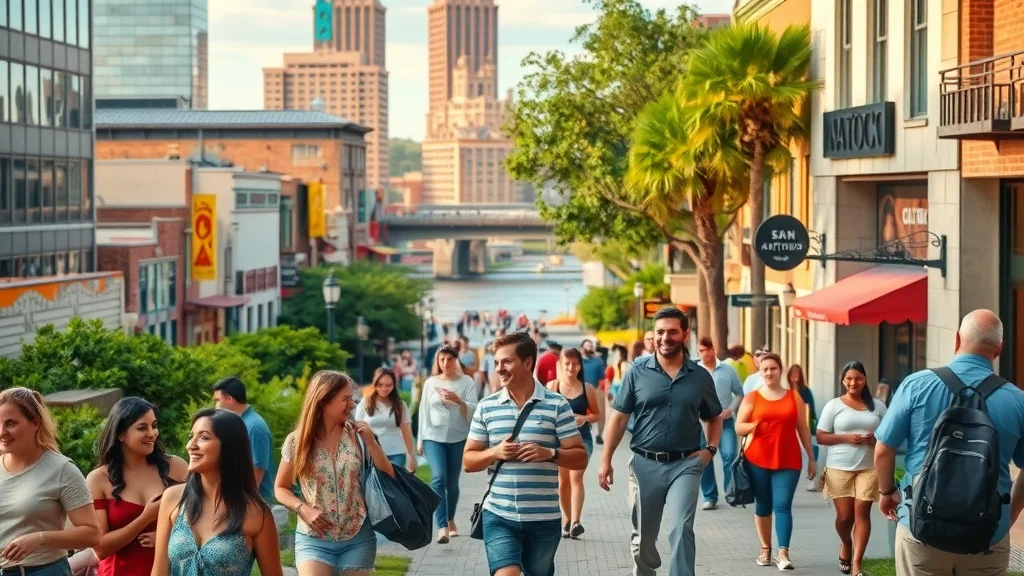
Unveiling San Antonio Tourism: A City of Surprises
San Antonio tourism isn’t just about ticking off postcard landmarks—though there are plenty! The city pulses with an incredible blend of history, color, and a lively local spirit, making every street an adventure. This guide is your roadmap to visit San Antonio like a traveler, not a tourist, with handpicked highlights and real tips to help you dive deeper into everything from the San Antonio River Walk to secret foodie enclaves, green parks, and family gems. If you’re wondering why over 34 million people make the journey annually, you’re about to find out.
Ready to discover what makes the Alamo City unmissable? Let’s jump in!
What You’ll Learn About San Antonio Tourism
- The most iconic San Antonio tourism attractions & experiences
- When and how to best explore the San Antonio River Walk
- Insider itineraries: Planning your visit to San Antonio
- Hidden gems and local favorites in San Antonio tourism
- Answers to top questions about san antonio tourism
San Antonio Tourism Overview: Why Visit This Dynamic City?
Why do millions choose to visit San Antonio each year? The answer lies in the city’s remarkable ability to blend the past and present, tradition and innovation
The heart of the city, the famed San Antonio River Walk, is a meandering urban oasis packed with restaurants, shopping, and seasonal festivities. Beyond its iconic attractions, San Antonio surprises visitors with its welcoming neighborhoods, multicultural influences, and a local food scene that’s as bold as its history. For families, couples, or solo explorers, san antonio tourism delivers unforgettable moments at every turn.
A Historical and Cultural Mosaic
San Antonio’s past is alive in its streets, architecture, and celebrations. Founded in 1718 as a Spanish outpost, the city is one of America’s oldest municipalities, and this longevity is reflected in its unique blend of cultures. As you explore San Antonio’s landmarks—like the Missions National Historical Park and the famed Alamo—you’ll experience a mosaic of Spanish, Mexican, German, and modern American influences. This dynamic melting pot is also celebrated during festivals such as Fiesta San Antonio, when the city erupts in color, music, and food, showcasing its deeply rooted traditions and contemporary vibrancy.
Every corner tells a story, from the ancient adobe walls of historic missions to the lively markets of El Mercado. This city’s identity is shaped as much by its storied past—the site of pivotal moments in history—as by the thriving arts, culture, and culinary scenes that beckon new generations of locals and travelers. Whether you love to delve into museums, stroll through historic parks, or experience live cultural events, San Antonio offers a tapestry of experiences sure to captivate.

The Modern Pulse of San Antonio
While history is foundational, San Antonio tourism also thrives on the city’s modern, innovative edge. Contemporary San Antonio brims with creativity, from the revitalized Pearl District’s culinary hotspots to the urban art installations peppering downtown. The city’s performing arts scene is alive with theaters, galleries, and live music, while outdoor lovers will find miles of green trails and scenic parks to explore. The San Antonio River Walk isn’t just a historic site—it’s a living, breathing part of the city’s daily social fabric, buzzing with festivals, pop-up markets, and dining experiences that run late into the night.
For those seeking something beyond traditional sightseeing, the city’s blend of high-tech, sustainability initiatives, and urban transformation ensures there’s always something new to discover. San Antonio’s appeal goes far beyond its storied past; it’s a dynamic, creative, and highly livable city that continues to capture the hearts of travelers from around the world.
Top Attractions in San Antonio Tourism
San Antonio tourism is packed with must-see landmarks and activities for every visitor type. Whether you’re exploring for the first time or a returning traveler, here’s a quick comparison of the city’s most popular top attractions to help plan your stay.
| Attraction | Type | Recommended Visit Length | Best For |
|---|---|---|---|
| San Antonio River Walk | Urban Waterfront | 2–4 hours (day or night) | All travelers, families, couples |
| The Alamo & Historic Missions | Historical Landmark | 2–3 hours each | History buffs, first-timers |
| Brackenridge Park | Urban Park | 2–4 hours | Families, outdoor lovers |
| San Antonio Zoo | Wildlife Attraction | 2–4 hours | Families, kids |
| Museum Reach (Art/Museums) | Cultural Experience | 2–3 hours | Art/science enthusiasts |
| Pearl District | Culinary/Shopping | 2–4 hours, flexible | Foodies, shoppers, couples |
San Antonio River Walk: The City’s Beating Heart
Nicknamed the city’s “beating heart,” the San Antonio River Walk is the most iconic landmark in san antonio tourism. Stretching over 15 miles, this urban oasis threads through downtown, lined with vibrant restaurants, shops, and hotels. It’s the place to savor open-air dining, ride a colorful riverboat, or immerse yourself in city festivals and live performances.
Day or night, the River Walk dazzles with energy and charm. Enjoy romantic evenings under twinkling lights, or take a guided cruise to learn about the city’s evolution from Spanish colonial outpost to modern metropolis. Whether you’re traveling solo, as a couple, or with family, the San Antonio River Walk provides a unique, walkable introduction to local history and culture—and it’s steps from other main attractions including the Alamo and historic plazas.
Exploring the Alamo and Historic Missions
No trip to San Antonio is complete without visiting the legendary Alamo, the most-visited historic site in Texas. This 18th-century Spanish mission and fortress played a pivotal role in shaping Texas history, and today stands as a must-see monument in the heart of downtown. Wander the evocative gardens, learn about the siege in the interactive exhibits, and pay tribute to the heroes of 1836.
Beyond the Alamo, the San Antonio Missions National Historical Park is a UNESCO World Heritage Site featuring four remarkable missions: Concepción, San José, San Juan, and Espada. These well-preserved churches tell a powerful story of the region’s colonial past, and their beautiful grounds offer a peaceful escape from the city bustle. Both spots are central to san antonio tourism for their historical, architectural, and cultural significance.

Brackenridge Park and the San Antonio Zoo
For nature lovers and families, Brackenridge Park is the green heart of San Antonio. Offering open lawns, scenic walking trails, and playgrounds under massive oak trees, it’s the perfect spot to relax between sightseeing. The park’s crown jewel is the San Antonio Zoo, home to hundreds of animal species and engaging exhibits for all ages.
Beyond the zoo, visitors can board a miniature train, visit the Japanese Tea Garden, or explore the city’s Botanical Gardens—all of which are located minutes from downtown. Brackenridge Park is ideal for a picnic, a stroll, or introducing kids to San Antonio’s wildlife, making it one of the top spots in san antonio tourism.
Art, Science & Culture: Museums in San Antonio
If you’re passionate about culture, San Antonio boasts a wide spectrum of museums and galleries. The Museum Reach section of the San Antonio River Walk connects major institutions, from the San Antonio Museum of Art with its world-class collections to the interactive Witte Museum and the family-focused DoSeum.
From art and history to science and innovation, these museums spotlight San Antonio’s dedication to education and community. Many are architecturally striking and offer rotating exhibits, special events, and hands-on experiences for visitors of all ages, further highlighting the depth of san antonio tourism.
San Antonio River Walk: The Ultimate Tourism Experience
The San Antonio River Walk isn’t just the most recognizable symbol of the city—it’s a world-class attraction in its own right. Its lively waterways, leafy walkways, and bustling cafe patios make it the prime destination for visitors of every age. Here’s everything you need to know for the best River Walk experience.
History & Transformation of the San Antonio River Walk
The San Antonio River has long been central to the city’s identity, but it wasn’t always the vibrant pedestrian corridor you see today. Originally built in the 1930s as a flood control project, the River Walk was transformed by ambitious city planners into a network of walkways, bridges, and parks. Over the decades, it grew into a thriving social and cultural epicenter that now hosts parades, art fairs, and food festivals—all against a backdrop of lush greenery and historic bridges.
Today, the River Walk links neighborhoods, museums, and shopping districts, drawing locals and tourists alike into its lively embrace. Its story reflects San Antonio’s broader journey: respect for heritage merged seamlessly with dynamic growth, a model for urban revitalization and a signature experience for san antonio tourism.
San Antonio River Walk Dining, Shopping, and Nightlife
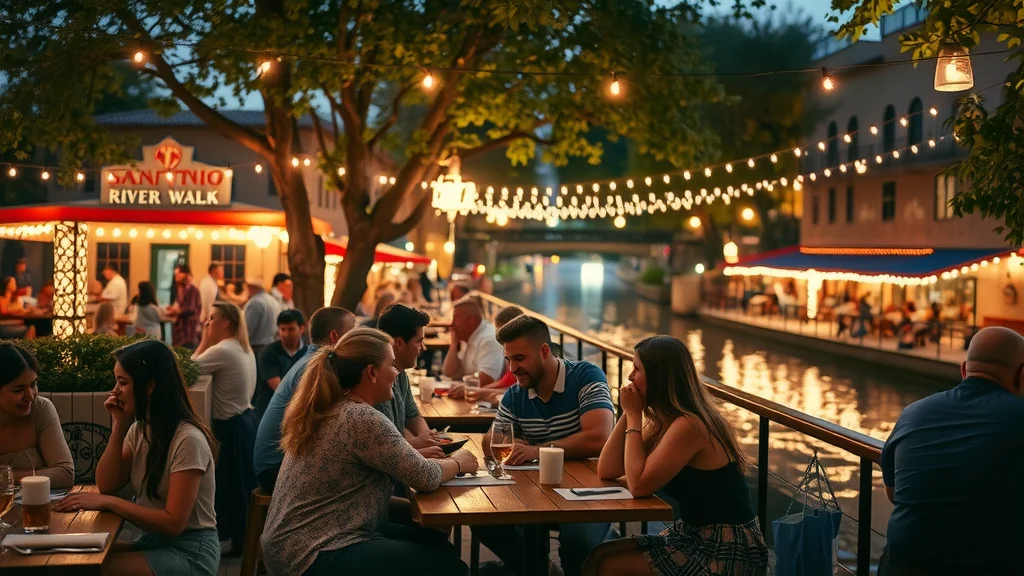
One of the joys of the San Antonio River Walk is its endless variety of eateries, shops, and entertainment venues. Alfresco dining is a must—try sizzling fajitas, riverfront barbecue, or gourmet Tex-Mex beneath colorful umbrellas. Many restaurants feature live music in the evenings, and there’s an abundance of quaint boutiques, galleries, and one-of-a-kind souvenir shops along the banks.
Nightfall brings the River Walk to life with luminous lights, bustling crowds, and nightlife venues offering margaritas, local craft brews, and salsa dancing. The area is easy to explore on foot or by water taxi, and you’ll never be far from the action. From family-friendly dining to romantic riverside evenings, the River Walk encapsulates the spirit of San Antonio tourism—fun, flavorful, and welcoming to all.
Must-See Sights Along the San Antonio River
- River cruises: Guided boat tours and romantic evenings
- Iconic landmarks: La Villita, public art, bridges, and fountains
- Seasonal events: Parades, music festivals, and local celebrations
San Antonio Tourism Heritage: Missions National Historical Park
San Antonio Missions National Historical Park is an inspiring destination and a UNESCO World Heritage Site that draws travelers seeking authentic history and stunning architecture. The park preserves four of the area’s original five Franciscan missions, including Mission Concepción, Mission San José, Mission San Juan, and Mission Espada, each offering a window into Spanish colonial life.
For anyone interested in America’s historical and cultural tapestry, Missions National Historical Park is essential to understanding how san antonio tourism began and how it continues to shape the city today.
Explore the San Antonio Missions National Historical Park
Walking or biking the Missions Trail, you’ll encounter breathtaking stone churches, peaceful chapels, and leafy courtyards. Each mission has its unique charm and story, offering a glimpse into the lives of early settlers and indigenous communities that built the foundations of modern San Antonio. Plenty of signage, guided tours, and interactive exhibits make the park accessible to all ages and interest levels.
The Missions are open daily, and many offer weekend events, traditional masses, and ranger-led programs that bring history to life. Plan at least a half-day to fully appreciate the beauty and heritage of this national historical park, an essential stop in any san antonio tourism adventure.
Significance of the Missions in San Antonio Tourism
The San Antonio Missions represent the city’s earliest roots and are key to understanding its multicultural DNA. Their inclusion as a UNESCO World Heritage Site speaks to their universal value, not just as architectural marvels but as touchstones of cultural resiliency and community. The Missions offer more than history—they’re vibrant, living landmarks that still host festivals, weddings, and local gatherings today.
For visitors, the Missions provide a tranquil yet profound counterpoint to the city’s busier districts. A stroll through the leafy grounds or a moment in one of the serene chapels is a reminder that in San Antonio, discovery is always just around the corner.
Planning Your Visit to the Missions National Historical Park
Entry to the San Antonio Missions National Historical Park is free, making it one of the best-value experiences in san antonio tourism. Weekdays are less crowded, but weekends feature living history demonstrations and local events. Consider renting a bike or using the Mission Reach extension of the River Walk, which links all four missions by scenic trails.
Bring comfortable shoes, water, and a camera—you’ll want to capture each mission’s distinct beauty. Allow at least a couple of hours to explore, and don’t miss Mission San José’s Rose Window or the serene gardens at Mission Espada. The visitor center offers helpful maps, trail information, and souvenirs. For history lovers, it’s a can’t-miss highlight of san antonio tourism.
San Antonio Tourism for Families: Entertainment & Adventure
Families flock to San Antonio for its welcoming parks, playful attractions, and hands-on museums. If you’re planning a multigenerational getaway or want to know what san antonio tourism offers for kids, here’s where to make your memories.
From the sprawling Brackenridge Park and thrilling San Antonio Zoo to kid-friendly museums and outdoor explorations, the city is full of fun and adventure. You don’t have to travel far—many attractions are clustered in the downtown area or close to the San Antonio River Walk, reducing travel time and maximizing the excitement for young explorers.
Fun at San Antonio Zoo & Brackenridge Park
The San Antonio Zoo is a family essential, home to hundreds of animal species and engaging exhibits like Africa Live! and Big Cat Valley. Let the kids feed flamingos or ride the Zootennial Carousel before enjoying a picnic under Brackenridge Park’s ancient oaks.
The park also features playgrounds, paddle boats on the river, and a tiny train that circles the gardens—perfect for little travelers. Brackenridge and the zoo are centrally located, allowing families to easily plan a day of adventure without leaving the heart of the city.

Kid-Friendly Museums and Discovery Centers
San Antonio tourism shines for curious young minds. The DoSeum, the city’s children’s museum, is a local favorite packed with STEM activities, imaginative play areas, and interactive galleries. The Witte Museum offers natural history, science, and Texas cultural exhibits that both educate and entertain.
Discovery centers, like the San Antonio Aquarium and Science Mill, are also easily accessible and make great rainy-day alternatives. These attractions help round out an itinerary that balances outdoor adventure with learning, ensuring that every member of the family leaves with unforgettable memories.
River Walk with Children: Tips & Highlights
The San Antonio River Walk is kid-friendly and stroller-accessible, with lots of outdoor patios, safe walking areas, and frequent family events. Most riverboats offer child tickets and lighthearted narration that entertains both grown-ups and little ones.
Be sure to check out nearby playgrounds, public art installations (like the whimsical “Fish” sculptures), and open-air markets selling crafts and snacks. Early mornings or late afternoons are best for avoiding crowds with children, and the entire River Walk is well-patrolled and welcoming to families.
Dining, Shopping, and Local Experiences in San Antonio Tourism
No visit to San Antonio is complete without savoring its culinary diversity or picking up unique, locally made treasures. Here’s your guide to the tastiest eats, best shopping spots, and vibrant local culture that make san antonio tourism a feast for every sense.
Whether you crave classic Tex-Mex, crave barbecue, or are in search of gifts and souvenirs at bustling markets like El Mercado, San Antonio’s tastes and treats leave every traveler happy and well-fed.
Taste of San Antonio: Tex-Mex, Barbecue, and Beyond
San Antonio is a foodie paradise. Start your journey with traditional Tex-Mex—think enchiladas, puffy tacos, and sizzling fajitas—at old-school institutions and riverside patios alike. For barbecue fans, the city boasts legendary smokehouses serving brisket, ribs, and mouthwatering sides.
But don’t stop there: Sample modern takes on local classics in the Pearl District, explore the fusion flavors of contemporary downtown bistros, or grab breakfast tacos from a bustling food truck. No matter your palate, sampling San Antonio’s food scene is an adventure of its own, and a quintessential part of the san antonio tourism experience.

Where to Shop: Unique Markets and Boutiques
From the open-air stalls of El Mercado—the largest Mexican market outside of Mexico—to trendy indie boutiques in the Pearl or Southtown districts, San Antonio offers plenty of ways to shop with style. Explore Market Square for handcrafted goods, folk art, and live music, or discover Texan souvenirs, artisan jewelry, and locally made crafts in one of downtown’s many specialty stores.
Vintage lovers will enjoy perusing retro shops in Monte Vista, while foodies can stock up on artisanal products, Texas olive oils, and wines at the Pearl Farmers Market. Shopping isn’t just an errand here—it’s another way to connect with San Antonio’s vibrant culture and community.
Cultural Events and Local Festivals
There’s always a reason to celebrate in San Antonio. The city’s calendar is filled with events that showcase its diverse heritage, from the grand spectacle of Fiesta San Antonio in spring to Dia de los Muertos, summer music festivals, and nighttime art markets. These events are woven into the fabric of san antonio tourism and provide unforgettable experiences whether you’re a first-time guest or a seasoned local.
Check local listings to join in parades, live concerts, folk dance performances, and street fairs that light up neighborhoods year-round. No matter when you visit San Antonio, you’re sure to encounter a festival or local happening that offers a taste of the city’s renowned hospitality and communal spirit.
Planning Your San Antonio Tourism Adventure
Planning a San Antonio adventure is all about timing, choices, and a well-crafted itinerary! With its mix of famous landmarks, lush parks, and lively neighborhoods, the city offers year-round delights—but a little planning ensures you make the most of san antonio tourism.
Here’s how to pick the best time to visit, and an easy sample itinerary to cover the highlights, hidden gems, and everything in between, whether you’re exploring for a weekend or an entire week.
Best Month to Visit San Antonio
The best times to visit San Antonio are the spring (March–May) and fall (September–November). During these months, the weather is comfortably mild, making it easy to walk the River Walk, browse open-air markets, and enjoy citywide events like Fiesta and Día de los Muertos celebrations.
Summer can be hot and crowded, but offers longer daylight hours and frequent festivals, while winter boasts lighter crowds and festive holiday lights. For most, spring and fall balance great temperatures, local events, and an inviting, vibrant energy that defines san antonio tourism.
Sample 3-Day Itinerary for San Antonio Tourism
- Day 1: San Antonio River Walk & Downtown
- Day 2: Historical Missions & Museums
- Day 3: Brackenridge Park, Zoo, and Local Flavors
Day One kicks off with a stroll along the San Antonio River Walk and a deep dive into downtown highlights, including the Alamo and La Villita. On Day Two, step back in time along the missions national historical park trail and pop into the city’s premier museums and vibrant art installations. Round out your stay on Day Three with a taste of San Antonio’s lush parks, a family adventure at the zoo, and a farewell feast sampling local cuisine—ensuring your san antonio tourism adventure is both broad and unforgettable.
Hidden Gems: Lesser-Known Spots in San Antonio Tourism
Beyond the bucket-list attractions, San Antonio tourism is full of hidden gems. Explore cool neighborhoods, tranquil gardens, and offbeat adventures where locals hang out and the city’s creative soul shines brightest.
Pearl District: Culinary and Cultural Hotspot
The revitalized Pearl District is San Antonio’s hippest urban neighborhood, blending historic brewery architecture with cutting-edge food halls, indie shops, and art events. Outdoor markets, chef-driven bistros, and craft coffee bars make it a top spot for foodies and culture lovers alike.
Don’t miss the weekend farmer’s market or the riverside lawn where locals gather for yoga and live music. With its youthful vibe and constant energy, the Pearl quickly turns visitors into regulars, making it a highlight of modern san antonio tourism.

Japanese Tea Garden: Tranquil Escape
Located within Brackenridge Park, the Japanese Tea Garden is an unexpected paradise. Wander winding pathways over koi ponds, flowering bridges, and lush gardens beside dramatic stone archways. The historic pavilion and shaded benches offer quiet corners for reflection, far from the city’s bustle.
It’s especially popular at sunrise or just before sunset, and entry is free—making it a favorite “off the beaten path” addition to any san antonio tourism itinerary.
Street Art, Markets, and Off-the-Beaten-Path Attractions
Venture further into Southtown for vibrant street art, creative murals, and open studios. On weekends, seek out the city’s pop-up flea markets and hidden courtyards, where you can discover everything from vintage vinyl to native plants. Local favorites include Yanaguana Garden, Confluence Park, and the quirky Historic Market Square.
Put these unique stops on your san antonio tourism wish list if you want to go beyond the guidebook and experience the creative, grassroots heartbeat of this remarkable city.
People Also Ask: San Antonio Tourism FAQs
Is San Antonio, TX worth visiting?
Absolutely. San Antonio is a vibrant city blending history, culture, food, and natural beauty, making it a must-visit destination for tourists of all ages.
What is the best month to visit San Antonio, Texas?
The best months are March to May and September to November, when weather is mild and festivals abound.
How to spend 3 days in San Antonio?
Day one at the River Walk and Alamo, day two at the Missions National Historical Park and museums, and day three at Brackenridge Park and the zoo.
What is San Antonio, Texas famous for?
San Antonio is renowned for the Alamo, its historic missions, vibrant River Walk, diverse cuisine, and rich blend of cultures.
Frequently Asked Questions About San Antonio Tourism
-
What are the safest areas to stay in San Antonio?
The safest areas generally include downtown San Antonio near the River Walk, Alamo Heights, and the Pearl District. All offer proximity to attractions and a range of accommodations. -
Do you need a car to experience San Antonio tourism?
No, most key attractions are concentrated downtown or easily reached by public transit, rideshare, or bike. However, having a car offers more flexibility, especially for outlying parks. -
What local foods should visitors try in San Antonio?
Don’t miss puffy tacos, breakfast tacos, brisket barbecue, Tex-Mex classics, and artisanal treats from the Pearl Farmer’s Market or El Mercado. -
Are there free attractions in San Antonio tourism?
Yes! Stroll the River Walk, visit the Missions National Historical Park, enjoy Brackenridge Park and the Japanese Tea Garden, and discover many free festivals and markets throughout the year.
Key Takeaways from Your San Antonio Tourism Journey
- San Antonio tourism offers world-famous landmarks and unique local culture
- The San Antonio River Walk is the city’s tourism centerpiece
- Best months for visiting San Antonio are spring and fall
- Abundant experiences for families, foodies, and history lovers
Ready to Plan Your San Antonio Tourism Escape?
"Start planning your perfect trip with our curated guides—explore the heart and soul of San Antonio tourism today!"
For those seeking an in-depth local perspective on the city, SanAntonioLiving.us is an invaluable resource, offering detailed guides, up-to-date event information, and firsthand recommendations to enhance your experience of San Antonio tourism. Additionally, travelers interested in broader Texas adventures can find comparative insights and trip ideas on AustinLiving.us, helping you plan multi-city explorations across the Lone Star State. If you’re serious about experiencing the best of San Antonio tourism and making the most of your Texas journey, these resources will give you expert tips and inspiration for every step of your trip.





Write A Comment