


Back and Neck Pain Solutions: Could Non-Surgical Decompression Be the Answer You’ve Been Seeking?
Every year, millions of people struggle with chronic back and neck pain—sometimes so debilitating it affects their ability to work, sleep, or simply enjoy daily activities. Traditional chiropractic treatments and pain medications can offer relief for some, but what about those whose discomfort lingers or who wish to avoid the challenges of surgery? In the search for lasting comfort and improved mobility, a newer option has emerged: non-surgical decompression. But is it just the latest trend, or is there a solid foundation behind its growing popularity?
If you’ve heard people mention spinal decompression therapy but aren’t quite sure what it involves—or how it differs from the adjustments, stretches, and therapies employed by chiropractors and osteopathic practitioners traditionally—you aren’t alone. Questions about its effectiveness, safety, and the conditions it can help are common, especially given the myriad options now available to those with persistent pain. Understanding how non-surgical decompression works is an essential step for anyone considering new solutions for pain relief, particularly if previous attempts at recovery have fallen short. This article provides a clear-eyed look at non-surgical decompression: what it is, how it works, and who it can benefit most.
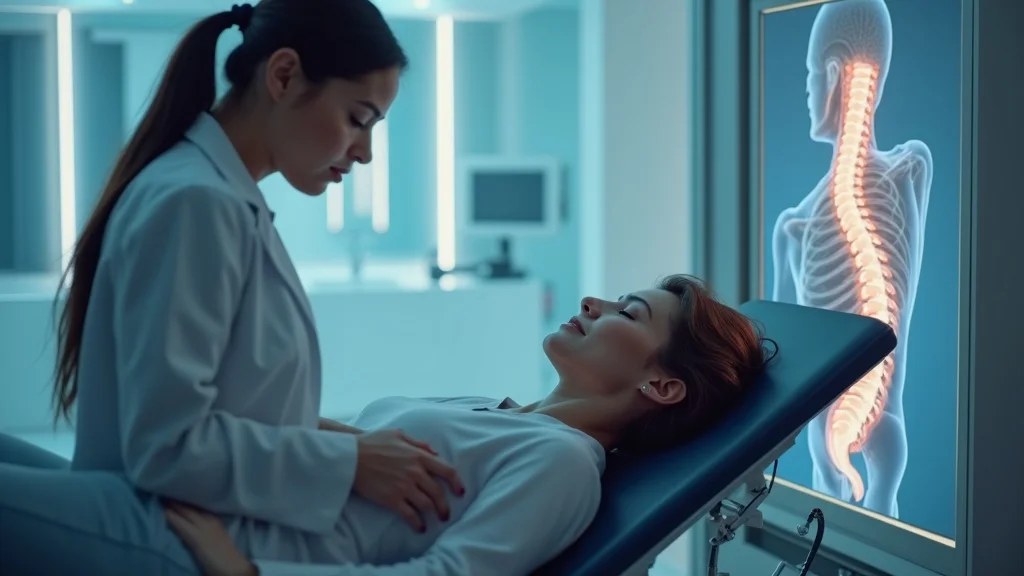
Understanding Non-Surgical Decompression: A Science-Backed Approach Distinct from Traditional Treatments
At its core, non-surgical decompression therapy is a targeted, machine-assisted treatment designed to relieve pressure on the spinal discs and nerves, a cause of some of the most stubborn forms of back and neck pain. Unlike manual spinal adjustments used in chiropractic or the hands-on techniques from osteopathic manual therapy, decompression therapy uses specialized equipment to gently and precisely stretch the spine. This controlled decompression creates negative pressure within the spinal discs, often helping to retract bulging or herniated discs away from irritated nerves and drawing fresh fluids and nutrients into the disc space to support natural healing.
The beauty of non-surgical decompression lies in its collaborative nature. As part of a broader pain management strategy, it often complements not just chiropractic or osteopathy, but also neurorehabilitation and physical therapy. It is a non-invasive, non-pharmaceutical intervention for nagging conditions like nerve pain, sciatica, or stubborn post-surgical discomfort. Understanding the difference between this therapy and more traditional methods is key, because while exercises and manual work can ease muscle tension or re-align joints, decompression focuses on directly reducing the forces that compress the spinal discs and nerves—a distinction that can lead to dramatically different outcomes for suitable candidates.
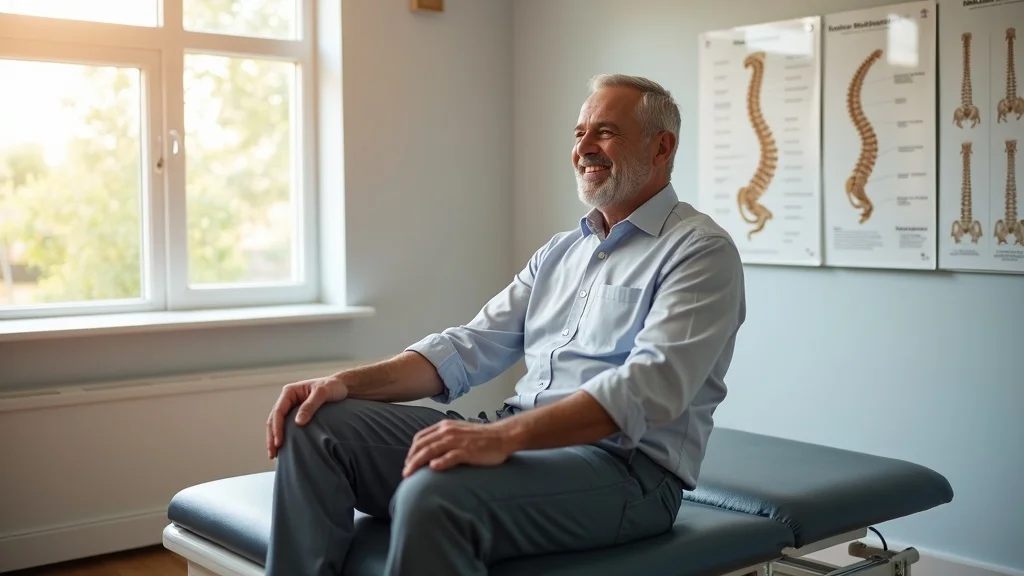
For those interested in the broader philosophy and patient-centered approach that underpins these therapies, Ottawa Pain Management & Wellness offers further insight into their commitment to comprehensive care and patient satisfaction on their dedicated thank you page, where they highlight the importance of ongoing support and gratitude in the healing journey.
How Non-Surgical Decompression Reimagines Pain Management for Spine and Joint Conditions
Backed by a multidisciplinary approach, Ottawa Pain Management & Wellness leverages the collective knowledge of experts in chiropractic, osteopathy, and pain rehabilitation to guide patients through non-surgical decompression as part of an individualized care plan. This method is particularly advantageous for those suffering from herniated or bulging discs, sciatica, persistent nerve pain, and recurring back or neck discomfort that hasn’t responded to other forms of therapy. By precisely targeting the area of concern with advanced decompression equipment, the treatment is able to reduce pain, support natural movement, and encourage tissue repair without invasive surgery or heavy medication regimens.
Patients at centers like Ottawa Pain Management & Wellness benefit from decompression both as a standalone option and, when appropriate, in tandem with modalities such as focused shockwave or laser therapy. This comprehensive view recognizes that chronic pain is often multi-faceted—requiring a team, not just a single treatment or perspective. Non-surgical decompression offers hope and a practical pathway for those who feel caught between the limitations of medication and the significant risks and downtime associated with surgical interventions. The ability to resume normal activity, regain physical independence, and reduce reliance on pharmaceuticals marks a generational shift in how pain and mobility challenges are addressed.
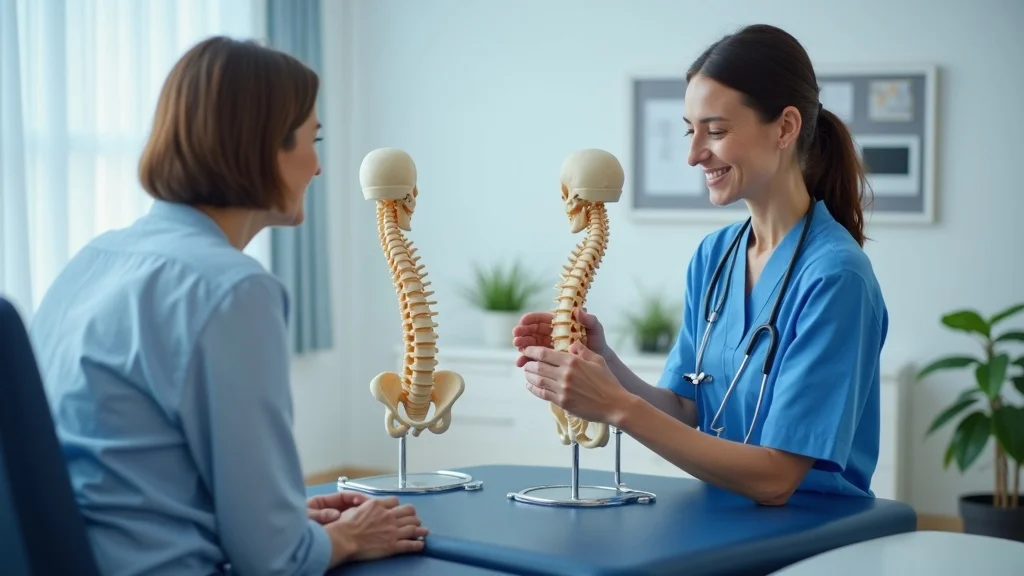
Tailoring the Decompression Experience: What to Expect from a Therapy Session
For those unfamiliar with the process, a typical non-surgical decompression session is markedly different from manual spinal adjustments. Beginning with a careful evaluation—often including an intake form and video or phone consultation to review medical history and pain goals—patients are carefully prepared for the session. The decompression equipment, which is finely tuned to each patient’s needs, cradles the spine while gentle, incremental traction is applied. Treatments generally last between 20 to 45 minutes, are painless, and allow for individual adjustments to maximize comfort and effectiveness.
Practitioners lead patients through what to expect before, during, and after each session: from an initial sense of gentle stretching along the spine to possible longer-term sensations of relief and easier movement. There is no “one size fits all” approach. Each session is monitored and evaluated, with the care team adapting strategies according to real-time feedback and progress. Combining decompression with additional restorative therapies such as neurorehabilitation or physical rehabilitation helps ensure that gains achieved during treatment don’t dissipate, but rather, continue to build as patients resume an active, engaged lifestyle.
Conditions Most Responsive to Non-Surgical Decompression Therapy
Non-surgical decompression is best known for its effectiveness in alleviating specific spine and joint conditions that often persist despite conventional care. Chief among them are herniated discs, bulging discs, and sciatica—problems that tend to develop from injury, repetitive strain, or the gradual wear-and-tear of everyday living. This therapy can also provide relief for those enduring chronic neck or back pain, nerve pain, symptoms following auto accidents, or even lingering aftereffects of surgery. With the right assessment and multidisciplinary oversight, decompression can serve both as a frontline solution and a secondary option for complex or stubborn pain syndromes.
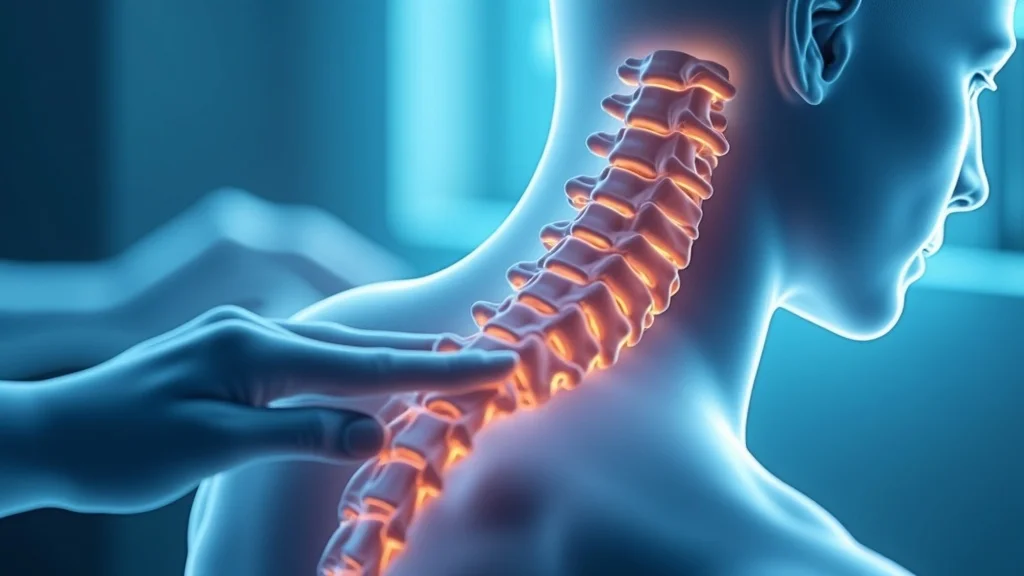
Importantly, the therapy is not limited to a single symptom or age group. Its versatility is reflected in its use for joint pain, slipped discs, and post-traumatic or post-operative complications, especially where traditional interventions haven’t delivered lasting results. Patients appreciate both the reduction in pain and the consistent, measurable improvements in their ability to perform daily activities, from sitting and standing comfortably to reaching, lifting, and walking. This aligns with the mission seen at Ottawa Pain Management & Wellness: restoring—not just masking—function and autonomy in those whose quality of life has been undermined by pain.
Pain Relief Without Surgery: The Minimally Invasive Appeal of Decompression
One of the most compelling aspects of non-surgical decompression is its non-invasive nature. For individuals wary of surgery, anesthesia, and prolonged recovery, decompression therapy offers a way forward with minimal interruption to daily life. The process is performed entirely outside a hospital setting, avoiding incisions or invasive procedures; instead, it works by harnessing the body’s own capacity for repair, activating healing at the level of the disc and nerve. The reduction in risk, downtime, and potential complications is a central reason many choose to pursue decompression as a first—or next—step.
Just as importantly, non-surgical decompression provides an out for those rightly concerned about relying on medications for long periods, with all the attendant side effects and diminishing returns. The therapy is repeatable, customizable, and generally well-tolerated, making it an option that fits into a variety of busy schedules and lifestyles. When combined with other therapies, it supports a holistic approach to pain relief, one that empowers people to reclaim health without sacrificing comfort or safety.
Multidisciplinary Expertise Meets Compassion: A Clinic Approach to Pain Management and Wellness
Ottawa Pain Management & Wellness, formerly known as Ottawa Chiropractic & Osteopathy, exemplifies an integrative model where varied medical disciplines cooperate to tackle complex pain. With offerings that range from spinal decompression and focused shockwave therapy to neurorehabilitation and physical rehabilitation, the clinic’s philosophy is grounded in restorative care—always aiming to address the root causes of pain rather than just its symptoms. Their intake process begins even before a patient enters the clinic, with a phone or video consult and review of personal goals, ensuring each journey is uniquely mapped.
The clinic’s commitment to continuous assessment and education means every patient’s care plan is dynamic. They combine the strengths of chiropractic expertise with osteopathic manual therapy, and expert oversight by pain specialists when needed. This depth of knowledge supports positive, evidence-informed outcomes and a greater sense of confidence for those embarking on a therapy like non-surgical decompression. The interdisciplinary approach doesn’t just promise more comprehensive solutions—it actualizes them, helping patients rediscover movement, independence, and hope even after years of discomfort.
Firsthand Testimony: One Patient’s Journey Back to Life
Personal stories can often shed light on the true potential of a treatment better than any clinical explanation. One such experience underscores both the effectiveness of multidisciplinary care and the difference non-surgical decompression can make in daily life.
I have been attending Ottawa Pain Management & Wellness (formerly Ottawa Chiropractic & Osteopathy) since April 2024, after randomly finding them on a Google search. From my first telephone consult until present time, Dr King has helped me get back to feeling normal. I had been having debilitating bouts of dizziness that left me unable to drive, walk straight, or just simply get out of bed most days. I had seen other specialists, but it was Dr King who literally got me back on my feet and eventually back to work, something I thought was never going to happen again. My child has also been treated at OPMW. Both Dr King and Isabel are incredibly caring, knowledgeable in their respective fields, and lovely human beings, who really want to help people feel better. I feel very thankful to have stumbled upon them, and will continue to recommend their services to others.
Experiences like these help validate the promise of non-surgical decompression and multidisciplinary care. For those weighed down by pain or a complex diagnosis that hasn’t responded to other solutions, the prospect of genuine recovery—and a return to life’s center stage—can feel within reach.
“Restorative Relief on Your Terms”: The Promise of Non-Surgical Decompression for Future Health
As pain management evolves, non-surgical decompression stands out as an evidence-supported, patient-centric innovation with enormous potential to transform lives. By offering targeted, minimally invasive relief for conditions ranging from disc herniations to chronic nerve pain, this therapy bridges the gap between conventional and surgical care—empowering more people to overcome discomfort while preserving their autonomy.
Through its commitment to comprehensive, restorative strategies, Ottawa Pain Management & Wellness continues to contribute prominently to expanding patient options and raising standards for non-invasive interventions. When considering how to address back and neck pain, non-surgical decompression is no longer an alternative—it’s rapidly becoming a new standard for those seeking to restore comfort, mobility, and genuine wellness.
If you’re inspired to take the next step in your recovery or simply want to deepen your understanding of patient-centered care, exploring the gratitude and feedback shared by others can offer valuable perspective on what to expect from a truly supportive clinic environment. These real-world experiences highlight the ongoing commitment to wellness and the personalized attention that sets Ottawa Pain Management & Wellness apart. Whether you’re seeking advanced pain relief or a holistic approach to long-term health, learning from the journeys of past patients can help you make informed, confident choices for your own path forward.
Contact the Experts at Ottawa Pain Management & Wellness
If you’d like to learn more about how non-surgical decompression could benefit your pain recovery and health, contact the team at Ottawa Pain Management & Wellness.
📍 Address: Suite 704, 265 Carling Ave, Ottawa, ON K1S 2E1, Canada
📞 Phone: +1 613-230-0909
🌐 Website: https://www.ottawachiro.ca/
Ottawa Pain Management & Wellness Clinic Location and Hours
🕒 Hours of Operation:
📅 Monday: 11:00 AM – 6:00 PM
📅 Tuesday: 11:00 AM – 6:00 PM
📅 Wednesday: 11:00 AM – 6:00 PM
📅 Thursday: 11:00 AM – 6:00 PM
📅 Friday: ❌ Closed
📅 Saturday: ❌ Closed
📅 Sunday: ❌ Closed





Write A Comment