

Curious about how to expand your home's living space without overhauling your entire house? Discover the crucial difference between bump out and addition before you take the plunge—and learn how the right choice can unlock the comfort, value, and flow your lifestyle deserves.
Unlocking Extra Living Space: Why Understanding the Difference Between Bump Out and Addition Matters
Homeowners often dream of more living space, whether for a cozy breakfast nook, a spacious family room, or a luxurious master suite. But how do you decide if a modest room addition or a full-scale home addition makes the most sense for your property? Knowing the difference between bump out and addition is the key to realizing your home improvement vision, all while navigating factors like lot size, setback requirements, and project scope.
If you’re exploring ways to expand your living spaces, it’s vital to understand what a bump out is versus a full addition. Each path has distinct benefits, costs, and implications for your daily life. By the end of this article, you’ll be equipped to confidently choose the expansion that aligns with your needs, whether you crave a larger kitchen, want to add a full room, or are considering a dramatic two-story addition. Your home should grow with your lifestyle—not just your square footage.
"Your home should grow with your lifestyle—not just your square footage." – Banner Construction Expert
What You'll Learn About the Difference Between Bump Out and Addition
The essential characteristics of a bump out and a full addition
Room addition vs. home addition: How to choose the right solution
The impact of lot size, setback requirements, and home improvement goals
Key factors influencing cost, scope, and home remodeling decisions
Defining the Difference Between Bump Out and Addition
What is a Bump Out in Home Improvement?
A bump out is a subtle, targeted extension to your existing room—think of it as an architectural “mini-addition. ” Instead of building an entirely new room or floor, a bump out increases a section of your home’s square footage by a few feet. This approach is perfect for expanding a kitchen, creating a window-filled reading nook in the living room, or adding space for a dining area without extensive foundation work.
Bump outs often do not require the full set of regulatory and structural changes demanded by large home additions. They’re typically less expensive, less disruptive, and faster to complete, making them ideal for busy families who want more comfort without turning their home into a long-term construction site. Ultimately, a well-designed bump out can transform cramped living areas into spaces that feel open, bright, and functional—proving that sometimes, a small change has a massive impact.
What Constitutes a Room Addition or Full Addition?
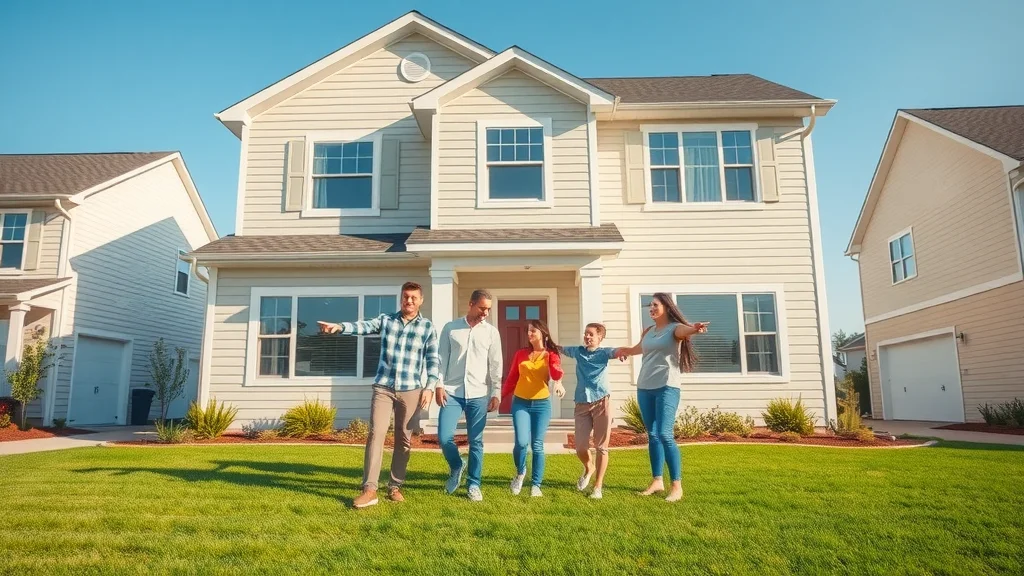
A full room addition or full addition is a construction project that creates entirely new living space—from the ground up. Unlike a bump out’s modest extension, a full addition might add a large master suite, a new family room, or an entire second story to your existing home. These projects are more involved, typically requiring permits, extensive design, and foundational or structural work with input from a structural engineer.
Full additions allow you to reimagine your home, accommodating a growing family, multi-generational living, or entirely new home office and entertainment areas. With more space comes more complexity—and potentially, a much higher property value. While they require a greater commitment of time and resources, full additions deliver dramatic results, completely changing the flow and feel of your living spaces.
Home Additions vs. Room Additions: Pinpointing the Distinctions
When examining home additions versus room additions, the differences are subtle yet impactful. A room addition generally refers to creating a specific space—like adding a new family room or expanding an existing room. A home addition can encompass everything from a single room to multiple rooms or even full story additions.
Choosing between a room addition and a home addition largely depends on your intended use, available lot size, and how much you want to transform your house. Room additions are more focused, while full home additions allow for bigger changes, such as adding a guest suite or reconfiguring the entire layout of your property—potentially creating an almost custom home experience without moving.
Comparing Bump Outs vs. Full Additions: Size, Purpose, and Impact |
||
Feature |
Bump Out |
Full Addition |
|---|---|---|
Typical Size (Square Footage) |
Less than 100–150 sq. ft. |
150+ sq. ft. — can be one or multiple rooms |
Purpose |
Expand existing room, add a nook or bay |
Create entirely new room(s) or floors |
Disruption Level |
Low to Moderate |
High (extended construction period) |
Regulatory Demands |
May not require full permit process |
Always requires permits & code compliance |
Cost |
Generally lower, quick ROI |
Significantly higher, increases property value |
Ideal For |
Kitchens, bathrooms, dining room nooks |
Master suites, family rooms, entire new stories |
Lot Size Needed |
Minimal increase |
Requires larger or flexible lot arrangement |
The Room Addition Process: Planning and Considerations

Full Room Extensions: When More Space is Essential
Opting for a full room extension is the right step when your needs exceed what a bump out can provide. If your family room feels constricted for daily activities or if you want a spacious master suite with a walk-in closet and large bathroom, a full addition is the best way to transform your living space. This solution is particularly attractive for families planning to stay in the home long-term, as the enhanced square footage increases both daily comfort and resale value.
Room additions often require designing a cohesive extension that matches your home's existing architecture, carefully planning how spaces will flow together. Collaboration between you and experienced home improvement professionals ensures a seamless transition, minimizing disruption while maximizing the end result. Whether the new space is a serene home office or a versatile guest bedroom, full room extensions create flexibility for evolving family needs.
Story Addition: Going Up When Yard Space is Limited
If you're constrained by limited lot size or yard space, a story addition could be the innovative solution. Adding a second (or even third) level can double your living area without encroaching on precious outdoor space. This approach demands detailed structural analysis and additional permitting, but the payoff is immense: extra bedrooms, an upstairs master suite, or a secluded second-story family room.
Story additions make sense for homeowners who want to remain in a desirable neighborhood but whose homes feel cramped. By building up instead of out, you retain your backyard while enjoying the benefits of a custom home. However, be aware of municipal setback requirements and height restrictions that could affect your plans. Working with knowledgeable remodelers ensures your vision meets local codes and maximizes the potential of your existing home.
Master Suite and Family Room Expansions
Designing a new master suite is a popular home addition goal. A full master suite can include a private bathroom, spacious closet, and retreat area—transforming your house into a haven. Similarly, expanding or creating a new family room gives everyone space to gather, entertain, or relax.
Master suites and family rooms not only enhance your comfort but also add substantial value to your property. These projects involve careful home remodeling planning—from integrating HVAC and plumbing to ensuring harmonized architecture inside and out. Professional design and construction deliver a space that feels as if it’s always been part of your home, seamlessly blending form, function, and style.
Bump Out Benefits: Quick Home Improvement Without Major Disruption
Popular Uses: Kitchen Bump Outs and Bathroom Enlargements
Bump outs are an excellent solution for targeted home improvements such as expanding a cramped kitchen or enlarging a small bathroom. A kitchen bump out might add just enough width for an island, a breakfast nook, or pantry storage, instantly improving the heart of your home. Likewise, a bathroom bump out lets you upgrade to a luxurious soaker tub or install double sinks, all while keeping your existing footprint nearly the same.
Well-executed bump outs are quick to build relative to full additions, causing less daily disruption. They’re perfect for homeowners who want meaningful change in essential living spaces without a drawn-out construction timeline. For families hosting guests or entertaining frequently, these small-scale expansions make everyday life genuinely more enjoyable.

Yard Space and Lot Size: How Bump Outs Maximize Living Space
Because bump outs usually add less than 150 square feet and often extend only a few feet from your existing home, they can be perfect for properties with limited yard space or tough lot size constraints. Whether you live in a cozy urban home in Northern Virginia or a suburban neighborhood with tight boundaries, a bump out can give you that much-needed space without pushing beyond your property line.
Moreover, bump outs are less likely to trigger complicated setback requirement hurdles. You’ll expand your living room or create a functional dining area while still enjoying your outdoor space. This makes a bump out an attractive option for homeowners who value open lawns, gardens, and play areas for children or pets.
-
Pros and Cons: Bump Out vs. Full Addition for Home Remodeling
Bump Outs pros: Targeted room expansion, faster completion, less disruption, typically lower cost, works with limited yard space
Bump Outs cons: Limited in size, may not suit large families or major space needs, less increase in property value
Full Additions pros: Substantial living space gain, adds significant value, enables complete redesign, ideal for growing families or multigenerational living
Full Additions cons: Higher cost, longer time frame, requires larger lot or more complex regulatory navigation, more disruption to daily life
Full Room or Home Addition: Expanding for Family and Function
How Full Additions Transform Your Living Space
A full addition can completely transform how you use your home, offering new living areas that were previously impossible with the existing layout. Imagine hosting gatherings in a broad new family room, welcoming guests to a comfortable in-law suite, or enjoying a dedicated playroom for kids. The possibilities are endless and as unique as your vision for your home remodel.
With full additions, you have the freedom to design from the ground up, choosing finishes and layouts that reflect your family’s lifestyle. This kind of home expansion is about more than extra square footage—it’s about creating spaces that adapt to life’s changes and make every day more enjoyable. It’s the ultimate way to turn your house into a custom home, enriched with comfort, utility, and style.
Home Remodel Scope: Integrating Home Additions with Existing Structures
Integration is key for successful home additions. The best room additions feel like a natural part of the original home, matching in both design and function. This is where experienced home remodelers, like Banner Construction, shine—they align the new structure with your current layout, exterior materials, and interior finishes.
From foundation work to HVAC and electrical extensions, no detail is overlooked. A well-integrated addition boosts your home’s value and appeal, creating a seamless, unified feel. Whether you require more bedrooms, a larger living room, or a versatile home office, a thoughtfully planned addition gives you the freedom to thrive in your existing home for years to come.
Setback Requirements and Lot Size in Home Improvements
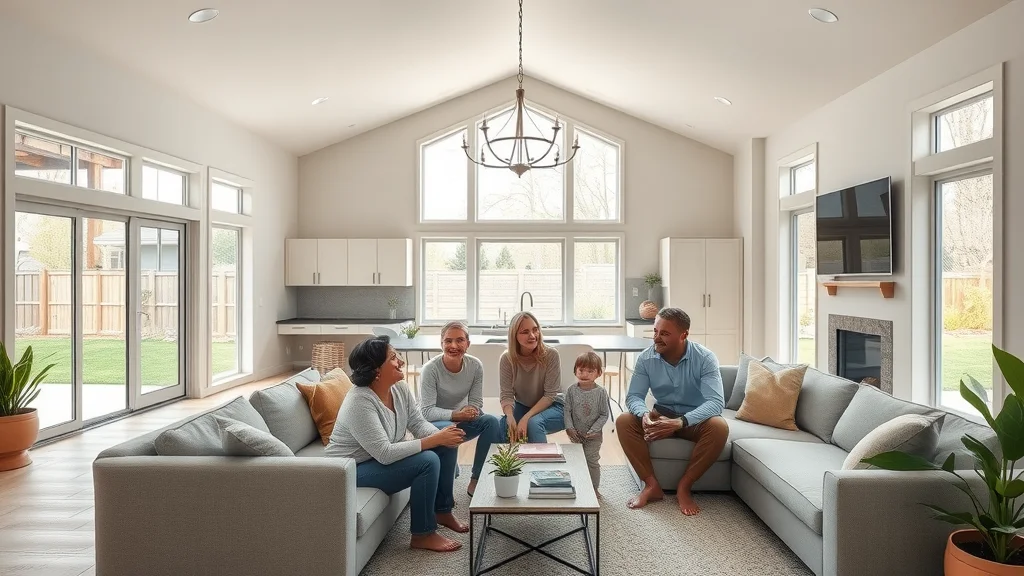
No matter how grand your home improvement plans may be, they must accommodate your property’s setback requirements and lot size. Setbacks are the required distances between your home and property lines, streets, or neighboring homes. These regulations protect neighborhood character and ensure safety but can limit just how much you can expand outward or upward.
Every community enforces its own setback requirement guidelines, so confirming the rules before starting construction is critical. In general, the larger your lot size, the more flexibility you’ll have with a full addition. If your available space is tight—or if setback limits are strict—expert guidance is essential to maximize your home’s expansion potential without running afoul of local ordinances.
Navigating Setback Requirements and Lot Size in Difference Between Bump Out and Addition
Understanding Setback Requirement Regulatory Factors
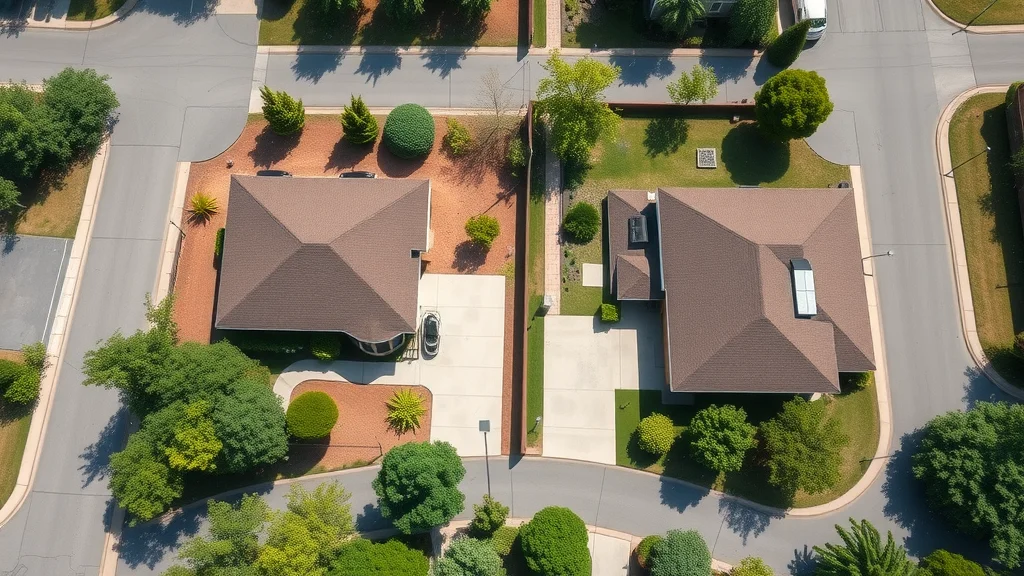
Setback requirements are non-negotiable regulations dictating how close any room addition or bump out can be to the edges of your property line. These rules safeguard privacy, ensure proper access for emergency services, and maintain harmony in neighborhood design. Before designing your living space expansion, your contractor will review city or county codes to identify all restriction zones.
Overlooking setback requirements can lead to costly revisions or even teardown orders, so early professional planning is indispensable. Whether you live in a compact Northern Virginia suburb or a spacious rural plot, understanding and respecting these guidelines will save time, money, and stress. Qualified home remodelers, like those at Banner Construction, take care of this due diligence so your project is both inspiring and compliant.
Story Addition and Lot Size Limitations
Should lateral expansion be restricted by setback requirements or small lot size, a vertical story addition offers creative possibilities. Building upward can add significant square footage without infringing on yard space, but not all lots or homes are structurally suited for multi-story extensions.
Before choosing this route, a detailed engineering assessment will determine if your home’s foundation and structure can bear the added load. The benefit is clear, especially in communities where land is scarce or tightly regulated—your home addition can grow with your family’s needs, and your valuable outdoor areas remain untouched.
Expert Insights: Choosing Between a Bump Out and Addition for Your Home Remodel
"Your vision and your property’s potential both play vital roles in determining if a bump out or full addition is right for your home improvement goals."
In choosing between a bump out and a full addition, consider the scale of your aspirations. Is your goal to brighten a kitchen or craft a dedicated entertainment space? Does your property support a major expansion, or is a small improvement all your family needs? Rely on experienced remodelers—like the Banner Construction team—to balance your dreams with practical constraints such as setback requirements, budget, family growth, and the overall flow of your living spaces.
Remember, your home improvement journey is a blend of creativity, planning, and professionalism. Together, you and your contractor can create a new reality that not only fits your immediate goals but also grows alongside your family and lifestyle for years to come.
Frequently Asked Questions About the Difference Between Bump Out and Addition
Is a bump out cheaper than an addition?
Understand the financial and design factors that impact the cost difference between bump out and addition.
Generally, a bump out is less expensive than a full addition because it involves a smaller scope of work—less foundation, framing, and interior finishing. However, actual costs depend on factors such as desired square footage, complexity of design, finishes, and any necessary adjustments to structural or utility systems. Bump outs are ideal for targeted upgrades, but if you need significant expanded living area, a full addition, though more costly, may offer more value in the long run.
What is the difference between a bump out and an addition?
Explore the core structural, regulatory, and design distinctions between bump outs and full additions.
The main difference between bump out and addition lies in the scale and intent. Bump outs are smaller expansions that extend an existing room’s space, perfect for kitchens or bathrooms. Additions—whether a room addition or full-scale home addition—create wholly new spaces, such as a new master suite or an upstairs family room. Each comes with unique regulatory requirements, construction costs, and impacts on property value.
What is the 30% rule in remodeling?
Examine how the '30% rule' may affect your home remodeling and difference between bump out and addition choices.
The “30% rule” in remodeling suggests that if a planned expansion increases your home’s footprint by more than 30%, it may trigger additional building codes, stricter setback requirements, or even different tax implications. Knowing this threshold helps you plan accordingly—so you don’t encounter unexpected costs or regulatory hurdles during your room addition or story addition project. Consulting local professionals ensures compliance from the start.
How much does a 10 foot bump out addition cost?
Learn the various factors influencing the cost and complexity of a 10-foot bump out in the context of home additions.
The cost of a 10-foot bump out addition varies based on design complexity, required foundation work, materials, and integration with your existing home. Project costs may also fluctuate depending on location, regulatory climate, and the quality of finishes. Since even a “modest” bump out must meet code and blend seamlessly with your home, speaking directly with a trusted contractor ensures you receive an accurate, tailored estimate.
Key Takeaways: Understanding the Difference Between Bump Out and Addition
Bump outs are ideal for targeted room additions with minimal disruption.
Full additions, such as master suites, offer extensive new living space and increase property value.
Setback requirements, lot size, and long-term goals all influence the best solution for your home.
Consulting with experienced home improvement professionals ensures the difference between bump out and addition is tailored to your needs.
Conclusion: Making the Right Home Addition Decision
Your Dream Home Reimagined: Is a Bump Out or Full Addition the Best Fit?
"Banner Construction’s award-winning experience ensures your next room addition—bump out or full addition—delivers enduring comfort and style."
No matter your needs, the right-sized home addition transforms everyday living. Trust experienced professionals to design the space that fits your life today—and tomorrow.
Contact Banner Construction for Expert Guidance on Your Difference Between Bump Out and Addition Decision
Ready to take the next step in your home improvement journey? Contact us at Banner Construction for trusted expert guidance and a custom plan tailored to your lifestyle or call us at (314) 648-2368. Whether you envision a subtle bump out or an expansive full addition, our award-winning team is here to help you achieve the home of your dreams.


Write A Comment