UPDATE

Your guide to modern living—every day.

  • Home
  • Categories
    • Wellness
    • Home and Garden
    • Work and Life
    • Travel
    • People and Style
    • Living Spaces
June 21.2026
1 Minute Read

As AI Amplifies Our Capabilities, Here’s How to Stay Deeply Human

Picture yourself in a workplace buzzing with digital efficiency—AI systems flag upcoming tasks, automate reminders, and suggest solutions before you’ve finished your morning coffee. Yet, in this tech-rich world, someone’s genuine smile, a shared story during lunch, or a moment of silent empathy after a tough meeting stand out as unmistakably and deeply human. As AI amplifies our capabilities, what must we intentionally do to remain deeply human? This article explores how, in a time when artificial intelligence promises to handle more and more, our choices and presence become even more significant.

Setting the Stage: The Human Spirit in the Age of Artificial Intelligence

"To be deeply human is to remain present, connected, and compassionate—especially as artificial intelligence reshapes our world."

Warm, diverse group of people standing together in a modern workspace, symbolizing human intelligence and connection as AI amplifies our capabilities

The Scenario: Everyday Life as AI Amplifies Our Capabilities

The rise of AI is not a distant possibility—it’s already woven into our daily routines, from smart home assistants scheduling our mornings to AI-powered platforms recommending news and entertainment. As AI systems grow increasingly capable, they automate manual tasks, help manage our schedules, and even provide personalized learning. Yet, these advancements highlight the essential nature of our uniquely human qualities: curiosity, empathy, resilience, and imagination. In this AI era, people discover anew that while technology helps us do more, it’s the human traits—those subtle interactions, bursts of creative insight, and moments of real connection—that give workplace and community life true meaning.

This merging of artificial intelligence and human intelligence in everyday life prompts new questions. Are we merely using AI tools as helpers, or are we ceding too much of what makes us human? The thoughtful integration of AI into our workplaces, homes, and schools offers an opportunity: to discern and protect the values, habits, and practices that keep us rooted in our shared humanity. As we allow AI to amplify our capabilities, the challenge becomes not just harnessing the power of AI, but intentionally cultivating those aspects of the human experience that cannot be outsourced—not to an algorithm, and not to progress alone.

Pattern Recognition: Why the Human Question Matters Now More Than Ever

Across conversations with technologists, educators, and community leaders, a pattern emerges: whenever AI capabilities expand, people instinctively look for ways to anchor themselves in the core of what matters most. This isn’t just nostalgia or resistance to change; it’s a recognition that as we navigate the impact of AI on human skills, we’re also shaping future norms, expectations, and relationships. The human question—how to remain grounded and connected—has become increasingly urgent as artificial intelligence accelerates. Notably, every wave of technological advancement brings its own tensions: the push for efficiency versus the need for meaningful connection; the automated solution versus the nuanced human touch. In the AI age, intentionality is our best tool for keeping the human spirit front and center.

Reflection shows this is more than a philosophical debate—careful attention to soft skills and ethical leadership is already changing how organizations train, hire, and support people. Whether in boardrooms or community centers, the conversation is shifting. As more tasks fall under the scope of automation, the soft skills that define us—active listening, creative problem solving, cross-cultural empathy—are rapidly becoming the most valuable and irreplaceable assets in every setting.

What You'll Learn in This Article

  • How to nurture irreplaceable human intelligence while embracing artificial intelligence

  • Why soft skills and human skills are more critical than ever

  • Strategies for cultivating ethical leadership and purposeful engagement

  • Ways to identify, elevate, and protect what makes us truly human as AI amplifies our capabilities

Artificial Intelligence and Human Intelligence: Complement or Competition?

Defining Artificial Intelligence: More Than Machines

Sleek humanoid robot and human adult interacting, representing artificial intelligence working alongside human intelligence

At its core, artificial intelligence is more than just a collection of algorithms and data-processing engines. It’s a growing field dedicated to building machines and systems that can perform tasks traditionally requiring human intelligence—like recognizing patterns, making predictions, and even generating text or images. The power of AI lies not only in speed or computational capacity, but in its ability to learn from vast troves of data and refine its actions over time. However, it’s crucial to remember that artificial intelligence remains just that—artificial. It operates within boundaries set by humans, defined by programming, and driven by the quality of input data and ongoing human oversight.

As AI capabilities widen, from speech recognition to diagnostic support in health care and even creative fields, questions around collaboration intensify. What are AI systems best at—and where do they fall short? As we embrace new AI tools, awareness of where human qualities remain essential helps guard against thinking of these innovations as rivals rather than partners. The distinction isn’t about machines versus people, but about thoughtfully integrating strengths on both sides to achieve outcomes neither could accomplish alone. This approach allows humanity to benefit from technological advancement while ensuring that the essence of the human experience isn’t overshadowed.

As organizations and individuals navigate this evolving landscape, developing a healthy mindset toward AI adoption is crucial for maximizing benefits while minimizing risks. For practical strategies on fostering a balanced approach, explore how cultivating a healthy AI adoption mindset can transform success in both personal and professional settings.

Human Intelligence Unpacked: What Data Can’t Capture

"AI can process patterns we overlook, but the spark of insight still belongs to us."

Human intelligence is complex and multi-dimensional—rooted in lived experience, intuition, emotions, and reflection. Unlike artificial intelligence, which excels at crunching numbers and recognizing trends, human intelligence includes creative leaps, ethical judgments, and relational depth. Even the best AI system cannot replicate a person’s ability to find meaning in ambiguity, respond with compassion in a difficult moment, or discern context from subtle cues. Empathy, emotional intelligence, and wisdom are not just “soft skills”—they’re foundational human skills that underpin leadership, trust-building, and community.

Data points and logical analysis can bring efficiency and insight, but interpreting them well requires uniquely human perspective. As AI tools process more of the technical heavy lifting, we are left with the challenge and privilege of focusing on what only humans can do: framing the right questions, connecting across backgrounds, and infusing action with purpose. The future of work—and the broader human experience—rests on this dynamic interplay between automated efficiency and deeply human context.

Real-world Examples: AI Enhancing, Not Replacing, Human Skills

  • AI in medicine: Assisting diagnoses, not delivering bedside manner

  • AI in creative fields: Tools for artists, catalysts for collaboration

  • AI and soft skills: Why empathy and context still matter most

Healthcare professional and patient demonstrating compassion and human intelligence alongside subtle AI technology in a hospital setting

Consider a hospital where AI systems rapidly analyze patient scans to flag anomalies with remarkable speed. This augmentation frees up health care professionals to do what machines cannot: listen deeply, comfort families, and build trust through nuanced communication. In art and design, AI offers novel tools for creation, suggesting fresh perspectives or blending genres—but it’s the artist’s vision and cultural context that shape works of meaning. Across industries, the rise of AI shines a spotlight on the irreplaceable value of human skills, especially in situations where context, emotion, and ethical considerations outweigh speed or pattern detection.

These examples underscore why, as AI amplifies our capabilities, the future demands not only technical fluency but also a renewed focus on soft skills. Empathy, ethical decision-making, and creative collaboration are now strategic differentiators—traits that safeguard the human dimension in every setting where technology and people meet. The key is to harness the power of AI as a multiplier for human potential rather than a driver of substitution.

The Case for Soft Skills: Staying Grounded as AI Amplifies Our Capabilities

Why Soft Skills Eclipse Technical Skills in the Age of Automation

"As AI amplifies our capabilities, what must we intentionally do to remain deeply human? Invest in what machines can’t: empathy, ethics, imagination."

The AI age has reshaped our definitions of value in the workplace and beyond. While technical skills still matter, the acceleration of AI adoption means that “hard” skills—like coding or data analysis—are increasingly being handled by machines. What remains uniquely human are soft skills: emotional intelligence, complex communication, adaptability, and ethical discernment. As organizations automate routine tasks and deploy advanced AI tools, these human skills become the foundation for collaboration, leadership, and innovation.

Soft skills create the connective tissue of thriving teams and resilient communities. Research and lived experience show that leaders who invest in emotional intelligence, transparent communication, and active listening foster trust and drive better outcomes. Creativity, too, cannot be programmed—it emerges from real-world ambiguity, cross-disciplinary insights, and the ability to imagine a different future. As AI capabilities continue to grow, soft skills rise to new prominence, distinguishing effective individuals and organizations in every sector.

The Human Skills That Can’t Be Automated

  • Active listening and deep presence

  • Creative problem solving

  • Nuanced communication

  • Cross-cultural empathy

Colleagues brainstorming, demonstrating active listening and creative human skills essential for thriving in the AI era

No matter how advanced artificial intelligence becomes, it cannot automate the full depth of the human experience. The art of active listening—being fully present with another person—defies algorithmic replication. Creative problem solving depends on lived context, drawing on diverse perspectives and prior challenges. Nuanced communication—whether in delicate negotiations, mentoring, or storytelling—relies on emotional intelligence and intuition, both of which are uniquely human.

Cross-cultural empathy, too, remains a distinctly human skill. As communities and workplaces become more diverse and interconnected, the ability to understand different backgrounds and experiences is vital for trust, cooperation, and learning. Machines can translate words or identify sentiment, but they cannot inhabit another’s point of view with understanding and care. As we navigate the impact of AI, doubling down on these soft skills is not merely advisable—it’s essential.

Deepening Leadership: The Role of Ethical Leaders in AI-Driven Communities
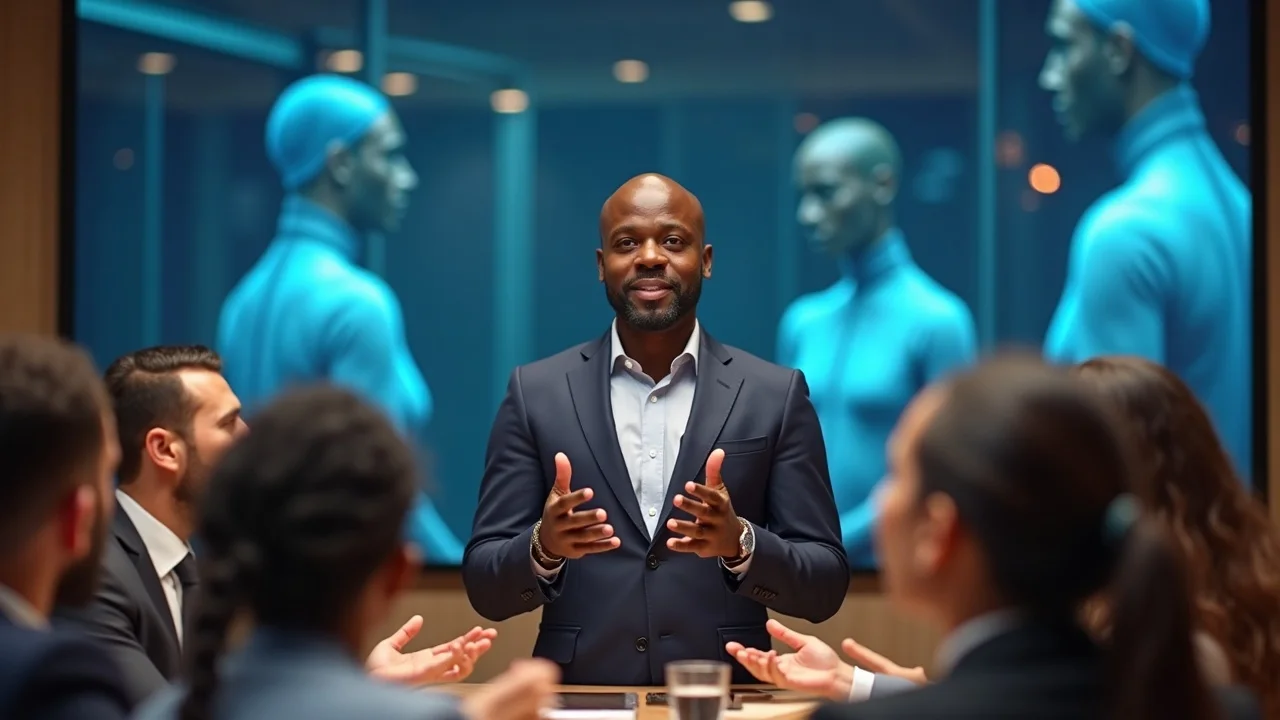
Ethical leader addressing a diverse group, modeling leadership qualities for the AI era

In every conversation about the future of work, ethical leaders stand out. These individuals—managers, educators, community organizers—anchor their decision-making in integrity and service. In the context of AI systems shaping policy, health care, and public life, leaders are tasked with more than steering operations; they model how to balance automation with humanity. Ethical leaders create environments where human oversight is prioritized, and voices from all backgrounds feel heard.

As AI takes on more roles, leaders who stay grounded in purpose can bridge divides and help teams navigate ambiguity. Trust doesn’t come from technological advancement alone. It is built through transparent decision-making, humility, and a relentless commitment to the human side of the equation. In a world where artificial intelligence is increasingly influential, the significance of ethical leadership only grows, shaping values and practices for the next generation of human beings in a world transformed by technology.

Pattern Recognition: Recurring Tensions as AI Grows

Control and Trust: Who’s Steering the Future of Artificial Intelligence?

The question of control surfaces repeatedly as AI capabilities expand. Who decides how AI systems learn, what data they use, and what values they reflect? Experts from technology, social science, and ethics agree: meaningful human oversight is crucial for maintaining trust and minimizing unintended consequences. In the AI era, it’s not enough to design powerful systems—we must ensure accountability at every stage, from dataset selection to real-world deployment.

Communities wrestle with these tensions as AI takes on roles in hiring, criminal justice, and public health. Control isn’t merely a technical challenge—it’s a deeply human matter, implicating power, equity, and trust. As stewards of both technology and community wellbeing, leaders and citizens alike are called on to participate in shaping norms and standards that define responsible AI adoption.

Purpose and Meaning: Where AI Ends and Humanity Begins

One recurring thread in discussions about AI is the challenge of meaning. While AI systems can mimic patterns of language or behavior, they do not have a sense of purpose or value. Humans, on the other hand, navigate ambiguity and contradiction by seeking meaning: in work, in relationships, and in the pursuit of something greater than themselves. The edge of the AI-human boundary is defined by this search for meaning, which no algorithm can automate.

As automation increases, so does the need for intentional reflection about what matters. Aligning technological advancement with deeply human values requires ongoing dialogue—across organizations and communities—to clarify where we want to go, and why. The challenge is not just to maximize efficiency, but to pursue lives and communities filled with meaning, dignity, and connection.

Balancing Efficiency and Connection

Human and robotic hands reaching toward each other, symbolizing balance and trust between artificial intelligence and human intelligence

Artificial intelligence excels at optimizing processes, but efficiency is not an end in itself. If we let the quest for speed and productivity define our systems, we risk losing the small moments—spontaneous conversations, laughter, genuine counsel—that nourish community spirit. The real art lies in finding a balance: letting AI handle repetitive or data-heavy tasks so humans can focus on high-value pursuits that deepen trust, creativity, and wellbeing.

Connection is built—the slow way—through story, shared struggle, and acts of care. It cannot be programmed. The most successful organizations of the AI age will be those that design processes with this interplay in mind, treating efficiency and connection not as competing priorities, but as twin engines of sustainable human flourishing.

Table of Contrasts: Artificial Intelligence vs. Human Intelligence

Factor

Artificial Intelligence

Human Intelligence

Learning

Fast, data-driven

Slow, experience-based

Empathy

Simulated

Genuine, felt

Creativity

Pattern-based

Intuitive, original

Morality

Programmed

Evolving, reflective

Cultivating Humanity in an AI World: Intentional Practices and Mindsets

Practices to Deepen Human Skills as AI Amplifies Our Capabilities

  • Regular self-reflection and mindfulness

  • Intentional face-to-face dialogue

  • Service beyond screens

  • Lifelong learning with a focus on ethics and community impact

Even as AI tools take on more labor, intentional daily practices can nurture human intelligence and deepen our presence. Carving out time for self-reflection and mindfulness grounds us amid rapid change, helping us respond rather than react. Regular, intentional face-to-face dialogue—whether at work, home, or in the neighborhood—creates a space for empathy and real context, which AI cannot substitute. Acts of service, especially outside digital spheres, keep us aware of needs, strengths, and stories that do not show up in data.

Lifelong learning, now more than ever, should focus on ethics and community impact as much as technical acumen. By investing in these habits, human beings not only protect their own soft skills, but also help shape workplaces and communities where technology serves, rather than sidelines, what is most deeply human.

How to Nurture Soft Skills Across Generations

Family spanning three generations in warm discussion about soft skills and AI in a sunlit living room

As AI becomes a fixture in schools, workplaces, and homes, passing down soft skills—including ethics, communication, and emotional intelligence—takes on renewed urgency. Elders and younger generations can learn from each other’s strengths: older adults bring perspective, patience, and wisdom, while young people offer agility and adaptability in the digital space. Multigenerational dialogue is powerful—not only as a way to share knowledge, but as a means of reinforcing values that AI alone cannot teach.

Families, schools, and community organizations play a critical role in nurturing human intelligence for tomorrow’s challenges. Programs that encourage mentoring, storytelling, and collaborative problem solving build bridges across age groups, ensuring that essential human skills are not lost even as new tools are adopted at a breathtaking pace.

Stories from the Field: Profiles of Ethical Leaders Upskilling for Humanity

"The most effective ethical leaders today are those who blend digital know-how with a relentless commitment to human connection."

Interviews with ethical leaders in technology, healthcare, and civic organizations consistently reveal one common thread: the most respected leaders refuse to choose between innovation and empathy. They invest in learning how AI tools work and use them to open time for coaching, mentoring, and supporting their people. By listening first, including diverse voices, and continuously reflecting on the greater purpose of their work, these leaders model the new standard of leadership for the AI age.

Whether in small businesses, non-profits, or large corporations, these profiles show that upskilling for humanity is less about mastering every advance in artificial intelligence and more about leaning fully into what is most deeply human—care, courage, curiosity, and service.

Spotlight: Community Impact When AI Amplifies Human Intelligence

Local Innovations: AI Projects that Center Human Needs

Around the world, community-driven AI projects are discovering new ways to center human intelligence while leveraging technology. Whether developing health care applications that prioritize patient dignity, or civic tech initiatives that encourage neighborhood participation, the most successful projects are staffed by teams committed to both technical and ethical excellence. These innovations demonstrate that AI tools, when thoughtfully integrated, can enable rather than erode trust, autonomy, and wellbeing.

In education, innovative classrooms blend digital boards with hands-on experiments and open discussion. In public health, social workers use AI insights to identify areas of greatest need, but always combine these with home visits and deep listening. Each example points back to the same principle: artificial intelligence should amplify, not replace, the informed and caring touch that only humans provide.

Faith, Wellbeing, and Technology: Navigating New Tensions

  • Examples from healthcare, education, and civic tech

  • Faith leaders’ approaches to human dignity in technological adoption

Teacher and students in a vibrant classroom using both digital boards and books, illustrating balance between technology and human skills

New technologies often prompt reflection on purpose and values. Faith leaders and wellness coaches are increasingly aware of the tensions between technological advancement and human dignity. Some congregations now use AI systems to manage care requests or connect with dispersed members, but always frame these tools as adjuncts to authentic, in-person relationship. Educators in faith-based schools similarly navigate digital innovation with an eye toward holistic development—ensuring that every student is seen, heard, and valued beyond data metrics.

Across all of these settings, the goal is the same: to harness the benefits of AI while fiercely protecting that which cannot be measured—integrity, presence, and shared meaning. In the context of community and faith, technological adoption becomes not just a matter of efficiency, but a test of whether our innovations help us become more present, caring, and connected to one another.

Recognizing the Limits: What Artificial Intelligence Cannot Replace

Moments of Meaning: Rituals, Relationships, and the Sacred

No matter how advanced AI systems become, they will never replace the rituals that define families, cultures, and communities—weddings, funerals, community volunteering, traditions passed down over generations. These moments bind people together, connecting the past with the future. The depth, warmth, and shared joy of these occasions cannot be digitized. It is in these settings that human intelligence, care, and creativity reveal their greatest power.

Relationships, too, anchor us. Whether between colleagues, generations, or old friends, the countless small acts of generosity, encouragement, and forgiveness constitute the fabric of community. For all of AI’s efficiency, it cannot replicate that sense of belonging and trust—qualities that make being human both vulnerable and beautiful.

Interpreting Data with Wisdom and Care

Multi-generational family sharing a meaningful tradition, symbolizing moments of meaning that AI cannot replace

One of the most overlooked human skills is the wise interpretation of information. AI systems can surface patterns and predict outcomes with speed, but humans place those findings within cultural, ethical, and emotional context. Making decisions, especially when stakes are high, demands care, humility, and an awareness of the limits of even the best AI tools.

Ultimately, the future belongs not to those with the fastest processors, but to those who can bring together insight, context, and care for others. Interpreting data wisely is—and remains—a deeply human task, indispensable in every field where artificial intelligence is present.

List: Practical Ways to Remain Deeply Human as AI Amplifies Our Capabilities

  1. Prioritize context and individuality over standardization

  2. Seek out diverse perspectives in every decision

  3. Invest time in analog spaces—art, music, conversation

  4. Champion ethical leaders in your circles

  5. Practice generative, open-ended questioning in your work

FAQs on Staying Human in the Era of Artificial Intelligence

Why are soft skills so important as AI expands?

Soft skills are crucial because they embody the human abilities that AI systems cannot replicate: empathy, communication, creativity, and ethical judgment. As routine tasks are automated, soft skills define how we connect, lead, and innovate alongside technology, ensuring that human values remain central in an AI-driven world.

Can artificial intelligence learn empathy or intuition?

While artificial intelligence can be programmed to mimic empathetic responses and predict likely outcomes based on data, it does not genuinely feel or intuit as humans do. True empathy and intuition arise from lived experience, personal growth, and emotional connection—capabilities uniquely rooted in human intelligence and development.

How can organizations nurture human intelligence as they adopt AI tools?

Organizations can nurture human intelligence by investing in soft skill training, supporting cross-disciplinary learning, and emphasizing ethical leadership. Creating spaces for dialogue, mentoring, and reflection ensures that, as AI adoption grows, people still lead with the values and perspectives only humans provide.

People Also Ask

How to remain human in the world of AI?

Remaining human in the AI era means grounding ourselves in relationships, empathy, ethical reflection, and community. By prioritizing face-to-face dialogue, ongoing learning, and meaningful connection over mere efficiency, we protect what is most vital about the human experience.

How can AI enhance human capabilities?

AI systems excel at processing vast data quickly, offering insights humans might miss. By automating routine tasks and providing decision support, AI enables people to focus on creative, strategic, and relational work—harnessing both efficiency and human intelligence for greater impact.

How do we ensure that artificial intelligence remains in human control?

Artificial intelligence remains safest when humans set clear boundaries, prioritize ethical standards, and maintain robust oversight. Transparency, accountability, and diverse ethical leadership are critical in ensuring that AI tools serve collective wellbeing rather than individual or institutional interests alone.

How will human beings ensure that they stay ahead of AI?

Staying ahead of AI means leaning deeply into the skills and values only humans possess: critical thinking, creativity, integrity, and compassion. Continuous learning, adaptability, and the willingness to collaborate across backgrounds ensure that humans—not machines—set the trajectory and tone of society’s future.

Key Takeaways: As AI Amplifies Our Capabilities, Remaining Deeply Human is a Daily Choice

  • Intentionally invest in soft skills and ethical leadership

  • Let artificial intelligence serve as a tool, not a replacement

  • Prioritize context, meaning, and relationship above all

  • Continue pattern-seeking, listening, and cross-community dialogue

Ready to Go Deeper?

"Every era creates its own challenges—and every generation chooses how to respond with humanity."

Schedule a 15 minute let me know further virtual meeting at https://askchrisdaley.com


Conclusion: Thriving in the AI era depends on our daily choices to stay present, foster soft skills, and lead with ethical purpose—no matter how powerful our technological tools become.

If you’re inspired to further strengthen your human skills and leadership in the face of rapid technological change, consider broadening your perspective on how mindset shapes outcomes. Adopting a healthy approach to AI isn’t just about tools—it’s about cultivating resilience, adaptability, and purpose as you navigate new opportunities. For a deeper dive into the attitudes and strategies that drive sustainable success with AI, discover the insights in developing a healthy AI adoption mindset. This resource offers actionable guidance for anyone seeking to thrive—both personally and professionally—as artificial intelligence continues to evolve.

In the rapidly evolving landscape where artificial intelligence (AI) enhances our capabilities, it’s crucial to intentionally cultivate our uniquely human qualities to remain deeply human. The article “Can We Remain Human in the Age of AI?” from Psychology Today emphasizes the importance of evaluating AI’s effects on human flourishing, particularly concerning our capacities for reason, relationships, and meaning. (psychologytoday.com) Similarly, the Denver Institute for Faith & Work’s piece, “Remaining Human in the Age of Artificial Intelligence,” discusses the necessity of maintaining our voice and authorship in professional settings, ensuring that AI serves as a tool rather than a replacement for human creativity and judgment. (denverinstitute.org) By engaging with these resources, readers can gain valuable insights into strategies for preserving and enhancing human attributes in an AI-driven world.


Work and Life

0 Comments

Write A Comment

*
*
Please complete the captcha to submit your comment.
Related Posts All Posts
06.19.2026

Why the Role of Financial Advisors in Divorce Planning Matters Now

Imagine you’re at the start of a life-changing journey: your marriage is ending, and the decisions made now will shape your financial future for decades. For high net worth individuals, the role of financial advisors in divorce planning is more critical than ever. The process involves not just dividing assets, but also safeguarding your retirement savings, business interests, real estate, and even your children’s future support. In this guide, you’ll discover exactly why bringing in a skilled financial expert can mean the difference between lasting stability and costly missteps.Understanding the Role of Financial Advisors in Divorce PlanningDuring a divorce process, especially for high net worth individuals, the financial aspects of divorce can quickly become complex. Financial advisors in divorce planning bring specialized expertise, helping clients effectively manage the intricacies of asset division, spousal support calculations, and future wealth preservation. Their function includes clarifying the difference between marital property and separate holdings, ensuring an equitable division and long-term financial stability. Unlike a regular financial planner, a divorce financial analyst is adept at uncovering hidden assets, anticipating tax consequences, and mapping out strategies tailored to the unique needs of divorce proceedings.What is a financial advisor’s function in divorce planning? A financial advisor guides you through financial implications, from evaluating the value of the marital home to calculating post-divorce cash flow and planning for retirement savings.Importance of financial planning during the divorce process: Strategic financial planning during divorce helps avoid costly mistakes that could jeopardize your financial future, particularly when dividing real estate, investment portfolios, and business assets.Difference between a financial advisor, financial planner, and divorce financial analyst: While a financial planner offers general wealth strategies, a divorce financial analyst specializes in the financial aspects of divorce, working closely with your divorce attorney to make informed decisions.What You'll Learn About the Role of Financial Advisors in Divorce PlanningThis guide breaks down the essential skills, actionable steps, and collaborative tools that financial advisors use to support clients during a divorce. Whether you’re just starting the divorce process or navigating complex asset division, the insights here will help you make informed financial decisions, protect your assets, and secure your future.Key skills financial advisors bring to divorce planningStep-by-step overview of the divorce financial planning processHow financial planners collaborate with divorce attorneys and divorce financial analystsWhy Financial Advisors Are Essential in High Net Worth Divorce CasesHigh net worth divorce cases come with their own set of complexities. The stakes are higher, the asset pool is diverse, and the financial implications of each decision can be long-lasting. An experienced financial advisor brings clarity and structure to the financial plan, ensuring each asset—from investment accounts to business interests—is accurately valued and strategically divided. Their expertise extends far beyond basic budgeting; they devise creative strategies for protecting substantial assets and aligning short-term objectives with long-term financial health.Complexities unique to high net worth divorce and asset division: Marital property may include multiple homes, vacation estates, investment portfolios, and ownership in businesses. Each must be examined, valued, and considered for fair division, often requiring a skilled hand and keen financial analysis.Financial advisor strategies for protecting substantial assets: Advisors deploy advanced planning, such as trusts and tax minimization tactics, to shield assets while negotiating a fair settlement, always in collaboration with your divorce attorney and other key professionals.The intersection of financial plan development and long-term financial health: Developing a robust financial plan during divorce ensures not only equitable division but ongoing wealth preservation and stability, allowing clients to move forward confidently once the divorce is final.How a Financial Advisor Guides You Through the Divorce ProcessA qualified financial advisor or divorce financial analyst provides structured support and relief during the emotional turmoil of divorce. The process begins with an in-depth assessment, where financial goals and priorities are defined. This early stage also helps set expectations for future cash flow, needed lifestyle changes, and the preservation of wealth. The advisor then collaborates with other experts, such as attorneys and valuation specialists, to develop a comprehensive financial plan tailored to your divorce needs.Initial assessment: Advisors conduct a thorough review of the couple’s financial situation, mapping out income, assets, liabilities, and future obligations. This includes understanding implications for spousal support, child support, and tax consequences.Creating a comprehensive financial plan amid divorce: With this groundwork, the advisor develops a plan to safeguard short-term stability and set achievable long-term financial objectives. This plan acts as a framework for negotiation and decision-making throughout the divorce proceeding.Role of a divorce financial analyst versus a regular financial planner: While a certified financial planner offers broad wealth strategies, a divorce financial analyst dives deeply into legal, fiscal, and tax nuances unique to divorce, ensuring no detail is overlooked.Table: The Role of Financial Advisors, Planners, and Analysts in DivorceProfessionalPrimary FunctionKey Divorce RoleFinancial AdvisorGuides overall financial strategy; manages investmentsDevelops comprehensive financial plan for asset division and post-divorce wealth preservationFinancial PlannerCreates long-term financial plans; focuses on future growthAligns settlement terms with future goals like retirement and educationDivorce Financial AnalystSpecializes in the financial aspects of divorce; trained in analysis and negotiationValuates marital property, projects financial impact, and supports legal negotiationsKey Steps in Financial Planning During DivorceEffective financial planning during divorce follows a systematic approach, designed to protect your assets and help you make informed financial decisions. The first step is a detailed inventory and valuation of all marital property, including real estate, business interests, retirement savings, and even collectibles or unique investments. Next comes the careful mapping out of current and future cash flow needs, followed by setting both short-term and long-term financial objectives. Each step requires careful collaboration between the financial advisor, attorney, and other specialists to ensure the settlement reflects your best interests—and those of any children involved.Inventory and valuation of marital assetsCash flow and budget planningShort-term and long-term financial objectivesWorking with Your Divorce Attorney and Financial PlannerCollaboration is the key to successful divorce financial planning. High net worth divorces require the combined efforts of your divorce attorney, financial advisor, and, often, a divorce financial analyst. This team works together to design a robust negotiation strategy, scrutinize each proposed settlement, and verify that every decision aligns with your immediate needs and long-term goals. Their collective expertise ensures that you won’t miss opportunities for favorable tax treatment, optimal asset division, or creative settlement solutions that safeguard your wealth.Collaborative approach: When a divorce attorney, financial advisor, and analyst work in unison, each brings unique value—legal acumen, financial strategy, and in-depth analytical skills, respectively—to create a comprehensive settlement plan.Divorce settlement and negotiation strategies: Your team will carefully review offers, project future outcomes of settlement terms, and design contingency plans to protect your interests in the face of life’s uncertainties.Ensuring settlements align with your future: A seasoned divorce financial expert goes beyond mere asset division, helping you plan for retirement savings, education funding, and real estate opportunities post-divorce.Quote: The Importance of a Team Approach: Insights from Experienced Divorce Financial Advisors“Success in high net worth divorce cases comes not from any single expert, but from a coordinated team of professionals who communicate openly and prioritize your financial security.”Protecting Business and Investment Interests Through Financial PlanningOne of the most challenging aspects of divorce process for high net worth clients is dealing with business interests, investments, and retirement savings. The role of financial advisors in divorce planning extends to identifying which business and investment assets are marital property, ensuring they are properly valued, and devising strategies to divide them equitably without dismantling the value you’ve built. Financial experts also safeguard retirement accounts, equity holdings, and other long-term investments that, if mismanaged, can severely impact your financial future.Identifying and dividing business assets: A skilled advisor ensures a fair and accurate assessment of business holdings, including real estate, intellectual property, and stock options.Safeguarding investments and retirement accounts: These assets often form the backbone of future financial security. Advisors structure settlements to protect these accounts and minimize tax impact.Ongoing wealth preservation: Post-divorce, your advisor will help structure investment and savings plans that reflect your new reality and keep you on track toward your goals.Special Considerations: Tax Implications and Estate PlanningA well-executed financial plan in divorce accounts for more than just asset division—it anticipates tax consequences and the impact on your estate plan. Dividing assets without proper guidance can trigger unnecessary taxes or leave heirs unprotected. Advisors work proactively to update estate planning documents, adjust beneficiary designations, and ensure all financial decisions are tax-smart. This level of diligence secures not only your finances but also your legacy, making it essential for high net worth clients to work closely with professionals who have deep knowledge of tax and estate issues.Tax consequences associated with asset divisionUpdating estate plans and beneficiary designationsRole of a financial advisor in tax planning post-divorceHow to Select a Financial Advisor for Divorce PlanningChoosing the right financial advisor is paramount. Look for professionals who are certified in divorce financial analysis (CDFA) or who have extensive experience with high net worth divorce cases. The advisor should demonstrate transparency, clear communication, and a history of positive outcomes for clients in similar situations. Prepare questions about their experience, approach to sensitive assets, and how they coordinate with legal and accounting professionals. Red flags include vague fee structures, lack of relevant accreditation, or inability to articulate their divorce planning process.Credentials to look for: Certified Divorce Financial Analyst and other approvalsQuestions to ask a financial advisor or financial planner before hiringRed flags to avoid in the financial advisor selection processLists: Qualities of an Effective Divorce Financial AdvisorDemonstrated experience in high net worth and complex divorce casesTransparent, straightforward communication styleCertified credentials (such as CDFA, CFP, CFA)Collaborative approach with legal professionalsStrong analytical and negotiation skillsCase Study: How Financial Planning Defines Divorce OutcomesConsider an anonymized case where a high net worth couple owned businesses, investment properties, and retirement accounts. Early engagement with a seasoned divorce financial analyst allowed for a smooth inventory and valuation process. The advisor coordinated with legal counsel to structure a settlement that preserved the business’s value, ensured equitable distribution of real estate, and maintained sufficient liquidity for both parties. By factoring in tax consequences and estate plan updates before the divorce is final, both individuals were set up for renewed financial stability and independence.Anonymized example of high net worth asset divisionNavigating real estate, investments, and complex holdingsPositive outcomes from early engagement with a financial plannerKey Takeaways on the Role of Financial Advisors in Divorce PlanningSummary of advisor benefits: Financial advisors bring structure, clarity, and peace of mind, especially when asset pools are complex or substantial.Critical skills in high net worth divorce: Their cross-functional experience ensures that every aspect—from tax planning to negotiations over marital property—is handled expertly.Expert financial guidance secures your future: Engaging qualified professionals early dramatically improves the odds of achieving your personal and financial goals after the divorce is final.People Also Ask About the Role of Financial Advisors in Divorce PlanningDo financial advisors help with divorce?Yes, financial advisors provide essential expertise and support during the divorce process, helping to identify, value, and divide complex assets, prepare comprehensive financial plans, and ensure long-term financial stability post-divorce.What is the 80/20 rule for financial advisors?The 80/20 rule for financial advisors states that 80% of a client’s wealth often comes from 20% of their assets, illustrating the importance of prioritizing and carefully managing these key assets during divorce financial planning.What not to do financially during divorce?Avoid hiding assets, making large purchases, or neglecting to update your financial plan during a divorce. Consulting with a qualified financial advisor is essential to avoid costly mistakes.What is a red flag for a financial advisor?Lack of transparency, unclear fee structures, or limited experience with divorce financial cases are red flags when selecting a financial advisor for divorce planning.Frequently Asked Questions About the Role of Financial Advisors in Divorce PlanningDo I need both a divorce attorney and a financial advisor? Yes, a divorce attorney protects your legal rights, while a financial advisor ensures your interests are covered in asset division, long-term planning, and post-divorce financial security.How early should I involve a financial planner in the divorce process? The earlier the better—engaging a financial planner before major decisions are made helps shape favorable outcomes and minimize risks.What documents should I prepare for my initial financial planning meeting? Bring recent tax returns, bank statements, investment summaries, business records, and details on real estate or other significant holdings.Key Insights from Divorce Financial Planning Experts"A successful divorce outcome hinges on informed, proactive financial planning. Engaging an experienced financial advisor early can change the trajectory of your settlement and financial future."Professionally produced explainer video showing key scenes of financial advisors consulting with divorce attorneys, balancing asset sheets, and guiding clients, with dynamic transitions and a reassuring, informative tone.Next Steps: Secure Your Financial Future TodaySchedule a consultation with a financial advisor or divorce financial analystImmediate action benefits high net worth individuals by securing assets and clarifying priorities before major financial decisions are madeCall Leavitt Family Law at (702) 605-0065 or get in touch with us hereConclusionThe right financial advisor can transform your divorce outcome. Invest in expert guidance to secure your financial future and build your next chapter on a solid foundation.

06.10.2026

Train Your Team Right: Best Practices for AI Adoption

Picture this: your team gathers around, eyes lighting up as they explore brand-new AI tools designed to make their workday smarter and smoother. While excitement builds, questions naturally pop up—How do we use these tools? Who helps if we get stuck? Transitioning to AI can feel daunting, but with the right approach, training your team doesn’t just remove fears—it opens up a world of opportunity. This guide lays out the best practices for training your team on AI adoption using easy steps, expert advice, and real company successes.Key Takeaways for Best Practices for Training Your Team on AI AdoptionStart with clear, step-by-step strategies to guide the learning process.Foster a supportive and open culture to encourage positive attitudes toward AI.Include hands-on learning, ongoing support, and regular check-ins to maintain momentum.Choose resources like practical modules, webinars, and expert guidance.Showcase success stories to inspire team members and build trust in AI adoption.FAQs About Best Practices for Training Your Team on AI AdoptionWhat is the meaning of best in best practices for training your team on ai adoption?The word “best” means choosing the most effective, efficient, or suitable way to teach and support your team about AI. In training, using the best practices for training your team on AI adoption means focusing on methods that boost understanding and confidence, so your whole team benefits. These practices are chosen based on proven results and expert feedback.Can you end a letter with 'best' after discussing ai adoption training?You can, but it’s often better to use closings like “best regards” or “sincerely” to keep things clear and professional—especially when talking about something as important as AI adoption training. This shows respect and makes the message feel positive. So, after an AI training session or email, choose phrases that sound encouraging.What is another word for best when exploring best practices for training your team on ai adoption?You can also use words like “optimal,” “leading,” “most effective,” or “finest. ” These related words highlight that you’re choosing the strongest, most trusted approach for teaching AI. When you want to find related words, look for terms that show high quality and promise the best outcomes for your team.Table of Contents: Best Practices for Training Your Team on AI AdoptionKey TakeawaysFAQsWhy AI Adoption MattersHow to Prepare Your TeamCore Best PracticesMust-Have ResourcesTable: Comparing AI Training MethodsExamples of Successful AI TrainingSupporting QuotesPeople Also AskFrequently Asked QuestionsSummary & Next StepsWhy Best Practices for Training Your Team on AI Adoption MatterUnderstanding team readiness and the importance of AI trainingTraining your team with proven, best practices for AI adoption lays the foundation for success. When a team is ready to learn, they are open to trying new tools, asking questions, and helping each other. This attitude creates a strong, positive environment where AI can really benefit your company. By understanding team readiness, you can spot gaps in knowledge and skills so that no one feels left out during the switch to AI-powered processes.It’s also important to check that your team feels safe to speak up. If someone is unsure or worries about making mistakes, they may not use new AI tools at all. That’s why a supportive culture, encouragement, and small learning steps are essential. When AI training starts with this mindset, everyone gets a chance to do their best, try out new features, and become part of the company’s growth.As you develop your training approach, it can be helpful to explore the specific services and solutions available for AI integration and team enablement. For a closer look at how tailored offerings can support your organization's AI journey, consider reviewing the range of AI adoption services provided by ClickzAi to align your strategy with proven industry expertise.Observing how organizations use AI to stay competitiveAI is a growing trend in businesses today. Organizations that follow best practices for training their team on AI adoption gain an edge over competitors by working smarter—not just harder. Companies often spot improvement in their workflow, find creative solutions to problems, and adjust quickly to new changes in their field. The ability to stay flexible is a top reason why learning AI together as a team truly matters.Watching these leaders in action, you’ll notice the ups and downs they face—like learning curves and the initial fear of change. But with careful training and strong leadership, success stories are common. Teams get excited, show better results, and even come up with ideas for future projects using AI. When people find related successes in their own work, they’re more likely to get on board quickly.What You'll Learn About Best Practices for Training Your Team on AI AdoptionHow to spot common challenges and overcome them as a teamHow to identify and use the most trusted best practicesWhat resources and steps make AI adoption easierHow to create a team culture where learning and trying new things feels naturalCore Best Practices for Training Your Team on AI AdoptionAssess current skills so you know where to start.Set realistic goals—aim for small wins before bigger changes.Integrate hands-on sessions so team members get real experience.Offer ongoing support like mentorship or a Q&A group.Measure training outcomes, then adjust as needed.“Integrating AI in your workflows starts with an informed and empowered team.”To train your team the right way, begin by checking what your team already knows about AI. Use a simple word list or quiz; encourage sharing so everyone feels part of the process. Set clear goals that are easy to measure. For example, finishing an introductory online course in two weeks is one small, achievable win. These steps are like a ladder—each builds confidence and makes harder challenges easier.Next, schedule hands-on practice. This could be interactive video content or real exercises in small groups. Encourage your team to ask questions, find related word meanings, and compare their progress. If team members see progress and feel supported, they’ll try new things with less fear. Don’t forget to ask for feedback and be ready to change your methods if needed. Regular check-ins keep everyone moving forward at a steady pace, like the official website instructions for continued learning.How to Prepare Your Team for AI AdoptionIntroduce basics of AI so everyone is on the same page.Talk honestly about concerns and be open to questions.Offer incentives for successful learning.Encourage collaboration and teamwork during practice sessions.Start every training by breaking down AI technology into bite-sized lessons using an easy English word list. Avoid complicated terms—choose familiar words so everyone can follow along. Encourage team members to bring up concerns: maybe someone fears being replaced, or is unsure whether their job will change. Be honest about the ups and downs, and talk through what AI really means for each person.Add incentives, like digital badges or fun contests to make learning exciting. If people work together (even just pairing up to test new tools), learning moves faster and feels less risky. Invite teams to add this site or resource hub to their bookmarks for quick refreshers when needed. When your approach feels hands-on and welcoming, even hesitant staff become more confident with every lesson.Must-Have Resources for Best Practices for Training Your Team on AI AdoptionInteractive training modules and video content for step-by-step learningLive and recorded webinars hosted by AI expertsCertification programs to help prove learning progressClear and friendly internal email templates or forums for regular updatesA strong training plan includes a mix of web-based modules, engaging video content, and face-to-face learning. Gather your favorite free translation tools and bookmark sites that list please sign up or log in reminders—these can help your team refresh this page as needed. Internal community spaces, such as group chats, keep everyone in the loop and reduce the chance of missing key information. Don’t forget to update your word of the day with new AI terms to keep curiosity alive!Remember to change or modify your security settings so your browser is not blocking this video content. Safe, easy access encourages everyone to learn more and find related words for different AI workflows. Sharing certification progress is motivating, and helps each team member see how far they’ve come. For maximum impact, combine these resources with regular team check-ins and Q&A sessions.Table: Comparing AI Training Methods for TeamsTraining FormatEngagement StrategyTeam OutcomesProsConsInstructor-led (Live Workshops)Real-time Q&A, group activitiesHigh team participation, immediate supportInteractive, personal coachingScheduling challenges, limited flexibilitySelf-Paced OnlineVideo content, quizzes, forumsIndividual progress at own paceAnytime access, repeatable lessonsRequires self-motivation, less peer learningBlended LearningMix of live and online elementsBalanced team growth, flexible optionsCustomizable, best of both worldsNeeds careful planning, can overwhelm some learnersExamples of Successful Best Practices for Training Your Team on AI AdoptionA marketing firm started with a simple video content series to introduce basic AI concepts. They encouraged sign up or log in to their training portal, then ran live Q&A sessions each week. Feedback surveys and badges for completing modules kept motivation high, and staff reported a boost in confidence after the course.A retail company used a word list of common AI terms and held workshops for their staff, from cashiers to managers. By linking every lesson back to real tasks, the team got hands-on experience. Results included smoother workflows and a more positive attitude toward technology changes.One hospital began with online English betst tutorials, giving staff online quizzes, then discussing results as a group. This combined approach caught mistakes early, avoided the form of disaster of missed communication, and built strong peer-to-peer support.Supporting Quotes from Experts on Best Practices for Training Your Team on AI Adoption“Continuous learning is as important as the adoption itself.” — AI Implementation ConsultantTraining never really ends—there’s always a new update, a better way, or an extra skill to learn. Experts say teams that keep practicing, sharing, and learning are those that perform best with AI. Back to Old English roots, learning is a journey, not a one-time event, and maintaining curiosity turns average teams into walking encyclopedias!Frequently Asked Questions on Best Practices for Training Your Team on AI AdoptionQ: How do I know my team is ready for AI adoption?A: Look for openness to new ideas, existing tech skills, and support from leadership. When employees show curiosity and are willing to try new things, your training will be more successful.Q: What are common mistakes in AI training?A: Overloading information, skipping interactive elements, and lack of follow-up. To avoid these, break lessons into simple steps and always include interactive parts like video content or group discussions.Summary & Next StepsStart with simple, hands-on learning sessions for your team.Mix live coaching with flexible online options.Continue encouraging feedback and peer support.Adjust your training as your team grows in AI confidence.If you’d like an Assessment or AI Audit, Contact hello@clickzai.comEmbracing best practices for AI adoption is just the beginning of your organization's transformation. If you're ready to take your team's capabilities to the next level, exploring the full spectrum of AI-driven solutions can unlock even greater value and innovation. Discover how ClickzAi’s comprehensive services can help you design, implement, and optimize AI strategies tailored to your unique business needs by visiting their AI services overview. Whether you’re seeking advanced automation, data-driven insights, or ongoing support, the right partnership can accelerate your journey and ensure lasting success in the evolving digital landscape.Watch an inspiring video that walks you through each step for effective team AI training. See real-world scenarios, animated walkthroughs, and expert narration, making it simple to bring best practices to life for your own group.If you'd like an Assessment or AI Audit, Contact hello@clickzai.com

06.07.2026

How the Best Criminal Defence Solicitors in London UK Win Cases

Bark & Co Solicitors | Top Rated Criminal Defence & Specialist Best-in-Class Fraud Lawyers 📍 Address: Hamilton House, 1 Temple Avenue, Temple, London EC4Y 0HA, UK 📞 Phone: +44 20 7353 1990 🌐 Website: https://www.barkco.com/ ★★★★★ Rating: 4.9 Understanding What Sets Leading Criminal Defence Apart in London’s Legal Arena Every year, thousands of lives in London and across the UK are upended by criminal accusations, with outcomes often depending on a solicitor’s expertise and strategy. For most people, stepping into a courtroom – or even facing the prospect of one – is overwhelming, filled with uncertainty and fear. The difference between a favourable outcome and a daunting sentence can hinge on just one thing: having the best criminal defence solicitors in London UK by your side. The stakes could not be higher. Criminal charges can bring not only the risk of fines or imprisonment but also social stigma, employment repercussions, and the emotional toll on families. This is why the process of choosing the right solicitor is so crucial. In a city teeming with legal professionals, the top criminal defence solicitors must demonstrate more than just textbook knowledge of the law. Readers need to know what it really means to work with lawyers whose skill, preparation, and commitment transform daunting challenges into stories of resilience and, ultimately, justice. Inside the World of Top Criminal Defence: More Than Just Legal Arguments Criminal defence goes beyond standing in front of a judge and making persuasive arguments. The best criminal defence solicitors in London UK combine deep knowledge of UK law with unshakeable dedication to their clients’ wellbeing. This means thorough preparation, strategic foresight, and the ability to break down complex legal concepts so clients feel empowered, not intimidated. Each case—whether it’s fraud, assault, or another charge—demands a tailored approach that recognises the unique circumstances and stakes involved. When individuals or businesses find themselves caught up in police investigations or facing criminal charges, the lack of understanding around their legal rights and the criminal justice process can make mistakes inevitable. Missteps can be costly, leading to missed opportunities for stronger defences or even harsher sentencing. Without the support of exceptional solicitors, people may not realise the full extent of their rights, or how critical timing, evidence management, and procedural expertise are to securing a fair outcome. For anyone navigating these challenges, understanding the value of top-tier defence is the start of reclaiming control and confidence. Why Leading Criminal Defence Solicitors Make the Difference When It Matters Most As experts in the UK’s complex criminal law system, top-rated criminal defence solicitors like those at Bark & Co Solicitors provide the comprehensive, detail-oriented approach that clients desperately need when their freedom and reputation are on the line. Their preparation is meticulous, with hours spent dissecting case files, evidentiary details, and procedural intricacies to build robust defences. What sets the best criminal defence solicitors in London UK apart is not only their understanding of statutes and courtroom tactics, but their unwavering commitment to supporting clients emotionally and practically through each challenge. Having direct access to seasoned legal counsel allows clients to ask questions and receive honest, reassuring answers whenever uncertainty strikes. This partnership extends far beyond paperwork—true criminal defence solicitors become reliable confidants, ready to guide individuals through preparation for trial, communication with authorities, and every twist a case takes. In the world of criminal defence, peace of mind is power. It is this sense of security and expert advocacy that changes the trajectory of cases, often tipping the scales towards positive outcomes even when hope seems distant. Personalised Defence Strategies: The Hallmark of Exceptional Representation No two legal cases are exactly the same. Elite criminal defence solicitors stand out by developing personalised strategies for each client’s unique needs. This means investing time to understand not just the legal facts, but the personal, professional, and emotional factors at play. The best criminal defence solicitors in London UK anticipate how the prosecution will build its case, identify weaknesses, and craft responses that keep their clients one step ahead. Whether the case is resolved in or outside the courtroom, this tailored approach is continuously refined as facts evolve and new information emerges. Criminal defence at its best isn’t just about legal processes—it’s about safeguarding futures. When a solicitor takes the time to develop a close working relationship with their client, it ensures that every decision is made collaboratively and that the client’s voice remains central. This fosters trust and confidence at every stage, minimising uncertainty and supporting the individual’s long-term interests, not just short-term solutions. From First Consultation to Final Verdict: Navigating the Legal Maze in London For many Londoners, their brush with the criminal justice system begins with confusion. Understanding key steps—such as pre-trial preparations, negotiations, and courtroom procedures—is a major advantage to any defendant. The best criminal defence solicitors in London UK demystify the process, briefing clients thoroughly and offering tactical advice tailored to evolving circumstances. This transparency helps clients feel prepared and supported as their case progresses. Much of the anxiety associated with criminal charges comes from facing something unknown and intimidating. Solicitors who combine legal skill with clear, accessible communication transform that fear into manageable action steps. Whether preparing evidence, formulating witness questions, or anticipating prosecution angles, the best legal teams ensure no detail is overlooked and clients are never left in the dark. The Human Side of Criminal Defence: Real Stories, Real Impact Great legal defence isn’t just measured by verdicts and statutes—it’s reflected in the reassurance, dignity, and understanding offered throughout each client’s journey. Behind every headline-grabbing case or quiet acquittal is a story of someone’s family, career, and future. This human-centred approach is what transforms legal representation from a technical transaction to an experience of genuine support. For professionals, families, and individuals alike, the weight of criminal charges can be overwhelming. Solicitors who recognise the emotional impact, not just the legal challenges, are equipped to offer resourceful, compassionate guidance that empowers clients every step of the way. Bark & Co Solicitors: A Reputation Built on Excellence and Innovation in Defence The history of Bark & Co Solicitors is one of consistent expertise and trusted client advocacy in the London legal scene. Known for their deft handling of complex criminal and fraud cases, Bark & Co's approach fuses traditional values with forward-thinking legal strategies. Their website makes clear that success isn't measured only in courtroom victories, but also in the dignity, thoroughness, and respect with which every client is treated. Bark & Co Solicitors position themselves as more than just representatives—they are advisors who walk clients through legal uncertainty with clarity and compassion. Their standard for preparation and client care anchors every facet of their practice, resulting in a reputation that attracts clients who value excellence and trust above all. By dedicating their expertise to top-tier defence, Bark & Co demonstrates a steadfast commitment to preserving rights and ensuring a fair justice process for all. Firsthand Experience: What Clients Value Most in Legal Representation Powerful client testimonials often reveal more about a solicitor’s impact than any statistic or award could. One such review offers insight into the confidence and peace of mind that comes from exceptional representation, even during some of life’s most stressful moments. Leaving a review is honestly the least I could do to show my gratitude for the professionalism and care Safiya showed throughout my case. Going into court, I felt confident knowing she was fully prepared and has an outstanding knowledge of the law, doing everything possible to mitigate my charges as much as possible. From the very beginning right through to the end, she was always available for advice and support whenever I needed it. That level of dedication really made a difficult situation much easier to deal with. This account underscores the critical difference that dedicated solicitors make—not just in legal outcome, but in emotional and practical support through the legal process. For anyone seeking assurance and expertise, such feedback demonstrates that success is built on preparation, responsiveness, and genuine care—qualities anyone facing criminal charges deserves. The Road Ahead: Empowerment Through Expert Defence in London The journey through the criminal justice system is rarely straightforward, but with the best criminal defence solicitors in London UK, even the most daunting challenges can become navigable. The standards set by experts such as Bark & Co Solicitors exemplify what clients should expect: deep legal knowledge, relentless preparation, and a sincere commitment to each client's rights and future. In a rapidly evolving legal world, choosing expertise is not just a strategy—it’s a safeguard for dignity, reputation, and freedom. Having the right advocates in your corner can transform uncertainty into hope. The enduring legacy of top criminal defence solicitors is found in each life restored, each family protected, and each verdict that upholds the notion of justice for all. If facing criminal allegations or seeking reliable legal defence, learning how the best criminal defence solicitors in London UK achieve these results is a crucial first step toward empowerment, reassurance, and renewed confidence. Contact the Experts at Bark & Co Solicitors | Top Rated Criminal Defence & Specialist Best-in-Class Fraud Lawyers If you’d like to learn more about how the best criminal defence solicitors in London UK could benefit your case, contact the team at Bark & Co Solicitors. 📍 Address: Hamilton House, 1 Temple Avenue, Temple, London EC4Y 0HA, UK 📞 Phone: +44 20 7353 1990 🌐 Website: https://www.barkco.com/ Bark & Co Solicitors | Top Rated Criminal Defence & Specialist Best-in-Class Fraud Lawyers Location and Availability 🕒 Hours of Operation:📅 Monday: 9:00 am – 6:00 pm📅 Tuesday: 9:00 am – 6:00 pm📅 Wednesday: 9:00 am – 6:00 pm📅 Thursday: 9:00 am – 6:00 pm📅 Friday: 9:00 am – 6:00 pm📅 Saturday: ❌ Closed📅 Sunday: ❌ Closed

Terms of Service

Privacy Policy

Core Modal Title

Sorry, no results found

You Might Find These Articles Interesting

T
Please Check Your Email
We Will Be Following Up Shortly
*
*
*