
UPDATE

Your guide to modern living—every day.

  • Home
  • Categories
    • Wellness
    • Home and Garden
    • Work and Life
    • Travel
    • People and Style
    • Living Spaces
June 25.2025
4 Minutes Read

9 Must-Try Greek Dishes to Savor on Your Next Journey

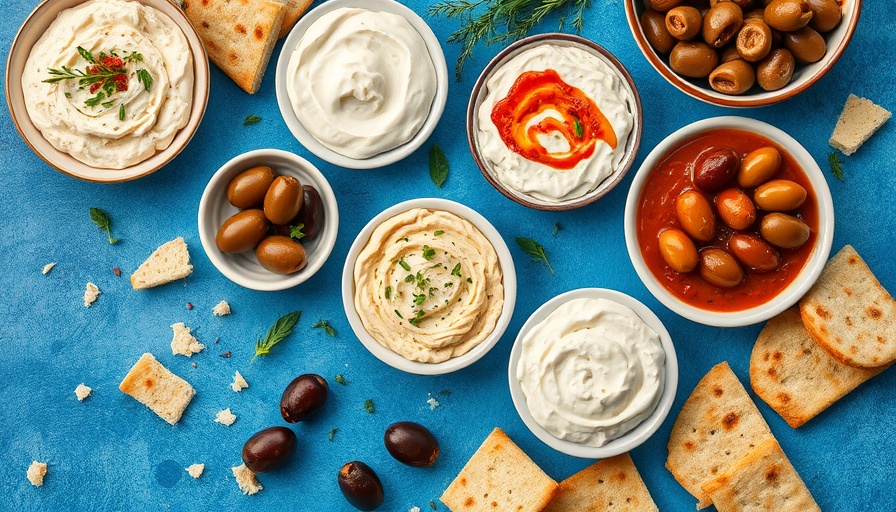
Assorted Greek dishes with creamy dips on blue surface.

Discover the Culinary Treasures of Greece

When it comes to travel, Greece is much more than ancient ruins and stunning landscapes. Its culinary heritage is rich and varied, telling stories through flavors that span from its northern regions to the southern islands. Whether you're savoring Zorba’s iconic Greek salad in a coastal taverna or enjoying a hearty pastitsada in the heart of Corfu, Greek food embodies a history that dates back thousands of years. Let’s embark on a gastronomic journey to explore nine essential dishes that you must try on your next trip to Greece.

1. Greek Salad - A Fresh Beginning

There’s no better way to kick off your Greek dining experience than with a classic Greek salad, known as horiatiki. Overflowing with ripe tomatoes, crisp cucumbers, kalamata olives, and creamy feta cheese, each bite is a celebration of fresh ingredients. Often drizzled with aromatic olive oil and sprinkled with oregano, this dish reflects the simplicity and quality of Mediterranean cuisine.

2. Moussaka - A Hearty Delight

Moussaka is a Greek classic that layers eggplant, spiced meat, and creamy béchamel sauce into a warming dish. Originating in the Middle East, this comforting meal has been embraced wholeheartedly in Greece. The slow-baked moussaka showcases local spices that highlight the richness of the meat, delivering a medley of flavors that dance on your palate.

3. Pastitsada - Corfu’s Italian Influence

No trip to Corfu is complete without tasting pastitsada. This dish features tender meat that is slow-cooked in a rich tomato sauce, often complemented by the region's unique spetseriko spice mix. As you enjoy this dish in the warm coastal air, you can truly appreciate how centuries of Venetian influence have shaped Corfu’s culinary scene.

4. Souvlaki - The Street Food Staple

Souvlaki, skewered and grilled meat, is a quintessential Greek street food that you must try. This beloved dish is often served wrapped in pita along with fresh vegetables and tzatziki sauce. The vibrant flavors and aroma of marinated meat sizzling on the grill capture the essence of Greek dining al fresco.

5. Spanakopita - A Perfect Snack

Spanakopita, or spinach pie, is made with layers of flaky phyllo pastry and a delectable filling of spinach and feta. This snack is not only a popular appetizer but also a favorite among vegetarians. Bite into the crispy exterior to reveal flavorful greens that offer a unique taste of Greece’s culinary ingenuity.

6. Fasolada - The Greek National Soup

Fasolada, often referred to as Greece’s national soup, is a wholesome blend of tomatoes, beans, and various vegetables. This vegetarian dish is both comforting and nourishing, exemplifying the rustic appeal of Greek home cooking. It’s particularly enjoyed during the colder months, bringing warmth and joy to the table.

7. Dolmades - A Bite of Tradition

Dolmades are grape leaves stuffed with rice, herbs, and sometimes minced meat, all wrapped carefully to create unique little packages of flavor. Whether served with lemon or yogurt, dolmades are a testament to the Greek knack for creating culinary delights from simple ingredients, making them a must-try when you're exploring local tavernas.

8. Tzatziki - The Creamy Companion

A meal in Greece would not be complete without a dip, and tzatziki reigns supreme. This yogurt-based sauce mixed with cucumbers, garlic, and herbs is refreshing and versatile. It pairs perfectly with meats, salads, and bread, making it an essential part of any mezze platter.

9. Baklava - A Sweet Finale

Finish your Greek feast with the sweet layers of baklava. This pastry, made from phyllo dough, filled with nuts and drenched in honey, is a dessert that resonates with indulgence. Its origins reflect a blend of culinary traditions, embodying the cultural fusion that Greece has experienced over centuries.

The Value of Greek Cuisine

Exploring Greece through its food offers travelers a deeper understanding of its culture. Each dish tells a story, infused with regional ingredients and historical influences. Beyond mere sustenance, these meals foster connections among people, inviting travelers to share traditional dining experiences with locals.

Tips for Enjoying Greek Cuisine

  • Try Local Variations: Each region of Greece offers its own twist on traditional dishes. Be adventurous and seek out local specialties.
  • Engage with Locals: Speak with restaurant owners or local chefs to learn more about the stories behind the food.
  • Pair Meals with Regional Wines: Enhance your dining experience by pairing dishes with local wines; it enriches the flavors and the experience.

As you prepare for your next trip to Greece, embrace the opportunity to indulge in these essential dishes. The journey through flavors, textures, and aromas will leave a lasting impression long after the plates have been cleared.

Let the rich culinary traditions of Greece guide you on your travels. Food is not just a necessity but a connection — to the land, the culture, and the people. So, pack your bags and get ready to taste the essence of Greek flavor!

Travel

0 Comments

Write A Comment

*
*
Please complete the captcha to submit your comment.
Related Posts All Posts
05.10.2026

Why Walk Like Nile Rodgers? Discover the Benefits of Daily Walking

Update Walking Through Life: Nile Rodgers’ JourneyIn a world where speed often trumps mindfulness, Nile Rodgers stands out as a beacon of inspiration. At the age of 73, this legendary musician and co-founder of Chic has embarked on a remarkable journey, committing to walk every day for an entire year. His motivation isn’t just about fitness; it’s a mindfulness practice that connects him with his surroundings and enhances his creative spirit.The Cultural Tapestry of WalkingRodgers grew up on New York's Lower East Side, a vibrant melting pot of cultures. His childhood experiences enriched his artistic palette, allowing him to draw from a diverse well of inspiration as he walked down the streets filled with distinct neighborhoods—from bustling Chinatown to the historic Jewish enclaves. These early experiences have shaped not only his music but also his perspectives on travel and exploration.Diverse Destinations and Musical InspirationsFrom Kazakhstan to Scotland, Rodgers’ travels have been a source of profound surprise and joy. He recalls performing at a wedding in Kazakhstan, where he was pleasantly surprised by the locals' warmth and the multicultural nature of the crowd, defying his preconceived notions based on the infamous 'Borat' film. Each stop was a canvas on which he painted his musical inspirations, with places like São Paulo becoming metaphors in his songs long before he ever set foot there.The Health Benefits of WalkingRodgers champions walking not just for its physical health benefits but for its mental clarity. He has shared that walking clears out the clutter in his mind, making him stronger both physically and creatively. He walks through blizzards and heat waves, embracing nature's extremes as part of his routine, where each step is another note in the symphony of his life.Where He Unwinds: Nature and ReflectionWhen it comes to relaxation, Rodgers finds solace in his studio in Westport, Connecticut. Nestled in a serene landscape, it serves as a refuge where he connects with nature. “It feels like you’re in the country without being in the country,” he says, capturing the essence of a peaceful retreat that inspires his work. Here, surrounded by tranquility, he unwinds from the rigors of his music career while still keeping his creative juices flowing.Choosing Travel Companions: Who Would It Be?Reflecting on his many collaborations, Rodgers contemplates which artist he would choose as a travel companion. He notes Grace Jones, not only for her vibrant energy but for her zest for life, promising that every moment would be filled with joy and entertainment. Through shared adventures, they would explore the world, blending laughter and creativity in perfect harmony.Conclusion: Everyday Adventures AwaitThe very act of walking, as Nile Rodgers illustrates, can be an adventure in itself. It's about embracing the journey, being present in the moment, and allowing oneself to be inspired by the environment. For those interested in pursuing a similar path of discovery, consider incorporating more walks into your daily routine. Whether it’s through a bustling urban landscape or quiet suburban streets, each step is a chance to connect with the world around you.

05.09.2026

Soft Adventures: The Perfect Blend of Comfort and Exploration for Today’s Travelers

Update The Rise of Soft Adventures: A New Era of Travel The travel landscape is evolving, with a noticeable shift toward experiences that blend comfort with exploration. This trend, often referred to as 'soft adventures,' is gaining traction among enthusiastic travelers seeking the thrill of adventure while still enjoying the luxuries of modern living. A combination of comfort, indulgence, and the call for authentic experiences is steering the direction of adventure tourism. What Exactly Are 'Soft Adventures'? 'Soft adventures' encapsulate activities that appeal to a broader demographic, providing a balance between thrill and comfort. These outings frequently feature guided tours or supportive elements that allow travelers to engage with nature all while enjoying amenities typically associated with luxury. According to a report by Grand View Research, the adventure tourism market is expected to soar to nearly $1.4 trillion by 2033. A significant portion of this growth is attributed to soft adventures, exhibiting a growing desire for unique and enriching experiences without compromising comfort. This trend reflects a societal pivot where travelers want to connect emotionally with their surroundings but are not inclined to sacrifice convenience or luxury. Historical Context and Background The concept of soft adventure is not entirely new; its origins trace back to the Grand Tours of the 17th and 18th centuries, where the privileged explored key European cities in comfort. Even newspaper archives from the 1980s reveal early mentions of soft adventures. But with modern technology and an increased emphasis on experiential travel, the definition has broadened significantly, accommodating a diverse range of interests and comfort levels. The Impact of Social Media on Travel Trends In our digital age, social media plays a formidable role in shaping travel desires. As many travelers share their journeys online, the visual allure of unique experiences invites others to seek similar paths. The Grand View Research report emphasizes that stunning imagery shared over platforms like Instagram fuels wanderlust, luring even the most hesitant adventurers to explore. Furthermore, the post-pandemic pivot underscores a communal thirst for outdoor activities, wellness-focused endeavors, and a keen interest in digital detox. Data from Ernst & Young illustrates that nearly 38% of UK consumers are now gravitating towards travel that emphasizes intentional living and immersion in nature. Unique Benefits of Soft Adventures Soft adventures deliver tantalizing benefits that resonate deeply with today’s travelers. They offer the thrill of exploration combined with a lower risk of overwhelming challenges. With guided support, travelers can engage in activities ranging from gentle hiking to kayaking without feeling intimidated. Moreover, many operators now focus on sustainability, building itineraries that respect local cultures and environments, thus ensuring that adventure tourism fosters rather than hinders local economies. As noted in the Adventure Travel Trade Association's 2026 report, smaller groups are becoming the norm, allowing for tailored experiences that cater to individual passions and interests. Travelers are increasingly seeking journeys that align with personal hobbies, further enhancing the soft adventure experience. Future Predictions and Trends in Adventure Travel Looking ahead, trends suggest that the future of soft adventures will continue evolving towards personalization and immersive experiences. Travellers increasingly desire journeys that forge deeper connections, whether through cultural immersion, wellness activities, or exclusive local experiences. Operators prepared to offer these unique experiences will likely lead the market. As wellness tourism continues to gain momentum, with growth projected to reach around $1.35 trillion by 2028, travel offerings that incorporate restorative activities alongside adventure are expected to attract substantial interest. This alignment with holistic health practices highlights an important shift towards awareness and personal well-being. Final Thoughts: Embrace the Soft Adventure As the landscape of travel transforms, embracing the rise of soft adventures can offer fulfilling experiences devoid of the rigors historically associated with adventure tourism. Whether you seek exhilarating vistas from the fjords of Norway or the tranquility of a Japanese tea garden, soft adventures provide a bridge between exploration and relaxation. The importance of connecting with both nature and local cultures adds a layer of richness that resonates with today's explorers. With travel firms focusing more on intentional experiences reflecting global and local cultures, soft adventures are not just a trend but a new way of traveling forward emphasizing both joy and ease. This blended approach signals a refreshing reminder that the journey can be as rewarding as the destination.

05.09.2026

Exploring Armenia's Culinary Heritage: A Deep Dive into Tradition and Modernity

Update A Journey Through Armenia: A Culinary and Cultural ExplorationFor six transformative months, photography duo Jessica and Bernd Jungbauer immersed themselves in Armenia, a country rich in history and tradition. Armenia, nestled in the South Caucasus, is not merely defined by its geopolitical boundaries; it is a tapestry of culinary legacies and vibrant cultural practices that embody the spirit of its people. Long before their visit, Armenia had sealed its reputation for its deep-rooted winemaking traditions, honored as the oldest in the world, dating back over 6,000 years. This journey was as much about capturing spectacular photographs as it was about understanding a country through its food.Understanding Armenia through its Culinary HeritageThe Jungbauers were captivated by the flavors of Armenia, primarily influenced by its unique agricultural practices and high-altitude farming. The country boasts an abundance of seasonal produce that translates into an exciting culinary experience. Dishes laden with fresh herbs, vibrant fruits such as pomegranates and apricots, and traditional bread like lavash, which holds a prominent place on UNESCO’s Intangible Cultural Heritage list, paint a vivid image of life in Armenia. Cooking in Armenia is a communal activity steeped in tradition; the preparation of lavash, often baked in a clay oven, is a ritual steeped in generations of practice.Armenia’s culinary landscape is not static; it is an evolving canvas where ancient traditions meet contemporary influences. The Jungbauers noted a burgeoning scene of innovative chefs who are dedicated to honoring their heritage while exploring modern interpretations. Restaurants like Tsaghkunk in the Sevan region pride themselves not just on the authenticity of their meals but on their sustainability practices as well, ensuring that traditional methods of cooking, such as making lavash right in their own kitchens, are preserved.Rediscovering Ancient Food TraditionsYet, the country isn’t just recovering a menu. It is reclaiming an identity. The post-Soviet period has inspired a culinary renaissance in Armenia, bringing back forgotten ingredients and dishes that had withered under years of foreign governance. Chefs and scholars are collaborating to dive into ancient manuscripts, referring to centuries-old recipes that hold the collective culinary memory of the Armenian people. Chef Davit Poghosyan of Mov is an example, seeking inspiration from familial cooking practices and ancient documentation to recreate authentic Armenian dishes.This movement resonates with the deeper sentiments of national pride. Modern Armenia is profitable in recognizing its past while actively shaping its future in gastronomy. As demonstrated by establishments like Agape, where the ambiance respects historical reverence, the dining experience becomes an exploration of Armenia’s rich history, often serving dishes prepared using techniques from centuries ago.The Winemaking Revival: From Tradition to InnovationThe Jungbauers also illuminated Armenia’s vibrant winemaking scene, a tradition as old as the country itself. With the world’s oldest known winery located in Areni, Armenia has cultivated a blend of indigenous grape varieties such as Areni Noir and Voskehat. Contemporary winemakers are not only resurrecting ancient techniques but are also innovatively pairing them with modern wine philosophies.These wines encapsulate the essence of the land, mirroring its diverse terroir. The duo highlighted how local winemakers are intertwining tradition with innovation, ensuring that ancient methodologies like basket fermentation are not lost but rather celebrated alongside modern vineyard practices. Notably, the art of handling grapes is honored, resulting in wines that are as much a reflection of Armenia’s landscape as they are of innovation.A Toast to Armenian Hospitality and Future AspirationsArmenian meals are enveloped in a culture of hospitality, embodying the warmth of the people. Whether shared with friends or family, the act of toasting carries significant meaning, offering a moment to cherish connections and communal bonds. As the Jungbauers explored these culinary stories, they recognized that they were not merely tasting a dish but participating in an intricate narrative shaped by time, resilience, and pride.Armenia stands at the crossroads of history and modernity, fostering a unique place in the culinary world. Every meal tells a story, every glass of wine reveals a history, and every warm bread brought to the table is a celebration of life and tradition. The Jungbauers leave Armenia with not just photographs but with a deeper understanding of its cultural palate, one that invites others to discover.

Terms of Service

Privacy Policy

Core Modal Title

Sorry, no results found

You Might Find These Articles Interesting

T
Please Check Your Email
We Will Be Following Up Shortly
*
*
*